
Sun Protection for Horse Riders: What Most People Miss
Horse riders often forget key sun protection strategies. Here's a no-nonsense guide to staying safe under the Australian sun, from your helmet to your skin.
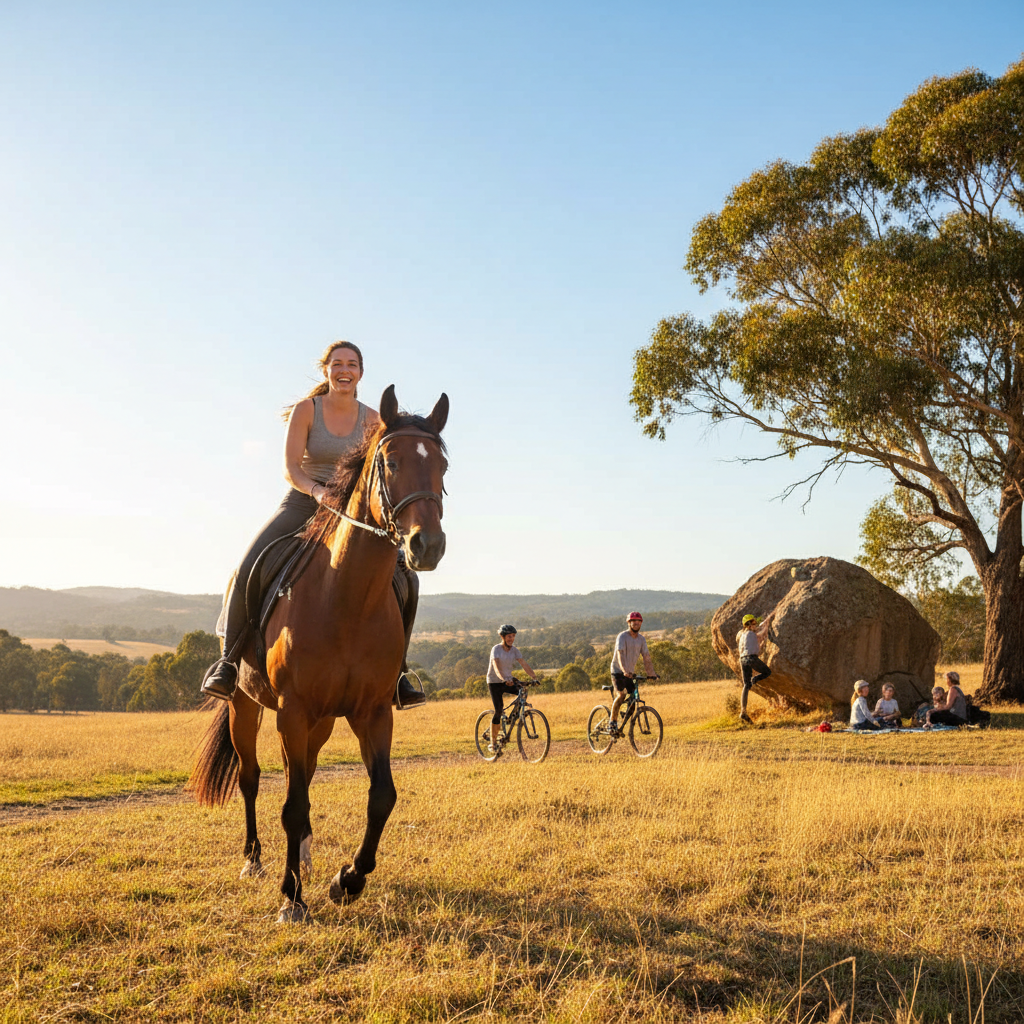
Sun Protection for Horse Riders: What Most People Miss
Let’s cut to the chase. You’re a horse rider in Australia. This means you’re spending time outdoors, often for extended periods, under a sun that doesn’t mess around. We’re talking about high UV levels, intense heat, and long daylight hours, especially during summer. You’ve got your helmet, right? Great. But is it enough? For most riders, the answer is a resounding no. Most people miss out on critical sun protection strategies that are essential for long-term skin health and immediate comfort while riding.
This isn't about scaremongering; it's about practical, no-fluff advice to keep you and your skin protected, especially when you're focused on your horse.
The Obvious (And Not-So-Obvious) Risks
You know the sun can burn. But what most people miss is the cumulative damage that happens over years of riding. It’s not just about the immediate sunburn that ruins your next day. It’s about the increased risk of skin cancer, premature aging (wrinkles, sunspots), and eye damage.
Think about your typical riding day. You’re often looking up, down, and sideways – exposing unprotected areas. The sun’s rays reflect off the ground, off your horse, and even off your tack. And that helmet? While essential for safety, many standard equestrian helmets offer surprisingly little actual sun coverage for your face, eyelids, and neck.
Common Rider Blind Spots
Here’s what most riders overlook when it comes to sun protection:
1. Inadequate Facial Coverage: Standard helmet brims, if they exist, are often too small or positioned incorrectly to shield your face effectively. Your nose, ears, and the delicate skin around your eyes are prime targets.
2. Neck Exposure: When you lean forward, ride downhill, or simply move your head, the back and sides of your neck are often exposed. This is a common area for skin cancers to develop.
3. Eyelid & Under-Eye Protection: These areas are incredibly sensitive and prone to both aging and skin cancer. Sunglasses are great, but they don't solve the problem when worn with a helmet, and what about when you're not wearing them?
4. Reapplication Lapses: Sunscreen wears off. Sweat washes it away. Wind can dry it out. Riders often forget to reapply, especially on longer rides or during hot weather.
5. Underestimation of Ambient UV: Even on cloudy days, UV radiation can penetrate. Plus, dust and light reflect UV rays, increasing your exposure.
Beyond the Sunscreen: A Holistic Approach
Sunscreen is a crucial tool, but it’s not a magic bullet. Relying on sunscreen alone is where most people fall short. A comprehensive sun protection strategy considers several layers of defence.
The Essential Rider's Sun Protection Checklist
Before you even tack up, have you done this?
Apply Broad-Spectrum Sunscreen (SPF 30+): Use a water-resistant, broad-spectrum sunscreen. Apply generously to all exposed skin 20 minutes before going outside. Don't forget your ears, the back of your neck, and your lips (use a lip balm with SPF).
Wear Protective Clothing: Long sleeves and long pants made from lightweight, breathable, UPF-rated fabric are best. Even if it's hot, this offers better protection than bare skin.
Protect Your Eyes: Wear sunglasses with UV protection, even on cloudy days. Look for ones that wrap around to prevent light from entering from the sides.
Shield Your Face and Neck: This is where most riders get it wrong. Consider a wide-brimmed hat for before and after riding, or a helmet with superior brim coverage. A neck gaiter or scarf can also offer protection when not riding.
Reapply Sunscreen Religiously: Set a timer on your phone if you have to. Reapply at least every two hours, or more frequently if you’re sweating heavily or swimming.
Helmet-Specific Sun Protection: The Game Changer
We love our helmets for safety, but let's be honest, they often leave your face exposed to the harsh Australian sun. Standard brims are usually minimal. This is where thinking outside the typical equestrian box can make a massive difference.
Imagine a helmet that gives you the protection you need, without compromising on safety or aesthetics. This sounds impossible, but modern solutions are available. The key is a helmet brim designed specifically to extend coverage. These aren't just any flimsy add-ons; they're engineered to provide significant shade. You can find dedicated Products designed to attach securely to most equestrian helmets, offering substantial shade for your face, eyes, and the bridge of your nose. These are designed to withstand riding conditions and are often made from durable, UV-resistant materials.
Why is this so important? Because the shade cast by a well-designed brim can dramatically reduce the amount of UV radiation reaching your skin and eyes. It’s like having a portable, personal shade shelter that moves with you.
Dealing with Common Objections
We hear it all. Let’s address the typical reasons riders skip crucial sun protection:
"It’s too hot to wear long sleeves/pants."
Reality Check: Modern technical fabrics are designed for hot weather. Look for lightweight, breathable, moisture-wicking materials with UPF ratings. They will protect you better and potentially keep you cooler than dealing with a severe sunburn.
"I only ride for a short time."
Reality Check: Even 30 minutes under the Australian sun can be enough to cause damage, especially during peak UV hours. Cumulative exposure is the real danger. That "short ride" adds up over weeks, months, and years.
"My helmet brim is enough."
Reality Check: Most standard equestrian helmet brims are too short and too angled to offer real protection. They’re designed more for aesthetics or minimal sun glare deflection, not comprehensive UV shielding. You need something that casts shade over your whole face, including your eyelids, nose, and ears.
"Sunscreen makes me feel greasy/break out."
Reality Check: There are countless sunscreen formulations now. Look for oil-free, non-comedogenic options, or mineral-based sunscreens if you have sensitive skin. Gel or spray formulations can also feel lighter. The key is finding one you’ll actually use.
"I’m naturally tanned/dark-skinned."
Reality Check: While darker skin has more natural protection, it is not immune to sun damage or skin cancer. Everyone, regardless of skin tone, needs sun protection.
Practical Tips for Australian Riders
Here’s how to integrate better sun protection into your riding routine, tailored for Australian conditions:
Morning and Evening Rides: Whenever possible, schedule your rides during the cooler parts of the day – before 10 AM and after 4 PM. This significantly reduces UV exposure.
Hydration and Heat Management: Sunburn and heat exhaustion go hand-in-hand. Drink plenty of water, wear breathable fabrics, and take breaks in the shade.
The "Big Hat" Rule: Always wear a wide-brimmed hat or a cap with a neck flap when you're not wearing your riding helmet. This protects your face and neck during yard work, grooming, and travel.
Check the UV Index: Make it a habit to check the daily UV index before you plan your ride. If it’s 3 or above, sun protection is essential.
Eyes Need Love Too: Beyond sunglasses, consider a helmet brim that extends low enough to shield your eyes from direct sunlight when you’re looking ahead. Eyelid and under-eye skin is incredibly vulnerable.
Step-by-Step: Integrating a DA BRIM Helmet Brim
One of the most practical solutions for riders is a dedicated helmet brim. If you're using a product like DA BRIM, integration is straightforward. For detailed instructions, you can always refer to our How to Install guide, but the general idea is simple:
1. Choose Your Brim: Select a DA BRIM size and style that complements your helmet and offers the coverage you need.
2. Clean Your Helmet: Ensure the area where the brim will attach is clean and dry.
3. Attach the Brim: DA BRIM uses a secure attachment system (often suction cups or clip-based) designed to fasten firmly to the front of your helmet. Follow the specific instructions for your model.
4. Test for Security: Gently tug on the brim to ensure it's firmly attached and won't shift during riding.
5. Enjoy Your Shade: Now you have significantly extended facial coverage, reducing UV exposure and glare.
This might seem like a small addition, but the impact on your comfort and protection is huge.
Long-Term Vision: Beyond Today’s Ride
Thinking about sun protection isn't just about avoiding a lobster-red back after a day at the beach or out on a trail. It's about investing in your future health. Skin cancer is the most common cancer in Australia, and much of it is preventable. The damage done under the Australian sun is cumulative. Every bit of protection you employ adds up to significantly lower your risk over time.
Don't let the focus on your horse distract you from protecting yourself. A few simple changes, like ensuring your helmet provides adequate shade, reapplying sunscreen diligently, and wearing protective clothing, can make a world of difference. Remember to also check out our FAQ for more common questions and answers.
Invest in your skin. Invest in your long-term health. Because a life spent riding should be a healthy one, under the sun or otherwise. Browse our range of sun protection solutions at Products.