
Sun Protection for Climbers: Desert Heat vs. Alpine Sun
Climbing sun protection demands vigilance, whether you're scaling desert rock faces or tackling alpine routes. Learn practical strategies for Australian conditions.
Sun Protection for Climbers: Desert Heat vs. Alpine Sun
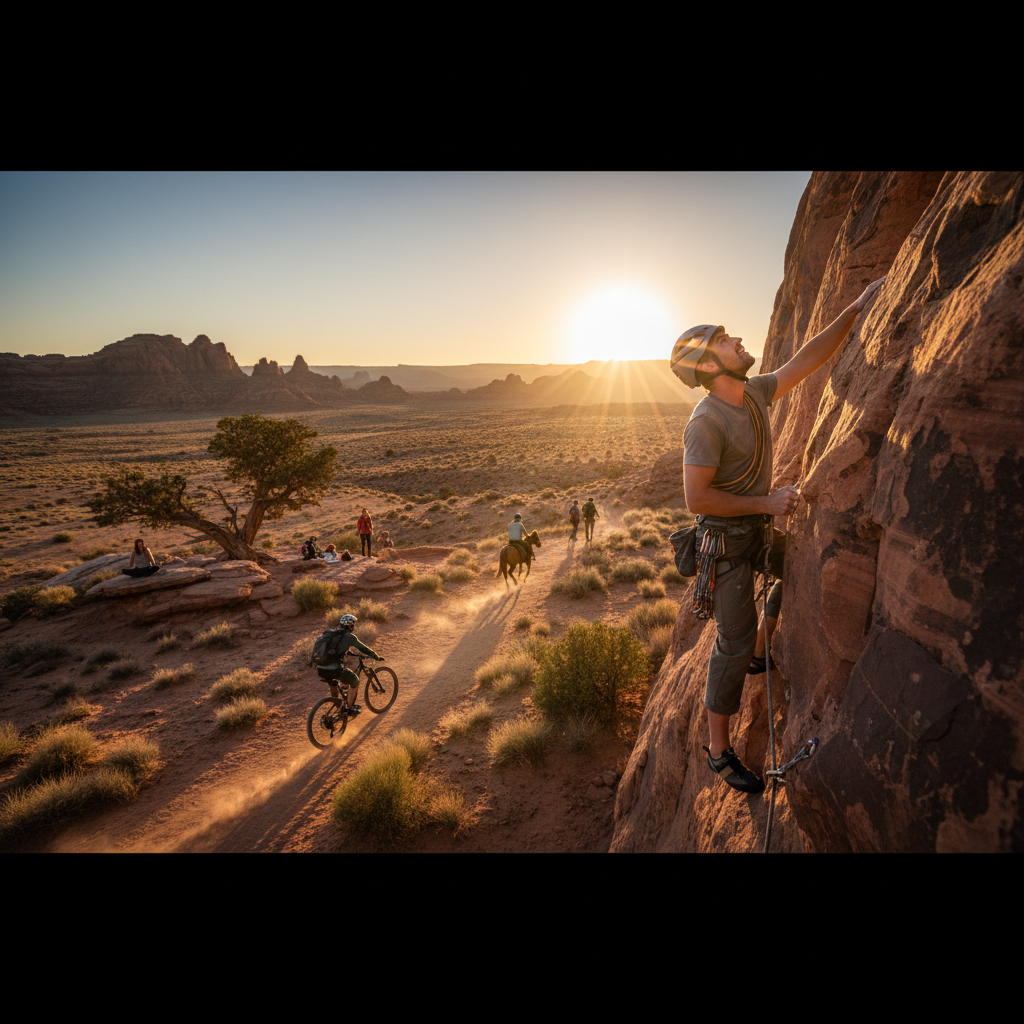
Climbing is tough. The sun doesn't care if you're in the scorching Australian Outback or on a craggy alpine peak. You're exposed. Long days, high UV, and often, precious little shade means serious sun protection isn't a luxury; it's a necessity for survival and performance. Let's cut the fluff and talk practical sun safety for helmet wearers in Australia.
Many think desert climbing is the ultimate sun test. And sure, the UV index can be brutal, the heat oppressive, and the landscape offers minimal respite. But don't underestimate alpine environments. Higher altitudes mean thinner atmosphere, which filters out less UV radiation. Combine that with snow and ice reflecting sunlight, and you've got a recipe for severe sunburn and heatstroke, even on cooler days.
This isn't about whether one is worse than the other. It's about understanding the unique challenges and implementing robust strategies for both.
The Twin Threats: UV and Heat
Regardless of your climbing arena, the sun's rays pose two primary dangers: Ultraviolet (UV) radiation and heat.
UV Radiation: This is the invisible culprit. Prolonged exposure damages skin cells, leading to sunburn, premature aging, and increased risk of skin cancer. Australia has some of the highest UV levels in the world, and peak hours can be dangerous even through cloud cover.
Heat: Dehydration, heat exhaustion, and heatstroke are very real risks. Climbers exert themselves physically, increasing body temperature. The sun's heat directly adds to this burden, especially when you're stationary on a belay ledge or climbing exposed rock faces.
Desert Climbing: The Fiery Inferno
Think scorching sandstone, searing granite, and endless skies. Desert climbing in Australia usually means tackling iconic locations under a relentless sun. You'll experience:
Extreme Heat: Ambient temperatures can soar well above 40°C. This impacts your physical stamina, your mental focus, and your hydration levels.
Intense UV: High UV index is a given. You might be climbing on dark rock that absorbs and radiates heat, compounding the problem.
Reflective Surfaces: Sand and rock can reflect UV rays, increasing your cumulative exposure.
Long Days: Early starts are often followed by protracted climbing sessions to avoid the worst of the midday heat, meaning extended exposure.
Alpine Climbing: The High-Altitude Hazard
Australian alpine environments, while not as vast as some international ranges, still present significant sun risks. Think Snowy Mountains or Tasmania during warmer months, or even higher latitude coastal cliffs.
Altitude Effect: Every 1,000 meters gained, UV radiation increases by roughly 10%. Even moderate altitudes mean stronger UV.
Snow and Ice Reflection: If there's snow or ice present, it can reflect up to 80% of UV radiation, meaning you're getting hit from above and below.
Cooler Air, Deceptive Sun: Lower ambient temperatures can fool you into thinking the sun is less potent. Don't be fooled. The UV is still there, and you're still sweating under exertion.
Wind Chill vs. Sunburn: Wind can create a cooling effect that masks the intensity of UV exposure. You might feel cool, but your skin is still burning.
Your Helmet Is Just the Start: Beyond the Basics
Your helmet is crucial for impact protection, but it's only one piece of the sun-safety puzzle. Most climbing helmets offer minimal brim coverage, leaving your face, ears, and neck vulnerable.
This is where accessories designed for sun coverage become non-negotiable.
Practical Solutions for All Climbs
Here's what you need to pack and implement, no excuses:
High-SPF Sunscreen: Don't skimp. SPF 30 is the minimum, but SPF 50+ broad-spectrum is best. Reapply religiously, especially on exposed skin (face, neck, ears, back of hands). Remember, sweat and abrasion can wear it off.
Lip Balm with SPF: Your lips burn too, and it's incredibly painful.
Sunglasses: Essential for protecting your eyes from UV damage and glare. Ensure they offer good UV protection.
Protective Clothing: Lightweight, breathable, UPF-rated long-sleeved shirts and long pants are a no-brainer for prolonged exposure. Think about what you'd wear on a long, hot hike.
Wide-Brimmed Hat (for approach/descent): While not practical while climbing with a helmet, a good hat for the walk-in and walk-out offers substantial face and neck protection.
Helmet Sun Protection: This is the critical piece missing from standard helmets. A dedicated helmet brim, designed to attach securely and extend the shade over your face and neck, is a game-changer. Something like Da Brim can make a massive difference.
Hydration Strategy: Carry more water than you think you'll need. Electrolyte supplements can help replace lost salts, especially in extreme heat.
Timing: Plan your climbs to avoid the peak UV hours (typically 10 am - 3 pm), if possible. This might mean very early starts or late finishes.
Integrating Sun Protection Into Your Gear
Your standard climbing helmet is designed for impacts, not solar deflection. This leaves your face, ears, and neck exposed to the sun's harsh rays.
Objection Handling: "My helmet is enough."
No. It's not designed for it. The small, often angled brims on climbing helmets are minimal at best. You need extended shade.
Objection Handling: "Brims get in the way / snag."
This is a valid concern if you're using a poorly designed accessory. Dedicated helmet brims, like those in our Products range, are engineered to integrate efficiently and securely. They extend outward just enough to provide crucial shade without significantly increasing snag potential. Proper How to Install is key here. They are designed to fit securely and flex if necessary, reducing snag risk.
Objection Handling: "It will mess up my climbing helmet's safety rating."
Reputable helmet brim systems are designed not to compromise your helmet's structural integrity. They attach using secure, non-damaging methods. Always check the manufacturer's guidelines. For Da Brim, they are designed to fit commonly available climbing helmets.
The Power of Extended Shade
Consider the difference a few extra centimetres of shade make to your face and neck. This directly reduces UV exposure to sensitive skin, preventing sunburn, and also helps to keep your core temperature down by reducing direct solar load on your head and face.
We've created a range of helmet brims specifically for this purpose. They are designed to be lightweight, durable, and provide maximum shade without compromising your helmet's primary function.
Your Sun Protection Checklist
Before you head out, run through this quick checklist. Don't leave home without it.
[ ] Helmet with adequate brim coverage (e.g., Da Brim attached)
[ ] High-SPF Sunscreen (SPF 50+ recommended)
[ ] Lip Balm with SPF
[ ] UV-Protective Sunglasses
[ ] Lightweight, UPF-rated clothing (long sleeves/pants)
[ ] Plenty of Water and Electrolytes
[ ] Pre-planned climbing times to avoid peak UV
Step-by-Step Sun Safety Integration
Step 1: Assess Your Helmet.
Does your current climbing helmet offer substantial shade to your face, ears, and neck? If the answer is no, you need an upgrade or an add-on.
Step 2: Explore Your Options.
Look for dedicated helmet brims. Our Products page details the options available that are designed to integrate seamlessly with most climbing helmets. Consider fit, coverage area, and ease of attachment.
Step 3: Install Correctly.
Follow the provided instructions for your chosen brim. Proper How to Install ensures it's secure, effective, and safe. This usually involves simple attachment mechanisms that don't damage your helmet.
Step 4: Layer Your Protection.
Sunscreen, clothing, and your extended brim work together. The brim reduces the need* for constant sunscreen reapplication on your face, but don't skip it on other exposed areas. Clothing protects your arms and legs.
Step 5: Hydrate Relentlessly.
This isn't just about thirst. Heat management is critical. Drink water regularly, even if you don't feel thirsty.
Step 6: Monitor and Reapply.
Check your skin and sunscreen levels throughout the day. Reapply sunscreen as needed, especially after sweating or contact with rock.
Beyond the Climb: Long-Term Skin Health
Repeated, unprotected sun exposure is the leading cause of skin cancer. As climbers, we spend a lot of time outdoors under intense conditions. Prioritising sun safety today is an investment in your long-term health. Don't wait for the damage to show. Be proactive.
If you have questions about helmet suitability or brim compatibility, our FAQ section is a great resource.
Conclusion
Whether you're planning a multi-pitch desert adventure or a high-altitude alpine ascent in Australia, sun protection is not negotiable. The risks are real, the conditions are harsh. By understanding the threats of UV and heat, and implementing practical, integrated solutions like an extended helmet brim, you can climb safer and healthier. Don't let the sun cut your climbing days short or compromise your well-being. Gear up smart, climb smart.
For more tips and product information, head over to our Blog or browse our full range of Products. Your skin will thank you for it.