
Sun Exposure: Road vs. Gravel Cycling - What's Really Different for Helmet Wearers?
You love your bike, but do you love your skin? We break down sun exposure differences between road and gravel cycling in Australia and how your helmet choice matters.
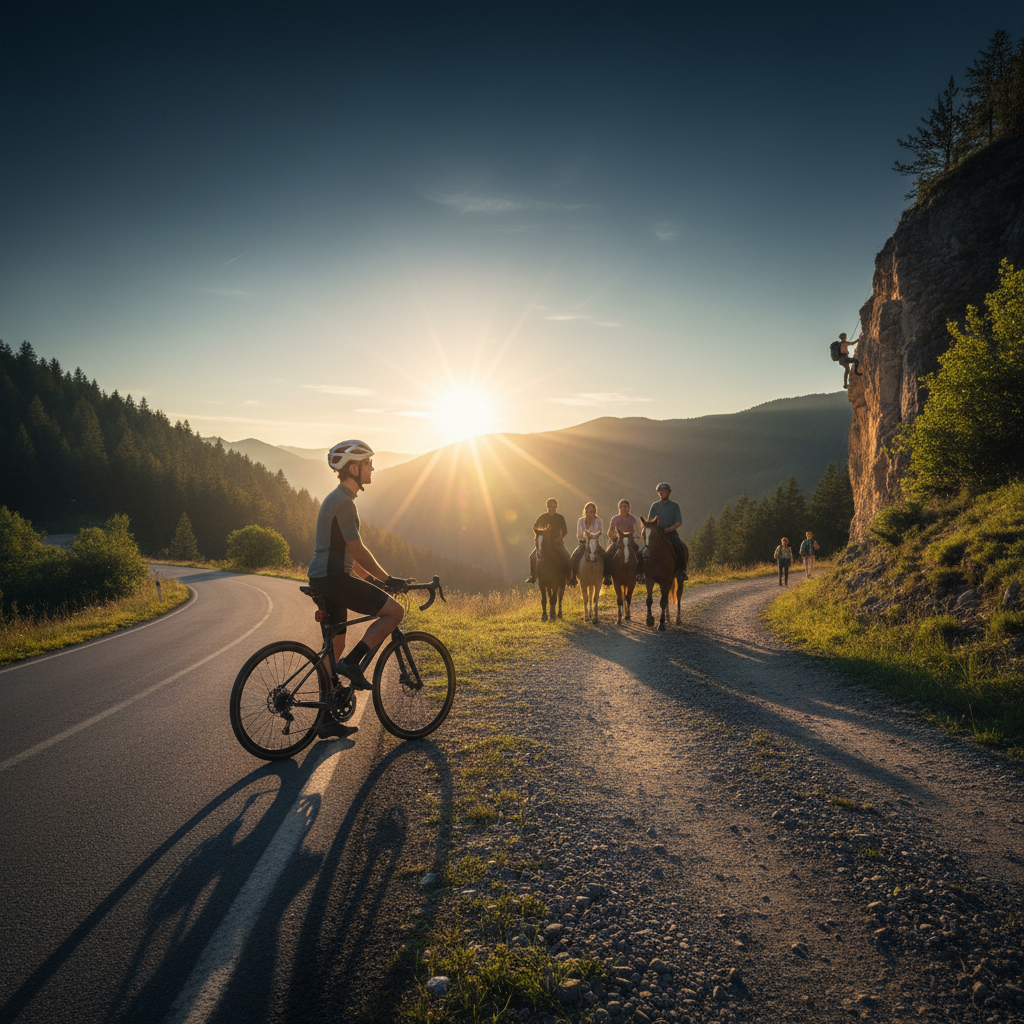
Sun Exposure: Road vs. Gravel Cycling - What's Really Different for Helmet Wearers?
Australia. We love our cycling. Whether you're carving up the bitumen or exploring dusty backroads, one thing is constant: the sun. And not just any sun, but the Aussie sun, notorious for its intensity. You've got your helmet, your hydration, your kit – but are you thinking enough about UV exposure, especially when comparing your road rides to your gravel adventures?
Let's get down to brass tacks. Many cyclists assume the only difference in sun exposure is the surface beneath their wheels. While both disciplines share common sun risks, there are subtle yet significant nuances that impact how much UV you’re copping, and more importantly, how you can mitigate it effectively.
The Obvious: It's All Cycling, It's All Sun
Before we dive into the differences, let's acknowledge the similarities. When you're on a bike, you're exposed. Regardless of where you're riding, if the sun is up, UV rays are reaching you. This is especially true in Australia, where the UV Index can reach extreme levels for much of the year. Long days in summer mean more time in the saddle, and consequently, more time under damaging UV radiation.
Common Sun Risks for All Cyclists:
Direct UV Exposure: Your face, neck, ears, and arms are directly exposed to UVA and UVB rays.
Heat Stress: Australia's summer heat can be brutal. Prolonged exposure without adequate protection can lead to heat exhaustion or heatstroke.
Glossy Surfaces & Water: Road bikes often encounter shiny road surfaces and might encounter puddles or water runoff, which can reflect UV rays upwards.
Altitude: While less common for typical road/gravel rides in Australia, higher altitudes do increase UV intensity. If your gravel adventures take you to elevated regions, this is a factor.
Road Cycling: The Open Road Sun Assault
Road cycling often involves long, sweeping stretches, sometimes with little shade. The surface itself, being often dark bitumen, can absorb heat, but it's the lack of immediate obstructions that is key. You're exposed to the sky, and therefore the sun, for extended periods.
Specific Road Cycling Sun Considerations:
High Speeds, Less Shade: While you might be moving faster, you're often in open areas – country roads, coastal paths, urban cycling lanes – with minimal tree cover. The sun doesn't care how fast you're going.
Reflective Surfaces: While not as pronounced as snow, wet roads can increase UV reflection. Think about those post-rain rides where the sun bursts through.
Predictable Routes: Often, road routes are more established and repetitive. This means you might be riding the same sun-exposed stretches day after day, accumulating exposure.
Gravel Cycling: The Dusty Detour's Sun Secrets
Gravel cycling, by its nature, takes you off the beaten path. This might conjure images of dappled forest light, but the reality is often quite different. While you might find more natural shade in wooded areas, gravel riding also presents unique sun challenges.
Specific Gravel Cycling Sun Considerations:
Unpredictable Shade: You might ride through a patch of bushland and get temporary relief, then emerge onto a wide-open, sun-baked gravel track. This intermittent shade can be deceptive, making you feel less exposed than you actually are.
Dust and Heat: Gravel roads can kick up dust, which, combined with intense heat, can make for a physically taxing ride. Dehydration becomes a more significant concern, and your body's ability to regulate temperature is compromised, making sun protection even more vital.
Slower Speeds, Longer Exposure per Kilometre: While you might cover fewer kilometres overall in a gravel ride compared to a road ride of the same duration, the often slower pace means you spend more time in direct sunlight for a given distance. More time exposed on those open sections.
Reflection off Loose Surfaces: Dry, dusty gravel can be surprisingly reflective, bouncing UV rays upwards towards your face, particularly from the sides and beneath.
Direct Comparison: Road vs. Gravel Sun Exposure
It's not about one being dramatically worse than the other. It's about understanding the ways they expose you differently.
| Feature | Road Cycling Sun Exposure | Gravel Cycling Sun Exposure |
|---|---|---|
| Shade Availability | Generally lower, consistent exposure on open roads. | Variable – can be high in forests, very low on open tracks. |
| Surface Reflection | Moderate (wet roads). | Moderate (dry dust, light-coloured gravel), variable. |
| Pace/Exposure | Higher speeds may reduce time in direct sun per km, but routes can be expository. | Slower speeds can increase time in direct sun per km, especially on open sections. |
| Environment | Open roads, urban paths, coastal routes. | Trails, bushland tracks, open farmland, mountainous terrain. |
Helmet Protection: Your First Line of Defence
Your helmet is crucial for safety, but it's also a vital tool for sun protection. The most exposed areas are typically your face, scalp, and the back of your neck – areas your helmet and its brim can cover.
Many cyclists focus on sunscreen (which is essential, don't get us wrong), but they overlook the physical barrier a well-designed helmet brim provides. It's not just about keeping the sun out of your eyes; it's about reducing UV radiation hitting your forehead, cheeks, and nose.
Why a Helmet Brim Matters for Both:
Direct Shielding: Blocks direct sunlight. Simple, but effective.
Reduced Glare: Less squinting means less facial strain and potentially better vision.
UV Reduction: A physical barrier is more reliable than sunscreen that can sweat off.
Objection Handling: "But I already wear sunscreen!"
Sunscreen is non-negotiable. However, it's not foolproof. Sweat, wind, and reapplication intervals mean its effectiveness can diminish. A helmet brim acts as a consistent, physical shield, complementing your sunscreen application and providing a reliable base layer of protection.
Objection Handling: "Won't a brim make my helmet hotter?"
This is a common concern, and it's valid to think about ventilation. However, modern helmet brims, especially those designed for cycling, are crafted to be aerodynamic and unobtrusive. Look for designs that don't impede airflow. In fact, by shielding your face from direct solar radiation, a brim can actually make you feel cooler by reducing the heat load on your skin. It's about blocking the sun's energy before it hits you.
Maximising Your Sun Safety: A Practical Checklist
Regardless of whether you're hitting the tarmac or kicking up dust, a proactive approach to sun safety is key. Your helmet is a prime piece of equipment for this.
Your Sun Safety Checklist for Any Ride:
[ ] Check the UV Index: Know your enemy. Use a reliable weather app or the Bureau of Meteorology. If the UV is 3 or above, sun protection is required.
[ ] Wear a Helmet with a Brim: This is non-negotiable. Ensure it’s properly fitted. If your current helmet lacks one, consider an upgrade or an aftermarket solution.
[ ] Apply Sunscreen: Broad-spectrum SPF 50+ to all exposed skin (face, neck, ears, arms, legs). Reapply every two hours, or more often if sweating heavily.
[ ] Wear UV-Protective Sunglasses: Protect your eyes and the delicate skin around them.
[ ] Cover Up: Consider a lightweight, long-sleeved cycling jersey and arm warmers for added UV protection, especially on long rides.
[ ] Hydrate: Crucial for overall health and your body's ability to cope with heat and sun stress.
[ ] Plan Ride Times: If possible, avoid peak UV hours (typically 10 am to 3 pm Australia-wide).
Installing Your DA BRIM: A Step-by-Step Guide
If your current helmet isn't providing the sun coverage you need, it might be time to upgrade or adapt. For many helmets, adding a specialised brim is a simple and effective solution. Our DA BRIM is designed for easy installation on most standard cycling helmets.
Installation Steps:
1. Clean Your Helmet: Ensure the front rim of your helmet is clean and dry. This ensures optimal adhesion for any attachment systems.
2. Identify Mounting Points: Most helmets have vents or a specific area at the front where a brim can attach securely. Check the instructions specific to your helmet model if unsure.
3. Align the DA BRIM: Position the DA BRIM so that it covers the desired area of your forehead and cheeks. Ensure it doesn't obstruct your vision.
4. Secure the DA BRIM:
Velcro Attachment: If using the velcro system, peel the backing off the adhesive velcro strips on the DA BRIM and press firmly onto the corresponding velcro patches on your helmet.
* Clip System: If your DA BRIM uses clips, carefully slot them into the helmet's vents or designated attachment points. Ensure they click into place securely.
5. Test Fit: Gently pull on the DA BRIM to ensure it's firmly attached. Go for a short ride or shake your head to confirm it stays in place, even at speed.
6. Adjust if Necessary: If vision is impaired or the fit feels off, remove and re-adjust the DA BRIM. The goal is optimal sun coverage without compromising safety or comfort.
For detailed instructions specific to your helmet type and DA BRIM model, please refer to our How to Install page.
Your Sun Smart Cycling Future
Whether you’re enjoying the smooth tarmac or embracing the 'gnarly' bits of a gravel track, your sun exposure needs careful management in Australia. The differences between road and gravel cycling are subtle but important. Your helmet, equipped with a proper brim, is your most reliable, consistent shield against the harsh Aussie sun.
Don't let the sun catch you out. Invest in your skin's health.
Need a helmet brim that works for both? Check out our range of Products designed to enhance your cycling safety and comfort, no matter the terrain. For more tips and information, visit our FAQ or browse our Blog for more insights.
Ride safe, ride sun-smart.