
Sun Exposure: Road vs. Gravel Cycling in Australia
Is more sun exposure a given when you swap tarmac for trails? Find out how road cycling and gravel cycling stack up against Australia's harsh UV and heat, and how to stay protected on both.
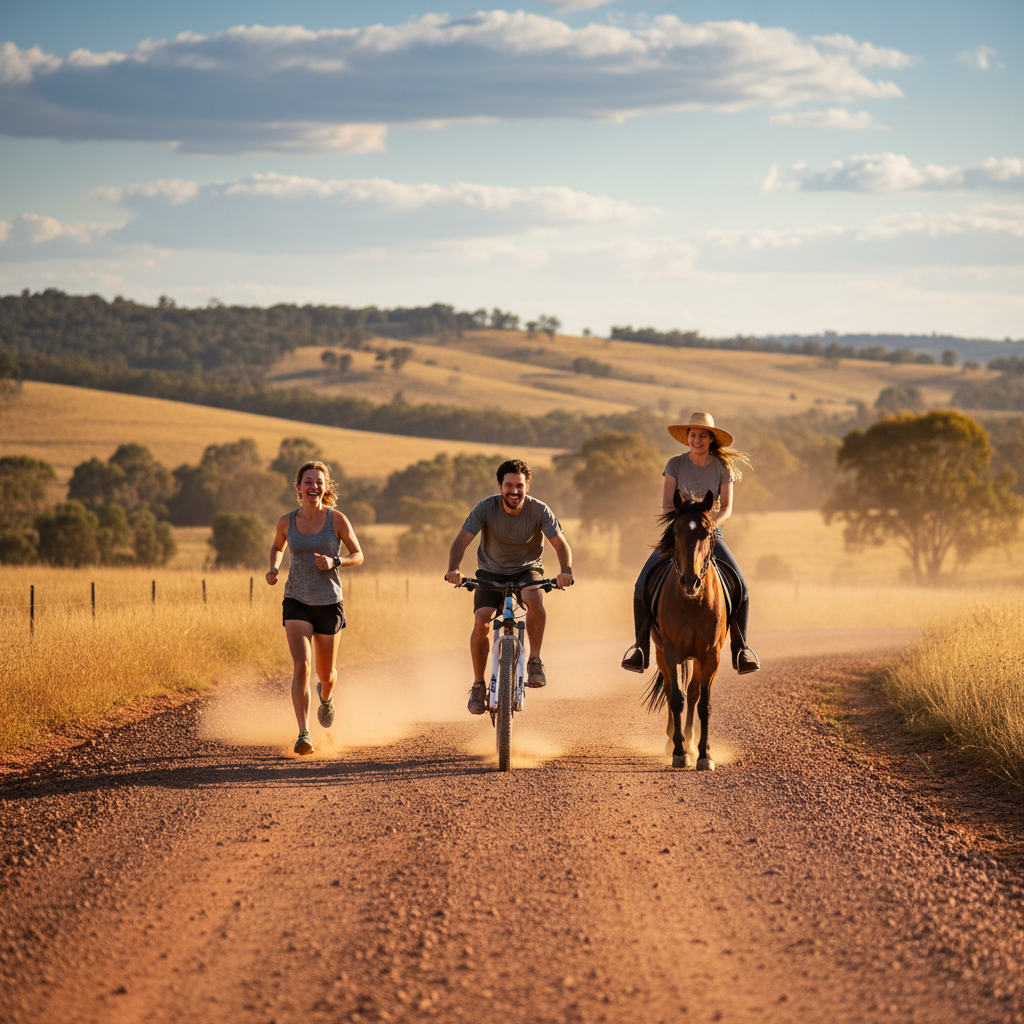
Sun Exposure: Road vs. Gravel Cycling in Australia
You're passionate about cycling. Whether it's the smooth glide of road cycling or the rugged adventure of gravel biking, you're out there. But here in Australia, being out there means facing one of the world's harshest suns. We're talking high UV indexes, intense heat, and long daylight hours, especially in summer. So, if you're switching between road and gravel, or wondering which is worse for sun exposure, let's break it down. It's not as simple as you might think.
The Obvious: Road Cycling and Sun
Road cycling often involves long stretches of exposed tarmac. Think of those classic cycling photos: riders in open landscapes, often with minimal shade. You're typically moving faster, so wind might offer some perceived cooling, but it doesn't reduce your UV exposure one bit. Skin on your arms, legs, neck, and face is often directly hit by the sun for extended periods. The sun's rays bounce off the road surface too, adding to the cumulative dose you receive. On a clear, hot Australian day, that can be a significant amount of UV radiation.
The Not-So-Obvious: Gravel Cycling and Sun
Now, gravel cycling. You might imagine dusty trails winding through forests or shaded mountain passes. And sometimes, that's exactly what you get. But there's a catch – or several.
1. Less Shade, More Often: Many popular gravel routes are in open, cleared farmland, scrubland, or desert-like terrain. While there might be some trees, you can spend significant time pedalling through wide-open spaces with absolutely no overhead cover. This is especially true for long-distance gravel events or tours where routes are chosen for their connectivity, not necessarily their shade coverage.
2. Slower Speeds, Longer Exposure: While you might think faster is worse for heat, when it comes to sun exposure, slower can be bad. Gravel riding often involves lower average speeds due to terrain, obstacles, and the effort required. This means you could be out in the elements for longer to cover the same distance as you would on a road bike. That extended time under the sun, even if the UV index fluctuates, adds up. Think about riding for three hours on a gravel track versus two hours on a road. Your total exposure time is greater.
3. Dust and Reflection: Dust kicked up from the trail can be a nuisance, but it's the ground itself that's the issue. Gravel and dirt surfaces can reflect UV radiation, similar to how the road does, but often with a more varied and potentially intense scattering effect.
4. Less Predictable Shading: On a road, you might have blocks of shade from buildings or rows of trees. On a gravel path, shade can be intermittent and unpredictable. You might ride through a cool, shaded section for five minutes, only to emerge into full, blazing sun for the next thirty.
Comparing the Exposure: Road vs. Gravel
So, which is worse? It depends heavily on the specific route and conditions. However, there's a strong argument that *gravel cycling can lead to greater overall sun exposure for several reasons:
Longer Activity Time: As mentioned, the same distance often takes longer to cover on gravel.
More Prolonged Openness: While road cycling can be exposed, many road routes incorporate towns, villages, and stretches with mature trees. Gravel routes are frequently more remote and consistently exposed.
Less Consistent Shade: The absence of reliable, extended shade patches on many gravel routes means you're more likely to be under direct sun for longer durations.
This isn't to say road cycling is safe. Strava heatmaps show cyclists covering vast distances under the Australian sun. But if you're looking at a direct comparison where both activities involve similar time in the saddle, the gravel rider often has less respite from the sun's UV rays.
UV Index and Australian Conditions
Australia has one of the highest UV levels in the world. Even on a cloudy day, up to 90% of UV radiation can penetrate the clouds. The UV Index is your best friend for understanding risk during daylight hours. When the UV index is 3 or above, sun protection is recommended. In many parts of Australia, the UV index regularly hits 10, 11, or even 12 during summer months. This means that unprotected skin can burn in as little as 10-15 minutes.
Long daylight hours in Australian summers mean your rides, whether on road or gravel, can easily fall within peak UV periods (typically 10 am to 3 pm). You can't just rely on the time of day to tell you if you're safe.
Heat Considerations
Both road and gravel cycling are strenuous activities that generate body heat. Australia's summer heat can be extreme, with temperatures regularly exceeding 35°C and often pushing past 40°C in many regions. Overheating and dehydration are serious risks. While direct sun exposure is a major contributor to heatstroke, the type of riding can influence how you manage it:
Road Cycling: Higher speeds can trick you into feeling cooler due to wind chill, but this doesn't dissipate the core body heat generated by exertion. Shorter rides might be more common for some road cyclists. Quick stops for water are usually easier to find on road routes.
Gravel Cycling: Lower speeds mean less wind chill, so heat management is critical. Rides can be longer and more remote, making access to water and shade more challenging. The physical exertion on varied terrain can also be higher, further increasing heat generation.
The takeaway for heat: Both require vigilance. However, the longer, more remote nature of some gravel rides, combined with less wind chill, can make heat management on gravel feel more demanding.
How to Protect Yourself: Practical Solutions for All Cyclists
Regardless of your cycling discipline, sun protection is non-negotiable. The consequences of prolonged UV exposure – premature aging, sunburn, and significantly increased risk of skin cancer – are too serious to ignore. Here’s how to stay safe:
The Essential Checklist
[ ] Helmet Brim: The simplest, most effective way to shade your face, neck, and ears. Ensure your helmet has one or consider an aftermarket option. Our Products page has a range of solutions.
[ ] Sunscreen: SPF 30+, broad-spectrum, water-resistant. Apply generously to all exposed skin at least 20 minutes before your ride. Reapply every two hours, or more often if sweating heavily.
[ ] Sun-Protective Clothing: Long-sleeved jerseys made from lightweight, breathable, UPF-rated fabric. Leggings or arm sleeves can cover more skin.
[ ] Sunglasses: UV-blocking sunglasses to protect your eyes and the delicate skin around them.
[ ] Lip Balm: SPF lip balm for your lips.
[ ] Hydration: Crucial for managing heat and overall well-being. Carry more water than you think you’ll need.
[ ] Timing: If possible, plan your rides outside of peak UV hours (10 am - 3 pm).
Step-by-Step Sun Protection Strategy
This applies whether you're blasting down a smooth bitumen road or grinding up a dusty fire trail.
Before the Ride:
1. Check UV Index: Always check the local UV index. If it’s 3 or above, full protection is needed.
2. Apply Sunscreen: Thoroughly apply sunscreen to face, neck (front and back), ears, back of hands, and any other exposed skin. Don’t forget your scalp if your helmet doesn't cover it fully. Allow it to absorb for at least 20 minutes.
3. Dress Appropriately: Don your UPF-rated clothing. This might be a long-sleeved jersey, arm sleeves, or UV-protective tights.
4. Fit Your Helmet Brim: Ensure your helmet is properly fitted. A good brim, like those available on our Products page, is your first line of defence against facial UV.
5. Grab Your Shades: Put on your UV-blocking sunglasses.
6. Fill Your Bottles: Ensure you have ample water or electrolyte drinks.
During the Ride:
1. Reapply Sunscreen: If your ride is longer than two hours, aim to reapply sunscreen. You can carry a small tube or use sunscreen wipes.
2. Seek Shade When Possible: Utilise natural shade during breaks. Even brief periods out of direct sun help.
3. Hydrate Consistently: Don't wait until you're thirsty. Sip water regularly.
4. Monitor for Heat Stress: Be aware of signs of heat exhaustion (dizziness, nausea, fatigue, headache) and heatstroke (confusion, rapid pulse, high body temperature, lack of sweating).
After the Ride:
1. Cleanse and Moisturise: Wash off sweat and sunscreen. Apply moisturiser to rehydrate skin.
2. Check for Sunburn: Inspect your skin for any signs of redness or burning.
Objection Handling: 'My Helmet Already Shades Me' or 'I Don't Burn Easily'
'My helmet shades me enough': While a standard helmet offers some shade, it often leaves the sides of your face, your ears, and the back of your neck exposed. Australian UV penetrates deeply and reflects off surfaces. For maximum protection, especially on long rides where cumulative exposure is high, you need more than just incidental shade. Our helmet brims are designed to extend this shade significantly. Check out How to Install for easy application.
'I don't burn easily': This is a common but dangerous misconception, particularly in Australia. Even if you don't get a visible burn, UV radiation is still causing damage to your skin cells. This cumulative damage is what leads to premature aging, sunspots, and significantly increases your lifetime risk of skin cancer. Protection is about long-term health, not just avoiding an immediate burn. Our FAQ page has more on this.
Conclusion
Whether you’re carving up the bitumen or exploring dusty tracks, sun exposure is a significant factor in Australian cycling. While road cycling can be consistently exposed, the potential for longer durations and less incidental shade on gravel routes often means gravel cycling can lead to greater overall sun exposure. The key is rigorous, consistent sun protection for all* your rides. Don't let the sun dictate how much you can enjoy your cycling. Equip yourself with the right gear and habits. Explore our range of Products to find the best solutions for your helmet.
Remember, safety on two wheels extends beyond traffic and mechanical checks. It crucially includes protecting yourself from the sun. For more cycling tips and safety advice, check out our Blog section.