
Sun Exposure on Your Bike: Road vs. Gravel
You're on your bike, enjoying the ride. But are you protected from the harsh Australian sun? We break down the sun exposure risks for road cyclists and gravel riders, offering practical advice to keep you safe.
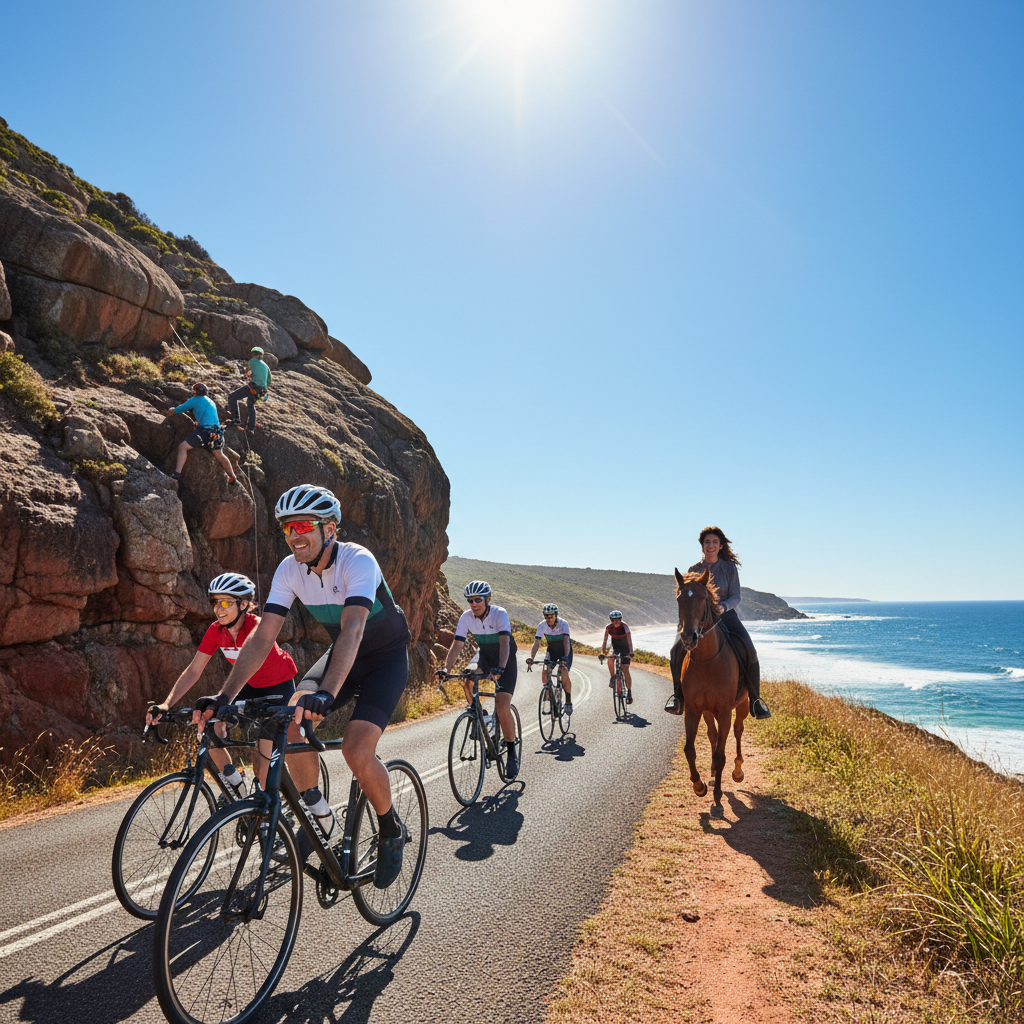
Sun Exposure on Your Bike: Road vs. Gravel
Australia. We love our cycling. Whether you're hammering the tarmac or tackling the dirt, the sun is a constant companion. And in Australia, that companion can be brutal. High UV indexes, scorching temperatures, and long summer days mean sun safety isn't just a suggestion; it's essential for every cyclist.
But are your sun exposure risks the same whether you're on the road or out on the gravel? Not exactly. While the core principles of sun protection remain, the nuances of each discipline can present unique challenges.
The Undeniable Truth: You Need Sun Protection
Before we dive into the differences, let's get this straight. If you're riding outdoors in Australia, you will be exposed to harmful UV radiation. Even on cloudy days, up to 80% of UV rays can penetrate cloud cover. The skin cancer statistics in Australia speak for themselves. Protecting yourself is non-negotiable.
This is where your trusty helmet comes in. It’s your first line of defence. But is it enough? For many, especially during longer rides or in peak UV hours, it might not be.
Road Cycling: The Open Road Under the Sun
Road cycling often involves longer stretches on open roads, with less natural shade compared to some off-road trails. While you might ride at higher speeds, which can offer a slight cooling effect, you're also more exposed to direct, unrelenting sunlight.
Key Sun Exposure Factors for Road Cyclists:
Extended Exposure: Road rides are frequently longer in duration, meaning more cumulative time spent under the sun.
Direct Sunlight: Open roads offer minimal shade. You're directly in the sun's path for much of your ride, especially during midday.
Reflective Surfaces: Roads themselves, particularly asphalt, can reflect UV rays, adding to your overall exposure.
Neck and Ears: These areas are particularly vulnerable as they are often exposed and visible to the sun, even with a helmet on. The back of your neck can also be a hotspot for sunburn.
Gravel Cycling: Navigating Sunlight and Shade
Gravel cycling often takes you off the beaten path, through trails, forests, and less developed areas. This can mean more natural shade from trees and terrain.
Key Sun Exposure Factors for Gravel Cyclists:
Varied Exposure: Gravel rides can offer a dynamic mix of bright sunlight and cool shade, depending on the terrain and time of day.
Sun Dappling and UV Penetration: Even in shaded areas, sunlight can 'dapple' through leaves. While this might feel cooler, UV rays can still penetrate, and the intermittent exposure can sometimes lead to forgetting about protection.
Slower Speeds: Gravel riding often involves slower speeds due to the terrain. While this might offer more control, it can also mean less natural cooling from wind, making the heat feel more intense even in partial shade.
Dust and Dirt: While not a direct sun exposure issue, the constant kicking up of dust and dirt can sometimes lead to a false sense of security by obscuring sunburn for a short period. This is a dangerous game to play.
Are the Differences Significant?
Yes and no. The fundamental risk of UV damage is present in both. However, the nature of the exposure can differ in intensity and duration. Road cyclists might face more sustained, direct exposure, while gravel riders experience a more variable, dappled exposure. The key takeaway is that both require robust sun protection.
Consider this: Even in shaded areas, the UV index can still be significant. Long rides, regardless of the surface, mean extended time outdoors. The Australian sun doesn't discriminate.
Comparing Sun Exposure: A Quick Look
| Riding Style | Primary Exposure Type | Typical Shade Availability | Key Vulnerable Areas |
|---|---|---|---|
| Road Cycling | Direct, sustained | Low | Face, neck, ears, scalp, forearms |
| Gravel Cycling | Dappled, variable | Moderate to High | Face, neck, ears, scalp, arms |
Common Objections and How to Handle Them
"I only ride in the morning/late afternoon."
Even outside of peak UV hours (10 am to 4 pm), UV radiation is present. Over a long ride, the cumulative exposure can still be significant, especially with Australia's strong sun.
"I have dark skin, I don't burn."
While darker skin has more melanin and offers some natural protection, it is not immune to sun damage and skin cancer. Long-term exposure still increases your risk. Protection is for everyone.
"My helmet covers my head."
A helmet is crucial, but it doesn't protect your face, neck, ears, or lower legs. These areas are prime real estate for sunburn and sun damage.
"I'll just wear sunscreen."
Sunscreen is vital, but it can sweat off, especially on hot Australian days. Reapplication on the bike is difficult and often forgotten. Furthermore, sunscreen alone doesn't protect your scalp if you have thinning hair or the tops of your ears.
"I don't like the feeling of extra gear."
Sunburn is far more uncomfortable than a practical sun protection accessory. Modern solutions are designed to be lightweight and unobtrusive.
Your Sun Protection Checklist for Any Ride
Regardless of whether you're hitting the bitumen or the backtracks, you need a comprehensive sun protection strategy. Here's your essential checklist:
Helmet Brims: Ensure your helmet has adequate brim coverage for your face and neck. If yours is lacking, consider an aftermarket option. This is often the easiest and most effective addition for immediate shade.
SPF 50+ Sunscreen: Apply generously to all exposed skin at least 20 minutes before riding.
Lip Balm with SPF: Don't forget your lips – they burn too.
UV-Protective Sunglasses: Protect your eyes from UV rays and glare. Choose sunglasses that offer good coverage.
Lightweight, Long-Sleeved Jersey: Opt for fabrics with a high UPF (Ultraviolet Protection Factor) rating. This provides a physical barrier.
Sun Sleeves (Optional but Recommended): For extra arm protection, especially on hot days when you want to avoid heavy jerseys.
Neck Gaiter or Buff: A lightweight, breathable neck gaiter can significantly protect your neck and lower face from the sun.
Regular Skin Checks: Make it a habit to check your skin for any new or changing moles.
The Ultimate Solution: Integrating Protection with Your Helmet
Your helmet is your primary safety gear. Why not integrate your sun protection seamlessly with it? For road and gravel cyclists alike, the most practical, set-and-forget solution for on-the-bike sun protection is an effective helmet brim. These attach to your existing helmet, providing instant shade to your face and neck without adding significant weight or requiring constant reapplication like sunscreen.
This is where Da Brim comes in. Designed to work with a wide range of cycling helmets, these brims are a game-changer. They effectively widen the shadow cast by your helmet, offering superior protection to your face, nose, and ears, and significantly reducing sun exposure on your neck.
How to Integrate Da Brim into Your Routine
It's simpler than you might think. Here’s a step-by-step guide:
1. Choose Your Brim: Select the Da Brim model that best suits your helmet type and your needs. You can browse our Products page to see the options.
2. Installation: Attaching your Da Brim is straightforward. Follow our easy How to Install guide. Most models use a secure, adjustable strap system.
3. Apply Sunscreen: Even with a brim, it's wise to apply sunscreen, especially to any areas that might still get some direct exposure, like the sides of your neck or your shoulders.
4. Ride Protected: Once attached and you've applied sunscreen, you're ready to ride. The brim does the work for you, offering consistent shade throughout your journey.
5. Post-Ride: Simply remove the brim if desired for storage or cleaning. It's designed for durability and easy maintenance.
Are Helmet Brims Just for Commuters?
Absolutely not. While they provide excellent protection for commuting, their benefits extend directly to road and gravel cycling. The enhanced shade they provide is invaluable on long, sunny days, reducing glare and protecting sensitive skin. Whether you're trying to prevent a sunburned nose on a long road climb or protect your neck from the relentless sun on a gravel exploration, a helmet brim is a practical, effective tool.
Frequently Asked Questions
We get asked a lot about sun protection and helmet brims. For more detailed answers, visit our FAQ page. Here are a couple of common ones:
Will a brim affect airflow or my helmet's cooling? Modern helmet brims, like Da Brim, are designed to minimise this impact. The airflow channels in most cycling helmets are usually sufficient to maintain good ventilation, and the brims are lightweight.
Are they safe? Yes. Helmet brims are designed to be safe and do not compromise the structural integrity or primary protective function of your helmet when used as intended.
Don't Let the Sun Dictate Your Ride
Australia's roads and trails are incredible, but they demand respect, especially from the sun. Whether you choose the open tarmac of road cycling or the varied terrain of gravel, your sun protection strategy needs to be robust. Don't rely solely on sunscreen, which can be inconsistent on long rides. Enhance your helmet's natural sun protection with a dedicated brim.
It's a simple, affordable, and highly effective way to safeguard your skin and enjoy your rides for longer, without the worry of a painful sunburn. Explore our range of Products and take control of your sun exposure on every ride.
For more tips and insights on cycling safety, check out our Blog.
Ride smart, ride protected.