
Sun Exposure: Desert vs. Alpine Climbing in Australia
Don't get burnt. Understand the unique sun challenges of Australian desert and alpine climbing and how to stay protected.
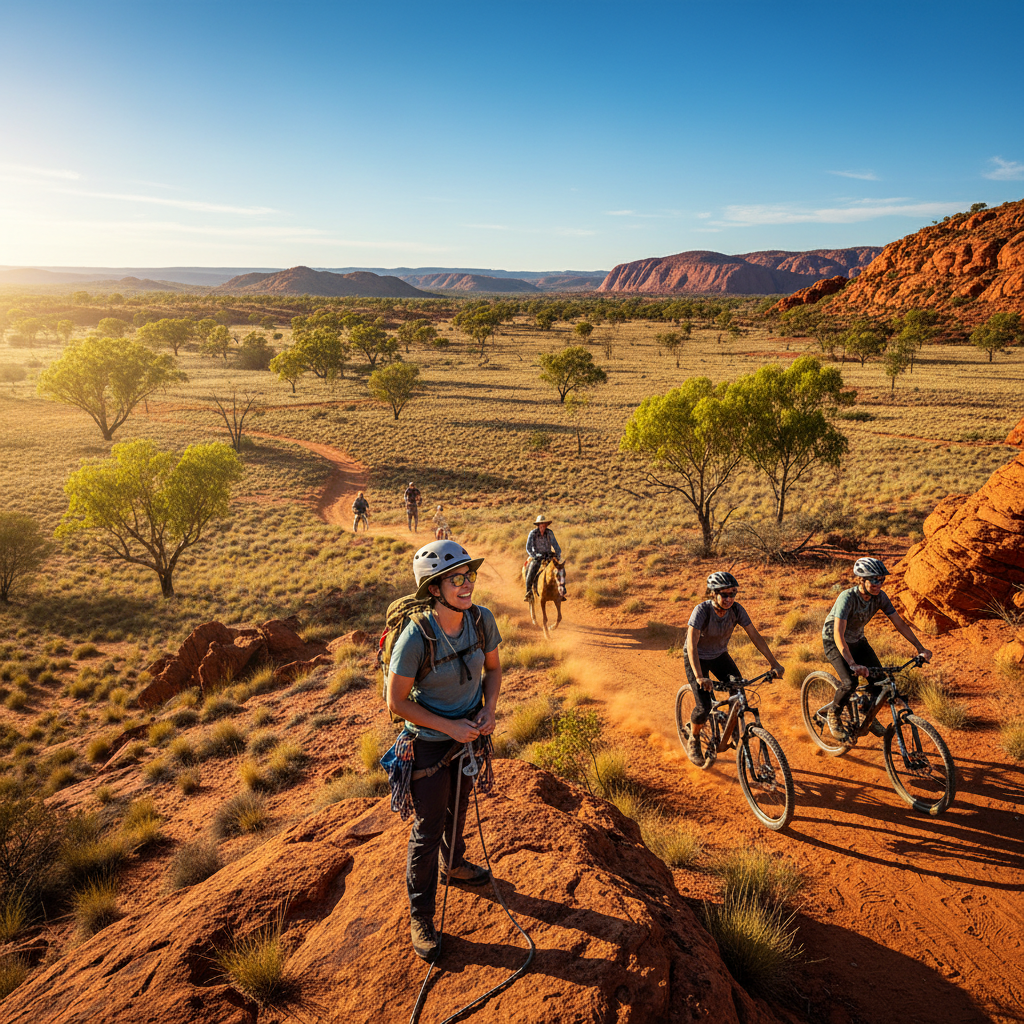
Sun Exposure: Desert vs. Alpine Climbing in Australia
As Australian climbers, we're spoiled for choice when it comes to diverse environments. From the searing heat of desert crags to the crisp air of alpine peaks, each presents its own set of challenges. But one constant, and potentially your biggest adversary, is the Australian sun.
We're not talking about a gentle kiss of warmth here. We're talking about intense, relentless UV radiation that can have you feeling like a cooked chook before you've even reached the crux. Understanding how sun exposure differs between desert and alpine climbing is crucial for staying safe and having a good time on the rock.
The Desert Grind: Where the Sun is King
Australian deserts aren't just hot; they're often vast, open expanses with little to no shade. Think of places like the Flinders Ranges, Watarrka National Park (Kings Canyon), or the remote outposts of Western Australia. Here's what you're up against:
Intense Direct Radiation: The sun beats down with full force. There's minimal atmospheric filtering, and very little in the way of natural shade. Days can be brutally long, especially during the warmer months.
High UV Index: Even on seemingly 'mild' days, the UV index in these arid regions can soar. You can burn quickly, even if you don't feel overly hot.
Reflected Glare: Sand, rock, and even light-coloured dust can reflect sunlight, increasing your overall exposure. This is especially problematic around your eyes and neck.
Dehydration and Heatstroke: While not directly UV exposure, the extreme heat associated with desert climbing exacerbates sun damage. Dehydration and heatstroke are serious risks that sunglasses and headwear help mitigate.
Extended Exposure: Desert climbing often involves long approaches, significant time spent belaying, and potentially multi-pitch ascents under the harsh sun. There are fewer opportunities to duck for cover.
The Alpine Ascent: Deceptive Dangers
Australia's alpine and sub-alpine regions – think the Snowy Mountains or Tasmania's highlands – offer a different, yet equally dangerous, sun experience.
Higher Altitude, Stronger UV: As you climb higher, the atmosphere thins. This means less protection from UV rays. Even on a cool day, the UV index can be significantly higher at altitude than at sea level. A UV index of 10+ is common in summer.
Reflective Snow and Ice (if present): While not as prevalent as in the grand ranges of the world, patches of snow or ice can dramatically increase UV exposure through reflection. Even damp rock can reflect more light than dry surfaces.
Cooler Temperatures Mask Danger: The biggest deception? It's often cooler. You might feel comfortable, leading you to underestimate the sun's power. This is where sunburn can sneak up on you, and you won't notice until it's too late.
Windburn and Sunburn Synergy: Wind can strip away the skin's natural moisture barrier, making it more susceptible to UV damage. The combined effect of wind and sun can be particularly harsh.
Variable Weather: Alpine environments can change rapidly. You might be basking in sun one minute and then dealing with cloud cover or even precipitation the next. This can create a false sense of security, only for the sun to blast through again.
The Helmet Brim: Your First Line of Defence
No matter where you're climbing in Australia, your helmet is your most critical piece of safety gear. But a standard climbing helmet often leaves your face, ears, and neck exposed to the sun. This is where a properly designed helmet brim, like Da Brim, becomes an absolute game-changer.
It's not just about keeping sweat out of your eyes. A good brim extends the protective coverage of your helmet, shielding more of your skin from harmful UV rays. Think of it as extending the shade provided by your helmet's structure.
Why a Helmet Brim is Non-Negotiable:
Face Shielding: Reduces direct UV exposure to your face, a common area for sunburn and long-term skin damage.
Neck Protection: Many brims extend far enough to offer crucial shade to the back of your neck, a spot often forgotten and easily burnt.
Eye Comfort: Reduces glare, making it easier to see your route and your belayer, especially in bright conditions.
Complementary to Other Gear: It works in tandem with sunscreen, hats worn under the helmet (if suitable), and sunglasses.
Practical Protection Strategies
Blasting the sun with UV is a serious issue. Here’s how to combat it, whether you're on a desert multi-pitch or a rocky alpine ridge in Australia.
Sunscreen is Your Friend (But Not Your Only Friend):
High SPF is Key: Aim for SPF 50+ and broad-spectrum protection (UVA/UVB).
Apply Generously and Often: Don't skimp. Reapply every two hours, or more frequently if sweating heavily or after swimming.
Don't Forget Exposed Areas: Ears, back of neck, tops of feet (if in sandals or low shoes), even lips!
Mineral Sunscreens: Often better tolerated by sensitive skin and can provide a physical barrier.
Hydration is Paramount:
Water, Water, Water: Carry more than you think you'll need, especially in the desert. Electrolyte drinks can also be beneficial.
Sip Regularly: Don't wait until you're thirsty. Thirst is a sign you're already dehydrated.
Consider Clothing:
UPF Rated Clothing: Look for apparel with a Ultraviolet Protection Factor (UPF) rating of 50+.
Lightweight and Breathable: Choose fabrics that wick moisture and keep you cool.
Long Sleeves and Pants: Even if it feels hot, covering up can be more effective than exposing your skin.
The Helmet and Brim Combo:
This is where you can significantly upgrade your protection. A helmet offers structural safety, but a brim offers direct sun management.
The Right Helmet: Ensure your helmet meets Australian safety standards. You can find suitable options in our Products section.
Attaching a Brim: If your current helmet doesn't have an integrated brim, consider adding one. Our Da Brim is designed to retrofit onto most standard climbing helmets. Check out our How to Install guide.
Helmet Fit: Always ensure your helmet fits properly and is worn correctly, with or without a brim.
Comparing Sun Exposure Risks: A Quick Look
| Location Type | Primary Sun Hazard | Key Considerations |
|---|---|---|
| Australian Desert | Intense direct radiation, high UV, reflective glare | Long days, minimal shade, heatstroke risk, dehydration |
| Australian Alpine | Higher UV at altitude, reflective surfaces, cool temps mask danger | Variable weather, wind combined with sun, potential snow/ice reflection |
Your Sun Protection Checklist
Before you head out on your next Australian climbing adventure, run through this quick checklist:
[ ] Helmet secured correctly.
[ ] Helmet brim attached and providing adequate coverage.
[ ] SPF 50+ sunscreen applied to all exposed skin (face, ears, neck, hands).
[ ] Sunglasses rated for UV protection.
[ ] Sufficient water and electrolytes.
[ ] Lightweight, UPF-rated clothing for extended sun exposure.
[ ] Lip balm with SPF.
Step-by-Step: Optimising Your Sun Protection
Let's break down how to stay shielded, from pre-climb prep to on-the-go adjustments.
Step 1: Pre-Climb Preparation (At Home/Camp)
Apply Sunscreen: Apply your high-SPF sunscreen generously at least 20 minutes before sun exposure. This allows it to properly bond with your skin.
Don Your Protective Gear: Put on your UPF clothing. Ensure your helmet is clean and ready. If using a separate brim, make sure it's securely attached.
Hydration Check: Fill your water bottles or hydration pack. Make sure you have enough for the entire outing, accounting for heat and exertion.
Step 2: On the Approach/Climb
Wear Your Helmet and Brim: Even on the approach, wear your helmet with the brim. You're exposed long before you reach the rock. The brim offers immediate facial and neck shading.
Sunglasses On: Especially important when traversing open, reflective terrain or when belaying.
Sip Water Consistently: Don't wait.
Step 3: During Belay/Rests
Reapply Sunscreen: This is a crucial window. Take the opportunity to reapply sunscreen to your face, neck, and any other exposed areas.
Check for Sunburn: Take a moment to feel your skin. Is it getting hot and tight? You might need to cover up more or seek shade if possible.
Stay Hydrated: Continue sipping water.
Step 4: Post-Climb
Gentle Skin Care: If you’ve been in the sun, apply a soothing moisturiser. If you suspect sunburn, use aloe vera or a dedicated after-sun lotion.
Replenish Fluids: Continue rehydrating.
Objections Handled
"It's too hot to wear long sleeves and a helmet." Actually, covering up with lightweight, breathable, UPF-rated fabric can be cooler than exposing your skin to direct sun. Heatstroke risk is higher than the slight discomfort of covering up. The helmet and brim combo protects your head and face more effectively.
"I only burn on the beach." This is a dangerous myth. Australian UV is potent everywhere, and the intensity at altitude or in open, arid environments is significant. You can get a nasty burn on a cool alpine day without even feeling the heat.
"Sunscreen is greasy and annoying." Yes, it can be, but the alternative is painful sunburn and long-term skin damage. Look for lighter, non-greasy formulations and consider mineral options. A good helmet brim also reduces the amount of sunscreen you need on your face and neck.
"My helmet is enough." A standard climbing helmet offers excellent impact protection but minimal sun coverage for your face, ears, and neck. Adding a brim dramatically increases your protection where it's needed most.
Conclusion
Whether you're scaling the sun-baked sandstone of the Outback or navigating the windswept ridges of the Australian Alps, sun protection is not an optional extra – it's a fundamental aspect of responsible climbing. Understanding the distinct challenges of each environment and implementing a comprehensive protection strategy, with your helmet and a quality brim at its core, will ensure you can focus on the climb, not the burn.
Don't let the sun dictate the end of your adventure. Stay informed, stay protected, and climb safe.
For more information on how to enhance your helmet's protective capabilities, check out our Products page and FAQ. Don't forget to browse our Blog for more climbing tips and safety advice.