
Sun Exposed: Desert vs. Alpine Climbing in Australia – Are You Protected?
Don't let your helmet fool you. Climbing in Australia's deserts and alpine regions presents unique sun exposure challenges. Learn how to stay safe and maximise your climbing adventures.
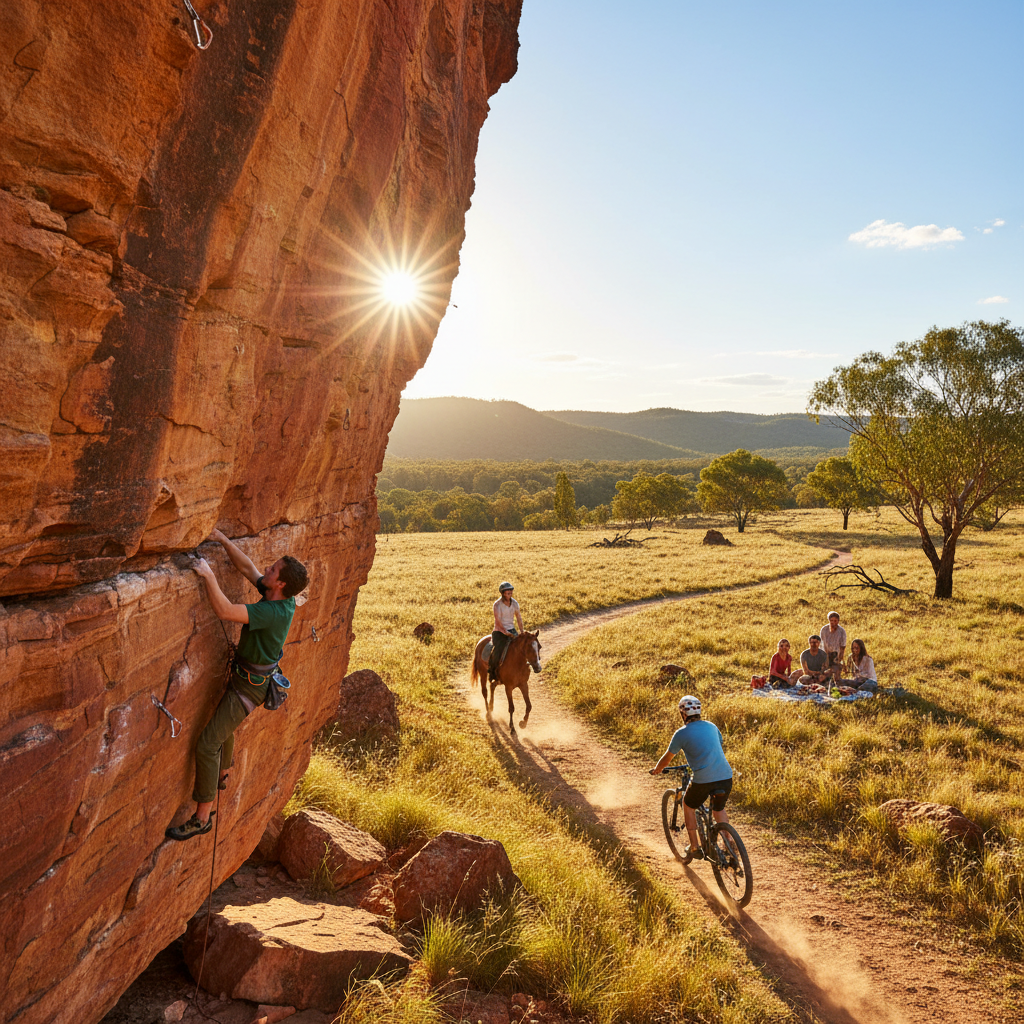
Sun Exposed: Desert vs. Alpine Climbing in Australia – Are You Protected?
You’ve got the helmet. Good. It’s your primary defence against rockfall and impacts. But what about the relentless Australian sun? Many climbers think their helmet is the be-all and end-all of protection on the rock. That's a dangerous assumption, especially when you’re venturing into diverse environments like our desert ranges or alpine zones. The sun doesn't discriminate. It’s a potent force everywhere, but the type and intensity of exposure can shift dramatically.
Let's cut the fluff: a helmet alone isn't enough. We're talking about extended periods under harsh UV radiation, regardless of whether you’re sweating it out on a desert sandstone tower or dealing with reflective snow at altitude. Your skin, eyes, and even your helmet liner are susceptible to damage.
The Brutal Truth: UV in Australia
Australia's UV index is famously high. Even on cloudy days, significant UV rays can penetrate. We're talking about UV levels that can cause sunburn in minutes, not hours, during peak summer. And those long climbing days? They just amplify the problem.
Think about it: you're often at your most exposed when actively climbing. Your helmet sits on your head, but your face, neck, and ears are largely unprotected by its shell. This is where specialised accessories designed to integrate with your helmet become crucial.
Desert Climbing: The Oven's Roar
Australian desert regions – think the Grampians, Flinders Ranges, or even parts of the Blue Mountains – present a unique sun hazard. It’s a combination of intense direct sunlight, high ambient temperatures, and often a lack of shade for extended periods. The rock itself can absorb and radiate heat, creating a sauna-like environment.
What to Expect:
Direct, Unfiltered Sunlight: Little atmospheric filtering means you’re getting the full blast.
Extreme Heat: Dehydration and heatstroke are as much a concern as sunburn.
Long Shadows, Short Relief: While canyons and overhangs offer temporary respite, much of the approach and climbing will be in the sun.
Reflective Surfaces: Aren't as common as in alpine settings, but the sand and rock can still contribute to reflected UV.
Objection Handling: “I just wear a hat and sunscreen.”
Hats fall off: In windy conditions or during dynamic moves, a traditional hat can easily be lost. Plus, many hats don't fit comfortably under a climbing helmet.
Sunscreen wears off: Sweat, friction from the helmet, and reapplication are constant issues. It's hard to get an even coat, especially on smaller, harder-to-reach areas like ears and the back of the neck. And let’s be honest, who remembers to reapply diligently every two hours when they’re focused on a crux move?
Helmet brim is too small: Standard helmet brims are designed for impact protection, not UV coverage. They offer minimal shade to your face and neck.
Alpine Climbing: The High-Altitude Glare
Australia’s alpine reaches – the Snowy Mountains, for instance – present a different, yet no less dangerous, sun exposure scenario. While temperatures might be cooler, the thin air at altitude significantly increases UV intensity. Added to this is the reflective power of snow and ice.
What to Expect:
Higher UV Intensity: Every 1000 metres of elevation gain increases UV radiation by about 10-15%. On even modest Australian alpine peaks, this is significant.
Increased Reflection: Snow and ice act like mirrors, bouncing UV rays back up at you. This means you're getting hit from above and below.
Rapid Temperature Fluctuations: You can go from freezing to sweating quickly, affecting sunscreen effectiveness and comfort.
Longer Twilight: While the sun might not feel as intensely hot as in the desert, the duration of UV exposure during dawn and dusk twilight can still be substantial.
Objection Handling: “It’s cold, so the sun isn’t a problem.”
UV knows no temperature: UV radiation is a different beast to heat. You can get a severe sunburn and long-term skin damage even when it’s freezing.
Reflected UV is sneaky: You might feel the cold, but the compounded UV from above and below is still frying your skin and eyes.
Eye damage is real: Snow blindness (photokeratitis) is a painful, temporary but potentially serious condition caused by overexposure to UV rays, often exacerbated by reflection from snow. Standard sunglasses under a helmet can fog up or slip. Specialised eye protection is vital.
The Common Enemy: Your Neck and Face
No matter the environment, your face, ears, and the back of your neck are the prime targets for cumulative sun damage. These are the areas where skin cancer rates are highest, and prolonged exposure accelerates ageing and increases the risk of melanoma.
Your helmet provides a small brim, but it's rarely sufficient. Climbing often involves looking up, exposing the underside of your chin and neck. When you're belaying, your face is often directly exposed for long periods. Even on descents, you can clock up significant UV exposure.
Protecting Yourself: Beyond the Standard Helmet
This is where practical, integrated solutions come in. Relying solely on sunscreen and a standard helmet is like bringing a knife to a gunfight when it comes to sun protection on extended climbs.
Your Helmet's Unsung Hero: The Brim
A well-designed helmet brim accessory is your first line of defence. It’s not just about blocking sunlight; it’s about strategically shading the critical areas of your face and neck.
Imagine this: You're on a multi-pitch desert climb. The sun is beating down. You look up, and your helmet brim, extended further than the helmet's own, shades your eyebrows, nose, and cheeks from direct overhead rays. When you're looking down to clip, it still offers some protection to your jawline. In the alpine, it helps reduce glare from that reflective snow.
Key Benefits of an Extended Helmet Brim:
Enhanced Facial Shade: Significantly increases the shaded area around your eyes, nose, and cheeks.
Neck Protection: Many designs extend low enough to shade the back of your neck, a common burn area.
Reduced Glare: Helps cut down on ambient light and glare, improving comfort and visibility.
Integrated Solution: Attaches securely to your existing helmet, designed to work with it, not against it.
Let’s address some common objections to using such accessories:
“Will it fit my helmet?” Reliable accessories are designed with universal attachment systems or are helmet-specific. Check the product details. Our Products page lists compatible helmets and attachment methods.
“Won’t it fall off?” Quality products use secure locking mechanisms. Proper installation is key. You can find detailed instructions on our How to Install page.
“Is it comfortable?” When properly fitted, they are lightweight and designed not to interfere with your helmet's core function or comfort. The added shade often increases comfort by reducing heat and glare.
“Isn’t it just more gear to carry?” Think of it as essential safety equipment, like your harness or ropes. The benefit to your health and comfort far outweighs the minimal weight and space.
Sun Protection Checklist for Australian Climbers
Here’s a straightforward checklist to ensure you’re not getting cooked:
[ ] Extended Helmet Brim: Your primary, integrated sunshade. (Products)
[ ] High SPF Sunscreen: For exposed skin not covered by brim or clothing. Apply liberally and reapply.
[ ] Lip Balm with SPF: Lips are highly susceptible to sunburn and cracking.
[ ] Sunglasses: Wear under your helmet, especially in alpine conditions. Ensure a snug fit.
[ ] UPF Clothing: Sun-protective long sleeves and pants are a must for long approaches or descents.
[ ] Wide-Brimmed Hat (for approaches/descents): Consider carrying one that can be stowed when climbing.
- [ ] Hydration: Crucial for preventing heatstroke in desert environments. (FAQ often has tips on staying hydrated).
Step-by-Step: Installing Your Extended Helmet Brim
Getting your helmet accessory fitted correctly is crucial for its effectiveness and your safety. It’s usually a simple process.
1. Identify Attachment Points: Locate the designated slots or points on your climbing helmet where the brim will attach. These are often at the front and sometimes on the sides.
2. Align the Brim: Position the extended brim over these attachment points.
3. Secure the Fasteners: Most accessories use clips, screws, or a tensioning system. Push the clips firmly into place, or tighten any screws or straps until the brim is snug and stable.
4. Test for Stability: Gently tug on the brim in different directions. It should feel secure and not wobble or detach.
5. Check Fit with Helmet: Ensure the brim doesn't interfere with the helmet's suspension system or straps. It should sit flush against the helmet shell where it attaches.
For specific instructions for your model, always refer to the manufacturer’s guide and our How to Install guide.
Conclusion: Don't Underestimate the Sun
Whether you're ticking off desert cracks or tackling alpine ridges, the Australian sun demands respect. Your helmet is a critical piece of safety gear, but it’s only one part of the equation. An extended helmet brim transforms your helmet from just a head protector into a more comprehensive sun-shielding system.
Don't let a nasty sunburn or, worse, long-term skin damage, cut your climbing adventures short. Invest in practical, integrated sun protection. Explore our range of Products and get yourself protected. For more general climbing safety tips, head over to our Blog.