
Sun and Heat Management for Aussie Cyclists: What the Pros Do
Pro cyclists are elite athletes, but their strategies for managing intense Australian sun and heat are practical for everyone. Learn how to stay safe and comfortable on your bike.
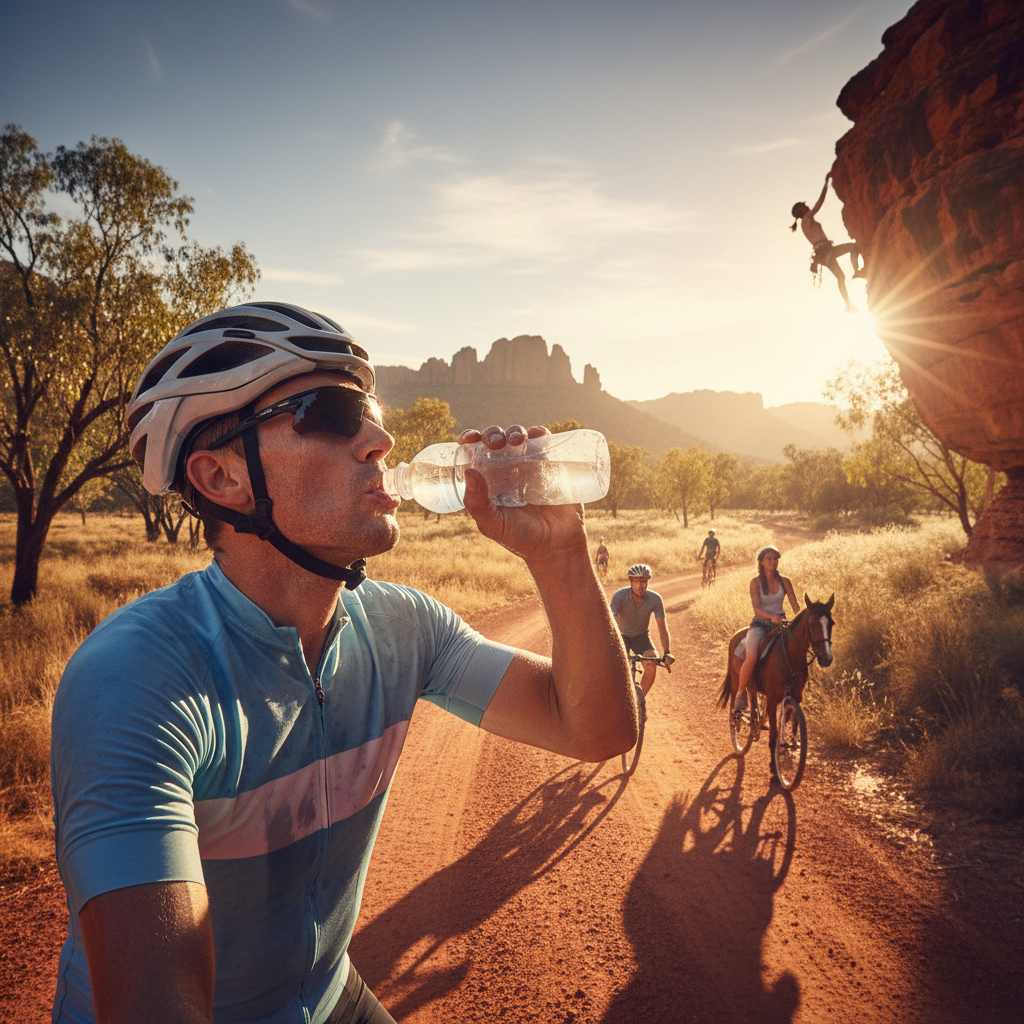
Sun and Heat Management for Aussie Cyclists: What the Pros Do
Australia. Beautiful, vast, and often, blindingly sunny and scorching hot. For cyclists, whether you're a weekend warrior or a seasoned competitor, dealing with the relentless Australian sun and heat is not just a matter of comfort, it's a critical safety concern. Pro cyclists, the very pinnacle of the sport, have refined strategies over years of intense training and racing under the harshest conditions. While we might not be chasing Grand Tour glory, their methods are incredibly practical and adaptable for any rider looking to beat the heat and protect themselves from harmful UV rays.
This isn't about fancy gadgets or miracle cures. It's about smart, consistent practice. Let's break down what the professionals do, and how you can apply it to your own rides.
The Core Challenges: Sun and Heat
When you're out on your bike, you're exposed. Unlike a car, there's no passive protection. This means:
UV Radiation: Even on cloudy days, UV rays can penetrate. High UV days in Australia, common during daylight hours for much of the year, significantly increase the risk of sunburn, premature skin aging, and skin cancer. Your head and face are particularly vulnerable, especially the ears and neck.
Heat Stress: Your body works hard when cycling, generating a lot of heat. In hot Australian conditions, your body's ability to dissipate this heat is compromised. This can lead to dehydration, heat exhaustion, and in severe cases, heatstroke.
Dehydration: Sweat is your body's natural cooling mechanism, but it causes fluid loss. Maintaining adequate hydration is paramount.
Reduced Performance: Heat and sun exposure can significantly impair your concentration, energy levels, and overall physical performance. You’ll feel sluggish, your judgment can be affected, and your desire to ride can dwindle.
What Pro Cyclists Do: Mimicking Their Strategies
Pro cyclists are essentially human heat machines. They train in all conditions, so they’ve learned to manage. Here's a look at their toolkit:
1. Strategic Timing: Riding Smart
This is the simplest and most effective strategy. Pros avoid the absolute peak of the sun's intensity whenever possible. This means early morning or late afternoon rides. While chasing the sunrise isn't always feasible for the average rider, even shifting your ride to avoid the midday sun (roughly 10 am to 3 pm) makes a massive difference.
Objection Handling: "But I only have a lunch break to ride!" Even a shorter ride during peak hours is better than none, but consciously apply other strategies (hydration, sun protection) even more diligently. Or, consider shorter, more intense indoor sessions on the hottest days if your focus is fitness.
2. Hydration: The Lifeline
This isn't just about chugging water. It's a science for pros. They start hydrating before the ride and continue after.
Pre-hydration: Drink plenty of fluids in the hours leading up to your ride. Water is key, but electrolyte drinks can also be beneficial, especially for longer rides.
During the Ride: Consistently sip from your bottles. Don't wait until you're thirsty – thirst is a late indicator of dehydration. Aim for regular, small amounts.
Electrolytes: For rides longer than an hour, or in extreme heat, sweat contains more than just water; it contains salts and minerals. Replenishing these electrolytes (sodium, potassium, magnesium) is crucial to prevent cramps and maintain fluid balance. Most sports drinks contain these, but electrolyte tablets or powders are also effective.
Post-hydration: Continue to drink fluids after your ride to fully rehydrate.
Practical Tip: Keep your bottles accessible. If they're hard to reach, you're less likely to drink. Ensure your bottles are clean and filled with cool (but not ice-cold, which can shock your system) water or your preferred sports drink.
3. Sun Protection: Beyond the Slap
Pros understand that UV protection is non-negotiable. While they might not always wear a full cowboy hat on the bike (though some innovative solutions exist!), they take their head and face protection seriously.
Sunscreen: High SPF, broad-spectrum sunscreen is applied generously to all exposed skin. Ears, neck, and the back of the hands are often overlooked but receive significant sun.
Sun-Protective Clothing: Lightweight, light-coloured, and UPF-rated clothing can make a huge difference in reflecting sun and keeping you cooler. Arm sleeves and leg warmers designed for sun protection are common.
Peak Protection: This is where innovative helmet accessories shine. Pros often use lightweight caps under their helmets, and increasingly, they are favouring helmets with integrated or attachable brims. A helmet brim is designed to:
Shield Eyes: It significantly reduces glare and direct sunlight hitting your eyes, improving vision and reducing fatigue.
Shade Face and Neck: It provides shade for your face, especially across the forehead and cheeks, and can help direct sweat away from your eyes. Extended brims can also offer some protection to the ears and upper neck.
Improve Comfort: Less direct sun on your face makes the ride more comfortable.
Pros are looking for solutions that are lightweight, aerodynamic (where possible), and don't compromise their helmet's safety or ventilation. This is precisely why we developed DA BRIM, a helmet brim designed to clip onto most helmets, offering superior sun protection without the bulk. You can learn more about Products and how our brims attach on our How to Install page.
4. Cooling Strategies: Staying Chill
Beyond hydration, pros employ active cooling techniques:
Pouring Water: In extreme heat, they often pour water over their heads, necks, and wrists to help lower body temperature through evaporation.
Ice Vests/Towels: For pre-race or critical moments, specialised ice vests or towels can be used to rapidly cool the body. This is less practical for everyday rides, but the principle of cooling key pulse points (wrists, neck) is universal.
Ventilation: Choosing well-ventilated helmets is crucial. Pros wear helmets designed to maximise airflow. While DA BRIM offers shade, it's designed to work in conjunction with helmet vents, not block them.
5. Nutrition: Fueling for Endurance
Proper nutrition supports hydration and energy levels. Pros focus on easily digestible carbohydrates for energy and electrolytes lost through sweat.
Salty Snacks: Pretzels, salted nuts, or even electrolyte chews can help replace sodium.
Balanced Meals: Ensure your pre-ride meal is balanced and doesn't sit too heavily in your stomach.
Applying Pro Strategies to Your Ride: A Practical Checklist
Here’s how you can adapt these pro tactics for your everyday Australian cycling life:
Plan your ride time: Aim to ride in the cooler parts of the day (early morning, late afternoon).
Hydrate proactively: Drink water consistently leading up to, during, and after your ride.
Electrolytes for longer rides: Use sports drinks or electrolyte supplements for rides over an hour, especially in the heat.
Wear sunscreen: Apply high SPF, broad-spectrum sunscreen to all exposed skin, reapplying if necessary.
Utilise sun-protective gear: Consider light-coloured, UPF-rated clothing and, importantly, a helmet brim for your face and eyes, like DA BRIM (Products).
Utilise helmet ventilation: Ensure your helmet allows for good airflow.
Cooling off: If you're overheating, pour a little water on your head and neck.
Listen to your body: Don't push through extreme heat exhaustion. Know the signs.
Heat and Sun Management: Quick Reference Table
| Strategy | Pro Approach | Your Adaptation |
|---|---|---|
| Timing | Avoid peak sun (early morning/late afternoon) | Shift ride times, even by 30 mins, to avoid midday sun |
| Hydration | Pre-, during, post-ride; electrolytes | Sip regularly; use electrolytes for rides >1 hour |
| Sun Protection | SPF, UPF clothing, eye/face shade | Sunscreen; consider a helmet brim like DA BRIM |
| Cooling | Pouring water, ice towels | Pour cool water on head/neck if needed |
| Nutrition | Carbs, electrolytes | Balanced meals; salty snacks for longer rides |
Step-by-Step: Preparing for a Hot Aussie Ride
Let's make it simple. Before you even think about hitting the road in the Australian sun:
1. Check the Forecast & UV Index:
Know what you're up against. A high UV index means maximum protection is needed.
2. Pre-Hydrate:
Start drinking water at least 1-2 hours before your ride. Aim for clear urine – a good indicator of hydration.
3. Apply Sunscreen:
Generously apply sunscreen (SPF 30+ minimum, ideally 50+) to your face, neck, ears, and any other exposed skin. Do this before you get dressed so you don't miss spots.
4. Gear Up Smart:
Wear light colours and breathable fabrics.
If you have one, attach your helmet brim (Products). Ensure it's secure.
Put on your helmet.
- Fill your water bottles with cool water and/or electrolyte mix.
5. Perform a Quick Check:
Can you easily reach your water bottles? Is your helmet brim positioned correctly to shade your eyes?
Don't Overlook Your Helmet!
Your helmet is your most important piece of safety equipment. But it can also be a point of significant heat build-up and sun exposure to your scalp and face. Enhancing your helmet with a brim like DA BRIM addresses the sun's glare and direct heat on your face and eyes without compromising the helmet’s primary function or ventilation. It’s a simple, effective upgrade that mimics the edge enjoyed by pro cyclists who often have custom-fitted equipment.
Objection Handling: "Does a brim affect aerodynamics?" For the vast majority of recreational and commuting cyclists, the aerodynamic impact is negligible compared to the comfort and safety benefits. Pros are in a different league where tiny gains matter; for us, shade and clear vision are paramount. Plus, DA BRIM is designed for minimal drag. Check our FAQ for more.
Stay Safe, Stay Cool, Keep Riding
Australia’s cycling conditions can be challenging, but with a little smart planning and by adopting strategies used by the pros, you can ride safely and comfortably, even on the hottest, brightest days. Prioritising sun protection and heat management means you can enjoy your rides for longer and reduce the long-term risks associated with sun exposure.
Remember, consistent application of these principles is key. For more insights and product information, explore our Products section and our Blog for ongoing tips.
Happy riding!