
Stop Sunburn: What To Look For In A Helmet Sun Protection Accessory
Australian sun is brutal. Don't let it fry your neck and face during your next ride. Learn what to look for in a helmet sun protection accessory.
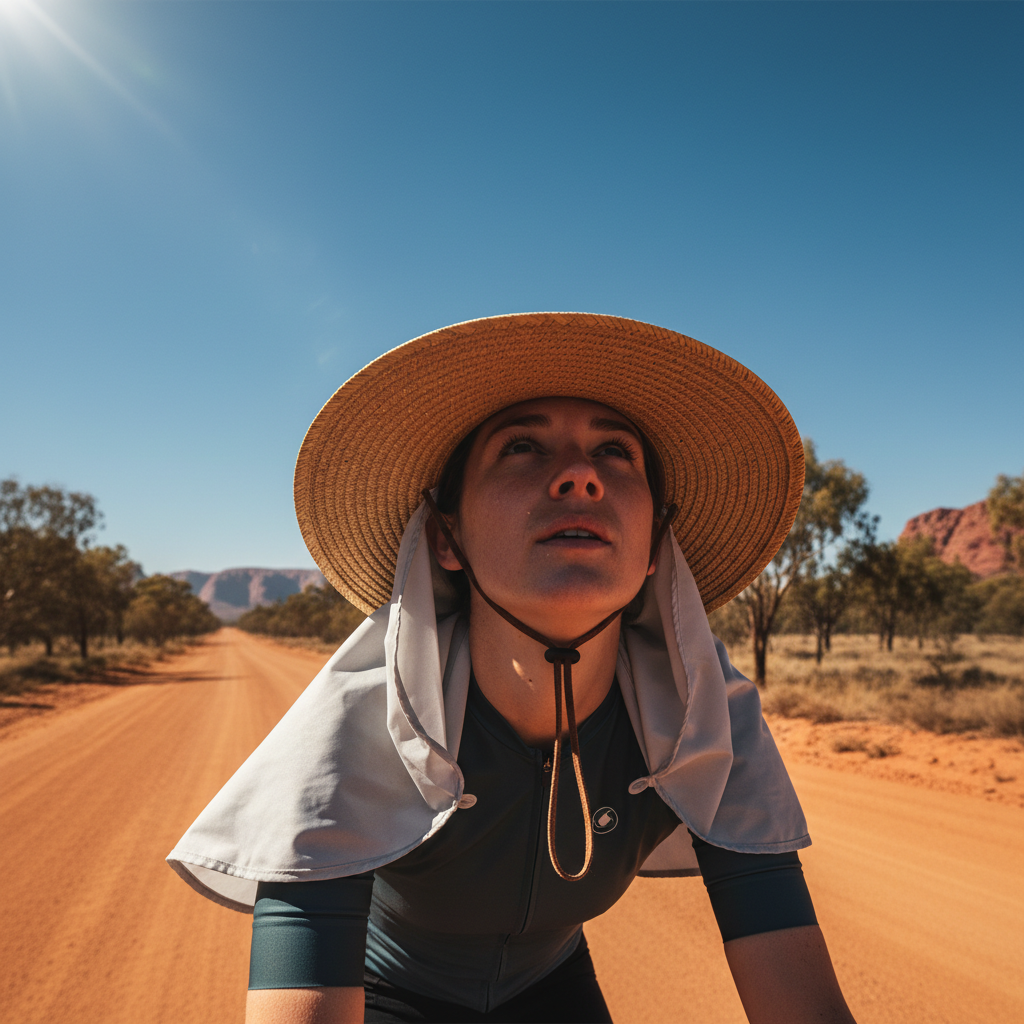
Stop Sunburn: What To Look For In A Helmet Sun Protection Accessory
Let's cut to the chase. If you spend any time outdoors in Australia, you know the sun isn't messing around. We’re talking serious UV radiation, even on cloudy days. And if you wear a helmet for work or recreation – think construction, cycling, motorcycling, even gardening – your neck, ears, and face are often exposed to the full brunt of it. Regular sunscreen washes off, hats don’t fit under helmets, and the result? Painful sunburn, increased skin cancer risk, and premature aging. You need proper protection.
But not all helmet sun protection accessories are created equal. You’re probably looking for something practical that actually works without getting in your way. This guide will tell you exactly what to look for to make sure you're getting the best bang for your buck and, more importantly, the best protection.
Why You Need Dedicated Helmet Sun Protection
Australia has some of the highest UV levels in the world. The UV Index can regularly hit extreme levels, especially during summer. Spending hours under that kind of radiation without adequate protection is a ticking time bomb for your skin. Here’s why generic solutions fail:
Sunscreen Limitations: It's a pain to reapply frequently, especially when you're working hard or out for a long ride. Sweat and activity can easily wipe it off. Plus, you might miss spots or not apply enough.
Hats Under Helmets? Forget It: Standard hats (like wide-brimmed ones) won't fit under most helmets, creating an unsafe and uncomfortable fit. Baseball caps offer minimal coverage and are impractical under a hard hat.
Limited Neck Coverage: Many helmets leave your entire neck exposed. This is a hotspot for sunburn and skin cancer. Think about those long days in the saddle or on a job site – that's a lot of cumulative sun exposure.
This is where a dedicated helmet sun protection accessory comes in. It’s designed to integrate seamlessly with your helmet to provide targeted, reliable shade.
Key Features to Consider in a Helmet Sun Protection Accessory
When you're shopping for a solution, don't get distracted by fancy designs or unproven claims. Focus on these practical, crucial features:
1. Coverage Area: How Much Sun Are You Blocking?
This is paramount. A good accessory will extend beyond the brim of your helmet to provide shade for:
Your Face: Primarily your nose, cheeks, and forehead. Look for something that casts a shadow over these areas.
Your Ears: These are often forgotten but are highly susceptible to sunburn and skin cancer.
Your Neck: This is arguably the most critical area for prolonged exposure. You want something that drapes down the back of your neck, offering substantial coverage.
Objection Handling: "Does it get in my way?" A well-designed accessory should be shaped to avoid obstructing your vision or interfering with your helmet's primary function. If it’s stiff and floppy, it's doing it wrong.
2. Material and Durability: Will It Last?
Australian conditions are harsh. Think intense sun, sweat, dirt, and general wear and tear. Your accessory needs to withstand this.
UV Resistance: The material itself should be UV-resistant to prevent it from degrading or losing its protective qualities over time. A darker, tightly woven fabric is usually better.
Water/Sweat Wicking: You'll be sweating. The material should ideally wick moisture away to keep you cooler and prevent that sticky, uncomfortable feeling. Quick-drying is a bonus.
Tear Resistance: It shouldn't rip easily when snagged on something. Look for durable stitching and robust fabrics.
Objection Handling: "Is it just a piece of cloth?" No, it's a specialised piece of gear. Quality materials make a huge difference in comfort and longevity. Cheap alternatives will likely fade, tear, and offer less effective protection.
3. Attachment System: Secure and Easy
This accessory needs to stay put. A flimsy attachment means it could fall off, rendering it useless and potentially creating a hazard if it gets caught on something.
Secure Fit: It should attach firmly to your helmet, whether through clips, Velcro, or a specific slot. It shouldn't wobble or shift during activity.
Ease of Installation/Removal: You should be able to attach and detach it easily without tools. This is especially important if you use multiple helmets or need to clean it.
Helmet Compatibility: Does it fit your helmet? Some accessories are universal, while others are designed for specific helmet types (e.g., construction hard hats vs. cycling helmets). Check compatibility before buying.
Objection Handling: "Will it damage my helmet?" Reputable accessories use attachment methods that are designed not to compromise the integrity or finish of your helmet.
4. Ventilation and Breathability: Don't Cook Yourself
While coverage is key, you also don’t want to turn your head into an oven. Especially in Australian heat, ventilation is crucial.
Airflow: Look for designs that allow air to circulate. Mesh panels or strategic cut-outs can help. Some accessories are designed to allow for existing helmet vents to still function effectively.
Lightweight Feel: The accessory shouldn’t add significant bulk or weight, making your helmet feel cumbersome.
Objection Handling: "Won't it make me hotter?" A good design balances protection with breathability. Overheating is a real risk, so this is a factor to weigh carefully. Look for features that actively promote airflow.
5. Versatility: Can It Be Used For More Than One Thing?
Think about your different activities. Can the accessory be used across various helmets or for different types of sun exposure?
Adaptability: If you switch between cycling and hiking, or have different work helmets, a versatile option is beneficial.
Portability: Can you easily pack it away when not in use?
Objection Handling: "Is it a one-trick pony?" While specialised protection is good, if you can get a quality accessory that serves multiple purposes, it's a win.
Quick Checklist for Choosing Your Helmet Sun Protection
Use this to quickly assess potential products:
[ ] Maximum Coverage: Does it cover face, ears, and neck effectively?
[ ] Durable Material: Is it UV-resistant, sweat-wicking, and tear-resistant?
[ ] Secure Attachment: Will it stay firmly attached without damaging the helmet?
[ ] Easy to Use: Can you install/remove it easily?
[ ] Good Ventilation: Does it allow for airflow to prevent overheating?
[ ] Comfort: Is it lightweight and unobtrusive?
[ ] Helmet Compatibility: Will it fit your specific helmet model?
[ ] Australian Conditions: Is it built to handle intense sun and heat?
Case Study: What to Look for in Action
Imagine you're a builder working on a hot, sunny construction site in Queensland. Your helmet is mandatory, but the sun beats down relentlessly. You need something that:
1. Protects your entire neck: This is crucial for minimising burn risk during long, active days.
2. Doesn't block your vision: You need to see what you’re doing safely.
3. Stays put: It won't fly off when you look up or move quickly.
4. Breathes: You're already hot; it shouldn't make it unbearable.
A simple fabric shield that clips securely onto the top and back of your hard hat, designed with a wide, draped rear section and a forward brim extension, fits the bill. Materials that are lightweight and breathable, with UV-rated fabric, are ideal. Ease of installation means you can take it off for breaks or if conditions change.
Now, consider a cyclist hitting the trails in Western Australia during summer. The sun is fierce, the days are long, and you're working hard. You need:
1. Face and ear shade: To prevent painful burns that can ruin your ride.
2. Lightweight design: You don't want extra weight or drag.
3. Secure fit: It must stay attached even on bumpy terrain.
A clip-on brim extension that attaches to the front of your cycling helmet, designed to specifically extend the peak and provide shade for your face and neck, would be suitable. Look for one made from a tough, UV-resistant material that doesn’t impede helmet vents.
Where to Find Quality Helmet Sun Protection
Don't waste time and money on ineffective solutions. Investing in a purpose-built accessory is the smartest move. We recommend looking for products designed specifically for helmets that prioritise robust attachment, extensive coverage, and durable, breathable materials. You can explore practical, Australian-designed options that are built for our conditions.
When you're ready to stop reapplying sunscreen and start enjoying your time outdoors with reliable protection, check out our range of helmet brim accessories. They are designed to offer maximum sun protection without compromising on comfort or safety. See our Products for solutions tailored to various helmet types.
Installation and Care
Getting the most out of your accessory involves proper installation and care. It’s usually straightforward:
Step-by-Step Installation Guide (General):
1. Identify Attachment Points: Locate the designated clips, slots, or Velcro areas on your helmet and the accessory.
2. Align the Accessory: Position the accessory correctly on your helmet, ensuring it’s oriented for maximum sun coverage.
3. Secure the Attachment: Firmly attach the accessory according to its design. Ensure it feels snug and stable.
4. Test the Fit: Gently try to wiggle the accessory to confirm it’s securely fastened.
Most quality accessories are designed for simple, tool-free installation. For specific instructions tailored to our products, please refer to our How to Install guide.
Care Tips:
Washing: Hand wash with mild soap and cool water. Allow to air dry completely, out of direct sunlight to prevent fading.
Storage: Store flat or rolled loosely when not in use to maintain its shape.
Still Have Questions?
Choosing the right sun protection accessory can feel overwhelming with so many options (and often, so many bad ones) out there. If you're unsure about what will best suit your helmet or your specific needs, don't hesitate to get in touch. We deal with the Australian sun every day and understand the importance of effective, practical solutions.
Visit our FAQ page for answers to common questions, or browse our Blog for more tips on staying sun-safe while enjoying the outdoors.
Don't let the harsh Australian sun dictate your comfort and well-being. Invest in smart, effective sun protection for your helmet and keep yourself covered.