
Stop Sunburn: What to Look For in a Helmet Sun Protection Accessory
Don't let the Australian sun beat you. Find the right helmet sun protection accessory to shield your face, neck, and ears. Practical advice for all helmet wearers.
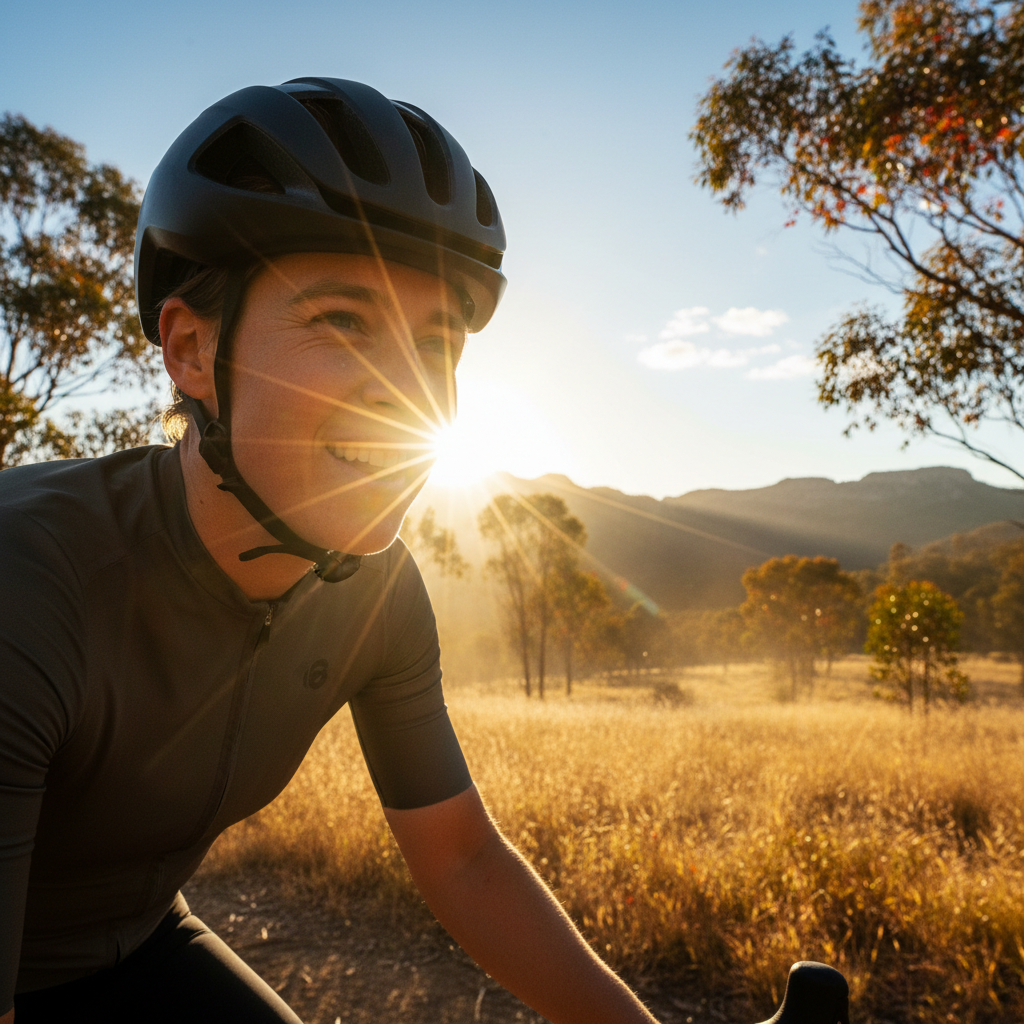
Don't Fry Your Face: What to Look For in a Helmet Sun Protection Accessory
Australia. Beautiful one day, sunburnt the next. We love our outdoor lifestyle, whether it's cycling, construction, farming, or just enjoying the coast. But that glorious Australian sun comes with a serious UV warning. Your helmet protects your head from impacts, but what about the delicate skin on your face, neck, and ears? Neglect this, and you're looking at premature ageing, painful sunburn, and an increased risk of skin cancer.
This isn't about fancy fashion; it's about practical sun protection that works with your existing helmet. You need something effective, durable, and easy to use. Let's cut to the chase and figure out what makes a good helmet sun protection accessory.
The Problem: Your Helmet Isn't Enough
Think about it. Most helmets, especially work helmets and many sports helmets, offer minimal sun coverage. The brims are often too short, angled incorrectly, or non-existent. This leaves your:
Face: Forehead, cheeks, nose, and chin are constantly exposed.
Ears: The sides of your head and your ears can easily get burnt.
Neck: The back of your neck is a prime spot for sunburn, especially on long days.
And let's not forget the Australian UV index. It can be high even on cloudy days, and the sun's rays reflect off surfaces, intensifying the exposure. Long days outdoors mean prolonged, relentless UV assault.
What Makes a Good Helmet Sun Protection Accessory?
Not all add-ons are created equal. Here's what you absolutely need to consider:
1. Coverage Area & Effectiveness: This is the most crucial factor. Does it actually block the sun from hitting the areas you need protected? Look for:
Wide Brim: A genuinely wide brim is essential. It needs to extend far enough forward to shade your eyes and face, and ideally, it should wrap around to cover your ears and the back of your neck.
UV Protection Rating: Some accessories might have a UPF (Ultraviolet Protection Factor) rating. While not as common for helmet accessories themselves, the material should be inherently UV resistant.
Shadow Casting: Does it create a significant shadow? A flimsy piece of plastic won't do much. You need substantial material that casts a good, dark shadow.
2. Durability & Material: You're going to be out in the elements. Heat, sweat, dust, maybe even a bit of rain. This thing needs to last.
Flexible yet Sturdy: A good material will be flexible enough not to crack or break easily, but sturdy enough to hold its shape and provide consistent coverage. Think high-quality, UV-resistant polymers or treated fabrics.
Heat Resistance: Will it warp or degrade in the scorching Aussie heat? This is a common issue with cheap plastic accessories.
Washability: You'll sweat in it. It'll get dirty. Can you easily clean it without damaging it?
3. Attachment System: How does it connect to your helmet? This needs to be secure and reliable.
Secure Fit: It shouldn't easily detach or shift, especially when you're moving around or working.
Helmet Compatibility: Does it fit your helmet? Most accessories have universal attachment points, but it's worth checking.
Ease of Installation & Removal: Is it a fiddle to put on and take off? You want something straightforward, especially if you plan to switch between sun protection and just a plain helmet.
4. Comfort & Practicality: A sun shield shouldn't make you more uncomfortable or hinder your work/activity.
Lightweight: You don't want to add unnecessary weight to your helmet.
Ventilation: Does it impede airflow, making you hotter? Some designs are better than others at allowing air to circulate.
Visibility: Does it obstruct your peripheral vision in a way that's unsafe for your activity?
5. Australian Conditions Specifics: Let's be honest, our sun is brutal.
Long Days: Many jobs and activities in Australia run long. Your sun protection needs to last all day without becoming unbearable.
High UV Index: You need robust protection, not just a token gesture.
Heat: Accessories must withstand extreme temperatures common across many parts of Australia.
Objection Handling: Common Concerns Addressed
“It'll just fall off.”
This is a legitimate concern. Look for accessories with robust, secure attachment mechanisms designed specifically for helmets. Reviews can often highlight which products stay put and which ones don't. A good design will use multiple points of contact or a strong clamping system.
“It'll make my helmet too hot.”
Some accessories can indeed trap heat. Innovative designs use breathable materials or strategically placed vents. The key is the balance between coverage and allowing airflow. A shaded head is often cooler than an unsheltered one, even with a bit less airflow.
“It’ll break easily.”
Cheapo plastic accessories are a false economy. Invest in something made from high-quality, flexible, UV-resistant materials. These can often absorb more punishment and last much longer.
“It’s ugly/looks silly.”
Let’s be blunt: your skin health is more important than vanity. However, practical sun protection doesn't have to be unsightly. Many modern accessories are designed for function first, but some are sleeker than others. Functionality is king here.
“It’s expensive.”
Compare the cost of a good sun protection accessory against the cost of treating sun damage, skin cancer, or simply the discomfort and lost productivity from sunburn. It's an investment in your health and comfort.
What To Look For: A Quick Checklist
[ ] Wide brim for maximum shade (face, ears, neck)
[ ] Durable, UV-resistant, and heat-tolerant material
[ ] Secure and reliable attachment system for your helmet
[ ] Lightweight design
[ ] Does not significantly obstruct vision or ventilation
[ ] Easy to install, remove, and clean
[ ] Proven effectiveness in real-world conditions
Example: A Practical Solution
Consider a product like the Da Brim. It's designed specifically to address these issues. It features:
A significantly wider and longer brim than standard helmet designs, offering excellent shade for the face, ears, and neck.
A flexible yet rigid construction made from durable materials that can withstand heat and outdoor use.
A robust attachment system that clips onto the rim of many standard helmets, providing a secure fit.
A lightweight profile that doesn't add excessive bulk.
Its design prioritises maximum sun coverage without being overly cumbersome. You can learn more about how to ensure a proper fit and attachment over at our How to Install guide.
Key Features Compared
Here's a simplified look at common types of helmet sun protection:
| Feature | Standard Helmet Brim | Basic Sun Shield Attachment | Advanced Helmet Brim Accessory (e.g., Da Brim) |
|---|---|---|---|
| Face Coverage | Low | Moderate | High |
| Ear Coverage | None | Low | Moderate to High |
| Neck Coverage | None | Low | Moderate to High |
| Durability | Varies (Helmet) | Low to Moderate | High |
| Attachment Security | N/A | Varies (often weak) | High |
| Heat Management | Good (Ventilation) | Can trap heat | Good (Balance of coverage/airflow) |
| UV Protection | Limited | Limited (Material dependent) | High (Coverage area) |
Step-by-Step: Choosing Your Accessory
1. Identify Your Helmet Type: What kind of helmet do you use daily? Construction hard hat, cycling helmet, motorcycle helmet, agricultural helmet? The attachment method will vary.
2. Assess Your Exposure: How long are you typically outdoors? What time of day is your peak exposure? Do you work in direct sun all day?
3. Prioritise Coverage: What areas are most vulnerable for you? If it's your whole face and neck, you need a wide, wraparound design.
4. Read Reviews: See what other people in similar conditions are saying about the product's durability, fit, and sun-blocking capabilities.
5. Check Compatibility: Ensure the accessory is designed to fit your* specific helmet type or has universal fittings that are known to work.
6. Consider Material Quality: Avoid flimsy, generic options. Look for robust, UV-resistant materials.
Final Thoughts
Don't underestimate the cumulative damage from UV exposure, especially in Australia. Your helmet is a vital safety device for impact protection, but it's incomplete without adequate sun protection. Investing in a quality helmet sun protection accessory isn't a luxury; it's a fundamental part of staying safe and healthy outdoors for the long haul.
Explore our range of Products designed to extend your helmet's protection. If you have questions about installation or compatibility, our FAQ is a great resource, and our Blog has more tips for navigating the Australian sun.
Stay protected. Stay visible. Stay safe.