
Stop Sunburn on Long Rides: Your No-Nonsense Australian Guide
Don't let Australian sun ruin your long cycling rides. Learn practical ways to prevent sunburn on your face and neck, even on the hottest days. We cover everything from helmet choice to sun protection strategies.
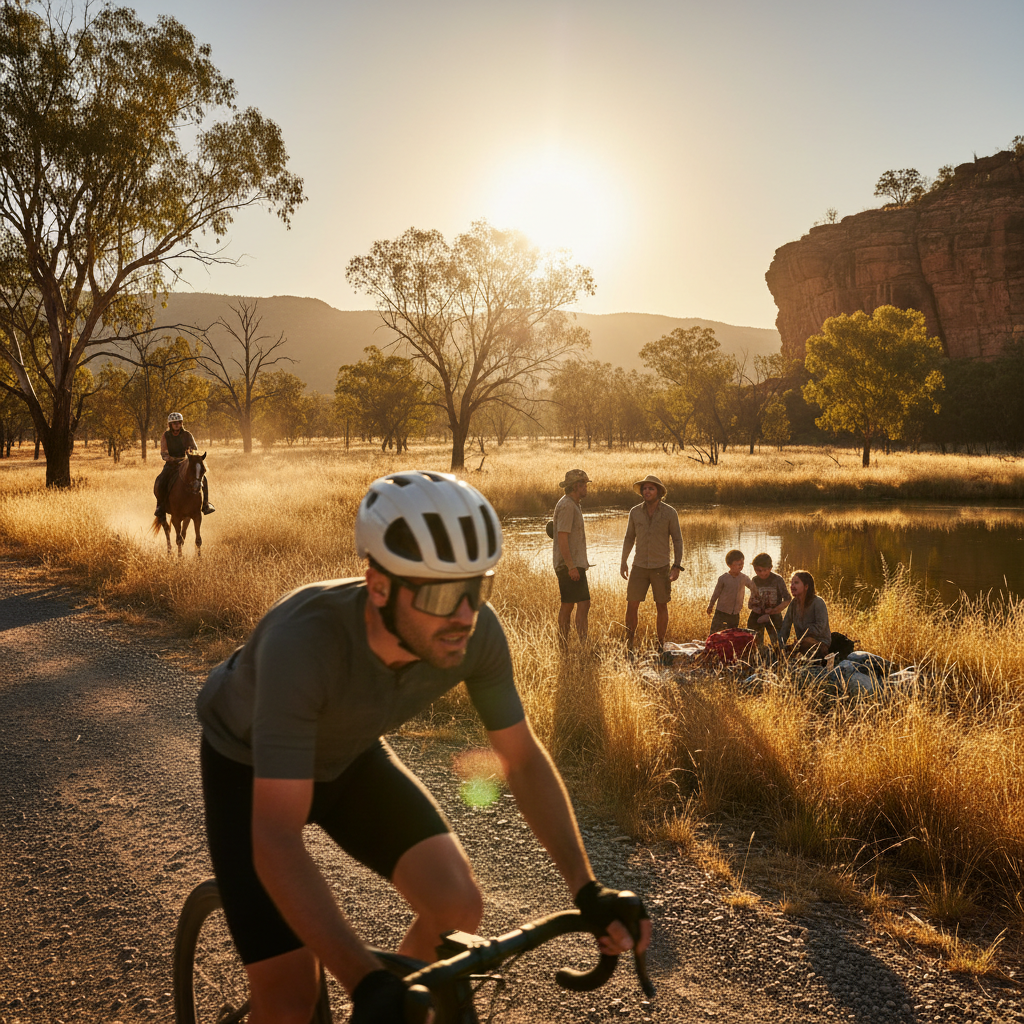
Stop Sunburn on Long Rides: Your No-Nonsense Australian Guide
Australia. We love it. We love riding our bikes under its big skies. But that beautiful sun can pack a serious punch, especially on those epic long rides. Getting yourself set up without an unwelcome sunburn afterwards isn't just about comfort; it's about protecting your skin.
This guide cuts to the chase. We're going to talk practical, no-fluff strategies to keep you out of the burn zone, even when you're out there for hours.
The Real Problem: Long Rides Under the Aussies Sun
It's not just a quick spin to the shops. Long rides mean extended exposure. Think hours. Hours where the sun's UV rays are relentlessly beating down. Here’s why it’s crucial to get this right, especially down under:
High UV Index: Australia consistently has some of the highest UV levels in the world. Even on cloudy days, UV can penetrate. On clear days, it’s a serious UV assault.
Heat: Long rides often coincide with warmer weather. This means you're sweating more, potentially washing off sun protection and making your skin more vulnerable.
Reflected UV: Water, sand, and even light-coloured roads can reflect UV rays, increasing your overall exposure.
Blind Spots: Standard helmets, even with good ventilation, leave your face and neck exposed. That's a lot of real estate for sunburn to target.
Common Objections and Why They Don't Hold Up
Let's address a few things you might be thinking:
"I use sunscreen. That's enough." Sunscreen is essential, no argument. But reapplying perfectly every 2 hours on a sweaty, long ride? Difficult. And it never covers every single spot, especially around the face and ears, or the back of your neck. Plus, it can run into your eyes.
"I wear a cap under my helmet." A cap offers minimal shade and can trap heat badly under a helmet, making you uncomfortable and potentially interfering with helmet fit and safety. The peak is also often too short to be effective.
"It's just a bit of redness. I'll be fine." Skin damage is cumulative. A little redness today adds up to significant long-term risks, including premature ageing and skin cancer. Better to prevent it than deal with the consequences.
"My helmet has a visor." Some helmets come with small, integrated visors. These are often more for glare than substantial UV protection for your entire face and neck. They don't offer the extended coverage you need for hours in the sun.
Your No-Nonsense Sun Protection Strategy
We’re talking about a layered approach. Relying on just one method is a gamble you don't want to take on a long ride.
1. The Helmet Brim: Your First Line of Defence
This is where we start. A dedicated helmet brim is designed to extend shade significantly beyond what a standard helmet offers. It attaches to your existing helmet, providing crucial shade for your face, nose, and ears, and even a good portion of your neck.
Think of it as an extension of your helmet's protective capabilities, specifically targeting UV exposure. We offer a range of products designed to fit various helmet types. They're built tough for Australian conditions.
How it Works: It physically blocks direct sunlight from reaching your skin. Because it's fixed to your helmet, it moves with you. No readjusting, no slipping. It's there whenever you need it.
Integration: Attaching your brim is straightforward. Check out our guide on How to Install for clear instructions.
2. Sunscreen: The Essential Second Layer
This is non-negotiable. Use a broad-spectrum, high SPF (30+, ideally 50+) sunscreen. Reapplying is key, but knowing where to focus is important.
Apply Generously and Early: Don't wait until you're already out the door. Apply sunscreen at least 20 minutes before your ride.
Target High-Exposure Areas: Your face, nose, ears, and the back of your neck are prime targets. Don't forget your lips – use a lip balm with SPF.
The "Hard to Reach" Zones: Your ears can get baked, especially the tops and backs. The hairline and any exposed skin under your helmet strap are also vulnerable.
3. Protective Clothing: Cover Up
While you want to stay cool, strategically worn clothing can make a big difference.
Long Sleeves: Lightweight, breathable, UPF-rated cycling jerseys are ideal. They shield your arms from direct sun.
Neck Gaiter/Buff: A lightweight, moisture-wicking neck gaiter pulled up can provide excellent protection for your neck and lower face if it's particularly hot. Choose one that you can breathe through easily.
Gloves: Your hands are constantly exposed. Padded cycling gloves offer some protection and improve grip.
4. Timing Your Ride: Smart Riding
Sometimes, the best protection is avoidance.
Avoid Peak Hours: If possible, plan your long rides for early morning or late afternoon/early evening when the sun's UV rays are less intense.
Seek Shade: If your ride takes you through shaded areas (forests, urban streets), use them to your advantage. Even short bursts of shade help.
Key Areas to Protect: A Quick Checklist
This is your rapid-fire reminder of where the sun hits hardest on a bike:
Face: Forehead, cheeks, nose, chin.
Ears: Tops and backs.
Neck: Back and sides.
Lips: Use a balm with SPF.
Hands: Tops of your hands.
Arms: Exposed skin on upper and lower arms.
Combining Your Protection: A Step-by-Step Approach
Here's how to layer your defence before you even clip in for a long haul:
1. Fit Your Brim: Ensure your helmet brim is securely attached. Double-check the How to Install guide if needed. This is your primary, passive shield.
2. Apply Sunscreen: Apply a generous amount of broad-spectrum SPF 50+ sunscreen to all exposed skin areas at least 20 minutes before you start your ride. Pay special attention to your face, ears, and neck.
3. Lip Protection: Apply a lip balm with SPF.
4. Dress Smart: Put on your lightweight, UPF-rated long-sleeve jersey. Consider a neck gaiter if the UV is particularly high or you're riding for an extended period during daylight.
5. Wear Gloves: Put on your cycling gloves.
6. Helmet On: Put your helmet on. The brim should be providing immediate shade to your face.
7. During the Ride: If you have a break or stop for water, this is your opportunity to reapply sunscreen to your face, neck, and hands. Even if you feel like you're covered, a quick top-up can prevent surprises.
8. Post-Ride Check: As soon as you finish, check your skin in a mirror for any missed spots or areas that have started to redden. Address any early signs of burning immediately with soothing after-sun lotion.
What if You Sweat a Lot?
Sweat is the enemy of sunscreen. It can dilute it, wash it off, and make it run into your eyes.
Sweat-Resistant Sunscreen: Look for sunscreens specifically labeled as sweat-resistant. They tend to stay put better.
Powder Sunscreens/Sticks: Some riders find powder sunscreens or solid stick sunscreens work well for touch-ups without the mess of lotions. They can absorb some sweat.
Brim is Key: Your helmet brim is invaluable here. It shields your face from direct sun even as you sweat. This is a key reason why it's your first* line of defence – it's a physical barrier that sweat can't diminish.
Long Days, Long Ride, Safe Ride
Preventing sunburn on long rides in Australia isn't rocket science, but it does require a consistent, practical approach. Don't underestimate the sun's power, and don't rely on just one protective measure. By combining a proper helmet brim, effective sunscreen, appropriate clothing, and smart timing, you can enjoy those long adventures without the painful aftermath.
Remember, looking after your skin is part of looking after your health. It allows you to plan more rides, discover more trails, and keep cycling for years to come.
If you have questions about choosing the right brim for your helmet or need advice on sun protection strategies, our FAQ page is a great resource. You can also browse our range of sun-smart cycling accessories at Products.
Keep riding, and more importantly, keep riding safe.
For more cycling tips and insights, check out our Blog.