
Staying Cool and Focused on Long Australian Climbs: Your Helmet Strategy
Long climbs demand focus. In Australia's harsh sun, overheating and sun glare are your enemies. Learn how to beat the heat and stay sharp with practical helmet strategies.
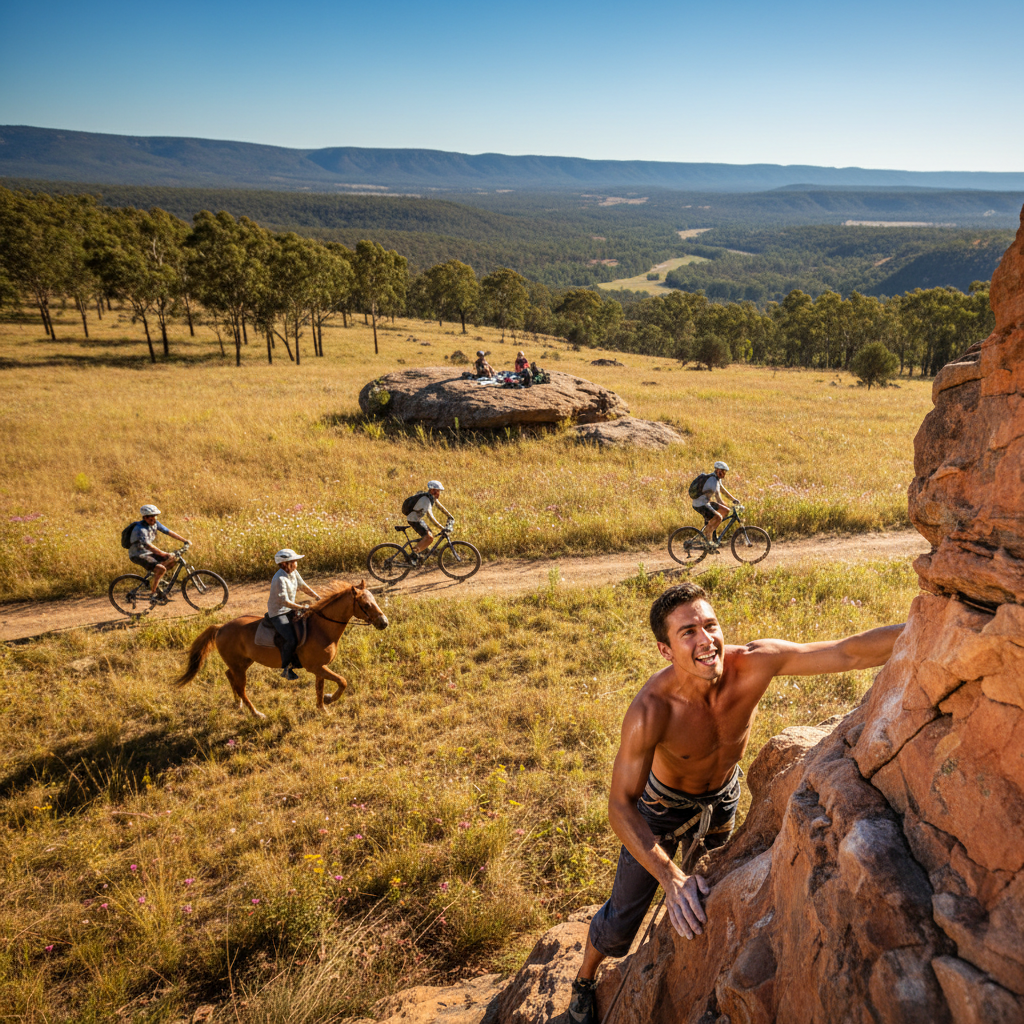
Staying Cool and Focused on Long Australian Climbs: Your Helmet Strategy
Australia. The land of vast spaces, stunning landscapes, and intense sunshine. For climbers, this means epic multi-pitch routes and challenging ascents. But it also means battling relentless heat and high UV levels, especially on those long days where the sun beats down from dawn till dusk. Staying cool and focused isn't just about comfort; it's crucial for performance and safety.
Your helmet is your primary safety device. But it can also be your biggest ally in managing heat and sun glare, allowing you to maintain concentration and push through a demanding climb. This isn't about fluff; it's about practical, no-nonsense strategies for Australian conditions.
The Twin Enemies: Heat and Glare
On any given summer day in Australia, the UV index can soar. Combine this with rising temperatures, and you've got a recipe for heat exhaustion and reduced cognitive function. Let's break down how these affect your climb:
Heat Build-Up: Your head, being a major heat-dissipating organ, can quickly become a furnace under your helmet. Trapped heat leads to sweat, fatigue, and a loss of focus. This can manifest as poor decision-making, slower reaction times, and an increased risk of mistakes.
Sun Glare: Even with sunglasses, direct, intense sunlight can be blinding, especially when bouncing off rock faces or water. This glare makes it harder to spot holds, assess the route, and see potential hazards.
Your Helmet: More Than Just Protection
While your helmet's primary job is impact protection, its design and how you use it can significantly impact your comfort and focus on long routes. Think of it as an extension of your personal protection system. The right helmet, and the right accessories, can make a world of difference.
Choosing the Right Helmet for Australian Climbs
Not all climbing helmets are created equal, especially when you're spending hours under the harsh Australian sun. Look for these features:
Ventilation: More vents mean better airflow. This is paramount for dissipating heat.
Lightweight Design: A lighter helmet means less strain on your neck and a more comfortable experience over extended periods.
Adjustability: A snug, comfortable fit prevents pressure points and ensures the helmet stays put, even when you're looking up or sideways.
Enhancing Your Helmet: The Power of a Brim
This is where we get practical. Standard climbing helmets often lack adequate sun protection for the face and neck. This is where a product like Da Brim can fundamentally change your climbing experience in Australia. Attaching a wide-brimmed extension to your helmet does several things:
Sun Shading: It extends crucial shade over your eyes, face, and even your neck. This significantly reduces direct glare, making it easier to see the rock and reducing discomfort.
Heat Management: By blocking direct sunlight from hitting your helmet's surface – and by extension, your head – it helps keep your core temperature down. Less direct solar radiation absorbed means less heat build-up.
Reduced Eye Strain: Less squinting means less fatigue and better visual acuity over the course of a long climb.
A brim isn't just an accessory; it's a performance enhancer when tackling long routes in intense Australian sun.
Practical Strategies for Staying Cool and Focused
Beyond the gear, your approach to hydration, rest, and pacing is critical. Here's how to integrate your helmet strategy with your overall climbing plan.
Hydration: Your First Line of Defence
This is non-negotiable. Dehydration is a major contributor to heat-related illnesses and cognitive decline. On long climbs, you will sweat through your helmet.
Drink Early and Often: Don't wait until you're thirsty. Sip water consistently from the start.
Electrolytes: For very long days or extremely hot conditions, consider electrolyte drinks or powders to replenish lost salts.
Carry Enough: Plan your water needs carefully. It’s better to carry a little extra than to run out.
Pacing and Breaks: Conserving Energy
Long routes are marathons, not sprints. Pacing yourself prevents overheating and fatigue.
Steady Pace: Aim for a consistent effort. Avoid long bursts of intense exertion followed by prolonged inactivity in direct sun.
Strategic Rests: Use longer rappel stations or sheltered spots for more substantial breaks. This is a prime opportunity to rehydrate, refuel, and let your head cool down slightly.
Sun Protection Beyond the Helmet
While the helmet brim is your main shield, don't neglect other areas.
Sunscreen: Apply liberally and often, especially to exposed areas not covered by clothing or the brim.
Lightweight, Long-Sleeved Clothing: UPF-rated clothing is ideal for shielding skin from UV radiation even on hot days.
Helmet Maintenance and Usage: Small Details, Big Impact
How you treat your helmet can affect its performance and longevity.
Keeping it Clean
Sweat and grime can clog ventilation ports and degrade materials over time. Regular cleaning ensures optimal airflow and hygiene. Consult your helmet manufacturer's instructions for specific cleaning advice. Generally, mild soap and water are sufficient.
Proper Installation
Even the best helmet won't perform if it's not installed correctly. Ensure your brim is attached securely according to manufacturer guidelines. For Da Brim, this is a straightforward process, but it's vital for it to stay on during your climb. Refer to our How to Install guide for detailed instructions.
When to Wear It
This should be obvious, but it bears repeating: Always wear your climbing helmet when climbing. For long routes, this means wearing it from the base to the summit and back down, or as per your descent plan. Don't take it off during rests if you're still in a sun-exposed area.
Table: Heat & Glare Management Checklist
| Aspect | Strategy | Australian Context |
|---|---|---|
| Helmet | Choose well-ventilated, lightweight. | Essential for dissipating heat under strong sun. |
| Sun Protection | Attach a wide brim. | Blocks intense UV and direct glare for hours. |
| Hydration | Sip regularly, use electrolytes. | Crucial in high temperatures and prolonged exertion. |
| Pacing | Maintain a steady effort. | Prevents overheating and energy depletion on long days. |
| Rest | Take strategic breaks in shaded areas. | Allows for cooling, rehydration, and mental reset. |
| Clothing | Wear UPF-rated, long sleeves. | Protects skin from intense Australian UV radiation. |
| Sunscreen | Apply liberally and reapply. | Essential for any exposed skin. |
Step-by-Step: Optimising Your Helmet for a Long Climb
This is your pre-climb and during-climb routine to ensure your helmet works for you, not against you.
Step 1: Pre-Climb Helmet Check (At Home/Base Camp)
Clean: Ensure your helmet and any attachments (like a brim) are clean.
Inspect: Check for any damage.
Install: Securely attach your brim if using one. Ensure all clips or straps are functioning correctly. Review our How to Install guide if unsure.
Fit: Put the helmet on and adjust it to a comfortable, snug fit. Ensure the brim doesn't obstruct your vision when looking down.
Test Ventilation: Feel the airflow through the vents. Are they clear?
Step 2: Pre-Climb Sun Prep
Apply Sunscreen: Cover all exposed skin generously.
Hydrate: Start drinking water before you even begin the approach.
Step 3: On the Move - Early Stages
Wear Helmet: Keep it on from the start.
Sip Water: Begin your hydration Sips.
Monitor Conditions: Be aware of the sun's position and intensity. Your brim should be providing immediate relief.
Step 4: During Long Pitches and Transitions
Maintain Focus: Use the reduced glare and improved comfort to stay sharp on the rock.
Consistent Hydration: Continue regular sips. Don't get complacent.
Strategic Rests: If taking a break, try to find shade. Loosen helmet straps slightly to allow for some cooling, but never remove the helmet if still in a sun-exposed area.
Step 5: Marathon Sections & Descent
Pacing: Stick to your strategy. Avoid pushing too hard and risking heat exhaustion.
Re-assess Sunscreen: If you have a long descent or continue in sun, reapply sunscreen during extended rests.
Helmet On: Even on the descent, the risk of rockfall or a slip remains. Keep your helmet on until you are safely back at the base.
Addressing Objections
“A brim will snag on things.” While anything extra on your helmet carries a slight risk, a well-designed brim is made to be flexible and can often be deflected. The primary risk is during chimney climbing or very tight squeezes. For most open face and crack climbing, the benefits of sun and glare protection far outweigh this minimal risk. Our FAQ page offers more insights into common concerns.
“It looks silly.” Safety and performance aren’t about style points. When you're fatigued, struggling with glare, or well on your way to heat exhaustion, you’ll be wishing you had better sun protection. Focus on what keeps you climbing stronger and safer for longer.
“My helmet has vents, that’s enough.” Helmets have vents to let some air through. They don't stop direct, intense solar radiation from heating the shell and then your head. A brim provides a crucial layer of direct shade. Think of it like wearing a cap under your helmet – it adds a significant layer of protection.
Conclusion
Long climbs in Australia are a unique challenge. The extreme UV and heat demand a proactive approach to staying cool and focused. Your helmet, when enhanced with a brim and used correctly with proper hydration and pacing, becomes a powerful tool in this battle. Don't let the sun beat you before you even reach the crux. Prioritise your comfort, your focus, and your safety.
Remember, the products we offer are designed to help you climb safer and longer, especially in harsh Australian conditions. Explore our range and enhance your climbing experience.
For more information, check out our Blog for further tips and insights. Stay safe, stay cool, and enjoy those epic Australian routes!