
Smash Sunburn: Your Ultimate Guide to Preventing It on Long Australian Rides
Don't let a killer tan line or painful sunburn cut your long rides short. This guide gives you the practical, no-nonsense advice you need to stay protected under the harsh Australian sun. Everything you need to know, from helmet brim strategy to crucial suncare tips.
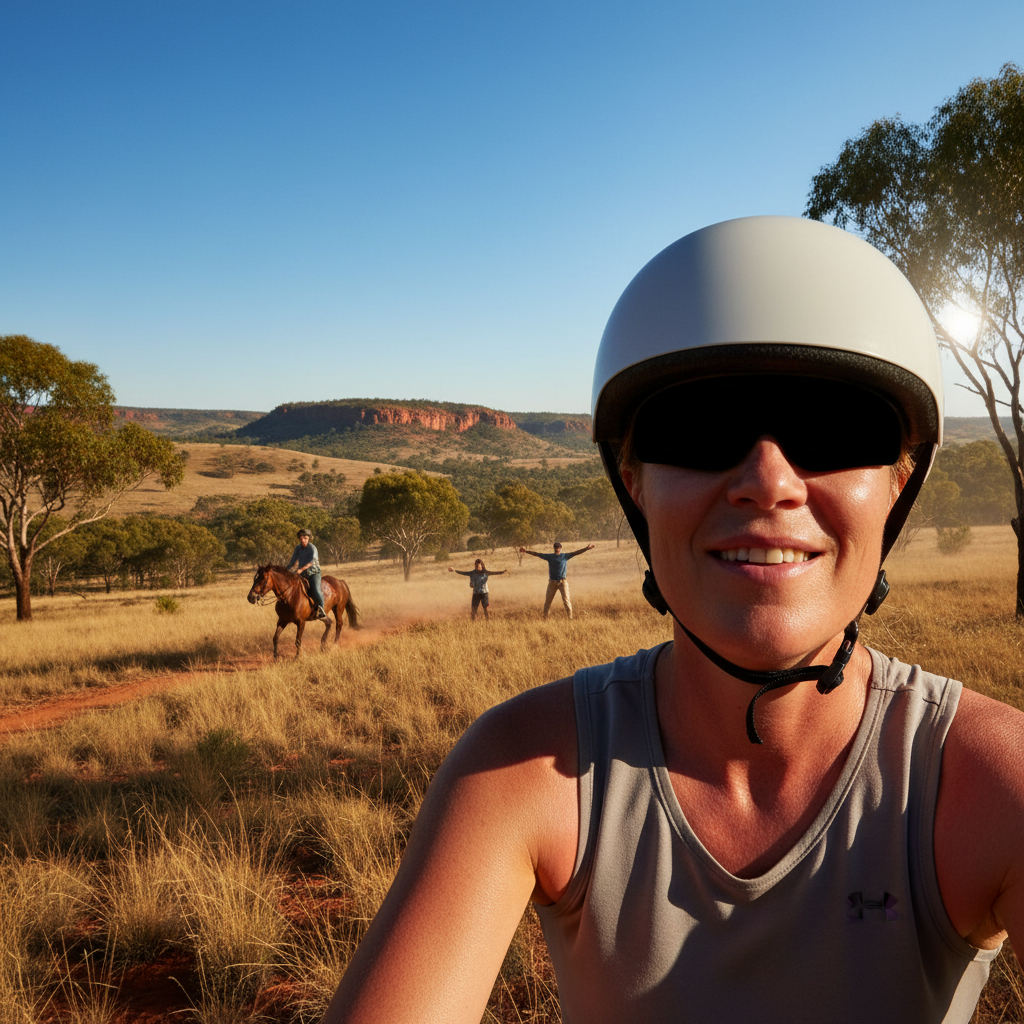
Smash Sunburn: Your Ultimate Guide to Preventing It on Long Australian Rides
Long rides are epic. Exploring new trails, pushing your limits, feeling the wind in your (mostly covered) hair. But in Australia, every epic ride comes with a serious caveat: the sun. It doesn't mess around. We're talking brutal UV indexes, intense heat, and daylight hours that can stretch your ride right into peak sun exposure. Sunburn isn't just a cosmetic issue; it's painful, dangerous, and can ruin your next few days of riding. This guide is your no-fluff, tell-it-like-it-is game plan to prevent sunburn on those extended adventures. We're cutting through the noise and giving you actionable advice.
The Harsh Reality of the Australian Sun
Let's be blunt. The Australian sun is different. It's more intense, particularly during the summer months. Even on cloudy days, UV radiation can bounce off surfaces and still get you. When you're out for hours, your cumulative exposure is significant. Forget about a light tan; we're talking about skin damage that leads to premature ageing and, more importantly, greatly increases your risk of skin cancer. For cyclists, the sun is an omnipresent threat, especially for areas not covered by clothing or helmets.
Objections Handled: Why You Still Need to Worry
"I've got naturally dark skin." Great, but no skin is immune to damage. The UV index here can still cause significant harm, even if you don't burn as quickly.
"I'll just reapply sunscreen." Excellent, but where? And how often? Areas under helmets and straps are often missed, and reapplying on sweaty skin can be a nightmare.
"I wear SPF 50, I'm covered." SPF is crucial, but it's only one piece of the puzzle. It won't help with the bits you can't reach or that get rubbed off by helmet straps.
"My helmet gives me total shade." Does it? Stand in the sun and look around your helmet. You'll see gaps, especially on the sides and back, where the sun is baking your neck and ears.
"It's not even that hot." UV rays and heat are often correlated, but UV intensity is the real culprit for sunburn, regardless of ambient temperature.
The Core Strategy: Layered Protection
Preventing sunburn on long rides isn't about one magic bullet. It's a multi-pronged approach that combines gear, suncare, and smart riding habits. Think of it as building your personal sun-shield.
1. Your Helmet: More Than Just Protection
Your helmet is your primary defence against head injuries, but it can also be a significant factor in sun protection, provided you equip it correctly. The standard helmet offers minimal shade. This is where an accessory like a helmet brim becomes essential, especially for Australian conditions.
A dedicated helmet brim, like designed for cycling, offers significant advantages. It extends outwards, casting a much-needed shadow over your face, neck, and ears. This isn't just about comfort; it's about drastically reducing the surface area exposed to direct UV radiation. Ensure your brim is securely attached and doesn't obstruct your vision or airflow.
For more details on how to get the most out of your helmet and its attachments, check out our How to Install guide.
2. Sunscreen: The Essential Layer
Even with the best brim, you'll still have exposed skin. This is where high-SPF sunscreen comes in.
SPF 50+ is non-negotiable. Don't skimp. Broad-spectrum is vital, meaning it protects against both UVA and UVB rays.
Apply liberally and early. Apply at least 15-20 minutes before you head out. This allows it to properly absorb and bond to your skin. Don't wait until you're at the trailhead.
*Cover all exposed areas. This includes your ears, the back of your neck, your hands, and any skin visible through jersey vents. Don't forget the tops of your feet if they're exposed.
Reapplication is key, but practicalities matter. Reapplying on a sweaty, dusty ride can be a pain. Consider carrying a small spray bottle or a stick sunscreen for easier touch-ups. However, the best strategy is effective initial application and using physical barriers where possible.
3. Protective Clothing: Beyond the Basics
UPF-rated clothing: Look for garments specifically designed with a Ultraviolet Protection Factor (UPF) rating. Cycling jerseys and arm sleeves with UPF will offer significantly more protection than standard fabrics. This is especially important for your arms and torso.
Long sleeves: Even in hot weather, long sleeves made from lightweight, breathable, moisture-wicking fabric can keep you cooler and more protected than bare skin covered in sunscreen. They create a physical barrier.
Neck gaiter/buff: A lightweight, breathable UPF-rated neck gaiter or buff is invaluable. It protects your neck and can be pulled up over your face/lower cheeks if needed for extra protection, especially during intense midday sun.
4. Hydration and Heat Management: Linked to Sunburn
While not directly preventing UV damage, proper hydration and heat management are crucial for overall wellbeing on long rides in the sun. Dehydration and heat stress can make you feel unwell and less likely to notice subtle signs of sunburn or take necessary breaks. Drink more than you think you need, especially on hot days. This is covered more in our FAQ section under general riding tips.
The Pre-Ride Checklist: Be Prepared
Before you even think about hopping on your bike for a long haul, run through this checklist. It's designed to be quick and effective.
[ ] Helmet Check: Is your helmet clean and free of damage? Is your sun-blocking brim securely attached? (How to Install)
[ ] Sunscreen Application: SPF 50+ broad-spectrum applied liberally to all exposed skin 20 minutes prior.
[ ] Clothing: UPF-rated jersey? Long sleeves donned? Neck gaiter/buff included?
[ ] Hand Protection: Cycling gloves applied? These cover a high-exposure area.
[ ] Eyewear: Sunglasses with UV protection to protect your eyes and the delicate skin around them.
[ ] Lip Balm with SPF: Don't forget your lips!
[ ] Water: Hydration pack/bottles filled?
On-Ride Tactics: Mid-Ride Strategies
| Tactic | When to Apply | Notes |
|---|---|---|
| Reapply Sunscreen | Every 2 hours, or after heavy sweating/water | Use a spray or stick for ease. Crucial for legs, arms, neck. |
| Seek Shade | During peak UV hours (10 am - 3 pm) | Use rest stops strategically to get out of direct sun. |
| Adjust Clothing | As needed, especially for neck/face | Pull up gaiter, adjust sleeves. |
| Hydrate | Consistently, small sips | Prevents dehydration, which can exacerbate heat and sun effects. |
| Self-Check | Periodically, during breaks | Feel for hot spots on your skin. Early detection is key. |
Step-by-Step: Prepping for Your Long Ride
This is the detailed breakdown of how to implement the above. Follow these steps on the day of your ride.
Step 1: The Sunscreen Protocol (20 Minutes Before)
1. Head to a well-lit bathroom or mirror. Ensure you have good visibility.
2. Open your SPF 50+ broad-spectrum sunscreen.
3. Start with your face: apply generously to cheeks, nose, forehead, and chin. Blend outwards towards your hairline.
4. Don't forget your ears: reach behind and liberally coat both the front and back of your ears. These are often missed.
5. Neck Area: Apply to the entire exposed neck area, front and back. This is critical for long rides where the sun hits from behind.
6. Arms: Apply to your shoulders, upper arms, forearms, and hands. Pay attention to the backs of your hands and fingers. If you're wearing gloves, ensure the wrist area is covered.
7. Legs: If wearing shorts, apply to the thighs and lower legs. If wearing calf sleeves, ensure the exposed thigh and any ankle gaps are covered.
8. Feet (if exposed): If you don't wear socks or your shoes expose the tops of your feet, apply sunscreen here.
9. Wait.
Let the sunscreen absorb for at least 15-20 minutes before putting on cycling gear.
This prevents it from rubbing off immediately onto your clothes or helmet straps.
Step 2: Gear Up for Maximum Coverage
1. Put on your UPF-rated cycling jersey and/or base layers. If wearing long sleeves, ensure they are pulled down smoothly.
2. Apply your cycling gloves. Ensure they are snug but comfortable.
3. Pull on your cycling socks and shoes.
4. If using a neck gaiter or buff, put it on now. You can decide its final position later.
5. Put on your helmet. Ensure your sun-blocking brim is correctly positioned before you secure the straps. Make sure the brim isn't interfering with your vision or the helmet's fit.
6. Adjust your neck gaiter: pull it up snug against the bottom of your helmet and helmet straps to cover your neck and lower face if desired for maximum protection.
7. Put on your UV-protective sunglasses.
Step 3: The Final Mop-Up
1. Take a quick look in the mirror. Are there any obvious gaps? Any areas you missed during the initial sunscreen application?
2. Do a quick touch-up if needed, especially around the edges of your helmet straps or where clothing might shift.
Step 4: During the Ride
1. Hydrate Constantly: Sip water or electrolyte drinks every 15-20 minutes. Don't wait until you're thirsty.
2. Seek Shade During Breaks: If stopping for a break, find shade. Even a few minutes out of direct sun makes a difference.
3. Reapply (If Necessary): If your ride is longer than 4 hours, or if you've sweated profusely or got wet, plan a reapplication. A quick spray of sunscreen on exposed arms and legs during a water stop is far better than risking a burn. A sunscreen stick is often more effective for touch-ups as it can be applied more precisely without making a mess.
4. Listen to Your Skin:* Periodically feel your exposed skin, especially on your neck and arms. If it feels hot, take action. That means finding shade and, if possible, applying more sunscreen.
Post-Ride Care
Even with the best precautions, sometimes a little redness happens.
Cool Showers: Immediately after your ride, take a cool, not cold, shower. This helps to cool your skin down.
Moisturise: Apply a good quality, fragrance-free moisturiser or aloe vera gel to any slightly pink areas. This helps to soothe and rehydrate the skin.
Hydrate Internally: Continue to drink plenty of fluids.
- Check for Sunburn: Properly examine your skin over the next 24 hours, looking for any signs of burning. This helps inform your strategy for the next ride.
Don't Be Complacent
Our outdoor lifestyle in Australia comes with a constant UV threat. Being a cyclist means you're often exposed for extended periods with limited ability to shield yourself. The key is consistent, thorough protection. Invest in the right gear, adopt a robust suncare routine, and make it a habit. Your skin will thank you for it in the long run, allowing you to enjoy countless more long, epic rides without the painful consequences.
For more on cycling safety and gear, explore our Blog and check out our range of Products.
Stay safe, ride smart, and enjoy the journey under the Australian sun!