
Shield Your Scalp: What to Look for in Helmet Sun Protection
Don't let the harsh Australian sun ruin your ride. Discover essential features for effective helmet sun protection accessories.
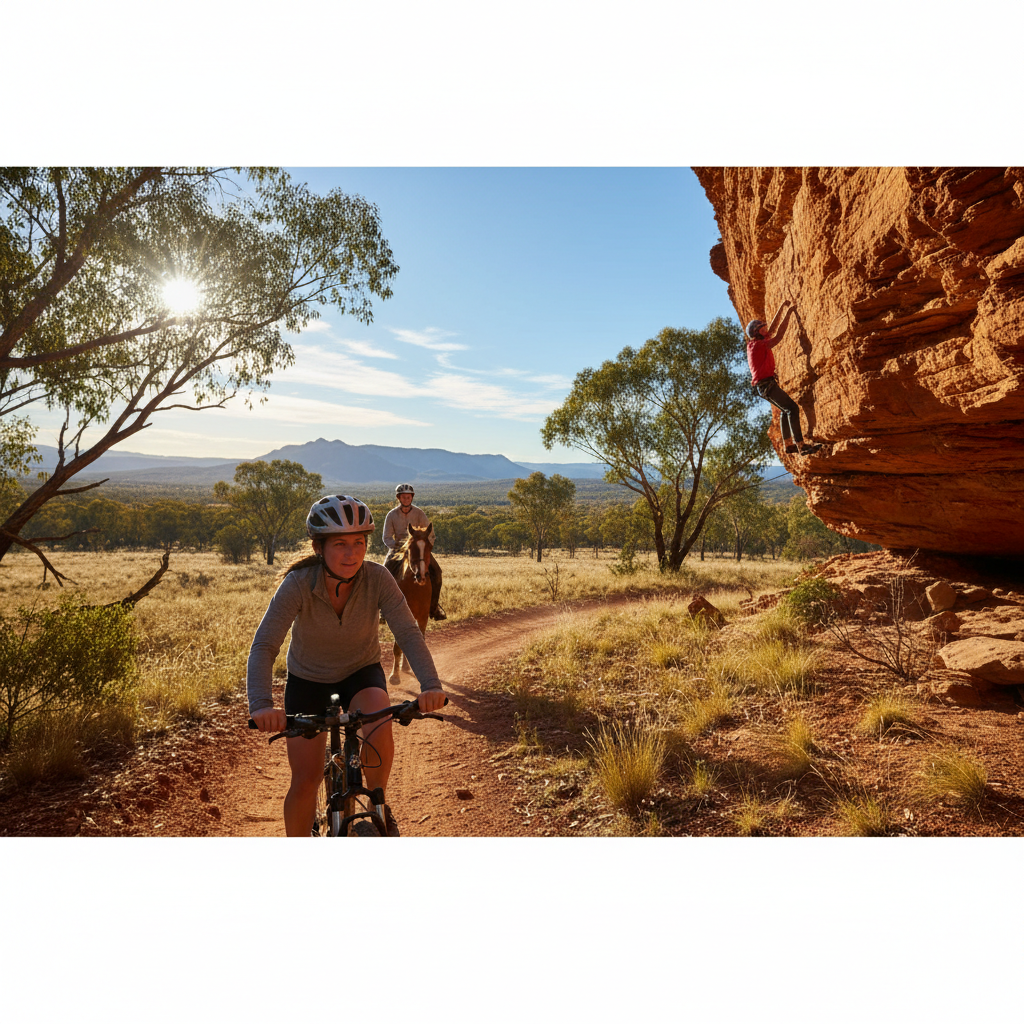
Shield Your Scalp: What to Look For in Helmet Sun Protection Accessories
The Australian sun is no joke. Long days, intense UV radiation, and high temperatures can turn a pleasant ride into a painful ordeal, not to mention the long-term damage to your skin. If you're a helmet wearer – whether for cycling, construction, motorcycling, or any other activity – you're already on the right track for head safety. But what about protecting your scalp, neck, and face from that relentless glare and UV assault?
Many helmets offer some basic shade, but for true protection against our unique conditions, you need an accessory. This isn't about looking fancy; it's about staying safe and comfortable. This guide cuts through the fluff and tells you exactly what to look for when choosing a helmet sun protection accessory.
Why Bother? The Harsh Realities for Australian Helmet Wearers
Let's be blunt. Australia consistently ranks among the countries with the highest UV levels in the world. Even on seemingly mild days, the UV index can climb dangerously high. When you're wearing a helmet, especially one designed for ventilation, you get airflow, but you also get direct sun exposure on areas the helmet doesn't fully cover – often the back of the neck, ears, and sometimes even the temples or forehead if the helmet design is limited.
Think about it:
Scalp Sunburn: It's painful, can lead to peeling, and significantly increases your risk of skin cancer over time. Hair offers some protection, but not enough against prolonged, direct UV exposure.
Neck Burn: The back of your neck is a prime target for sunburn, especially when leaning forward or looking up. This area is often left exposed by standard helmet designs.
Glare and Eye Strain: Direct sun can impair your vision, increasing the risk of accidents. While sunglasses help, they don't protect your entire face or scalp from the sun's intensity.
Heatstroke: Overheating is a serious risk, particularly during warmer months. Anything that helps deflect the sun and reduce heat absorption on your head and neck can contribute to better heat management.
For serious riders, tradies working outdoors, or anyone spending significant time under the sun with a helmet on, a dedicated sun protection accessory is not a luxury; it's a necessity.
Key Features to Look For in a Helmet Sun Protection Accessory
So, what makes a good sun protection accessory for your helmet? Forget flimsy add-ons. You need something robust, effective, and built to last. Here’s your no-nonsense checklist.
1. Superior UV Protection (and not just a dark colour)
This is non-negotiable. A good accessory should block harmful UVA and UVB rays. Don't be fooled by just a dark colour. Look for:
UPF Rating (Ultraviolet Protection Factor): This is the textile equivalent of SPF for sunscreen. A UPF 50+ rating is the gold standard, blocking over 98% of UV radiation.
Material Quality: The material itself needs to be dense enough and treated (if applicable) to effectively block UV. Cheap, thin fabrics won't cut it.
2. Extensive Coverage
A small brim is better than nothing, but for true protection, you need extension. Consider:
Forehead/Brow Shade: How far does it extend over your forehead to block direct sun and reduce glare?
Neck Cover: The back of the neck is crucial. Does the accessory offer a generous flap or cape that drapes down to cover this vulnerable area?
Ear Protection: Ears are often forgotten but are susceptible to sunburn and skin cancer. Some accessories provide side protection.
3. Secure and Stable Fit
This accessory will be exposed to wind, movement, and potentially impact. It needs to stay put. Look for:
Attachment System: How does it attach to your helmet? Is it a robust clip, strap system, or something else? It needs to be secure enough to withstand wind resistance without flapping or coming loose.
Helmet Compatibility: Will it fit your specific helmet model? Some accessories are universal, while others are designed for particular helmet types. Check dimensions and attachment points.
No Interference: Does it obstruct your vision, hearing, or the helmet's primary safety function? It shouldn't compromise your safety or comfort.
4. Durability and Material
You’re likely using this in tough conditions. It needs to be tough too.
Material Resistance: Is it tear-resistant? Water-repellent (useful for sweat and light rain)? Fade-resistant?
Construction Quality: Look for reinforced stitching and high-quality hardware if applicable. A poorly made accessory will fail when you need it most.
5. Breathability and Heat Management
While blocking sun, you don’t want to create a personal sauna. This is where smart design comes in.
Ventilation Integration: Does it allow for airflow? Some designs have breathable mesh panels or are shaped to not impede your helmet’s existing ventilation.
Lightweight: An unnecessarily heavy accessory can be uncomfortable and add strain.
6. Ease of Use (and Maintenance)
If it’s a pain to put on, take off, or clean, you won’t use it.
Installation: How easy is it to attach and detach? Ideally, it should be a quick process.
Cleaning: Can it be easily wiped down or washed?
Quick Feature Comparison: What to Prioritise
Let's break down the core priorities for our harsh Australian environment.
| Feature | Essential for Australia | Nice to Have |
|---|---|---|
| UV Protection | UPF 50+ Rating (or equivalent claim from a reputable source) | High UPF rating on a broad spectrum of materials |
| Coverage | Extended neck coverage, Good brow shade | Full ear coverage, integrated visor |
| Fit/Attachment | Secure, wind-resistant, doesn't shift/fall off | Tool-free attachment, quick-release system |
| Durability | Tear-resistant, weather-resistant materials | Abrasion-resistant, long-term colourfastness |
| Heat Management | Breathable panels, doesn’t trap excessive heat | Moisture-wicking inner lining, strategic ventilation cut-outs |
Objections Handled: 'I Don't Need It' or 'It Won't Work'
We hear it all the time. Let's address the common doubts head-on.
Objection 1: "My helmet is already good."
Many helmets are designed for safety and comfort during moderate conditions or shorter durations. They often prioritize ventilation, which means gaps. Those gaps are where the sun gets in. A good sun accessory enhances your helmet's protection, covering areas often left exposed.
Objection 2: "It will look silly/be uncomfortable."
Functionality often trumps aesthetics when it comes to safety, but modern accessories are increasingly designed with both in mind. More importantly, a painful sunburn or heat exhaustion looks and feels a lot worse. Many effective accessories are surprisingly low-profile and don't add significant bulk or weight. Look for designs that are streamlined and integrate well with your helmet.
Objection 3: "It will fall off in the wind / get in the way."
This is precisely why you need to prioritise the Secure and Stable Fit feature. If a product has a flimsy attachment, it's no good. High-quality accessories use robust clipping mechanisms or secure fastening systems designed to resist wind shear and movement. They are engineered to stay put. Read reviews, check how it attaches, and if unsure, consult the manufacturer. We've focused on designs that integrate seamlessly without compromising your ride.
Objection 4: "I only wear a helmet for short periods."
Even short bursts under the Australian sun can deliver a significant UV dose. A 20-minute commute at midday can be enough to cause damage. Skin damage is cumulative. The best approach is consistent protection.
How to Choose the Right Accessory for Your Helmet
Choosing the right accessory comes down to understanding your needs and your helmet.
Step 1: Identify Your Helmet Type
Is it a cycling helmet, a hard hat for construction, a motorcycle helmet, or something else? The attachment method and the shape of the accessory will need to be compatible.
Step 2: Assess Your Exposure Needs
Are you out all day? You need maximum coverage (neck, ears, forehead).
Is glare the main issue? A more pronounced brow shade is key.
Do you work in extreme heat? Prioritise breathability and lightweight design.
Step 3: Check Compatibility and Attachment
Look at your helmet. Are there specific points where an accessory can attach securely? Does the accessory you're considering mention compatibility with your helmet style? Our own range of DA BRIM accessories, for example, are designed for a wide variety of helmets and feature a secure attachment system.
Step 4: Prioritise Key Features (Refer back to our table!)
Don't get swayed by fancy extras if the core features – UV protection, coverage, and fit – aren't there.
Step 5: Read Reviews and Ask Questions
See what other users say. Are they happy with the durability, fit, and sun protection? Don't hesitate to contact the manufacturer with specific questions about compatibility or features.
Investing in Your Safety and Comfort
Protecting yourself from the sun is an essential part of safety, just like wearing the helmet in the first place. Don't let preventable sunburn, premature aging, or the increased risk of skin cancer be a consequence of your outdoor activities.
By understanding what to look for – robust UV protection, ample coverage, a secure fit, and durable materials – you can make an informed decision. You deserve to enjoy your ride or your work without constantly worrying about the sun's damaging rays.
Ready to upgrade your helmet’s sun-fighting capabilities? Explore our range of helmet sun protection accessories designed specifically for Australian conditions.
Check out our [Products to find the right fit for you.]
Worried about how it all fits together? We've got you covered.
Learn [How to Install your accessory easily.]
Still have questions?
Visit our FAQ section.
Want more tips on staying safe in the sun?
- Browse our Blog for more articles.