
Shield Your Face: Choosing the Right Helmet Sun Brim for Australian Conditions
Don't let the harsh Australian sun beat you down. Learn how to pick the perfect helmet sun brim to protect your face, eyes, and neck during any outdoor activity.
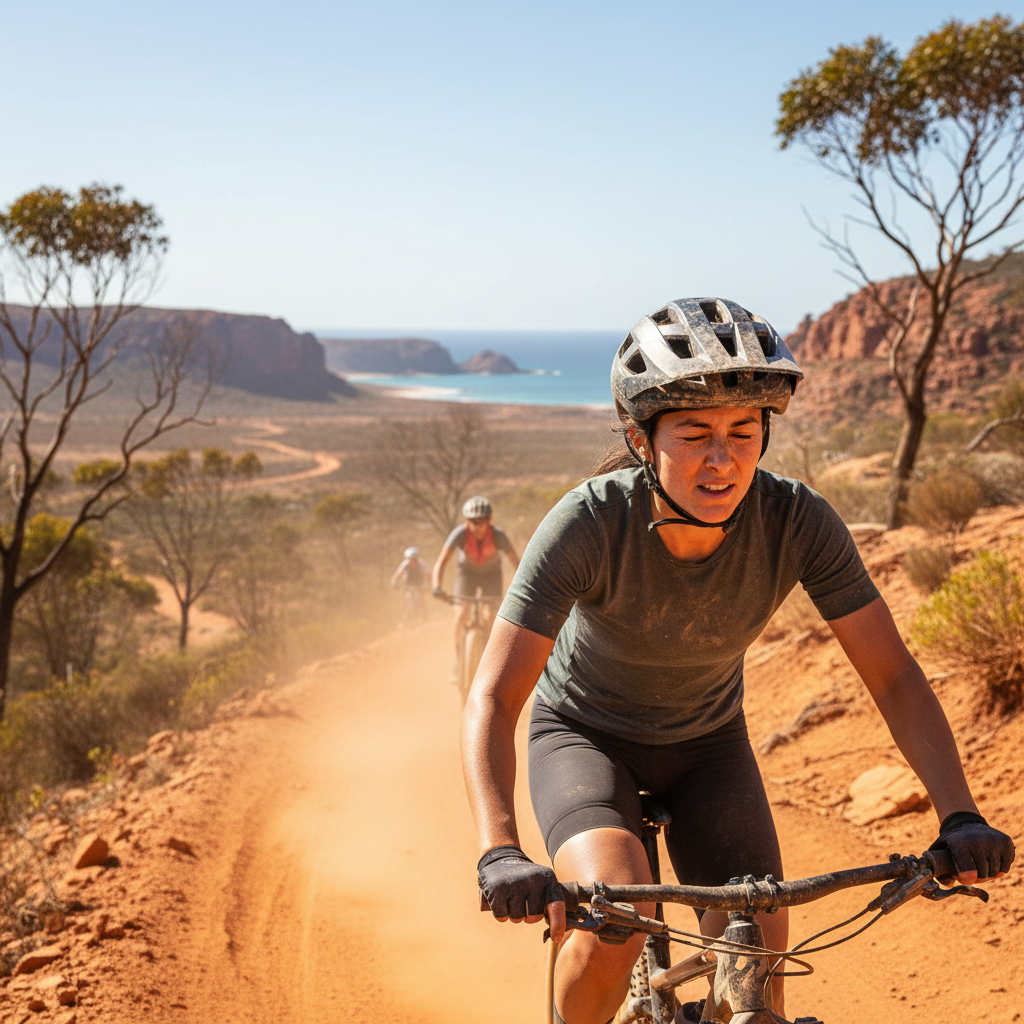
Shield Your Face: Choosing the Right Helmet Sun Brim for Australian Conditions
Australia. Beautiful, vast, and home to some of the harshest UV radiation on the planet. We all know the drill: slip, slop, slap, seek, and slide. But what about when you're active outdoors, helmet strapped on, and the sun is relentless? That little bit of brim on a standard helmet often doesn't cut it. You need serious sun protection, and that's where a dedicated helmet sun brim comes in. But with different activities and conditions, how do you choose the right one?
This isn't about fashion. This is about practical, no-nonsense sun safety designed for the intense Australian climate. We're talking about preventing sunburn on your nose and ears, reducing glare that makes you squint, and protecting your skin from premature aging and the risk of skin cancer over the long haul. Whether you're on a bike, a horse, a construction site, or just enjoying a hike, the right sun brim is a game-changer.
Why Bother with an Extra Sun Brim?
Let's be honest. A standard helmet brim offers minimal protection. In Australia, with our high UV index, even short periods outdoors can lead to significant sun exposure. Think about your commute, a weekend ride, or a day working outdoors. These aren't isolated incidents; they add up. A helmet sun brim is an accessory designed to do one thing exceptionally well: extend the protective shadow cast by your helmet. It shields your face, ears, and the back of your neck from direct UV rays. This is critical, especially during those long summer days when the sun is higher and stronger. It means less squinting, better visibility, and crucial protection for your skin.
We're not talking about flimsy additions here. We're talking about durable, purpose-built brims that attach securely to your helmet, enhancing its sun-blocking capabilities significantly. It’s an investment in your health and comfort.
Factors to Consider When Choosing Your Brim
Choosing the 'right' brim isn't a one-size-fits-all decision. It depends entirely on how and where you'll be using it. Here are the key things to consider:
1. Your Activity:
This is paramount. What are you doing when you're wearing the helmet?
Cycling (Road/Gravel): You're often in an aerodynamic position. A wide brim might catch wind and create drag. You need something that offers good forward and side protection without becoming a sail. Protection from sun glare is key for visibility.
Mountain Biking: Similar to road cycling, but with the added need for unobstructed vision on technical terrain. A brim that's too wide could snag on branches or impact your peripheral vision over bumps.
Equestrian: When riding horses, you spend a lot of time looking up and down. A wider brim offers better protection for your face and neck from the overhead sun. Stability is also crucial – you don't want it shifting during a ride.
Construction/Industrial: Safety and visibility are non-negotiable. You need a brim that won't interfere with your vision or the helmet's safety features, while still providing ample shade for long hours under the Australian sun. Durability is a major factor here.
Boating/Kayaking: Protection from sun reflection off the water is vital. A brim that extends down and offers good side coverage will keep sun and spray out of your eyes.
General Outdoor Work or Recreation (Hiking, Gardening): You want broad coverage to combat prolonged exposure. A wider brim is generally beneficial here.
2. Coverage Area:
Brims come in various widths and depths. Consider:
Face Protection: How much of your nose, cheeks, and forehead needs shade?
Neck Protection: Do you need coverage for the back of your neck, especially if you're often looking upwards?
Side Coverage: How much will the brim protect your temples and ears from angled sunlight?
3. Material and Durability:
Australian conditions can be tough. Your brim needs to withstand heat, sweat, and potentially being packed in a bag. Look for materials that are:
UV resistant
Water-resistant (especially if near water or for sweat)
Flexible yet rigid enough to hold its shape
Easy to clean
4. Attachment Method:
This is critical for security and ease of use. Does it attach via:
Velcro straps?
Clips?
A specific fitting system?
It needs to be secure enough not to fall off during activity but also easy enough to attach and remove when needed. Check out our How to Install guide for details on secure attachment.
5. Helmet Compatibility:
Not all brims fit all helmets. Ensure the brim you choose is designed to work with your specific helmet type. Some are universal, while others are made for particular brands or models. Always check the product specifications.
A Quick Guide: Brim Types for Common Activities
Here's a simplified breakdown to get you started:
| Activity | Recommended Brim Width | Key Features |
|---|---|---|
| Road Cycling / Gravel | Medium | Aerodynamic, glare reduction, good forward shade |
| Mountain Biking | Medium | Good visibility, branch resilience, secure fit |
| Equestrian | Wide | Extended face and neck coverage, stable |
| Construction / Industrial | Medium to Wide | Durability, impact resistance, full face shade |
| Boating / Kayaking | Wide | Water/spray resistance, glare reduction |
| Hiking / General Outdoor | Wide | Maximum shade, comfort, durable |
Making the Right Choice: A Step-by-Step Approach
Don't just grab the first brim you see. Take a moment to assess your needs:
Step 1: Identify Your Primary Activity. What will you be doing 80% of the time when wearing your helmet with this brim?
Step 2: Assess the Sun Exposure. Are you typically out during peak UV hours (10 am - 3 pm)? Are you in open areas with little shade? Are you near reflective surfaces like water or sand?
Step 3: Consider Your Comfort and Vision Needs. How much do you need to see clearly? How much airflow is important?
Step 4: Evaluate Your Helmet Type. Is it a road helmet, a full-face MTB helmet, a broad-brimmed safety helmet?
Step 5: Review Brim Options. Based on the above, start looking at brims that offer the coverage, material, and attachment style that best suits your identified needs. Our Products page has a range of options designed for different uses.
Step 6: Read Reviews and Specifications. See what other users say, especially those engaged in similar activities in Australian conditions. Check the specs for durability and compatibility.
Common Objections and How to Handle Them
"It will catch the wind and make me unstable."
This is a valid concern, especially for cycling. However, well-designed brims are shaped to minimise wind resistance. For cycling, a medium width with an aerodynamic profile is best. If you're concerned, check reviews specifically mentioning wind performance or opt for a brim known for its streamlined design. Stability comes from a secure attachment; ensure your brim is fitted correctly. Our How to Install guide emphasizes this.
"It looks silly / unstylish."
We get it. Aesthetics matter. But when you're facing the harsh Australian sun, practicality trumps style. Think of it as a tool. A well-chosen brim enhances your helmet's function, not detracts from it. Many people find modern brims integrate quite well. Better to look a little 'different' and have healthy skin than regret a sunburn later. Remember, innovation often comes before widespread fashion adoption.
"It's too much hassle to put on and take off."
This depends on the brim. Most are designed for quick attachment and removal. If you're constantly switching between sun and shade, or between activities, look for systems with easy-clip or simple strap mechanisms. Once you get used to it, it becomes second nature. Many users find the benefits of the shade far outweigh the minimal effort of attachment.
"I already wear sunscreen, isn't that enough?"
Sunscreen is essential, but it's not foolproof. It can wear off, be sweated off, or missed in application (especially on noses, ears, and the back of the neck). Sunscreen also doesn't reduce glare, which is a major cause of eye strain and reduced visibility. A physical barrier like a brim provides constant, reliable protection against both UV rays and glare. It's an extra layer of defense, and in Australia, you can never have too many.
"Will it compromise my helmet's safety?
Reputable helmet brims are designed not to interfere with the structural integrity or safety certifications of your helmet. They attach to the exterior and do not affect the impact absorption capabilities. Always ensure your helmet fits correctly before adding any accessory. If you have concerns, consult your helmet manufacturer's guidelines or our FAQ section.
Invest in Your Skin Health
Choosing the right helmet sun brim is a practical step towards better sun safety, especially in Australia. It’s about active protection that complements your existing helmet and your lifestyle. Don't let the beautiful Australian sun become a hazard. By considering your activity, the coverage you need, and the quality of the product, you can find a brim that keeps you protected, comfortable, and enjoying the outdoors for years to come. Explore our range of Products to find the perfect match for your helmet and your adventures.
Remember to check out our Blog for more tips on staying safe and comfortable outdoors. And if you have any questions, our FAQ page is a great resource.