
Rock's UV Secret: Your Helmet Isn't Enough
Think your helmet protects you from the sun? Think again. Rock reflects UV radiation, amplifying sun damage, especially in Australia. Learn how to stay safe.
Rock's UV Secret: Your Helmet Isn't Enough
Australians love the outdoors. We practically live in it. But our love for harsh sunlight comes with a price: serious sun damage. You know the drill – sunscreen, hats, long sleeves. If you're a climber, cyclist, or involved in any outdoor activity where head protection is crucial, you're likely wearing a helmet. And you probably think that helmet offers comprehensive sun protection. You'd be wrong.
This isn't about scaremongering. This is about facing facts. Your helmet is designed to protect your noggin from impact, not a constant barrage of ultraviolet (UV) radiation. And when you're out in nature, especially here in Australia, that radiation isn't just coming from directly above. It's bouncing off everything around you. Including the very rocks you're conquering.
The Invisible Threat: UV Reflection
UV radiation from the sun is classified into three types: UVA, UVB, and UVC. UVC is mostly absorbed by the ozone layer, so we don't need to worry about it directly. UVA and UVB, however, are the culprits behind sunburn, premature ageing, and skin cancer. Australia, with its thin ozone layer and intense sunlight, experiences some of the highest UV levels on the planet. During peak hours, our UV index regularly hits extreme levels, meaning unprotected skin can burn in as little as 10-15 minutes.
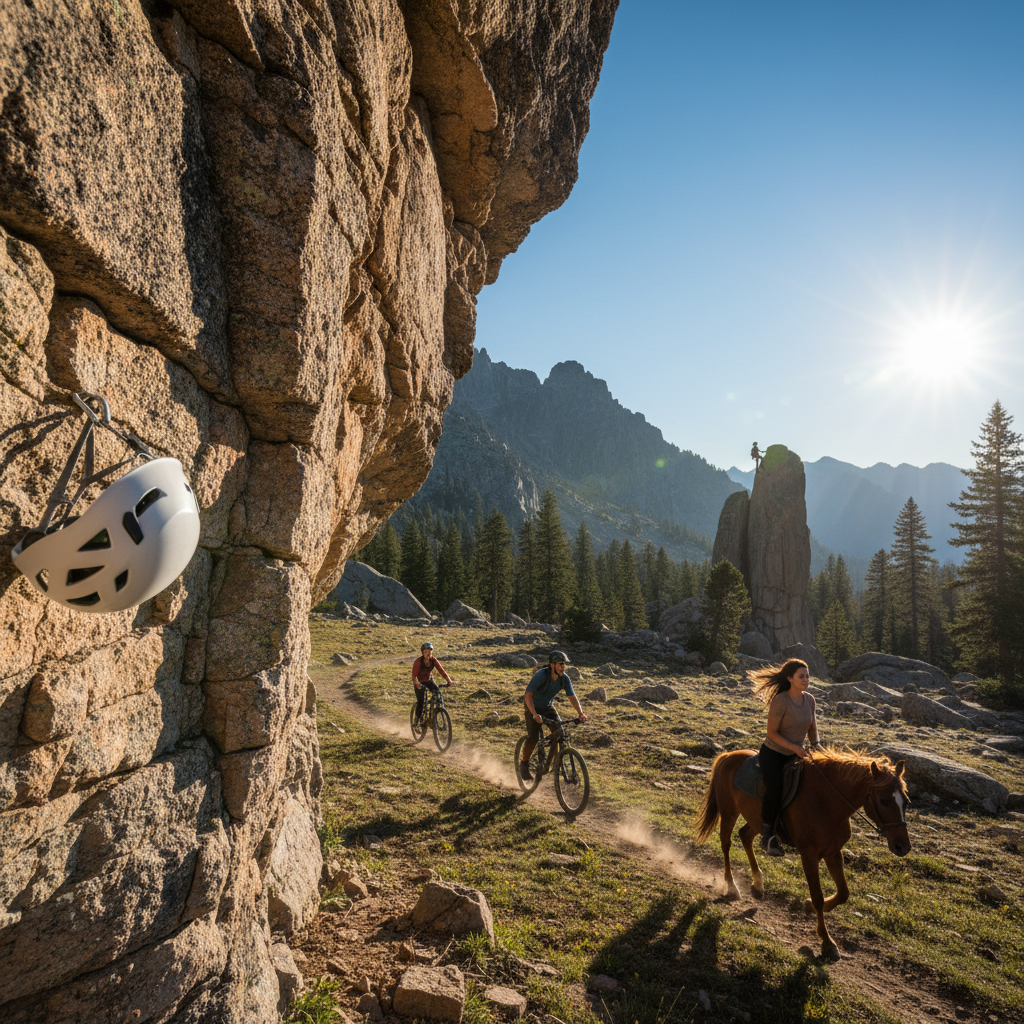
Your helmet might cover your head, but it leaves your face, neck, and ears exposed. These are prime real estate for sun damage. What many people don't realise is that surfaces like rock, sand, water, and even snow act like mirrors for UV rays. They reflect and intensify the radiation, meaning you're getting double doses – direct sunlight and reflected sunlight. For climbers, this is particularly problematic. Rock faces are often brightly coloured and highly reflective, especially granite and sandstone, common in Australian climbing areas.
How UV Reflection Amplifies Sun Damage:
Direct Exposure: The sun's rays hit you directly. This is what you're most aware of.
Reflected Exposure: UV rays bounce off the rock surface and hit you from below or the sides. This is the hidden danger.
Imagine standing on a brightly lit pavement on a hot day. You feel the heat from above, but you also feel the heat radiating up from the ground. UV reflection works on a similar principle. Those rays hitting the rock are scattered and redirected, increasing the UV load on your exposed skin, even areas that might seem shaded from the direct sun.
This reflected UV can penetrate your skin further and cause damage that accumulates over time. We're talking about increased risk of melanoma, basal cell carcinoma, squamous cell carcinoma, and premature ageing like wrinkles and sunspots.
Why Your Current Setup Isn't Enough
Let's be blunt. If you're wearing just a helmet, you're leaving a lot of skin vulnerable. Think about it:
Face: Your nose, cheeks, forehead, and chin are directly in the line of fire, both from above and reflected from below and the sides. Sunscreen can wash off with sweat or get rubbed off by your helmet straps.
Ears: Often forgotten, your ears are highly susceptible to sunburn and skin cancer. They're protruding and directly exposed.
Neck: The back and sides of your neck are constantly exposed, especially when looking up.
Eyes: While not strictly skin damage, reflected UV can contribute to eye strain and long-term damage like cataracts. We'll touch on this later.
Even with sunscreen, reapplication is key, and it's something many people neglect when focused on a climb or outdoor activity. The constant sweat and movement can also make it difficult to maintain effective protection.
Common Objections and How to Address Them:
1. “I only climb for short periods.” Even short, intense bursts of sun exposure are dangerous in Australia. UV levels can be extreme. Cumulative damage over time is also a major factor in skin cancer development.
2. “I wear sunglasses.” Great for your eyes, but they don't protect your skin. Sunglasses also offer limited protection from reflected UV coming from below.
3. “My helmet has a little brim.” Most standard climbing or cycling helmets have very small brims, designed primarily to keep rain or debris out of your eyes, not to block significant UV radiation. They offer minimal facial coverage.
4. “I use sunscreen religiously.” Sunscreen is essential, but it's not infallible. It needs regular reapplication, which is inconvenient and often forgotten when you're active. And it doesn't stop reflected UV from hitting your skin from below or the sides.
5. “It doesn't feel that hot/sunny.” UV radiation is invisible. You can't feel it, and a cloudy day doesn't mean you're safe. You need to check the UV index. In Australia, it’s often high even when it feels cool.
The Solution: Extended Protection for Exposed Areas
You need to extend protection beyond just your scalp. This means protecting your face, neck, and ears from both direct and reflected UV. The best way to do this is with a brim that's designed for serious sun protection.
Consider a brim that offers:
Wide Coverage: Enough to cast a shadow over your entire face and some of your neck.
Sufficient Depth: To block rays from above and angles.
Durability: To withstand the rigours of outdoor activity.
Easy Attachment: So you can add it to your existing helmet without hassle.
This is where dedicated helmet brims come in. Unlike flimsy hats that can blow off or get tangled, or inadequate helmet brims, a robust accessory can make a genuine difference.
Essential Protective Gear Checklist:
Here’s what you should aim for when heading outdoors in Australia:
[ ] A high-SPF, broad-spectrum sunscreen applied liberally to all exposed skin before you go out.
[ ] Reapplication of sunscreen every two hours, and after sweating or swimming.
[ ] A helmet suitable for your activity.
[ ] An extended helmet brim for facial and neck protection.
[ ] Sunglasses with UV protection (to complement your brim).
[ ] Long-sleeved clothing made from UPF-rated fabric (if appropriate for the activity).
- [ ] A wide-brimmed hat for times off the helmet, or when full coverage is needed.
How a Helmet Brim Works Against Reflection
A well-designed helmet brim acts like a broad-brimmed hat for your helmet. It extends significantly forward, creating a substantial shadow over your face. This shadow blocks both direct sunlight and reduces the amount of reflected UV radiation that can reach your skin from below and the sides.
By extending the shade further down your nose, across your cheeks and forehead, and also providing some coverage for your ears and neck depending on its design, it significantly lowers your cumulative UV exposure.
Step-by-Step UV Protection Strategy:
1. Assess the UV Index: Always check the daily UV forecast for your area. If it's 6 or above, you need serious protection.
2. Choose Your Gear: Select your helmet and ensure you have an effective, extended brim attached.
3. Apply Sunscreen: Cover all exposed skin (face, neck, ears, hands) with SPF 50+ broad-spectrum sunscreen. Don't forget the back of your neck and your ears.
4. Wear Your Helmet (with Brim): Securely fasten your helmet. Ensure the brim is positioned to provide maximum shade.
5. Consider Complementary Protection: Wear UV-blocking sunglasses. For activities where it's feasible, consider UPF clothing for arms and legs.
6. Stay Hydrated: While not directly UV protection, staying hydrated is crucial for overall well-being during prolonged sun exposure.
7. Seek Shade When Possible: Even with the best protection, use natural shade during breaks.
8. Reapply Sunscreen: Set a timer or make it a habit to reapply every two hours, or more frequently if sweating heavily.
Does this affect my vision?
A common concern is that a wider brim might obstruct your field of vision. This is a valid point, and it's why design matters. A good helmet brim, like the Products we offer, is engineered with a specific curvature and depth to maximise shade while minimising visual interference. The goal is to create a shadow, not a blindfold.
When you're climbing, your gaze often shifts upwards. An extended brim helps shield your eyes and face from glare reflecting off the rock face above or even you might be looking at. It can actually improve comfort by reducing squinting and eye strain, allowing you to focus better on the climb.
Installation is Simple:
Worried about complicated setups? Don't be. We've designed our brims for ease of use. You can find detailed instructions on How to Install. It takes just a few minutes, and the protection it offers is worth every second.
A quick look at our FAQ will address many common questions about compatibility, durability, and effectiveness.
The Australian Reality: Long Days, High UV
Australia's days are long, especially in summer. The sun can be relentless from early morning to late afternoon. Climbers might spend hours on a route, exposed to the elements. Cyclists can be out for entire days. The cumulative effect of continuous UV exposure, amplified by reflection, is significant. Ignoring this can lead to serious health consequences down the line.
Don't wait until you experience a painful sunburn or a doctor's scary diagnosis. Proactive protection is the smartest approach.
Make the Smart Choice for Your Skin
Your helmet is a vital piece of safety equipment for impact protection. It shouldn't be your only line of defence against the sun. By adding an extended helmet brim, you're significantly enhancing your protection against harmful UV radiation, especially the insidious threat of reflected UV from surfaces like rock.
Head over to our Products page to explore our range of helmet brims. Protect your exposed skin, reduce your risk of sun damage, and enjoy the outdoors more safely. It’s a simple, effective addition to your existing gear that can make a world of difference. For more tips and insights, check out our Blog.
Stay safe, and stay sun-smart.