
Rock's Hidden Sun Threat: Why Your Helmet Needs More Than Just a Brim
Heading for that boulder problem or multi-pitch? Rock faces aren't just for climbing – they're bouncing UV rays back at you. Learn how to combat this sneaky sun damage, even with your helmet on.
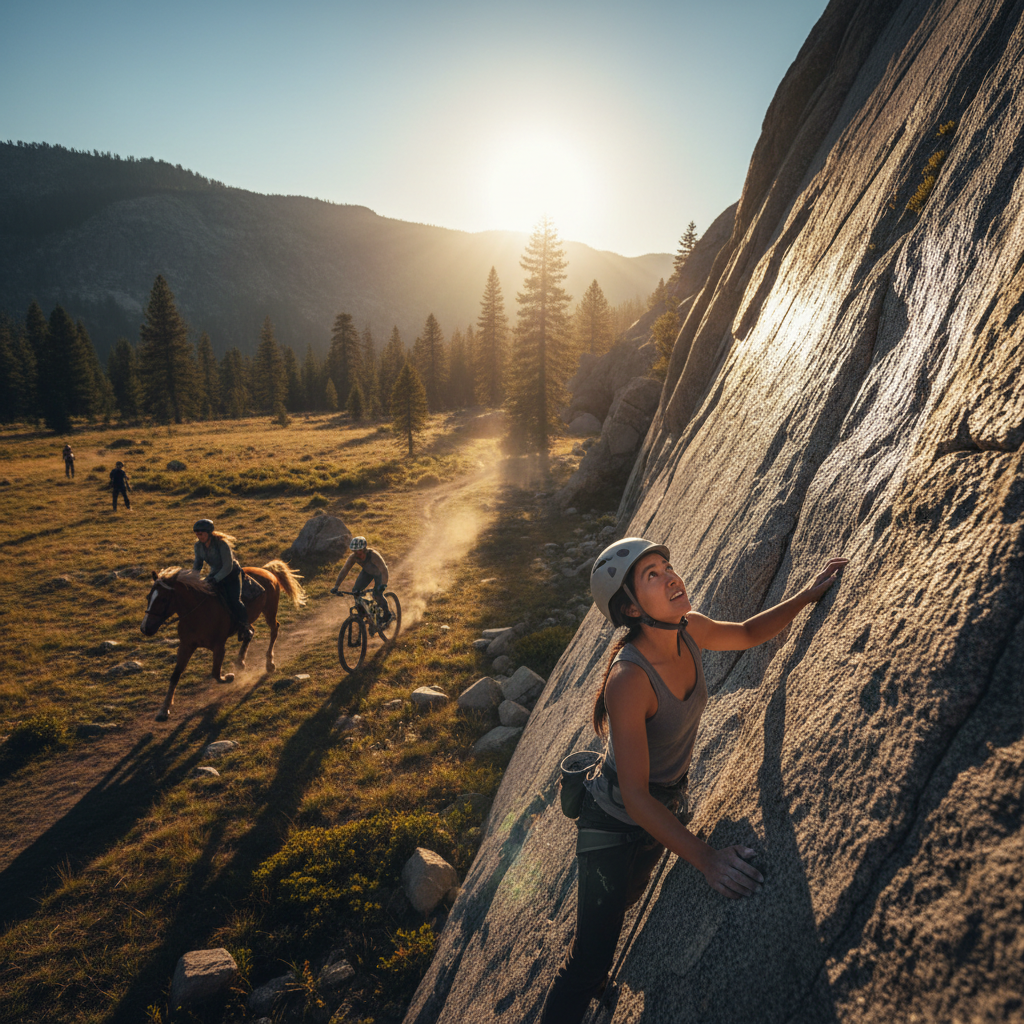
Rock Faces Aren't Just Walls: They're Sun Mirrors
Australia. We love its vast, rugged landscapes. And for many, that means hitting the rock. Whether you're a seasoned climber tackling a challenging multi-pitch, a boulderer working a problem, or even a hiker on a scenic trail, you're likely spending time exposed to the elements. We all know about the big, bright sun in Australia. Most of us are pretty clued up on sunscreen, hats, and sunglasses. And if you're wearing a helmet, you think you're covered, right? Think again.
Your helmet is crucial for impact protection, no question. But when it comes to sun damage, especially in harsh Australian conditions, a helmet alone might not be enough. Especially when you're climbing. Why? Because rock, particularly lighter-coloured rock like granite, sandstone, and even some types of limestone, is a fantastic reflector of Ultraviolet (UV) radiation. It acts like a giant, rough mirror, bouncing those damaging rays back up at you from angles your standard brim might miss. This is what we call 'reflected UV damage'.
The Sneaky Danger of Reflected UV
Most people think about UV rays coming directly from the sun. That's the primary source, absolutely. But the Australian sun is notoriously strong, with UV Index readings frequently hitting the 'very high' and 'extreme' categories, especially during peak hours and in summer. When these intense rays hit a rock face, they don't just get absorbed. A significant portion bounces off.
Imagine you're looking up at a wide overhang. The sun might be behind you, or off to the side. The rays hit the rock above you and then reflect downwards, and inwards, straight into areas that your helmet brim is designed to shade from direct sunlight. Your ears, your neck, the sides of your face, and even the underside of your chin can be exposed to these secondary, reflected rays. Over prolonged periods, this constant bombardment from multiple angles significantly increases your cumulative sun exposure and the risk of sunburn, premature ageing, and skin cancer.
It’s not just about the intensity of the UV rays; it’s about the direction and the surfaces they interact with. Lighter, more porous rocks reflect more UV than darker, denser ones. And climbing often puts us in direct contact with, or close proximity to, these highly reflective surfaces for hours.
Australian Conditions Amplifying the Risk
We're not talking about a quick trip to the beach here. In Australia, climbing often involves:
Long days: Accessing routes can take time, and climbing sessions can stretch for many hours. The longer you're out, the more cumulative UV you're exposed to.
High UV Index: Even on a cloudy day in some parts of Australia, UV levels can be dangerously high due to atmospheric conditions. In direct sun, it's extreme.
Heat: While heat and UV are different, they often go hand-in-hand in Australian climbing destinations. The heat makes you feel like you need shade, but it doesn't negate the UV bounce.
Altitude: In some mountainous regions, higher altitudes mean less atmospheric filtering of UV rays, increasing their intensity.
So, you're wearing a helmet, which is a good start. But is it enough to combat the relentless Australian sun bouncing off 20 metres of sheer granite? Probably not.
Beyond the Basic Brim: What Your Helmet Needs
Standard climbing helmets are designed for impact, not necessarily for comprehensive sun protection. While they offer some shade, they often leave significant areas exposed. This is where supplementary protection becomes vital. My Da Brim is designed specifically to augment the sun protection offered by your existing helmet. It’s not about replacing your helmet; it’s about making it a more effective sun-shielding device.
Think about it: a standard hat brim is designed to shade your face from overhead sun. A climbing helmet brim is usually smaller, for practicality and to avoid snagging. But neither is designed to combat UV reflecting up from below or from the sides, a common occurance when you're plastered against a rock face.
Common Objections and How to Handle Them
1. "My helmet has a brim, isn't that enough?"
A standard helmet brim offers direct overhead shade. It does little to protect your ears, neck, or lower face from UV rays bouncing off the rock, especially when looking upwards or sideways. In Australian conditions, this reflected UV can be significant.
2. "I don't get sunburned easily."
Cumulative UV exposure isn't just about painful sunburn. It’s about long-term skin damage, premature ageing (wrinkles, sunspots), and significantly increased risk of skin cancer. Even if you don't burn acutely, the damage is still occurring over time.
3. "It will be too hot and I'll overheat with extra protection."
My Da Brim is designed for ventilation and uses lightweight, breathable materials. It mounts securely to your helmet, extending the shade without adding significant heat or bulk.
4. "It will get in the way while climbing."
The product is designed to be aerodynamic and minimise snagging. Its extended brim provides crucial shade without obscuring your vision or interfering with your movement. Installation is simple, and you can remove it if not needed.
5. "I use sunscreen, so I'm fine."
Sunscreen is essential, but it’s not foolproof. It needs to be applied correctly, reapplied frequently (especially if sweating), and can be rubbed off. Relying solely on sunscreen when exposed to intense reflected UV is risky. Mechanical barriers like brims are far more reliable for constant, non-evaporating protection.
The Science of Reflection: A Simple Table
Different rock types have varying UV reflectivity. Lighter, rougher surfaces tend to reflect more. Here's a simplified look at how this impacts your exposure:
| Surface Type | Direct UV Impact | Reflected UV Impact | Example | Notes |
|---|---|---|---|---|
| Light Granite | High | Very High | Many Australian crags |
| Sandstone | High | High | NSW, SA, WA locations | Porous, often light coloured
| Dark Basalt | High | Low | Volcanic areas | Absorbs more UV
| Shaded Area | Low | Low | Under an overhang | Minimal direct/reflected UV
This table highlights that even if you're seeking shade under an overhang, the rock around you can still be bouncing UV rays onto your exposed skin.
How to Maximise Your Sun Protection on the Rocks
It’s about a layered approach. No single item is a magic bullet, but combined, they form a strong defence.
Know the UV Index: Check the daily UV forecast. If it's high (6+), be extra vigilant.
Layer Up: Wear lightweight, long-sleeved UPF-rated clothing. This protects skin not covered by your helmet.
Sunscreen: Apply broad-spectrum sunscreen with SPF 50+ generously to all exposed skin at least 20 minutes before going outside. Reapply every two hours, or more often if sweating heavily or swimming.
Sunglasses: Crucial for eye protection from UV.
Helmet + Enhanced Brim: This is the critical combination for head and face protection. My Da Brim attaches to your helmet, extending its protective shadow.
Step-by-Step: Enhancing Your Helmet's Sun Defence
1. Assess Your Helmet: Does it have any existing brim? What is its size?
2. Identify Exposed Areas: When you're in a typical climbing posture, where does the sun hit you that your helmet brim doesn't* cover? Think ears, neck, sides of the face, chin.
3. Choose Your Solution: Select a helmet brim designed to attach to your specific helmet type. My Da Brim is versatile and designed for compatibility with many standard climbing and industrial helmets.
4. Install the Brim: Follow the simple instructions provided. This usually involves hooking or clipping the brim onto the helmet's rim. Check out our How to Install guide for detailed steps.
5. Test and Adjust: Try the helmet on. Check your field of vision. Ensure the brim is secure but not uncomfortable.
6. Wear it Consistently: Make it a habit to attach the brim whenever you're climbing or spending extended time in the sun. Even if you think it's not that sunny, UV rays are insidious.
What My Da Brim Offers
My Da Brim is engineered to provide a significant increase in shade over standard helmet brims. It extends forward, and often downwards, to capture those reflected UV rays that would otherwise hit your face. It’s lightweight, durable, and designed to integrate seamlessly with your helmet for maximum comfort and effectiveness. It’s about providing that extra layer of defence against the sun's relentless glare and its damaging UV output, especially in tough Australian environments. You can find a range of options in our Products section.
Don't Let Reflected UV Ruin Your Climb
Climbing in Australia offers unparalleled experiences, but the sun is a constant, powerful factor. Don't let the reflective nature of rock faces catch you out. By augmenting your helmet's protection with a purpose-built brim, you can significantly reduce your exposure to damaging UV radiation, both direct and reflected. It's a practical, effective step towards safer, more enjoyable adventures. For more common questions about sun safety and my products, check out our FAQ or browse our Blog for more tips.