
Rockface Reflections: How UV Damage Multiplies When You Climb in Australia
Climbing in Australia means sun. But it's not just direct rays. Learn how rock reflections amplify UV damage, why your helmet shade isn't enough, and practical ways to protect yourself.
Rockface Reflections: How UV Damage Multiplies When You Climb in Australia
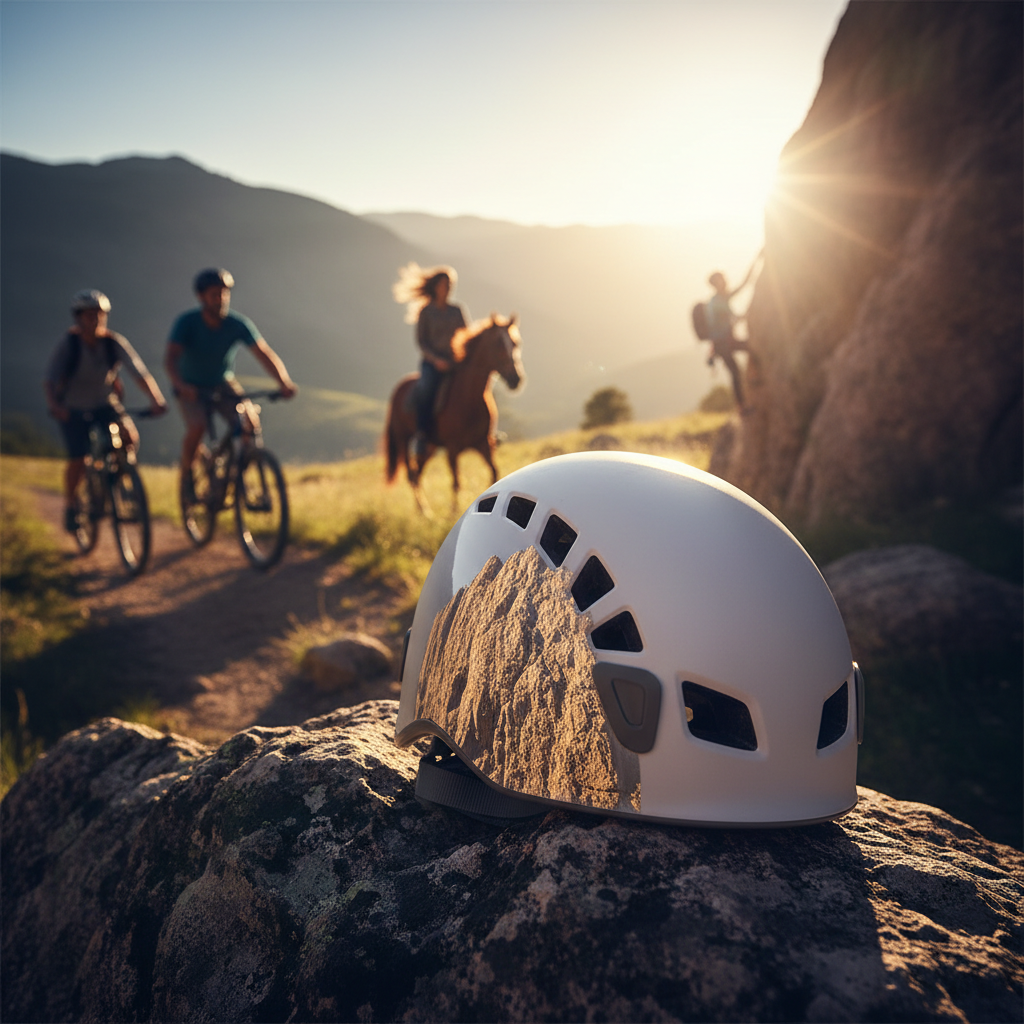
Alright climbers, let's cut to the chase. You wear a helmet for head protection on the rock, and that's non-negotiable. But we're in Australia. The sun here isn't messing around, and it's not just the direct blast you need to worry about. You're in an amplifier chamber up there.
We're talking about UV reflection from rock. It's a brutal reality that can significantly increase your sun damage, even with a helmet on. Let's break down why, what it means for you, and how to actually stop it.
The Sun Isn't Your Only Enemy on the Wall
Direct sunlight is the obvious culprit. The UV index in many parts of Australia regularly hits 'Extreme' levels, especially during summer. That's enough to fry an egg on the pavement, let alone your exposed skin. But when you're on a rock face, you're getting a double dose. The sun's rays hit the rock, and then a significant portion of that UV radiation bounces off, back towards you.
Think of it like a disco ball, but instead of flashing lights, it's bouncing damaging UV rays. And unlike a disco, there's no fun music.
Why Rock Reflects UV
Different rock types have varying reflective properties. Generally, lighter-coloured rocks, like granite and sandstone, are more reflective than darker rocks. But even darker rocks will still bounce a considerable amount of UV back at you. It's the nature of surfaces reacting to light. The rougher the texture, the more angles there are for the light to scatter and reflect.
This means, regardless of whether you're scaling the towering granite cliffs of the Grampians or the red sandstone of the Watarrka National Park, you're dealing with amplified UV exposure.
The Helmet Conundrum: Is Shade Enough?
Your helmet provides crucial protection for your head. It offers some shade to your face when positioned correctly. However, standard helmet designs are fundamentally flawed when it comes to comprehensive sun protection. They're designed for impact, not for blocking intense, multi-directional UV light.
Consider this:
Limited Coverage: A helmet brim, even a good one, only shades a portion of your face and neck. The sides, the back of your neck, and your ears are still exposed, especially when the sun is high or at an angle.
Reflection from Below: When UV reflects off the rock face and hits the underside of your helmet brim, it can bounce upwards, further exposing your face and eyes.
Angles Matter: As you move and contort your body to climb, the angles of incidence for both direct sunlight and reflected UV change constantly. There's no fixed position where your helmet will guarantee full protection throughout a climb.
So, while your helmet is essential, relying on it alone for UV protection against both direct and reflected rays is a gamble you don't want to take under the harsh Australian sun. Prolonged exposure, even in smaller doses from multiple angles, leads to cumulative damage.
The Real Risks: Beyond a Sunburn
We're not just talking about a bit of redness that fades. Excessive UV exposure, intensified by rock reflection, significantly increases your risk of:
Skin Cancer: This is the big one. Melanoma and other skin cancers are a serious threat for all Australians, and climbers spending regular, intense hours outdoors are at higher risk.
Premature Skin Ageing: Wrinkles, sun spots, and leathery skin. Not ideal for your climbing photos.
Eye Damage: Cataracts, pterygium (surfer's eye), and other vision problems can develop over time from UV exposure.
Sunburn: Painful, immediate, and contributes to long-term damage.
UV Index & Australian Conditions
The Bureau of Meteorology's UV Index is your best friend in Australia. When it's 3 or above, sun protection is recommended. During peak summer months, particularly between 10 am and 3 pm, it frequently hits 7, 8, 9, and even 11 – that's labelled as 'Very High' to 'Extreme'.
Long days spent on multi-pitch routes mean prolonged exposure. The heat is also a factor – it can be intense, but it's the UV radiation that causes the cellular damage. You can feel hot but not necessarily burning, only to realise the damage is being done.
Practical Solutions: More Than Just Sunscreen
Sunscreen is a must, a foundational layer of defence. But on the rocks, you need to go beyond that. We need to think about blocking, not just absorbing UV.
Here's how to fight the multi-directional UV battle:
Essential Sun Protection Gear
High SPF Sunscreen: Apply liberally and frequently to all exposed skin – face, neck, ears, hands.
Lip Balm with SPF: Don't forget your lips. They burn too.
UV-Protective Clothing: UPF rated long-sleeved shirts and pants are ideal. Lightweight and breathable fabrics are key in Australian heat.
Wide-Brimmed Hats: While not always practical while climbing due to helmet interference, they are excellent for approaches and descents.
Sunglasses: Crucial for protecting your eyes. Look for 100% UVA/UVB protection.
A Helmet Brim Extender: This is where you can make a significant upgrade to your existing setup.
Enhancing Your Helmet's Sun Defence
This is where we get practical. Your helmet was designed for safety, but you can adapt it for better UV protection. Standard brims are often too short to effectively combat reflected UV or the low-angle sun on long climbing days.
The Problem with Standard Bims
| Helmet Brim Type | Sun Protection Efficacy (Against Direct & Reflected UV) | Notes |
|---|---|---|
| Short (typical climbing helmet) | Low | Offers minimal shade, easily outmaneuvered by reflected UV. |
| Medium (some industrial helmets) | Moderate | Better shade, but still can be compromised by reflected rays and angles. |
| Extended (purpose-built) | High | Designed to provide maximum shade and block reflected UV from multiple angles. |
Introducing the Da Brim
This is not about reinventing the wheel; it's about enhancing what you've already got.
Products designed to attach to your existing helmet can extend the brim's coverage significantly. These are specifically engineered to catch low-angle sun and block those nasty UV rays bouncing off the rock face. They create a much larger barrier, providing shade not just for your face but also for a good portion of your neck.
Why a Da Brim is a Game-Changer for Australian Climbers:
Extended Coverage: Provides significantly more shade than a standard helmet brim.
Blocks Reflected UV: The larger surface area and often slightly forward-sloping design help deflect UV light that would otherwise bounce up from the rock.
Reduces Glare: Helps reduce the intensity of light hitting your eyes.
Cost-Effective: Far cheaper than buying a new helmet and much more practical than trying to wear a separate hat under or over your climbing helmet.
Easy Installation: Designed to be simple to attach to most standard climbing helmets.
Installation is Straightforward
Worried about complicated setup? You shouldn't be. The How to Install guide on our site walks you through it. It's a quick process that dramatically boosts your ability to withstand the Australian sun.
Basically, it involves securing the brim to your helmet using the provided straps or clips. It's designed to be snug and secure, so it won't budge during your climb. No tools, no fuss.
A Quick Checklist for Rock-Warrior Sun Safety:
Before you even rock up to the crag:
[ ] Helmet Check: Is your helmet in good condition? Does it fit properly?
[ ] Brim Secured: If you use an extended brim, is it firmly attached?
[ ] Sunscreen Applied: High SPF, all exposed skin (don't forget ears and neck!).
[ ] Lip Balm: SPF lip balm ready to go.
[ ] Protective Clothing: UPF rated long sleeves and pants packed?
[ ] Sunglasses: Packed and protected.
[ ] Water: Hydration is key, and dehydration can make you feel heat more intensely.
[ ] Plan Your Climb: Consider the sun's position and how long you'll be exposed.
Final Word: Don't Let the Sun Beat You
Climbing in Australia is an incredible experience, but we have to be smart about the sun. Direct rays are one thing, but the amplified UV bouncing off rock faces is a stealthy attacker. Your helmet is crucial for impact, but for comprehensive sun protection, you need to augment its capabilities. Don't get caught out by the reflections. Protect your skin, protect your eyes, and keep on climbing safely.
For more tips and to find the right gear to upgrade your sun defence, head over to our Products page or check out our FAQ for common questions. And don't forget to browse the rest of the Blog for more Australian climbing insights.