
Rock, Sun, and Damage: Why Your Helmet Isn't Enough
Think your helmet protects you from the sun? Think again. UV reflection off rock amplifies sun damage, especially in Australia. Learn how to protect your face and neck.
Rock, Sun, and Damage: Why Your Helmet Isn't Enough
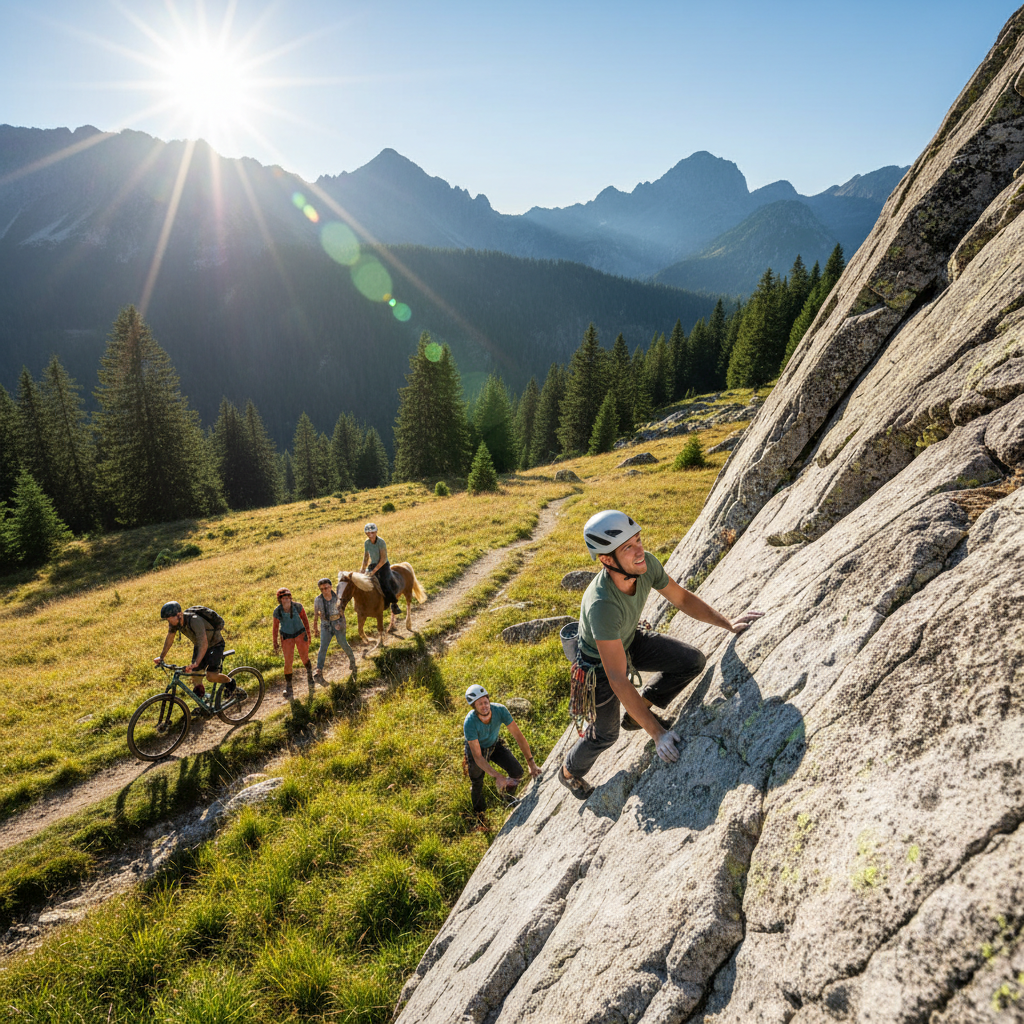
You've got the helmet. You've got the chalk. You're ready to conquer that climb. But are you ready for the sun? Many climbers assume their helmet is a one-stop shop for protection, shielding them from both falling rocks and UV rays. While a helmet is crucial for impact safety, it offers surprisingly little protection against the sun's relentless assault, especially when you factor in the unforgiving Australian environment.
Let's talk about UV reflection. It's not just about the direct sunlight hitting your skin. When the sun's rays bounce off surfaces – particularly light-coloured and rough surfaces like rock – they intensify and hit you from multiple angles. This means even if the sun isn't directly overhead, you're still being bombarded. And in Australia, this isn't a minor inconvenience; it's a serious risk.
The Australian UV Hazard
We all know Australia has a reputation for harsh sunlight. The UV Index here regularly reaches extreme levels, particularly during the summer months. On a clear day, that UV index can go well above 10, even early in the morning or late in the afternoon. Long days spent outdoors, whether you're approaching a crag, belaying, or resting, mean prolonged exposure. Add to this the reflective properties of rock, and you've got a recipe for significant sun damage. Your face, neck, and the backs of your hands are particularly vulnerable.
Your helmet, by design, is primarily focused on head protection. The brim, if it has one, is usually quite small and angled downwards to protect your eyes from glare and minor debris. It does little to shield your cheeks, nose, forehead above the helmet line, or your neck from this amplified, reflected UV radiation. Think about it: when you're looking up at a route, the underside of the rock you're gazing at is precisely where the sun's rays are bouncing off and into your face. If you're belaying someone on a sunny day, you're essentially a stationary target for reflected UV.
Beyond the Burn: The Real Risks
Sunburn is the immediate, obvious consequence. It's painful, it's uncomfortable, and it can ruin a climbing trip. But the long-term effects of cumulative UV exposure are far more serious:
Premature Skin Ageing: Wrinkles, leathery skin, sunspots – your skin shows the signs of unprotected sun exposure. This isn't just about aesthetics; it's a sign of cellular damage.
Actinic Keratoses (AKs): These are pre-cancerous skin lesions that develop from prolonged sun exposure. They can be rough, scaly patches and can potentially develop into squamous cell carcinoma.
Skin Cancers: The most serious risk. Basal cell carcinoma, squamous cell carcinoma, and the potentially deadly melanoma are all directly linked to UV radiation. The more you expose yourself without protection, the higher your risk.
Climbers are a high-risk group. Many hours are spent outdoors at altitude (where UV is stronger) with significant reflective surfaces. It’s time to get serious about protecting your skin.
Common Objections and Why They Don't Hold Up
We hear it all the time. "I don't burn easily." "I'm only out for a few hours." "My helmet is enough."
"I don't burn easily": Genetics play a role, but UV damage is cumulative. Even if you don't get a visible burn, your skin is still absorbing damaging radiation. Over time, this damage adds up. Australian UV levels often exceed what many people's skin can comfortably tolerate, regardless of perceived sensitivity.
"I'm only out for a few hours": A few hours on a sunny Australian day, especially when reflected UV is in play, is more than enough to cause significant damage. UV doesn't take a break.
"My helmet is enough": As we've discussed, a helmet's primary function is impact protection. Its sun-blocking capabilities are secondary and often insufficient. The design of most climbing helmets leaves large areas of the face and neck exposed to potentially intense reflected UV.
The Simple Solution: Added Brim Protection
This is where practical, no-nonsense solutions come in. You need to add effective sun protection that works with your helmet, not instead of it. Think of it like adding a good pair of sunglasses to your climbing kit – a necessary addition for optimal performance and safety.
Introducing Da Brim
Da Brim is designed specifically to extend the protective shadow cast by your helmet. It’s not about looking good (though it does that too!), it’s about practical UV defence. It attaches easily to most standard climbing and work helmets, instantly expanding your shaded area and significantly reducing the amount of UV radiation hitting your face and neck. This is crucial for climbers who spend long days under the brutal Australian sun, especially in rocky environments.
How it Works:
Da Brim effectively creates a larger, more consistent shade zone around your helmet. This shade directly blocks a significant portion of both direct and reflected UV rays. The wider brim offers superior protection to the tiny, often poorly positioned brims found on standard helmets.
When Do You Need It Most?
Direct Sunlight: Obvious, but crucial. Any time the sun is out, especially during peak UV hours (10 am - 3 pm).
Rock Climbing & Bouldering: The reflective nature of rock is the primary culprit. Your face, nose, and neck are constantly exposed to bounced UV.
Approaching & Descending: Often done in open, sunny terrain where shade is minimal.
Belaying: You might be sitting or standing still, making you a stationary target for reflected sun.
Multi-pitch Climbs: Long days mean prolonged exposure. Even if you're in shade for part of the climb, the transitions and belay stances can be brutally sunny.
High Altitude Climbs: UV intensity increases with altitude.
Da Brim Options and Installation
Da Brim comes in a few styles, but for climbing, the standard and wide-brim designs offer excellent coverage. They are designed to be lightweight and durable, suitable for the demands of outdoor activities.
Installation is a Breeze
Don't let the thought of 'adding something' put you off. We've made installation simple.
Step-by-Step Installation Guide:
1. Identify Attachment Points: Most standard helmets have a rim or edge where the brim can be attached. Some also have specific mounting points for accessories.
2. Align the Brim: Position Da Brim around the circumference of your helmet, ensuring it sits evenly.
3. Secure the Fasteners: Da Brim uses a robust, yet easy-to-use, attachment system (typically adjustable straps or clips) to secure it firmly to your helmet. Follow the specific instructions for your Da Brim model.
4. Adjust for Fit: Ensure the brim is snug and doesn't move excessively when you nod or shake your head. It should extend outwards to provide maximum shade.
It genuinely takes only a minute or two. You'll find detailed instructions and often videos on our Products page and in our FAQ section.
Protecting the Unprotected Areas
Let's look at where typical helmets fail and how Da Brim helps:
| Area of Face/Neck | Helmet Coverage | Da Brim Added Coverage
| :---------------- | :-------------- | :---------------------- |
| Forehead (above eye line) | Minimal/None | Significant |
| Cheeks | Minimal/None | Significant |
| Nose | Minimal/None | Significant |
| Upper Neck | Minimal/None | Significant |
| Ears | Minimal/None | Moderate |
This visual clearly shows the gap in protection that Da Brim fills. It's not about replacing your helmet; it's about enhancing its protective capabilities against a very real and present danger.
Your Sun Safety Checklist for Climbing
Don't leave your skin to chance. Make these essential checks part of your climbing routine:
Helmet Check: Is your helmet properly fitted and in good condition?
Da Brim Check: Is your Da Brim securely attached and providing adequate shade?
Sunscreen Application: Apply a broad-spectrum, high SPF sunscreen to all exposed skin before you go outside. Reapply every two hours, or more often if sweating heavily or swimming.
Protective Clothing: Wear UPF-rated clothing, long sleeves, and trousers where practical. Don't forget UPF gloves or sunscreen for your hands.
Eyewear: Even with a brim, sunglasses with good UV protection are essential for eye health.
Hydration: Stay hydrated. Dehydration can exacerbate the effects of sun exposure.
- Seek Shade: Whenever possible, take breaks in shaded areas.
The Bottom Line
Climbing in Australia is a dream, but it demands respect for the environment, including its powerful sun. Your climbing helmet is indispensable for safety, but it's only one piece of the puzzle. UV reflection off rock amplifies the sun's damage in ways many climbers don't consider. By adding a Da Brim to your helmet, you're taking a practical, proactive step to protect your skin from the damaging effects of UV radiation, reducing your risk of sunburn, premature ageing, and skin cancer.
Don't let the sun dictate your climbing experience or compromise your long-term health. Equip yourself with the right gear. For more information on our products and how to get the best protection, head to our Products page or check out our FAQ. You can also find more tips and stories in our Blog.
Stay safe, climb smart, and protect your skin.