
Rock Reflection: The Hidden UV Threat for Australian Helmet Wearers
Think sunscreen is enough? Think again. Learn how rock surfaces amplify UV damage, especially under harsh Australian sun, and how to stay protected.
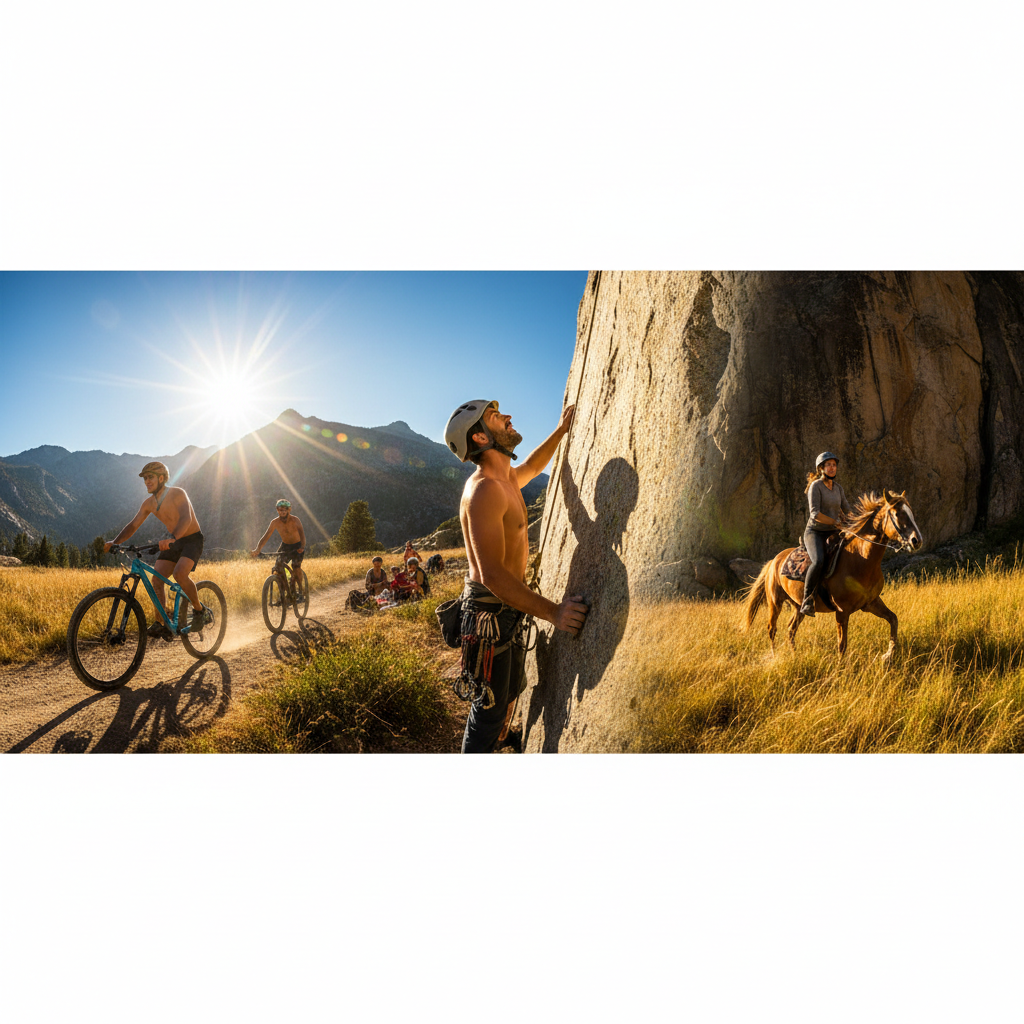
Rock Reflection: The Hidden UV Threat for Australian Helmet Wearers
If you spend any time outdoors in Australia, you know the sun is no joke. We’re blessed with beautiful weather, but that also means serious UV levels. You probably slather on sunscreen, wear a hat, and maybe even sunglasses. But what if the very surfaces you’re interacting with are actively working against your sun protection?
We’re talking about rock. Especially in places like the Blue Mountains, Grampians, or even your local bouldering spot, rock faces can act like giant, natural mirrors, bouncing UV rays right back at you. This reflective UV radiation increases your overall exposure, meaning more damage than you might think. For helmet wearers – climbers, hikers, construction workers, anyone working at heights – this is a crucial detail you can’t afford to ignore.
Understanding UV Reflection
Ultraviolet (UV) radiation from the sun is invisible but damaging. It’s responsible for sunburn, premature ageing, and significantly increases your risk of skin cancer. While direct sunlight is the primary source of UV, reflective surfaces amplify the problem. Think about how much hotter the sand feels underfoot at the beach, or how the glare off a car windscreen can be blinding. This is the same principle, but with UV rays.
Why is Rock Such a Problem for Reflection?
Different surfaces reflect UV rays to varying degrees. Smooth, light-coloured surfaces are generally the most reflective. Granite, sandstone, and even painted concrete can bounce a significant amount of UV radiation back into the environment.
Sandstone: Common in many Australian climbing areas, sandstone is porous and can have a high surface area. Its often lighter colour makes it a significant reflector.
Granite: Another popular climbing rock, granite can also be quite reflective, especially when dry and light-coloured.
Cooled Lava Rock: Dense and often dark, but still has a degree of reflectivity.
Unlike water, which reflects about 10% of UV rays, or even snow, which can reflect upwards of 80%, rock typically reflects around 15-25%. While this might seem low compared to snow, consider the context:
1. You’re often close to the rock. This proximity means the reflected UV is hitting you from a very short distance.
2. Australian UV Index is High. Even a moderate reflection can be significant when the base UV level is already extreme. On a typical summer day in many parts of Australia, the UV Index can easily reach 11 or higher. At these levels, unprotected skin can burn in as little as 10 minutes.
3. Long Days Spent Outdoors. Whether you’re on a multi-pitch climb or a long hike, you’re spending hours exposed to both direct and reflected UV.
The Helmet Conundrum: Protection, But Not Perfection
Hemets are essential safety gear. They protect your head from falling objects and impacts. But a standard helmet, by design, leaves large areas of your face, neck, and ears exposed. The areas most vulnerable to reflected UV.
Imagine yourself at the base of a cliff, looking up. The sun is beating down. You're wearing your helmet. The rock face above you is soaking up that intense UV and then bouncing it back down. It's hitting the underside of your brim, your forehead, your cheeks, your nose, and your ears. This reflected radiation adds to the direct sunlight hitting you, creating a double dose of damage.
This is why just wearing a helmet isn't enough. It's like wearing sturdy boots for a hike – they’re vital, but they don’t protect you from a sunburn on your arms.
Overcoming Objections and Misconceptions
We get it. You think you're covered. Let's tackle some common excuses:
“I wear sunscreen, so I’m fine.”
Sunscreen is critical, but it’s not foolproof. Sweating, rubbing against gear or the rock, and reapplying it perfectly every two hours (which most people don't) are all factors that reduce its effectiveness. Reflected UV can hit areas you might have missed, or where sunscreen has worn off.
“It’s cloudy, so I don’t need to worry.”
Clouds block visible light, but UV rays can still penetrate clouds. In Australia, a cloudy day doesn’t guarantee safety. You can still get significant UV exposure, and reflection from rock will still be a factor.
“I’m only out for a couple of hours, not all day.”
In Australia, especially during peak UV hours (usually 10 am to 3 pm), even a short exposure can be damaging. And if you're climbing, a “couple of hours” can easily turn into longer sessions, especially if you're enjoying yourself.
“My helmet has a brim. That should be enough.”
A standard helmet brim offers some shade, but it’s often too short and too narrow to effectively block reflected UV that bounces up from below or to the sides. It’s designed primarily for direct overhead sun and impact protection, not for diffuse, reflected radiation.
The Impact of Heat
Australian summers are notoriously hot. High temperatures often go hand-in-hand with high UV levels. The intense heat can make you feel more vulnerable, and you might be tempted to seek shade where possible. However, rock surfaces absorb heat and can radiate it back, creating a microclimate that can feel even hotter and intensify the feeling of being baked by the sun. This warmth can also make you sweat more, increasing the likelihood of sunscreen running into your eyes or wearing off.
Practical Solutions for Hat Wearers
The good news is you can significantly improve your protection. The key is to create a barrier against both direct and reflected UV.
1. Full Coverage Sunscreen:
Apply liberally to all exposed skin, including your face, neck, ears, and hands.
Use a broad-spectrum sunscreen with an SPF of 30 or higher (SPF 50+ is recommended in Australia). Water-resistant formulas are best.
Reapply every two hours, and more often if sweating heavily or swimming.
2. Protective Clothing:
Long-sleeved shirts and long pants made from UPF-rated fabric offer excellent protection.
Even a lightweight, breathable long-sleeved shirt can make a big difference compared to short sleeves.
3. Sunglasses:
Choose sunglasses that block 99-100% of UV rays.
Wraparound styles offer better protection around the edges.
4. Hydration:
Stay hydrated to combat the effects of heat and sun exposure.
5. Consider Added Brim Technology:
This is where gear designed for purpose makes a real difference. Standard helmets often lack adequate brim coverage for reflected UV. The solution? Adding a larger, more effective brim that can be attached to your existing helmet.
Look for brims that:
Are larger than standard helmet brims.
Offer extended coverage around the sides and front.
Are made from durable, UV-resistant materials.
This is precisely why we developed our helmet brims. Designed to attach securely to most standard helmets, they provide significantly more shade and protection against both direct and reflected UV. They are built to withstand the rigours of outdoor activity and are a simple yet highly effective upgrade to your existing safety gear.
Checklist for Enhanced Sun Protection
Before your next outdoor adventure, run through this quick checklist:
[ ] Broad-spectrum sunscreen (SPF 30+, ideally 50+) applied liberally.
[ ] Sunscreen reapplied every 2 hours or after heavy sweating.
[ ] UPF-rated clothing, including long sleeves and pants where appropriate.
[ ] Full UV-blocking sunglasses.
[ ] Wide-brimmed hat (if not wearing a helmet, or for use off the rock).
[ ] For helmet wearers: A supplementary, extended brim attachment for your helmet.
[ ] Plenty of water!
How to Maximize Your Protection: Step-by-Step
Let's break down how to put this into practice, especially when heading to a rock face:
Step 1: Pre-Trip Preparation
Check the UV Index: Look up the forecast for your location and time of day. If it’s 3 or above, take sun protection seriously. In Australia, it’s often 10+ during summer.
Pack Smart: Ensure you have all the items from the checklist above.
Install Your Brim: If you’re using an extended brim attachment, make sure it’s securely fastened to your helmet according to the How to Install instructions.
Step 2: Application and Dressing
Sunscreen First: Apply sunscreen to all exposed skin before you put on your helmet or other gear. Give it a few minutes to absorb.
Dress Appropriately: Put on your UPF clothing, sunglasses, and then your helmet with the brim attachment.
Step 3: During Your Activity
Be Mindful of Reflection: As you ascend or traverse rock faces, be aware that UV rays are bouncing off the surface. Your extended brim is designed to shield your face and neck from this.
Reapply Sunscreen: Set a reminder to reapply sunscreen every two hours, or more frequently if you're sweating. This might mean taking a brief pause. You can usually reapply to your face and neck without removing your helmet entirely.
Hydrate Regularly: Sip water consistently throughout your activity.
Step 4: Post-Activity Care
Check for Sunburn: Inspect your skin, especially areas often missed or exposed to reflection, for any redness.
Moisturise: Apply a soothing moisturiser if your skin feels dry.
Frequently Asked Questions
We know you’ll have questions about protecting yourself. For more detailed answers, visit our FAQ page.
Will a brim attachment make my helmet too hot? Our brims are designed to be lightweight and allow for airflow, minimising heat build-up.
Are these attachments compatible with all helmets? While they are designed for a wide range of common helmets, compatibility can vary. Check our Products page for specific details and fitment guides.
How durable are these brims? They are constructed from tough, UV-resistant materials designed for outdoor use. However, like all gear, they have their limits. Treat them with care for maximum longevity.
Don’t Let Rock Reflection Derail Your Sun Safety
Australia's sun is intense. When you add the amplifying effect of UV reflection from rock surfaces, you’re facing a heightened risk of sun damage. For anyone wearing a helmet outdoors, whether for sport, work, or recreation, a standard helmet’s protection is often incomplete.
Don’t leave your skin to chance. By understanding the risks of reflected UV and implementing practical solutions, you can enjoy your time outdoors safely. Upgrading your helmet with an extended brim is a simple, cost-effective way to significantly boost your protection against the harsh Australian sun. Be smart, be safe, and keep exploring.
For more tips and product information, explore our Blog or head to our Products page to find the right brim for your helmet.