
Rock Reflection: The Hidden Sun Threat for Climbers
Think your helmet is enough? Think again. UV reflection from rock surfaces in Australia dramatically increases your sun damage risk. Learn how to protect yourself.
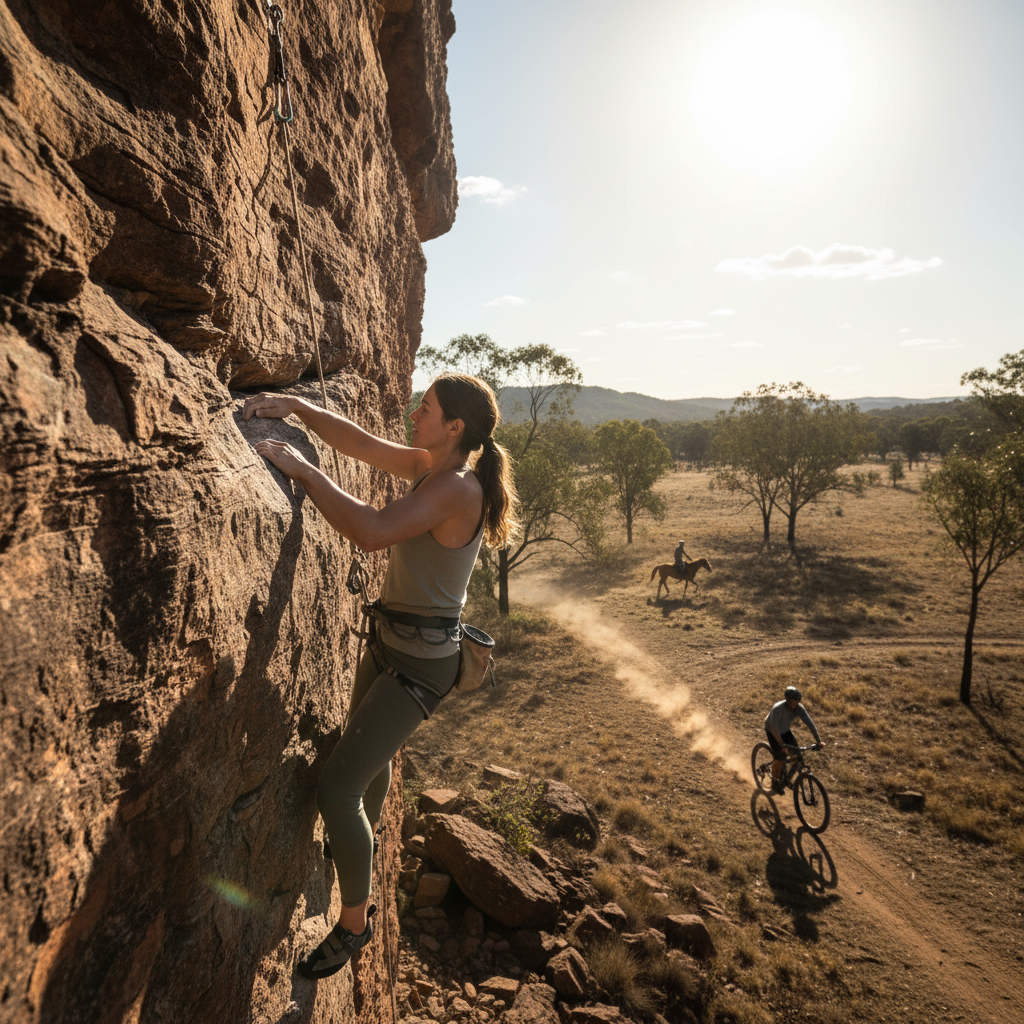
Rock Reflection: The Hidden Sun Threat for Climbers
As Australian climbers, we love our rugged landscapes. The sun-baked sandstone, granite giants, and sheer limestone cliffs offer incredible challenges and views. But there's a hidden danger amplified by these very rocks: UV reflection.
Your helmet is your primary defence against rockfall and impacts, no doubt. But when it comes to sun protection, it’s only half the battle. You might think you’re covered because you’re wearing a helmet, but the sun's rays are cunning. They bounce, they rebound, and they relentlessly attack from multiple angles. This is especially true in Australia, where our UV index can soar, our days can stretch long, and even on cloudy days, unprotected skin is at risk.
The Science of Bounce: UV Reflection Explained
Most people understand direct sunlight is harmful. We see the UV index and slap on sunscreen. But the sun’s energy doesn't just come from directly above. Rocks, particularly light-coloured or porous ones, are excellent at reflecting UV radiation. This means that even if you're partially shaded by an overhang, or your helmet offers some direct shade, the UV rays bouncing off the surrounding rock can still hit you.
Think of it like a mirror. A mirror doesn’t just reflect light that hits it directly; it bounces it around the room. Rocks do something similar with UV radiation. The energy is absorbed and then re-emitted in different directions. For a climber, this is critical because you’re often surrounded by vast surfaces of rock.
Why Australian Conditions Make It Worse
High UV Index: Australia consistently ranks among the countries with the highest UV radiation levels globally. Even during periods of lower UV intensity, the cumulative exposure adds up, especially at higher altitudes and closer to the equator.
Long Daylight Hours: Especially during summer months, climbing days can be eight, ten, or even twelve hours long. That’s a lot of time spent exposed to the sun, with ample opportunity for reflected UV to accumulate.
Terrain Types: Our diverse climbing landscapes include vast expanses of pale granite, sandstone, and desert rock formations. These materials are particularly adept at reflecting UV.
Altitude: Many popular climbing areas are at higher elevations, meaning less atmospheric filtering of UV rays and increased intensity.
The Unseen Damage: What UV Reflection Does
Sun damage isn't just about getting a sunburn. Over time, cumulative UV exposure, both direct and reflected, contributes to:
Premature Skin Ageing: Wrinkles, leathery skin, and age spots. The skin on your face and neck is particularly vulnerable.
Eye Damage: Increased risk of cataracts and pterygium (surfer's eye) – a scaly growth on the eye's surface.
Skin Cancer: Melanoma and non-melanoma skin cancers are directly linked to UV exposure. The neck, ears, and face are common sites.
When climbing, your helmet covers your head, but your face, neck, ears, and exposed hands are still vulnerable. Reflected UV rays can hit these areas from below, from the sides, and from behind, areas your standard headwear simply doesn't protect efficiently.
Objections Handled: Why Your Current Setup Might Not Be Enough
"I wear a helmet, so I'm covered." As we've covered, your helmet protects your head from impacts, but its primary function isn't broad-spectrum UV protection for your face and neck. Standard climbing helmets often have limited brims, designed for practicality and to avoid snagging, not for optimal sun coverage.
"I wear sunscreen." Sunscreen is essential, but it’s not a perfect solution. It needs to be applied correctly, reapplied frequently (especially after sweating), and even then, it can miss spots. Reflected UV can hit your face from angles where sunscreen might be worn thin or washed off.
"I only climb in the shade." "Shade" on a rock face is relative. The sun moves, and what seems shaded can quickly become exposed. Plus, the rock itself is still reflecting UV into your area, even if you're not in direct sun.
"I don't get sunburned easily." UV damage isn’t always visible as a burn. Even without visible redness, your skin cells are accumulating damage that contributes to long-term issues like skin cancer and ageing.
The Solution: Extended Brim Protection
Protective gear that extends beyond the helmet's shell is the most practical solution for comprehensive sun safety for climbers. We’re talking about a helmet brim designed specifically to block more of those sneaky reflected rays.
What to Look For:
Extended Coverage: A brim that extends further forward and, crucially, further back and to the sides than a standard helmet. This catches UV coming from lower angles and bouncing off the rock.
Lightweight and Durable: It needs to withstand the rigours of climbing without adding significant weight or becoming a snag hazard.
Easy to Install (or Integrated): Ideally, it attaches securely to your existing helmet or is a well-designed integrated part of a new helmet system.
The DA BRIM Helmet Brim
This is where something like the DA BRIM comes in. Designed by outdoor enthusiasts for outdoor enthusiasts, it's built to provide that extra shield your standard helmet lacks. It’s about practical, effective UV defence without compromising your mobility or focus on the climb.
Australian-Designed: Understanding our harsh sun and climbing culture.
Broad Protection: The unique design offers significantly more shade to your face, neck, and ears than a standard brim.
Easy Integration: Attaches securely to most standard climbing helmets, turning your existing gear into a superior sun-defence system. Check our How to Install guide.
Practical Sun Safety Checklist for Climbers
Here's how to approach sun safety on the crag, especially considering UV reflection:
[ ] Assess the UV Index: Always check the daily UV index before you head out. If it’s high (6+), extra precautions are mandatory.
[ ] Wear a Helmet with Extended Brim: A helmet is essential for safety. Make sure it offers adequate shade, especially from reflected UV. Consider an add-on brim like DA BRIM for enhanced protection.
[ ] Apply High SPF Sunscreen: Use broad-spectrum sunscreen with SPF 50+ on all exposed skin, including your face, neck, ears, and hands. Apply at least 20 minutes before sun exposure.
[ ] Reapply Sunscreen Regularly: Especially after sweating, swimming, or every two hours. Sweat can be a significant factor in reducing sunscreen effectiveness.
[ ] Wear UPF Clothing: Long sleeves and pants made from sun-protective fabric offer excellent defence, and crucially, don't get washed off.
[ ] Use Sunglasses: Protect your eyes from UV. Look for sunglasses that wrap around and offer 100% UV protection. Consider how glare off the rock might affect your vision too.
[ ] Seek Shade When Possible: Take breaks in shaded areas to reduce overall exposure.
- [ ] Hydrate: While not directly sun protection, staying hydrated helps your body cope with heat and exertion, indirectly supporting your ability to manage sun exposure.
Step-by-Step: Optimising Your Sun Defence on the Rocks
Before you even leave the house:
1. Check the Weather & UV: Know what you're heading into. Adjust your gear and clothing accordingly.
2. Gear Up: Ensure your helmet is fitted correctly. If you're using an extended brim, attach it now. Pack your sunscreen, sunglasses, and UPF clothing.
At the crag:
3. Initial Sunscreen Application: Apply sunscreen generously to all exposed skin about 20 minutes before you start climbing.
4. Helmet On: Ensure your helmet is snug and your extended brim is optimally positioned.
5. Start Climbing: Be aware of how the sun is moving and how it's interacting with the rock around you.
During your climbing session:
6. Mid-Climb Reapplication (if feasible): If you take a longer break or are at a belay station, reapply sunscreen, focusing on areas that look a bit sweaty or might have been rubbed.
7. Sunglasses Check: Ensure your sunglasses are in place and providing good coverage, especially if you're moving into brighter, more exposed sections.
8. Take Shade Breaks: Utilise any available shade during rests to give your skin a reprieve from direct and reflected UV.
Post-climb:
9. Post-Climb Wash: Wash off sweat and sunscreen. Check for any missed spots.
10. Moisturise: After cleansing, moisturise your skin. This helps with recovery and can soothe any minor irritation.
What is the UV Index in Australia?
Australia experiences some of the highest UV levels in the world. The UV Index scale typically ranges from 1 to 11+:
| UV Index | Level | Protection Actions Needed |
|---|---|---|
| 1-2 | Low | No protection needed. |
| 3-5 | Moderate | Protection needed. Cover up with clothing, hat, and sunglasses. Seek shade. |
| 6-7 | High | Protection needed. Cover up, use sunscreen (SPF 30+), wear sunglasses. Seek shade. Reduce time outdoors. |
| 8-10 | Very High | Protection needed. Cover up, use sunscreen (SPF 50+), wear sunglasses. Seek shade. Avoid time outdoors during peak hours. |
| 11+ | Extreme | Protection needed. Cover up, use sunscreen (SPF 50+), wear sunglasses. Avoid time outdoors. |
As you can see, for most climbing days in Australia, you'll be in the "Moderate" to "Extreme" categories, making diligent sun protection absolutely crucial. Even when the UV Index is moderate, the cumulative effect of reflected UV over a long climbing day can be significant.
Don't Let Reflected UV Ruin Your Climb (or Your Skin)
Your passion for climbing shouldn't come at the expense of your long-term health. UV reflection from rock is a genuine threat that many climbers overlook. By understanding the risks and adopting a comprehensive sun-safety strategy, you can continue to push your limits on the rock while protecting your skin and eyes.
Invest in better protection. Consider accessories that enhance your helmet's capabilities. Explore our range of Products designed to keep you safe and comfortable outdoors. Remember, prevention is always better than cure. Don't let the beauty of the Australian outdoors lead to unseen damage. For more information, check out our FAQ or browse our Blog for more tips.
Your skin will thank you for it.