
Rock Reflection: The Hidden Sun Hazard for Climbers
Think your helmet protects you from the sun? Think again. Rock surfaces can bounce UV rays, amplifying sun damage. Learn how to fight back.
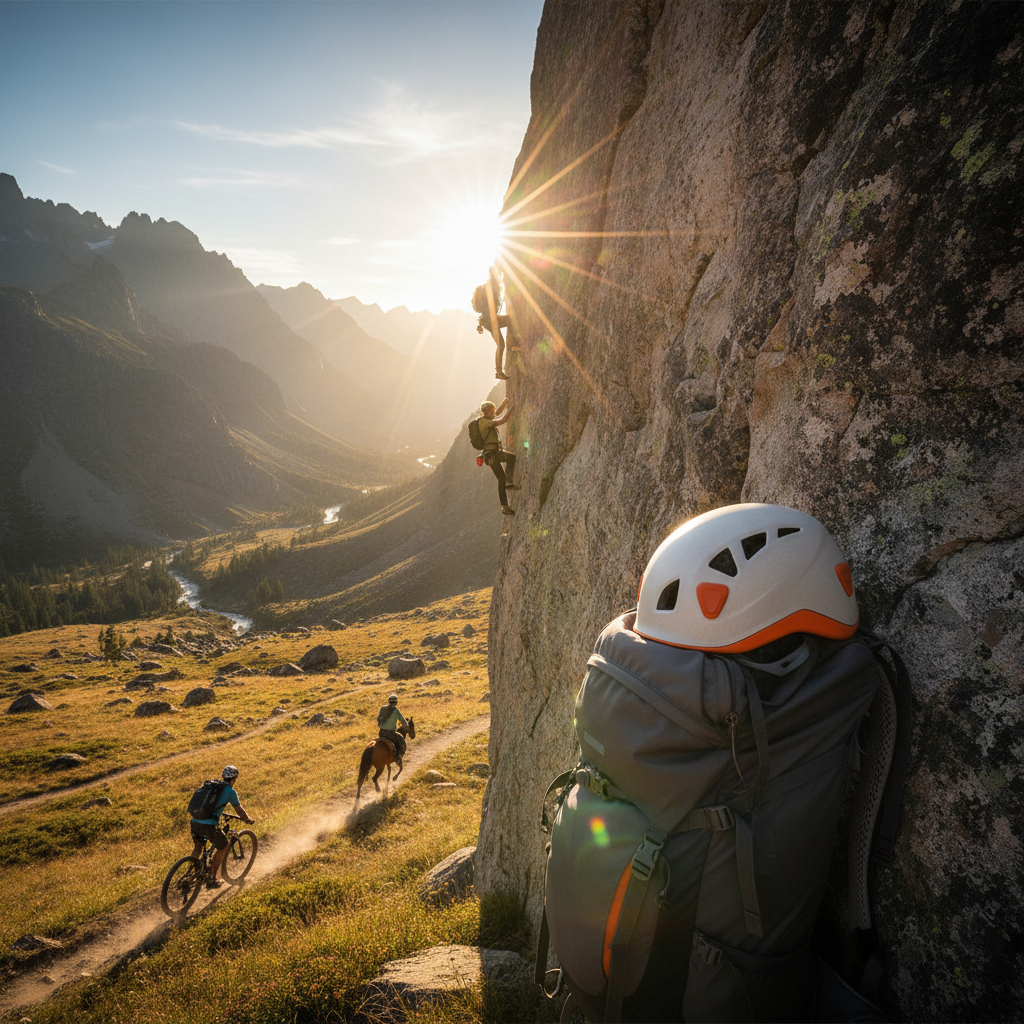
Rock Reflection: The Hidden Sun Hazard for Climbers
You're geared up, ready to tackle that route. Your helmet is on, a solid barrier against falling rocks and bumps. You've got your water, your snacks. But what about the sun? Specifically, the sun reflecting off the very rock you're climbing?
Here in Australia, we know the sun is no joke. Our UV index can soar, our days are long, and our intensity is real. While a helmet is essential safety equipment, it’s not a complete sun shield on its own, especially when dealing with reflective surfaces. This isn't about scaring you, it's about being smart. Unchecked UV exposure, amplified by reflection, leads to faster skin aging, increased risk of skin cancer, and can even impact your vision.
The Science of Sun Bounce
We all know shiny surfaces reflect light. Think of a mirror. Rocks, especially granite, sandstone, and even lighter coloured limestone, aren't perfect mirrors, but they are significant reflectors of ultraviolet (UV) radiation. This means that even when your head is shaded by your helmet, UV rays can hit the rock face around you and bounce right back up, hitting areas your helmet doesn't cover or even penetrating weaker areas.
Imagine this: the sun is beating down from above. Your helmet is blocking direct rays. But the rock face itself is absorbing and then re-emitting that UV energy. This reflected UV can be surprisingly intense. Studies have shown that UV reflection from surfaces like sand, water, and snow can increase overall UV exposure by up to 85%. While rock might not be as extreme as snow, the principle is the same. You're getting a double dose: direct UV and reflected UV.
Why This Matters for You:
Increased UV Load: More UV hitting your skin means faster cumulative damage.
Exposure to Vulnerable Areas: Your neck, face, ears, and even the back of your hands (when reaching) are prime targets for reflected UV that your helmet can't shield.
Accelerated Skin Aging: Wrinkles, sunspots, and loss of elasticity happen faster with more UV exposure.
Elevated Skin Cancer Risk: This is the big one. Any extra UV exposure contributes to your lifetime risk.
Common Objections, Direct Answers
We get it. You're focused on the climb. Adding more gear or thinking about sun angles can feel like a distraction. Let's cut through the noise:
Objection 1: "My helmet has a brim, that’s enough."
A helmet brim offers some shade to your face and neck, which is better than nothing. But it's small and angled. Reflected UV often comes from below or the sides. Your brim won't catch that.
Objection 2: "I wear sunscreen."
Sunscreen is crucial, but it's not foolproof, especially during long days out. Sweating can wash it off, it needs reapplication (which can be tricky on a route), and you can miss spots. Reflected UV means you're getting hit from more angles than you might realise, potentially overwhelming even well-applied sunscreen.
Objection 3: "It's cloudy."
Clouds don't block UV. They can even diffuse it, making it harder to gauge intensity. Reflected UV still happens on overcast days, just less intensely than on a bright, sunny one. And in Australia, even our 'mild' days can pack a UV punch.
Objection 4: "I only climb for a few hours."
Even a few hours in direct or reflected sun can cause damage, especially during peak UV hours (10 am to 4 pm). When you factor in climbing and the Aussie sun, your exposure adds up fast.
Objection 5: "I'm tough, I can handle it."
Damage from UV is cumulative and silent. You won't feel the skin cells changing. What feels like 'handling it' today is contributing to future problems. It’s not about being weak; it’s about long-term health.
Practical Solutions for Climbers
Your helmet is still your primary safety tool. We're talking about enhancing your sun protection, not replacing your helmet. The key is to address the reflected UV.
The Best Defence: A Dedicated Helmet Brim
This is where Da Brim comes in. It’s not just a flimsy cap. It’s designed to attach securely to your climbing helmet and significantly extend the shade provided by your helmet’s existing brim. Importantly, it can be angled to catch more of that reflected UV from the rock face.
Extended Coverage: A longer brim means more shade for your face, ears, and neck.
Adjustable Angle: You can tilt it to block UV from low-angle sun or reflected rays coming up from below.
Secure Fit: Designed to stay on during climbing activities.
Think of it as adding a high-performance visor to your already essential helmet.
Sunscreen Application – Smart Tactics
Apply Before You Go: Always start with a generous layer of broad-spectrum SPF 50+ sunscreen before leaving home.
Don't Forget Vulnerable Spots: Ears, neck (front and back), back of the hands, and the tops of your feet are often missed. Remember areas under your helmet strap if they're exposed.
Reapply Strategically: If you'll be out for a full day, plan for reapplication during breaks or when you descend. A stick sunscreen is often easier to use with chalky hands than a lotion.
Look for Water-Resistant Formulas: Essential for when you sweat.
Other Protective Measures:
Sun-Protective Clothing: Wear long sleeves and pants to climbing spots even if you don't wear them on the wall. The journey to the crag and the time spent at the base can also involve significant exposure.
Wide-Brimmed Hat (Off the Wall): When at the base camp, relaxing, or hiking to the crag, a wide-brimmed hat offers excellent protection for your face and neck. This is an easy win.
Sunglasses: Protect your eyes from glare and UV. Look for sunglasses that offer 100% UV protection.
Da Brim: How It Works With Your Helmet
Adding a Da Brim to your climbing helmet is straightforward. You don't need to be a DIY expert. Check out our How to Install guide for clear, step-by-step instructions. It’s designed for a secure fit meant to withstand outdoor activity.
A Quick Checklist for Sun Safety on the Rock:
[ ] Helmet: Always wear it.
[ ] Da Brim: Attached securely for extended shade.
[ ] Sunscreen: Broad-spectrum SPF 50+, applied liberally and repeatedly.
[ ] Sunglasses: With 100% UV protection.
[ ] Sun-Protective Clothing: For travel and downtime.
[ ] Hydration: Essential for overall well-being, helps your skin.
When Does Rock Reflection Matter Most?
Consider these scenarios common in Australia:
South-facing cliffs: These get direct sun for long periods, increasing both direct and reflected UV exposure.
Light-coloured rock: Granite, certain sandstones, and pale limestone are more reflective than dark volcanic rock.
Midday ascents: UV intensity is highest between 10 am and 4 pm. Reflected UV compounds this.
Long approaches/descents: Even if you're not climbing, you're exposed.
- Overhanging climbs: Often means you're looking up at the rock, exposing the underside of your chin and neck to reflected rays.
Product Information
We offer a range of Da Brim products designed for different helmet types. For climbing, you need a brim that's robust and attaches reliably. Explore our Products page to find the right fit for your helmet. We understand the demands of outdoor pursuits, and Da Brim is engineered for durability and effectiveness.
Frequently Asked Questions
Got more questions? We've likely answered them on our FAQ page. From compatibility to care, we aim to provide all the information you need to stay protected.
The Bottom Line
Don't let reflected UV from rock surfaces catch you off guard. Your helmet is vital, but it’s just one part of your sun-safety strategy. Enhancing your protection with a Da Brim and smart sun habits is a practical, effective way to minimise UV damage while you're out enjoying Australia’s incredible climbing opportunities. Stay safe, climb smart, and protect your skin.
For more tips and stories, check out our Blog.