
Rock Reflection: How UV Damage Hides in Plain Sight for Climbers
Think your helmet protects you from sun damage on rock climbs? Think again. UV reflection off rock surfaces amplifies sun exposure – here's how to combat it.
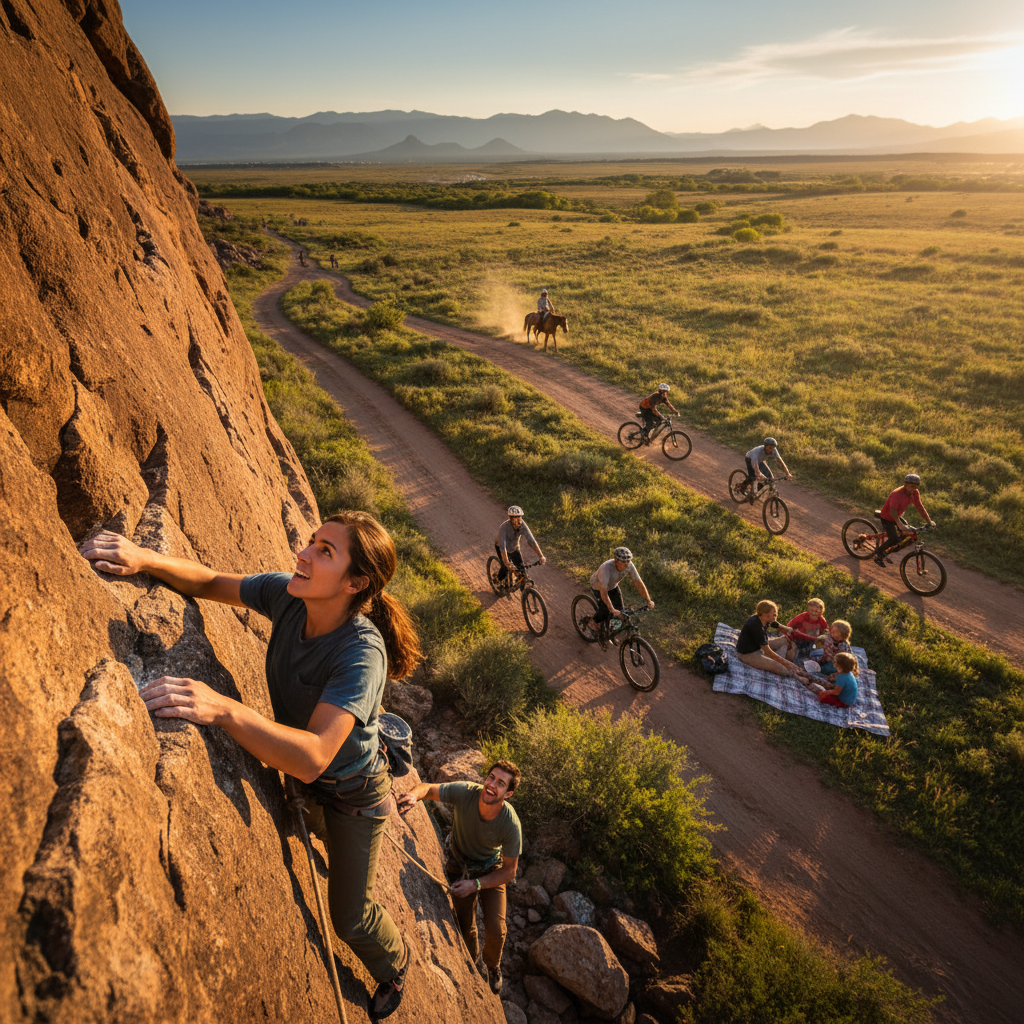
Rock Reflection: How UV Damage Hides in Plain Sight for Climbers
You've got the helmet on. You're geared up. You're ready to send. For climbers in Australia, the sun is an ever-present, often unforgiving, companion. We know about direct UV rays, the burn, the long-term damage. But there's a sneaky element that amplifies your sun exposure on the rock that many people overlook: UV reflection.
This isn't about getting sunburnt on your nose when you forget sunscreen. This is about your scalp, your ears, and the back of your neck – areas you assume are covered by your helmet. Here, we're going to cut through the fluff and tell you exactly how UV reflection from rock surfaces can increase your sun damage and what you can do about it.
The Science of Shininess: Why Rock Reflects UV
Your helmet is designed to protect your head from impact. It offers a degree of shade, but it's not a full UV shield. Rock faces, especially those with lighter colours, are often highly reflective. Think granite, sandstone, even polished limestone. These surfaces can bounce UV radiation back upwards, at your face and scalp, even when you’re looking up or sideways.
This reflected UV is in addition to the direct UV rays hitting you. It’s like having two sources of radiation instead of one. And in Australia, where our UV Index can soar to extreme levels for much of the year, this secondary exposure adds up quickly.
How it Works:
1. Direct UV Exposure: The sun beams UV rays directly onto your skin.
2. Rock Surface: These rays hit the rock face.
3. UV Reflection: A significant portion of that UV radiation is reflected off the rock's surface.
4. Secondary Exposure: The reflected UV rays travel upwards and outwards, hitting areas not directly exposed to the sun's rays, including the parts of your head and face that might be shadowed by your helmet at a specific moment, but are still vulnerable.
Consider this: You're belaying, head tilted back, watching your climber. The rock above is absorbing sunlight and radiating it back onto your face, neck, and scalp. Your helmet might be blocking the direct overhead sun, but it’s not blocking the rays bouncing off the wall you're staring at.
The Amplified Danger for Australian Climbers
Australia has some of the highest UV radiation levels in the world. Our latitude, clear skies (for the most part!), and ozone layer conditions mean that even on cooler days, UV can be dangerously high. On a typical summer's day, the UV index can easily reach 8-10, even 12. During these peak times, we often spend hours outdoors, exposed to this intense radiation.
Long climbing days in summer can mean prolonged exposure to both direct and reflected UV. You might be on the wall for hours, even half a day. Add to this the reflective properties of the rock, and you're looking at a cumulative dose of UV radiation that can significantly increase your risk of:
Sunburn: Even if you don't feel hot, your skin can burn.
Premature Skin Ageing: Wrinkles, sun spots, leathery skin – all accelerated by UV.
Skin Cancer: This is the big one. Melanoma and non-melanoma skin cancers are a serious risk for anyone with significant sun exposure, and climbers are particularly vulnerable.
Common Objections and Why They Don't Hold Up
"My helmet covers my head." Yes, it protects from impact. It offers some shade. But it's not designed as a UV-blocking shield for reflected light. The gaps, the vents, and the angles mean reflected UV can still get in.
"I wear sunscreen." Excellent. You absolutely should. But sunscreen is often applied to the face and exposed skin. What about your scalp through helmet vents? What about the back of your neck that gets hit by reflected UV when you're looking up?
"It's not that sunny; it's cloudy." UV rays penetrate clouds. Even on overcast days in Australia, the UV index can still be in the moderate to high range. Reflection still occurs.
"I'm only out for a few hours." Those hours add up, especially when combined with reflective surfaces and Australia's intense UV. Cumulative exposure is the key factor in long-term skin damage.
Practical Solutions for Every Climber
Okay, we've established the problem. Now, let's get practical. You can't stop the sun, and you can't change the rock, but you can significantly reduce your exposure to reflected UV.
1. Extend Your Helmet's Shade: The Need for a Brim
This is where a good helmet brim comes into play. Standard helmet brims are often small and designed for impact protection, not sun shade. You need something that extends further out, providing a larger shadow.
This is exactly why the Da Brim was developed. It's a helmet visor designed to significantly extend the shade provided by your existing sport helmet, creating a much larger barrier against direct and reflected UV. While designed for cycling and other sports initially, its effectiveness in extending shade makes it a game-changer for climbing helmets too, especially in harsh Australian conditions.
2. Sunscreen: Don't Skimp, Reapply
A broad-spectrum sunscreen with an SPF of 30 or higher is non-negotiable. Apply it liberally to all exposed skin, not just your face. This includes:
Ears
Neck (front and back)
Hands
Lips (use a lip balm with SPF)
And crucially, reapply regularly, especially after sweating. Check the sunscreen's packaging for reapplication times. You might think you're covered, but sweat and activity can wear it off.
3. Protective Clothing: Cover Up
Long Sleeves: Lightweight, UPF-rated long-sleeved shirts are ideal for climbing. They protect your arms from direct and reflected UV.
Sun-Protective Neck Gaiters/Buffs: These are invaluable. Pull one up over your neck and lower face when you're belaying or resting. They protect sensitive skin from reflected UV.
4. Sunglasses: Eye Protection Matters
Your eyes are also vulnerable to UV damage. Wear sunglasses that offer 100% UV protection, especially when looking upwards or across open, sunlit rock faces.
Combining Your Defences: A Quick Checklist
Here's your essential Sun Safety Checklist for climbing days:
Helmet with Extended Brim: Maximises shade and blocks reflected UV.
Broad-Spectrum SPF 30+ Sunscreen: Applied generously to all exposed skin.
Sunscreen Reapplication Plan: Set reminders or check the time.
UPF Sun-Protective Clothing: Long sleeves and pants.
Neck Gaiter/Buff: For neck and lower face protection.
UV-Protective Sunglasses: For eye safety.
Hydration: Staying hydrated feels good and indirectly supports skin health.
Step-by-Step Sun Safety Integration
Integrating these practices is simple once you make it a habit. Here’s how to do it, step-by-step:
Before Leaving Home:
1. Apply Sunscreen: Do this at least 20 minutes before sun exposure.
2. Dress Appropriately: Put on your UPF clothing.
3. Prepare Gear: Ensure your helmet with an extended brim is ready, and your sunglasses and neck gaiter are accessible.
At the Crag:
1. Wear Your Helmet: Always. This is your primary impact protection.
2. Attach Your Extended Brim: If it's not already attached, secure your Da Brim to your helmet as per the How to Install guide. This gives you immediate extended shade.
3. Utilise Your Neck Gaiter: Wear it around your neck, ready to be pulled up.
4. Sunglasses On: For any direct looking into sunlight or across reflective surfaces.
During the Climb/Day:
1. Reassess Sunscreen: Halfway through your climbing session, or if you've been sweating heavily, reapply sunscreen, especially to your face and neck.
2. Adjust Neck Gaiter: Pull it up to cover your neck and lower face when belaying or taking breaks where you're exposed to upward or side glare.
3. Take Shade Breaks: If it’s brutally hot, utilise any available natural shade for breaks.
Post-Climb:
1. Cleanse and Moisturise: Gently wash off sunscreen and sweat. Apply a soothing moisturiser.
2. Assess Skin: Check for any areas that might have missed out on protection.
Understanding UV Index in Australia
It's vital to understand that in Australia, the UV Index is your guide. It's reported by the Bureau of Meteorology and in most weather apps. Even when the temperature feels moderate, the UV Index can be high.
1-2: Low
3-5: Moderate
6-7: High
8-10: Very High
11+: Extreme
On days with a UV Index of 3 or above, sun protection is recommended. For climbers, particularly those spending extended time on exposed rock faces, treating a UV Index of 6+ as a serious warning sign for ample protection is wise.
Frequently Asked Questions
We get a lot of questions about sun safety out on the rocks. Here are a few we tackle regularly. For more detailed answers, check out our FAQ.
Q: Does a helmet alone protect from sun damage?
A: It provides some shade, but it’s not a complete UV shield, especially against reflected UV. An extended brim significantly improves protection.
Q: How often should I reapply sunscreen?
A: Every two hours, or more frequently if sweating heavily or swimming. Check the product instructions.
Q: Are certain rock types more reflective?
A: Yes. Lighter-coloured, smooth, or polished rocks (like granite or sandstone) tend to reflect more UV radiation than darker, rougher surfaces.
Q: Can I catch up on sun protection later?
A: No. Skin damage from UV is cumulative. Protection applied before* exposure is key.
The Takeaway: Don't Let Rock Reflection Catch You Out
Climbing in Australia is a passion, but it shouldn't come at the cost of your long-term health. UV reflection from rock surfaces is a real factor that amplifies sun exposure. By understanding this, and by adopting practical measures like using an extended brim Da Brim, diligent sunscreen application, and appropriate clothing, you can enjoy your time on the rock with significantly reduced risk. Don't let sneaky reflected UV rays become a hidden danger.
For more tips and information on staying safe outdoors, visit our Blog and explore our range of Products. Stay safe, climb smart.