
Road vs. Gravel Cycling: Why Your Sun Protection Needs Change
Are you getting enough sun protection on your rides? Discover the key differences in sun exposure between road and gravel cycling in Australia and how to stay safe.
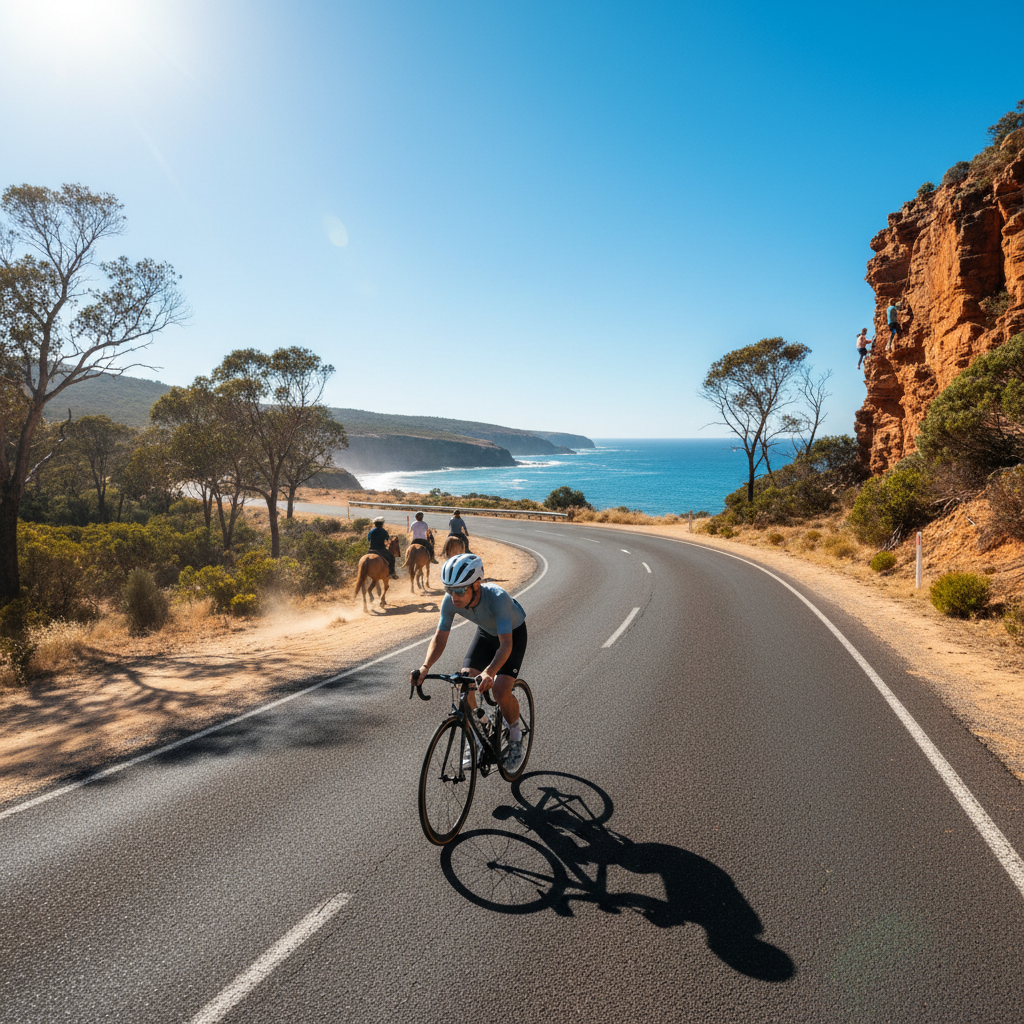
Road vs. Gravel Cycling: Why Your Sun Protection Needs Change
Australia. We love our cycling here. The open roads, the challenging gravel tracks – they call to us. But let's be brutally honest: the Australian sun doesn't always play nice. High UV levels, scorching temperatures, and long daylight hours mean sun protection isn't just a good idea; it's essential.
Many cyclists assume their sun protection needs are the same whether they're sticking to bitumen or venturing onto dusty trails. But the reality is, the type of cycling you do impacts how and where the sun hits you, and therefore, what kind of protection you’ll need. This isn't about making you paranoid; it's about practical, no-nonsense advice to keep you riding safely and comfortably.
The Sun's Angle: Road Cycling Realities
When you're on the road, especially on longer stretches, your posture is often more bent over the handlebars. This means your face and the front of your neck are typically more exposed to direct overhead sun. Think about it: the sun is often directly above or slightly in front of you during peak UV hours (typically 10 am to 3 pm). This constant, direct exposure is a recipe for sunburn on your face, nose, ears, and the back of your neck.
Road cyclists often spend hours battling headwinds or drafting behind others. This can lead to a more stationary position for your head, meaning that direct sun exposure isn't broken up by the varied angles you might encounter off-road. Even with sunglasses, your scalp, forehead, and the tops of your ears remain vulnerable.
Key Road Cycling Sun Exposure Points:
Direct Overhead Sun: Your primary concern. The sun is often coming from directly above or slightly in front.
Forehead and Scalp: Under your helmet, these areas can get surprisingly hot and burnt, especially if your helmet doesn't offer adequate coverage.
Nose and Cheeks: These facial features are prime targets for sunburn.
Ears: Often overlooked, the tops and lobes of your ears can easily burn.
Back of Neck: Particularly if your jersey collar is low or non-existent, this area is exposed during a typical road cycling posture.
The Sun's Angle: Gravel Cycling Realities
Gravel cycling introduces a new dimension of sun exposure. While you're still dealing with the Australian sun's intensity, the environment changes. You're often riding through dappled sunlight under trees, climbing steep, exposed sections, or descending into shaded valleys. This variability is a double-edged sword.
A major difference is the upward angle of the sun when you’re climbing. When you're grinding up a steep gravel hill, your head is often tilted upwards to look ahead. This can expose the underside of your chin, your neck, and even the roof of your mouth (if you're breathing heavily with your mouth open) to reflected sunlight off the ground or direct sunlight from below.
Furthermore, gravel roads are often unsealed and dusty. This dust can reflect sunlight, potentially increasing the UV intensity hitting your face and eyes. The uneven terrain can also mean your head is moving more, altering the angle of sun exposure more frequently than on a smooth road. However, the more varied terrain and often slower speeds can offer moments of shade that road cycling might not.
Key Gravel Cycling Sun Exposure Points:
Varied Sun Angles: Climbing means looking up, exposing different parts of your face and neck.
Reflected Sunlight: Dust and light-coloured gravel can bounce UV rays around.
Dappled Sunlight: Offers brief moments of respite but can make it harder to gauge overall exposure.
Underside of Chin and Neck: Particularly vulnerable during climbs.
Cheekbones and Under Eyes: Can be exposed during ascents.
Australian Conditions: It's No Joke
Let's not sugarcoat it: Australian UV Index can be extreme. During summer, it frequently reaches 11 or higher – that's classified as 'Extremely High'. Even in winter, the UV can be significant, especially in central and northern parts of the country. And it's not just UV; the heat accompanying it can be debilitating. Dehydration and heatstroke are serious risks.
Long daylight hours in summer mean more time to accumulate sun damage. A sunset ride might still expose you to dangerous UV levels for a significant portion of your journey. Your location also matters; inland areas can be hotter and have higher UV than coastal regions at the same latitude.
The Protective Gear Debate: What Actually Works?
This is where practical solutions come in. Many cyclists rely on caps under their helmets. While these offer some limited shade, they're often inadequate for full sun protection. The fabric is usually thin, and they don't cover the sides of your face or ears effectively. And let's be honest, they can get sweaty and uncomfortable, often bunching up.
Common Objections & How to Handle Them:
"I wear sunscreen." Great, but sunscreen washes off with sweat and needs constant reapplication. It's not a foolproof strategy for a long ride under harsh Australian sun. Plus, it doesn't protect your scalp or the parts of your helmet-covered head that get hot and burnt.
"My helmet has a visor." Some helmets do, but they are often small and designed for mountain biking, not fully covering your face from overhead and angled sun. The coverage is usually limited, leaving significant areas exposed.
"I just squint." Squinting is your eyes' way of telling you they're under strain. It doesn't prevent UV damage or sunburn. Prolonged squinting can also lead to wrinkles.
"It’s too hot with extra gear." This is a valid concern, but effective protection doesn't have to mean more heat. It's about smart design.
The Da Brim Solution: Smart Sun Protection for All Cyclists
This is precisely why we developed the Da Brim. It’s not just another flimsy cap. It’s designed to provide maximum shade and protection for helmet wearers, adapting to different cycling styles.
Unlike a standard cap, the Da Brim attaches securely to your helmet, extending significantly beyond the helmet's natural brim. This creates a much larger shaded area for your face, neck, and ears. Its design is tested and proven to reduce glare and protect from UV rays, even during extended rides in peak Australian sun.
For Road Cyclists: The wide brim offers superior overhead protection, shielding your forehead, nose, cheeks, and ears from the direct assault of the sun. It keeps the sun out of your eyes, allowing you to focus on the road, not on squinting.
For Gravel Cyclists: The Da Brim's versatility shines here. Whether you're climbing and tilting your head up, or navigating dappled light, the extended brim continues to offer crucial shade. It helps protect against those upward-angled sun rays and the diffused light that can still be damaging.
How Da Brim Handles Heat:
We understand heat is a major factor. The Da Brim is made from durable, lightweight, and UV-resistant materials. Crucially, it doesn't restrict airflow around your head. In fact, by shading your face and neck, it can actually help your body regulate temperature more effectively than being exposed to direct sun. Less direct heat hitting your skin means more comfort.
Practical Sun Protection Checklist
Whether you're a roadie or a gravel grinder, here’s your essential sun safety checklist for Australian rides:
Helmet: Always wear one. It's non-negotiable.
UV-Rated Sunglasses: Protect your eyes. Look for lenses that block 100% of UVA and UVB rays.
Sunscreen: Apply liberally to any exposed skin 20 minutes before your ride. Reapply if your ride is longer than 2 hours.
Protective Clothing: Long sleeves and UPF-rated fabrics offer excellent protection.
Da Brim: The essential addition for helmet-wearers. Provides significant, consistent shade for face and neck.
Hydration: Carry plenty of water. Dehydration exacerbates heat effects.
- Timing: Avoid riding during the peak UV hours (10 am - 3 pm) if possible, or take frequent breaks in shade.
Installing Your Da Brim: Simple and Quick
Worried about complicated setups? Don't be. Attaching a Da Brim is straightforward. Our user-friendly design means you'll be protected in minutes. For a detailed breakdown of how to get yours fitted securely to your helmet, check out our How to Install guide.
Making the Switch
It’s easy to get stuck in our ways as cyclists. But when it comes to protecting ourselves from the powerful Australian sun, a little adaptation goes a long way. Whether you’re carving up the tarmac or exploring dusty trails, your sun exposure needs are different, and your protection should reflect that.
Don't let the sun dictate your ride plans or compromise your long-term health. Invest in smart, effective sun protection. Explore our range of Products and see how Da Brim can elevate your cycling comfort and safety.
Got questions about sun protection, helmets, or how Da Brim works? Our FAQ page has answers. And for more tips and stories from the cycling world, head over to our Blog.
Ride safe, ride protected.