
Road vs. Gravel Cycling: Why Your Helmet Brim Choice Matters Under the Australian Sun
Don't assume road and gravel riding mean the same sun exposure. Understand the differences and how the right helmet brim protects you from the harsh Australian UV.
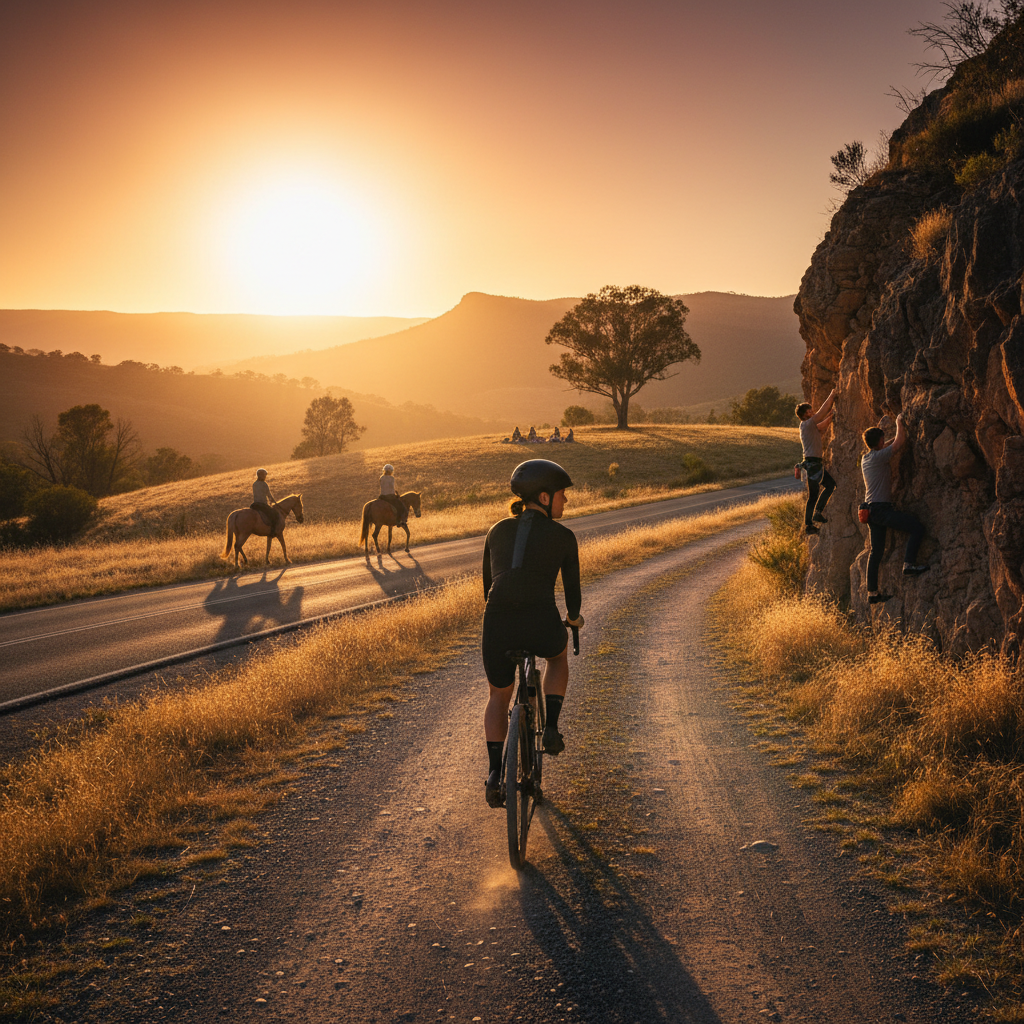
Road vs. Gravel Cycling: Why Your Helmet Brim Choice Matters Under the Australian Sun
Australia. We love our outdoor lifestyle, and cycling is a massive part of that. Whether you're carving up bitumen on a road bike or kicking up dust on a gravel track, you're exposed to the same relentless sun. But when it comes to sun exposure, are road cycling and gravel cycling really the same? And more importantly, does your helmet brim adequately protect you in both scenarios?
The short answer is: it depends. While the sun's rays are constant, the way you interact with them on a road versus a gravel ride changes, and this directly impacts how much of your face and neck gets baked.
Let's cut through the jargon and get practical. This isn't about marketing fluff; it's about understanding real-world sun protection for Australian conditions.
The Australian Sun: A Different Beast
Before we dive into cycling types, let's acknowledge where we ride. Australia consistently ranks high for UV radiation. We have long daylight hours, especially during summer, and our proximity to the equator means the sun's rays hit us more directly. A UV Index reading of 11 or more is considered 'Extreme' – and if you're cycling outdoors during peak UV hours (roughly 10 am to 3 pm), you're very likely to be exposed to this level, regardless of your chosen discipline.
This isn't about scaring you; it's about equipping you. Sunburn, premature skin aging, and an increased risk of skin cancer are serious concerns. Cycling, especially long rides, means extended exposure. Your helmet is your primary defence, and the brim is a crucial, often overlooked, component of that defence.
Road Cycling: Constant Sun, Less Obstruction
On a road bike, you're typically focused on speed and efficiency on well-maintained surfaces. You're often in a more aerodynamic position, leaning forward. This posture is key.
Bicycle Path: Generally unobstructed views of the sky. Minimal shade from trees or terrain.
Riding Position: Leaning forward means your forehead and eyes are directly facing the sun for extended periods. The sun can hit your face from a high angle.
Speed: Higher speeds can sometimes lead to a false sense of security – you might feel cooler, but the UV damage is still accumulating.
Think about a typical road ride. You're on the open road, maybe with the occasional tree or building offering fleeting shade. For a significant portion of your ride, your face is directly exposed to the sun's angle, which can be at its peak intensity during the hours you're most likely to be out.
Gravel Cycling: Intermittent Shade, Different Angles
Gravel cycling, by its nature, takes you off the beaten track. This often means:
Terrain: Riding on unsealed roads, fire trails, and singletrack. This often involves undulating terrain, dips, and rises.
Environment: More likely to be surrounded by trees, hills, or even riding through valleys. This creates intermittent shade.
Riding Position: While you can still adopt an aerodynamic position, gravel often demands more varied body positioning for balance and control. You might be sitting up more frequently, or leaning more acutely on descents.
The intermittent shade of gravel riding can be deceptive. You might duck under a tree canopy and think you're safe, only to emerge minutes later with the sun directly on your face again. Furthermore, riding through dips and valleys can change the sun's angle relative to your head, sometimes exposing the underside of your chin or the sides of your neck more than you'd expect.
Comparing Sun Exposure on Road vs. Gravel
Let's break down the differences in a simple table:
| Factor | Road Cycling | Gravel Cycling |
|---|---|---|
| Environment | Open roads, less natural shade | Varied terrain, more intermittent natural shade |
| Riding Angle | Often more consistent, leaning forward | Can be more varied due to terrain and control needs |
| Sun Angle | Can be consistently high | Varies significantly due to terrain and shade |
| Perceived Heat | Can feel hotter due to speed/openness | Can feel cooler due to intermittent shade/dust |
| UV Exposure Risk | High, consistent exposure, especially face/eyes | High, intermittent but can catch you off guard |
While gravel offers patches of shade, the lack of consistency means you can't rely on it for protection. The changing terrain can also mean the sun hits you from different angles throughout the ride, potentially exposing areas a standard brim might miss if you're not positioned correctly.
Why Your Helmet Brim Still Matters – To Both Types of Cyclists
Even with intermittent shade on gravel, or the consistent exposure on the road, a well-designed helmet brim is fundamental for Australian conditions.
Direct Glare Reduction: The most significant benefit. A brim shades your eyes from direct sunlight, reducing glare. This is crucial for visibility and comfort on both road and gravel. Less squinting means better focus on the path ahead.
UV Protection for the Face: Especially for your forehead, nose, and cheeks, which are often the most exposed areas. Think about those long summer afternoons – even if you're wearing sunscreen, a physical barrier significantly reduces UV penetration.
Protection from Elements: Beyond UV, a brim can offer some protection from dust, light rain, and even low-hanging branches (though this is more common on gravel).
Comfort: Shading your eyes and face simply makes riding more comfortable. This translates to longer rides and better enjoyment.
Objections Handled: Sun Protection Isn't One-Size-Fits-All
We hear the doubts. 'I wear sunscreen, that's enough.' 'My helmet has a bit of a brim, no worries.' Let's be direct.
"Sunscreen is enough." Sunscreen needs reapplication, especially on long, sweaty rides. It can rub off, get into your eyes, and is less effective when applied inconsistently. A brim is a constant, passive shield.
"My helmet has a small brim." Many helmets designed for road racing have minimal brims, focusing on aerodynamics and ventilation. While good for speed, they often aren't designed for maximum sun protection. A gravel helmet might have a more pronounced brim, but even then, its design can vary significantly.
"I don't notice the sun when I'm riding." Your skin and eyes are noticing. UV damage is cumulative and often not immediately apparent. You might feel fine, but you're still accumulating damage.
"I wear sunglasses." Sunglasses are excellent for UV protection and glare, but they don't cover your forehead, temples, or the bridge of your nose. They also don't protect against airborne particles or lower-angle sun.
The DA BRIM Advantage: Designed for Australian Conditions
This is why we developed the DA BRIM. We looked at Australian conditions – the intensity, the prolonged exposure times, the need for reliable protection – and saw a gap. Standard helmet brims often fall short, particularly for extended outdoor activity.
Our goal wasn't to create another generic helmet accessory. It was to create a practical, effective solution that enhances the sun protection of any helmet you already own.
Maximal Coverage: The DA BRIM is designed to extend further forward and wider than most integrated helmet brims, offering superior shading for your entire face and the sensitive area around your eyes.
Adjustability: Understanding that sun angles change and rider positions vary, our brims are adjustable, allowing you to fine-tune your protection. This is especially useful for gravel riding where terrain dictates your posture.
Durability: Made from tough, weather-resistant materials that can handle the rigours of cycling in Australia.
Universal Fit: Designed to attach securely to a wide range of helmets. Check our How to Install guide – it's simple and takes minutes.
Checklist: Optimising Your Sun Protection
Regardless of whether you're hitting the tarmac or the trails, keep this in mind:
[ ] Assess your helmet's existing brim: Is it sufficient for prolonged sun exposure? Does it shade your nose and cheeks?
[ ] Consider your typical riding times: Are you riding during peak UV hours (10 am - 3 pm)?
[ ] Factor in your riding duration: Longer rides mean more cumulative UV exposure.
[ ] Evaluate your chosen terrain: Does it offer consistent shade, or is it more open?
[ ] Prioritise eye protection: Glare and UV damage to the eyes is a serious long-term risk.
[ ] Don't forget other sun safety measures: Wear protective clothing, use sunscreen on exposed skin, and consider riding during lower UV periods if possible.
- [ ] Think about adding a superior brim: If your current setup feels lacking, explore options that offer enhanced coverage. Our range is designed specifically for this.
Step-by-Step: Enhancing Your Helmet's Sun Protection
1. Evaluate Your Current Helmet: Look at your helmet from the front and side. Does the built-in brim effectively block the sun from hitting your forehead and the upper part of your face?
2. Identify Your Weaknesses: If you're often squinting on rides, or notice sun hitting the bridge of your nose or temples, your current brim likely isn't enough, especially for Australian conditions.
3. Consider a DA BRIM: Explore our Products page. See how the DA BRIM extends coverage compared to standard designs.
4. Installation: Follow our straightforward How to Install guide. It's designed to be quick and secure.
5. Adjust for Your Ride: Once attached, take it for a spin. Adjust the angle of the DA BRIM to best suit your typical riding posture and the angle of the sun on your favourite routes.
6. Maintain and Re-evaluate: Check that it's secure before each ride. If you change helmets, you might need a different attachment method (check our FAQ for details).
Conclusion: Don't Let the Sun Dictate Your Ride
Whether you stick to the bitumen or embrace the dust, the Australian sun demands respect. Road cycling and gravel cycling present different but equally significant challenges to your sun protection strategy. The key is understanding these differences and employing a defence that is robust and reliable.
A quality helmet is a given. But optimising its sun-shading capabilities with a superior brim, like the DA BRIM, is a practical, no-nonsense step you can take right now to significantly improve your comfort and long-term health. Don't let sun exposure cut your rides short or compromise your well-being. Gear up, protect yourself, and enjoy the ride.
For more tips and information, check out our Blog and FAQ. And explore our Products to find the right DA BRIM for your helmet.