
Road vs. Gravel Cycling: Understanding Sun Exposure Differences
Whether you're chasing tarmac or tackling trails, protecting yourself from the Australian sun is non-negotiable. We break down the sun exposure differences for road and gravel cyclists and how to stay safe.
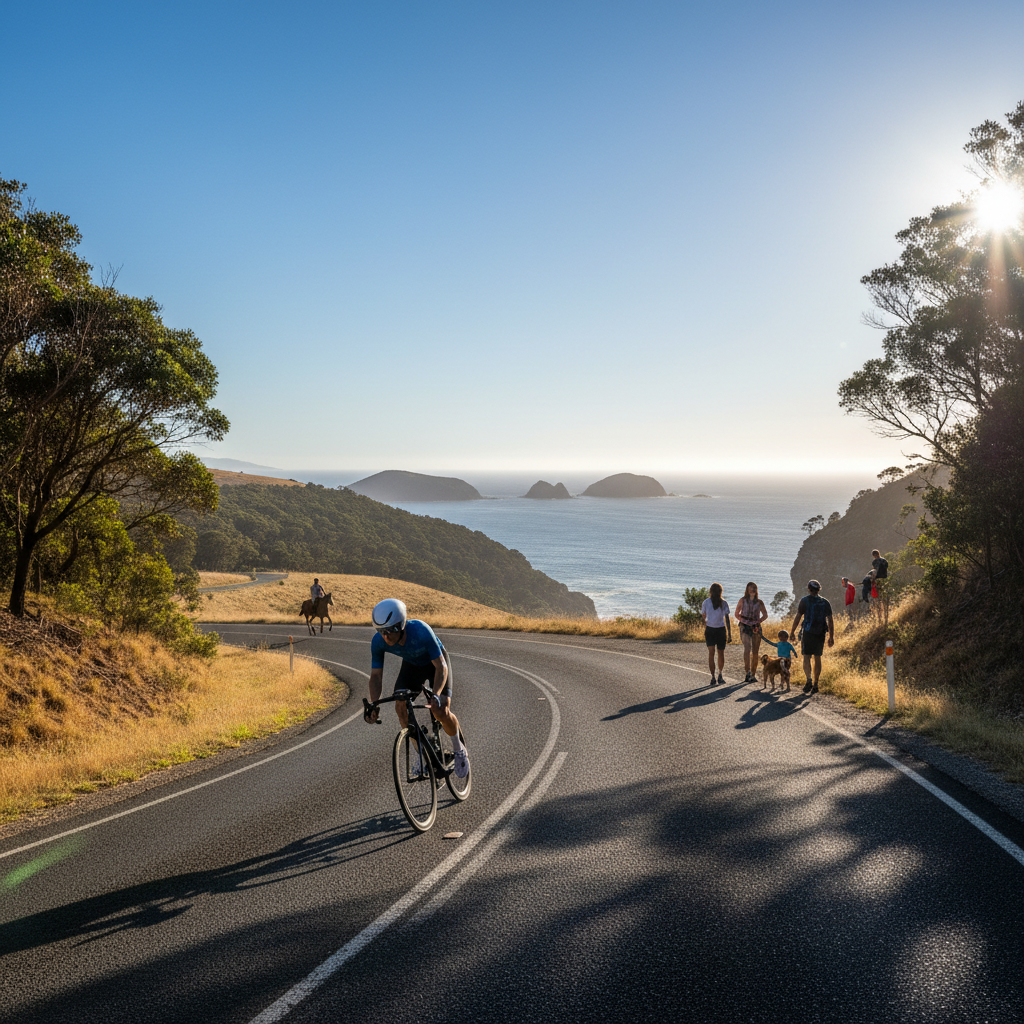
Road vs. Gravel Cycling: Understanding Sun Exposure Differences
Australia. We love our bikes. We love the freedom of the open road and the dusty adventure of gravel tracks. But we also know the sun. It's relentless, especially during our long summer days. Whether you're a roadie logging serious kilometres or a gravel grinder exploring the backroads, understanding how your cycling discipline affects your sun exposure is crucial for staying safe and healthy.
This isn't about scaremongering; it's about practical, on-the-ground advice for Australian conditions. We get high UV indexes, intense heat, and often spend hours exposed. Your helmet is your primary defence, but how do road and gravel cycling scenarios shape your specific sun risks?
The Core Differences: What's Changing?
At its heart, the difference between road and gravel cycling in terms of sun exposure boils down to two main factors:
1. Duration and Intensity of Direct Sun Exposure: How long are you truly in the sun's direct path, and how much of your body is exposed?
2. Environmental Factors: What else is contributing to your exposure – heat, glare, wind?
Let's break this down.
Road Cycling: The Uninterrupted Gaze
Road cycling often involves long, straight stretches or predictable undulating terrain. This means more sustained periods where your face, neck, and arms are directly exposed to the sun. While you might get some shade from trees or buildings, these are often fleeting. The sun is your constant companion for much of the ride.
Constant Sun Angle: You're often riding into, or alongside, the sun for extended periods. When the sun is low and you're facing it directly, even with sunglasses, the glare can be intense and taxing. Even when it's high, it's a direct overhead hit. There's less opportunity for the sun to be blocked by terrain or dense vegetation like you might find on some gravel routes.
Higher Speeds = Less Reflective Shade: While higher speeds can lead to less perceived heat due to airflow, they also mean you cover ground faster, so fleeting patches of shade pass by quickly. You're less likely to find yourself lingering in dappled shade compared to a slower gravel pace.
Upper Body Exposure: Arms and neck are highly exposed. While legs are too, they're often covered by cycling shorts, but arms are generally free unless you're wearing long sleeves (which most roadies opt against in heat).
Gravel Cycling: The Dappled and Dynamic Exposure
Gravel riding, by its nature, takes you off the beaten path, often through bushland, forests, or valleys. This can provide welcome respite from direct sun.
Variable Shade: Dappled shade from trees is a hallmark of gravel riding. This provides intermittent breaks from the punishing UV rays. This can feel more comfortable heat-wise. However, don't be fooled – UV rays still penetrate dappled shade, and you're still accumulating exposure.
Slower Pace = More Lingering Exposure: While you might get more shade breaks, the slower paces common on gravel can mean you're lingering in areas where the sun breaks through. It also means less airflow to dissipate heat, making it feel hotter even if the UV isn't as intense in that moment.
Terrain-Influenced Glare: While less direct than road glare, gravel can create its own. Reflective surfaces like water, sand, or even pale gravel roads can bounce UV rays back up at you, creating a different kind of glare challenge that can hit the underside of your chin and neck.
Dust and Dehydration: While not directly sun exposure, the dust associated with gravel riding can contribute to dehydration and make breathing harder, exacerbating the effects of heat and sun. More frequent stops for water breaks might be necessary.
Your Sun Exposure Checklist: Are You Covered?
No matter the discipline, your goal is to minimise cumulative UV damage and prevent heatstroke. Here’s a quick checklist to assess your preparedness:
Helmet: Is it well-ventilated and providing adequate coverage? Does it offer protection for the back of your neck?
Sunscreen: Have you applied broad-spectrum SPF 50+ to all exposed skin (face, neck, ears, arms, legs) at least 20 minutes before riding?
Reapplication: Do you have a plan to reapply sunscreen every two hours, especially on longer rides?
Lip Balm: Is your lip balm SPF-rated?
Sunglasses: Are they protective, with wide arms to block side glare?
Clothing: Are you wearing lightweight, moisture-wicking, UPF-rated clothing where applicable (e.g., long sleeves for extended exposure)?
Hydration: Are you carrying enough water and electrolytes? Are you drinking regularly, even before you feel thirsty?
Timing: Are you avoiding the peak UV hours (10 am to 3 pm) when possible?
Practical Strategies for Both Disciplines
While the context differs, the solutions often overlap. The key is consistent application and understanding that 'shade' isn't a complete shield.
Objective: Minimise UV Damage
UV damage is cumulative. It doesn't matter if you're on a road or gravel bike; prolonged and unprotected exposure leads to premature ageing and increases your risk of skin cancer. The Australian sun is harsh, with UV levels often exceeding 10, even on cloudy days.
Sunscreen is King: Don't rely solely on shade. Apply a generous amount of broad-spectrum SPF 50+ sunscreen to all exposed skin – face, neck, ears, arms, and any exposed skin on your legs. For gravel riders, don't forget the underside of your chin and ears, which can get blasted by reflected light.
Reapplication is Mandatory: Sunscreen wears off. Sweat, wind, and time all reduce its effectiveness. On rides over two hours, factor in reapplication. For roadies, this might mean a quick stop. For gravel riders, it’s often done during a water break.
Lip Protection: Your lips are highly susceptible to sunburn. Use an SPF lip balm.
Clothing Choices: Lightweight, long-sleeved jerseys made from UPF-rated fabric can make a significant difference on extremely hot and sunny days. This is often more practical for gravel riders covering long distances in exposed terrain, but roadies seeking maximum protection might also consider it.
Objective: Beat the Heat
Heatstroke and heat exhaustion are serious risks, especially with the prolonged periods many cyclists spend outdoors in Australian conditions. High temperatures combined with exertion are a recipe for disaster.
Hydration, Hydration, Hydration: This cannot be stressed enough. Carry more water than you think you'll need. Use electrolyte tablets or drinks. Drink proactively – don't wait until you're thirsty.
Pacing: Especially on hotter days, consider a more conservative pace. Listen to your body. If you feel overheated, find shade and rest.
Helmet Ventilation: Ensure your helmet is designed for ventilation. If you tend to overheat, a helmet with more vents can make a noticeable difference.
Timing Your Rides: If possible, schedule your rides for early morning or late afternoon to avoid the peak UV and heat hours (typically between 10 am and 3 pm in Australia).
The Helmet Brim: Your First Line of Defence Against Direct Sun
Your helmet is crucial for safety, but it also plays a vital role in sun protection. The brim of your helmet is the primary barrier against direct sunlight hitting your face and eyes.
But what if your helmet’s brim just isn't cutting it? Standard cycling helmets, particularly road helmets, often have minimal brims that offer little more than a token gesture of shade.
This is where an aftermarket brim like Da Brim comes into play. It’s a practical, no-fuss solution designed to extend the coverage of your existing helmet.
How Da Brim Addresses Sun Exposure in Cycling:
Extended Shade: Da Brim significantly increases the amount of shade cast over your face, eyes, and the front of your neck. This directly reduces UV exposure to these sensitive areas.
Reduced Glare: By casting a larger shadow, it helps cut down on harsh glare, making it easier to see the road or trail ahead, regardless of the sun's position.
Heat Reduction: Less direct sun on your face means less heat absorption, contributing to a more comfortable ride.
Universal Fit: Designed to attach to a wide range of cycling helmets, it’s a versatile solution for both roadies and gravel riders. Check out our Products page for compatibility.
Easy Installation: Attaching Da Brim is straightforward. If you’re unsure, we have a handy guide on How to Install.
Da Brim for Roadies vs. Gravel Riders: A Comparison
For the Road Cyclist:
Road cyclists often face prolonged periods of direct, high-angle sun directly in front of them. Standard helmet brims offer minimal protection against this.
Benefit: Da Brim provides crucial extra shade, reducing squinting and the need for constant sunglasses adjustment. It shields the entire face and forehead from harsh rays, contributing significantly to UV protection.
Practicality: It attaches easily, doesn't add significant weight, and can be removed if desired. It’s a simple upgrade for daily commutes or long training rides.
For the Gravel Rider:
Gravel riders experience more variable sun exposure (dappled shade, different angles) but also often ride for longer durations in exposed areas, with less airflow for cooling.
Benefit: While dappled shade offers respite, Da Brim ensures that when the sun does break through, your face is still well-protected. It also helps with the glare bouncing off the terrain and reduces the direct sun hitting your face during open stretches. For those long, exposed gravel climbs with little airflow, the extra shade can make a surprising difference to perceived heat.
Practicality: Handles dirt and dust well, easy to clean, and provides that extra layer of defence against the elements that gravel riding throws at you.
Protecting the Posterior (and other often-forgotten spots)
While we're focusing on the head and face, don't forget other areas:
Neck: The back of the neck is a common spot for sunburn, especially with road cycling where you're often looking forward. Ensure your helmet provides coverage, and sunscreen is applied religiously.
Ears: Often overlooked. If you're wearing road helmets with minimal side coverage, your ears are vulnerable. Sunscreen or even a cycling cap under the helmet can help.
Final Thoughts: Stay Safe, Enjoy the Ride
Whether you're a road warrior or a gravel adventurer, your sun protection strategy needs to be robust and practical. Australian conditions demand it. Don't let sunburn or heatstroke cut your rides short or compromise your long-term health.
Your helmet is your most critical piece of safety gear, and with the addition of a simple, effective accessory like Da Brim, you can significantly enhance its sun-protective capabilities. Explore our range of Products and make sure you're dialled in for your next ride.
Got questions? Our FAQ page has answers. For more tips and stories, check out our Blog.
Remember, the best ride is a safe ride. Stay sun-smart out there!