
Road vs. Gravel Cycling: Is Your Helmet Giving You Enough Sun Protection?
Think your helmet is enough for sun protection? Think again. We break down the sun exposure differences between road and gravel cycling in Australia and how to stay safe.
Road vs. Gravel Cycling: Is Your Helmet Giving You Enough Sun Protection?
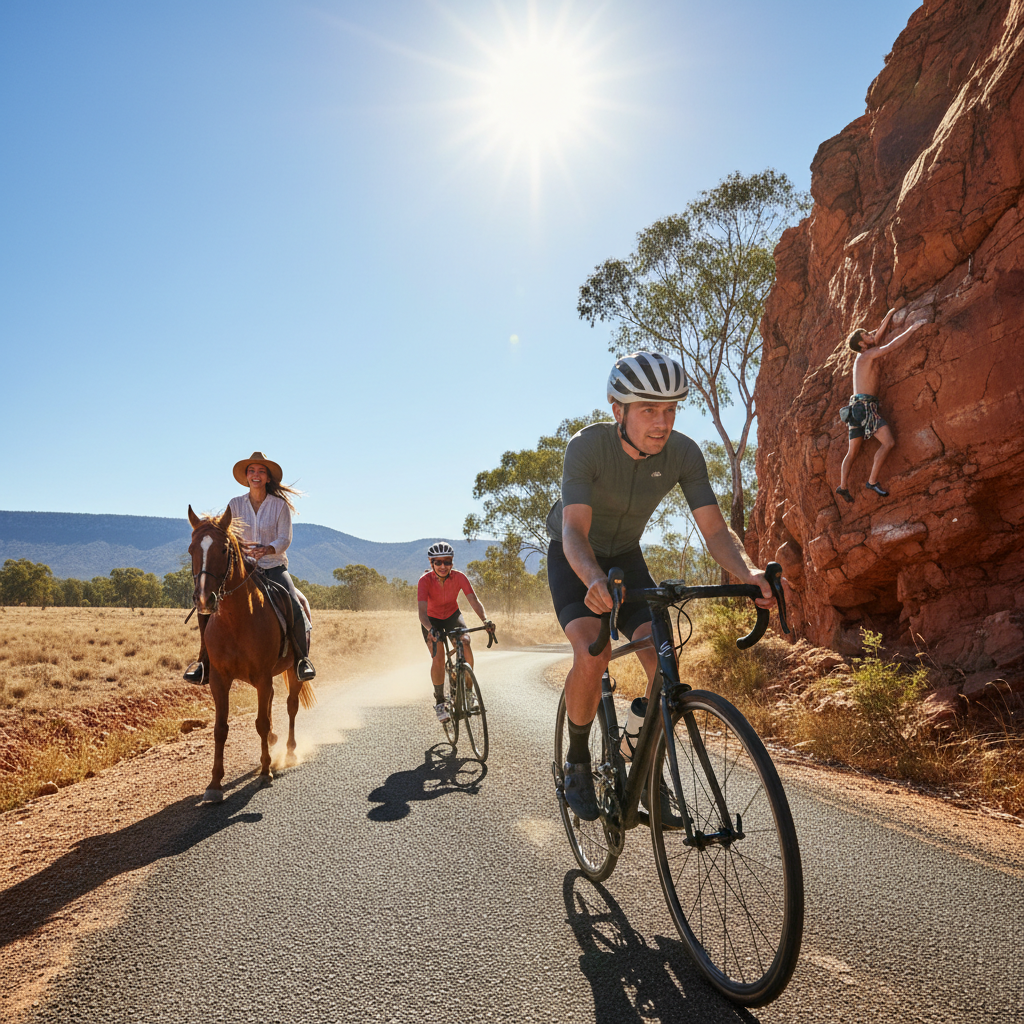
Australia. We love our cycling. Whether you're carving up the tarmac or kicking up dust on the gravel, the sun is almost always a factor. But are you getting the same level of sun protection on every ride? Likely not. And your standard helmet might not be cutting it.
This post is for Australian cyclists who want practical, no-nonsense advice on sun safety. We're cutting through the fluff to give you the facts about sun exposure differences between road and gravel riding, and how to ensure your helmet is properly protecting you.
The Obvious: It's Hot and Sunny Here
Let's not sugarcoat it: Australia has some of the harshest UV levels in the world. The UV index can easily reach 'very high' or 'extreme' at any time of year, especially during daylight hours. Long days in summer mean extended exposure. Short winter days? Still risky, especially if you're out around midday. Heat is another killer, leading to dehydration and fatigue, both of which can impair your judgement and make you more vulnerable to sunburn.
So, we all know we need sun protection. But the nature of your ride directly impacts how much of your exposed skin is actually in harm's way.
Road Cycling and Sun Exposure
Road cyclists typically enjoy wide-open vistas, often with minimal overhead canopy. You’re usually on smooth surfaces, meaning more consistent speeds. This offers a few sun-related considerations:
Consistent Sun Angle: On a long, straight road, the sun’s angle relative to your face can remain fairly consistent for extended periods. This means one side of your face, your neck, and your ears might be bearing the brunt of the UV rays for an hour or more.
Less Physical Obstruction: Unlike trekking through trees, roads rarely offer natural shade. You're essentially a prime target for direct sunlight.
Head Position: While you might be looking ahead, the slight upward tilt of your head to see the road – especially in an aggressive riding position – can expose the tops of your ears and the back of your neck even further.
While many road helmets aim for aerodynamics, this often means a more streamlined, less shaded design. The ventilation is key, but it doesn't inherently provide shade.
Gravel Cycling and Sun Exposure
Gravel riding is a different beast. While you're still outdoors, there are nuances:
Variable Shade: Gravel roads often meander through bushland, forests, or alongside tree-lined paddocks. You get intermittent shade, which can offer brief respite. However, this can also lull you into a false sense of security.
Slower Speeds, Different Angles: Gravel riding often involves slower speeds, especially on rougher terrain. This means you might be spending more time with your head tilted down slightly to navigate the track. This can actually offer more exposure to the underside of your chin and neck, but potentially less to the tops of your ears if you’re looking down.
Dust and Grit: While not directly a sun issue, the dust kicked up can irritate skin that’s already been exposed to the sun. Sunburnt skin is more sensitive.
The Trap of Intermittent Shade: The biggest pitfall on gravel is the 'in and out' of shade. Your skin cools down slightly in the shade, and you might forget how much cumulative UV you've absorbed when you emerge back into direct sun. A solar radiation burn can happen faster than you think.
Comparing the Risks: A Quick Look
| Riding Style | Primary Sun Exposure | Key Concerns |
|---|---|---|
| Road | Direct, consistent | Face, ears, neck (tops and back), scalp |
| Gravel | Intermittent, varied | Face, ears, neck (underside, sides), scalp, chest |
Why Your Standard Helmet Might Not Be Enough
Most cycling helmets are designed with ventilation and safety as their primary focus. While they cover your head, they often leave significant portions of your face and neck vulnerable to UV radiation. Think about it:
The Underside of Your Chin: Never covered by a helmet.
Your Ears: The tops and the back of your ears are notorious for sunburn, especially on long road rides.
Your Neck: The back and sides of your neck can get brutally burnt, particularly when you're leaning forward.
Your Scalp: Even with vents, the sun can get through, especially if your hair is thin or you have a parting.
For consistent sun protection, especially in Australian conditions, you need more than just a helmet shell. You need brimmed protection.
Introducing the DA BRIM Helmet Brim
This is where a product like the DA BRIM comes in. It's not about replacing your helmet; it's about enhancing it.
Our helmet brims are designed to attach to your existing helmet, providing crucial shade where your helmet simply doesn't. They create a barrier against UV rays, keeping more of your face, ears, and neck out of direct sunlight.
Practical Sun Safety for Australian Cyclists: A Checklist
Don't wait until you're peeling. Implement these steps:
[ ] Assess the UV Index: Check the Bureau of Meteorology or weather apps before you ride. If it's 3 or above, sun protection is essential.
[ ] Sunscreen Application: Apply broad-spectrum SPF 30+ sunscreen liberally to all exposed skin at least 20 minutes before riding. Reapply every two hours, or more often if sweating heavily.
[ ] Protective Clothing: Wear lightweight, long-sleeved jerseys and cycling tights or leg warmers. Choose UPF 50+ rated clothing if possible.
[ ] Sunglasses: Crucial for protecting your eyes and the delicate skin around them.
[ ] Lip Balm with SPF: Don't forget your lips!
[ ] Consider a Helmet Brim: If you're serious about preventing sun damage, a helmet brim is a game-changer. Attach it to your helmet. (How to Install) Ensure it’s secure.
[ ] Hydration: Stay well-hydrated. Dehydration exacerbates the effects of heat and sun exposure.
[ ] Seek Shade When Possible: Use natural shade on gravel rides strategically, but don’t rely on it entirely.
Step-by-Step: Enhancing Your Helmet's Sun Protection
It doesn't have to be complicated to significantly improve your sun safety.
Step 1: Choose Your DA BRIM
We have a range of brims designed for different helmet styles and coverage needs. Browse our Products to find the best fit for your helmet.
Step 2: Installation
This is the easy part. Our brims are designed for quick and secure attachment. Follow our simple How to Install guide. It takes minutes and requires no special tools.
Step 3: Ride and Regain Confidence
Feel the difference. The DA BRIM provides a substantial shadow that significantly reduces the amount of direct UV hitting your face and neck. You'll feel cooler and, more importantly, more protected.
Step 4: Clean and Store
After your ride, rinse your brim if it’s dirty and let it dry. Store it with your helmet. For more tips, check our FAQ.
Common Objections and How We Handle Them
"It's too expensive."
Consider the cost of a serious sunburn, long-term skin damage, or even skin cancer treatment. Investing a small amount in a DA BRIM is a fraction of the potential future costs and discomfort. Plus, it’s a durable item that lasts.
"It'll look silly / be uncool."
What's less cool: a slightly different look or developing sunspots and increasing your risk of skin cancer? We believe practicality and health trump perceived aesthetics every time. Many riders find the added shade practical and the look functional. We've designed them to be as unobtrusive as possible while providing maximum coverage.
"It will blow off."
Our brims are engineered with secure attachment systems. When installed correctly according to our How to Install guide, they are designed to stay put, even in strong winds or during more vigorous rides. We've seen them handle it all.
"I’ve never had sun issues before."
Cumulative UV exposure is the real danger. What you didn’t see happening in previous years can catch up with you. Your riding habits might also change, exposing you to different angles or longer durations of sun. Don't wait for a problem to get a solution. Prevention is key.
"My helmet's vents are enough."
Hemets are for impact protection and, to some extent, ventilation. They are not designed to cast a significant shadow over your face and neck. The gaps between vents, the forward tilt of your head, and the angle of the sun often mean UV rays are still reaching your skin.
Conclusion: Protect Yourself, No Matter the Terrain
Whether you're a road warrior seeking speed or a gravel explorer embracing the wild, the Australian sun doesn't discriminate. Your helmet is a vital piece of safety equipment, but without added brim protection, significant portions of your face, ears, and neck remain exposed to harmful UV rays.
Don't let sun exposure be the weak link in your cycling safety. Explore our range of helmet brims at Products and take a proactive step towards healthier, safer riding, no matter where your wheels take you. For more tips and insights, visit our Blog.
Ride smart. Ride protected.