
Riding with Your Helmet: Why You're Still Getting Sunburnt (Even in Winter)
Think winter means no sunburn? Think again. Learn why even sheltered riders in Australia are at risk and how to protect yourself.
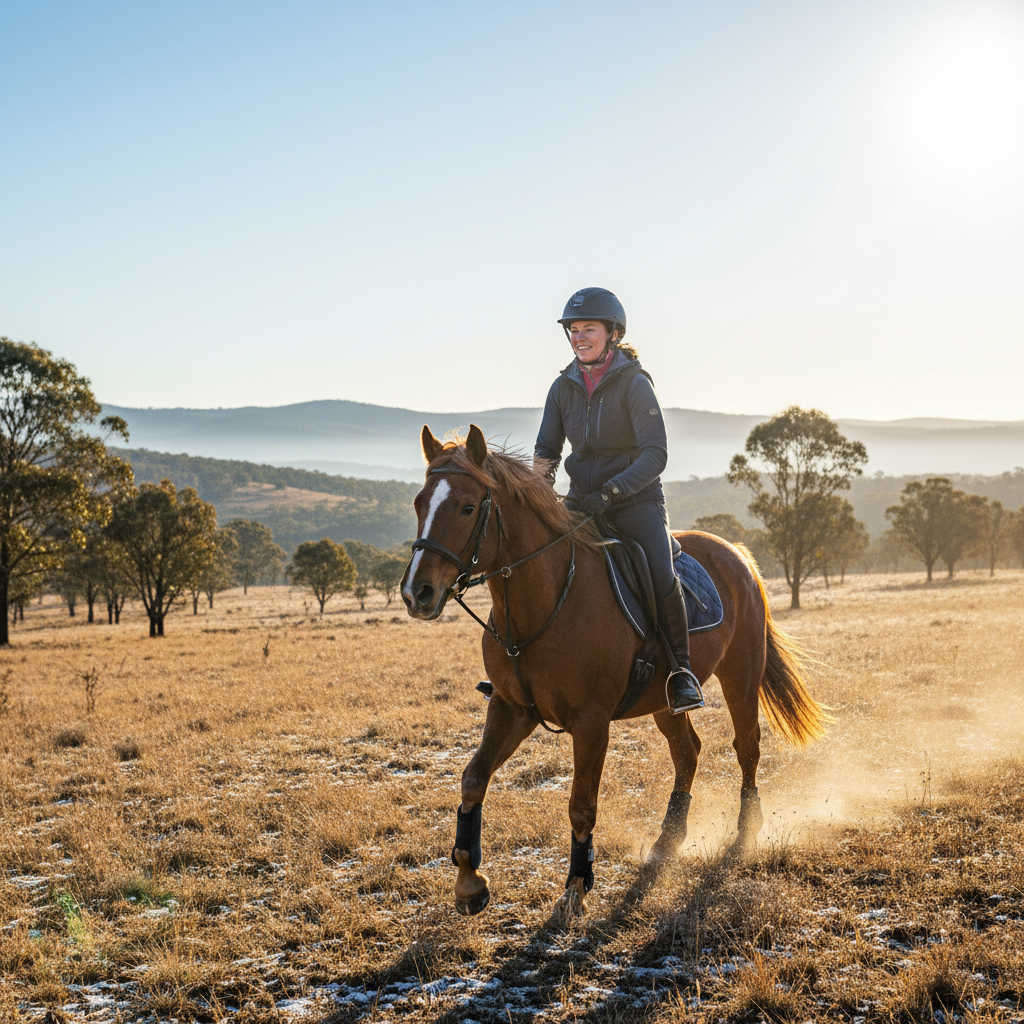
Riding with Your Helmet: Why You're Still Getting Sunburnt (Even in Winter)
Australians are masters of sun safety, right? We slap on the sunscreen, wear hats, and generally know the drill. But when you're in the saddle, helmet on, it’s easy to get complacent. Especially when the calendar says 'winter'. Newsflash: Australian winter sun is not your friend, and your helmet isn't always the complete shield you think it is.
Even with a helmet, you can get seriously burnt. This isn't about scaremongering; it's about practical reality. Let's break down why this happens and what you can do about it.
The Sneaky Winter Sun: It's Still Powerful
We often associate intense sun with the scorching heat of summer. But UV radiation, the culprit behind sunburn and long-term skin damage, doesn't disappear just because the temperature drops. In Australia, UV levels can remain high even on cool, crisp winter days.
Think about it: you can still get a tan in winter if you're not careful, right? The UV index is the real measure, and it can hit 'moderate' to 'high' in many parts of Australia throughout the year. A bright, clear winter sky can be surprisingly deceptive.
Where the Sun Gets In: Your Helmet's Limitations
Your helmet is designed for impact protection, not necessarily 360-degree sun coverage. Here's where the gaps are:
The Face: The brim of most standard riding helmets offers minimal protection for your face. The sun can reflect off the ground, water, or even the horse's coat, hitting you from below. Your nose, cheeks, ears, and even the tops of your eyelids are common targets.
The Neck: The back of your neck is often exposed, especially when you're leaning forward or looking down. As the sun moves across the sky, this area becomes particularly vulnerable.
The Ears: These are easily forgotten and frequently get burnt, often leading to painful peeling. The sun's rays can hit them directly from the sides.
The Scalp (if hair is thin): While hair offers some natural protection, fine hair or receding hairlines can still let UV rays penetrate to the scalp.
Reflection: White fences, sand, water, and even light-coloured horse coats can reflect UV rays, increasing your overall exposure. This is often a bigger problem than people realise.
Common Rider Mistakes
Complacency is the biggest enemy. Here are some common pitfalls:
"It's just a short ride": Even 15-20 minutes of direct sun exposure can be enough to cause damage, especially when the UV index is high. Short rides add up.
"I wear sunscreen": Great, but did you reapply? Did you cover all exposed areas? Many people miss their ears, neck, or the tops of their feet.
"The sky is cloudy": Clouds can block visible light and heat, but UV rays can still penetrate, especially thin or broken cloud cover.
"I'm wearing a helmet": As we've discussed, the helmet itself has limitations.
Australian Riding Conditions: A Unique Challenge
Australia has a strong bond with horses, and riding is a popular pastime, from casual trail rides to competitive events. However, our environment presents specific sun-safety challenges:
High UV Index: Even in winter, the UV index can reach levels of 3 or more, which is considered moderate and warrants protection. In hotter months, it can easily soar to 10+.
Long Days: Daylight hours are extended, meaning more time spent outdoors under the sun, regardless of the season.
Vast Open Spaces: Riding often takes place in open paddocks, beaches, or trails with little to no natural shade, exposing you for extended periods.
Heat (even in winter): While not as intense as summer, some regions can still experience warm, sunny winter days where you feel the heat, making you forget about the unseen UV damage.
The Da Brim Solution: Extending Your Helmet's Protection
This is where a practical, proven solution comes in. Standard helmet brims are often inadequate. That's why we developed Da Brim. It's not just another fashion accessory; it's a scientifically designed helmet brim that retrofits to virtually any helmet, dramatically increasing your sun protection.
How Da Brim Works
Da Brim is engineered to extend outwards and downwards, creating a significant shadow for your face, neck, and ears. It’s made from durable, UV-resistant material that holds its shape, even in windy conditions.
Wider Brim Coverage: Unlike the tiny brims on most riding helmets, Da Brim offers substantial shade, blocking direct sunlight and reducing glare.
Extended Neck Protection: The rear brim drapes lower, shielding your neck from those sneaky rays that sneak in from behind.
Ear Protection: The sides of the Da Brim are sculpted to protect your ears, a common blind spot for sunburn.
Attaches Securely: Our patented attachment system ensures Da Brim stays put on your helmet, so you can focus on your ride, not on your sun safety.
Addressing Common Objections
We hear all sorts of reasons why people might be hesitant to try Da Brim. Let's tackle them head-on:
"It looks silly / It will ruin the look of my helmet." We understand aesthetics matter. Da Brim has a sleek, functional design that complements most helmets. The real issue is not looking silly with a burnt, peeling face and neck. Prioritising protection over a minor aesthetic concern is smart.
"It will blow off." We hear this a lot. Da Brim features a robust, adjustable strap system that is specifically designed to hold it securely to your helmet. It’s designed for equestrian use in Australian conditions. Check out our How to Install guide to see just how secure it is.
"It's expensive." Consider the cost of treating sun damage, skin cancer checks, or even just the discomfort of a severe sunburn. Da Brim is a one-time investment in long-term protection for your skin. Compare it to the cost of ongoing sunscreen for every ride, and the effectiveness is far superior.
"I don't ride long enough to need it." As we've seen, even short durations in the Australian sun can be damaging. Plus, who knows when an enjoyable ride might extend longer than planned?
"My helmet brim is good enough." For most helmets, this simply isn't true. The standard brims are often too small to offer adequate protection against the Australian sun, especially with reflection. Da Brim is engineered for superior coverage.
Your Winter Sun Safety Checklist
Don't let winter fool you. Implement these steps before your next ride:
[ ] Check the UV Index: Use a reliable weather app or website to see the UV forecast for your riding location. Aim to ride when it's lower, or take extra precautions when it's moderate or high.
[ ] Apply Sunscreen: Use broad-spectrum SPF 30+ sunscreen on all exposed skin – face, neck, ears, hands. Don't forget the back of your knees if you're wearing shorts.
[ ] Wear Da Brim: Ensure your Da Brim is securely attached to your helmet, providing that crucial extra shade.
[ ] Use Lip Balm with SPF: Your lips are susceptible to sunburn too.
[ ] Consider Sunglasses: If your helmet allows, wear sunglasses that offer UV protection for your eyes and the delicate skin around them.
[ ] Cover Up: If possible, wear lightweight, long-sleeved riding shirts made from UV-protective fabric.
Step-by-Step: Attaching Your Da Brim
Getting it right means maximum protection. It's simple, but follow these steps carefully for a secure fit:
1. Identify Attachment Points: Locate the designated attachment points on your helmet. Most helmets have straps or vents that are ideal.
2. Position Da Brim: Place Da Brim on your helmet, ensuring it's centred and allowing for the desired amount of shade on your face and neck. Think about how the sun comes at you during your typical riding times.
3. Secure the Straps: Feed the Da Brim straps through the attachment points on your helmet. Use the adjustable buckles to ensure a snug fit. You want it firm enough not to move, but not so tight that it's uncomfortable or deforms your helmet.
4. Check for Movement: Gently try to shift Da Brim. It should feel solid and secure. If it moves easily, tighten the straps further.
5. Final Fit: Put your helmet on with Da Brim attached and check your field of vision. Make sure it doesn't obstruct your view in any way. Adjust if necessary.
For a visual guide and more detail, visit our How to Install page.
Don't Wait for the Burn
Sunburn isn't just a temporary discomfort; it's a sign of skin damage that accumulates over time. In Australia, with our intense sun year-round, taking sun safety seriously is non-negotiable, especially when engaging in outdoor activities like horse riding.
Your helmet is essential for safety, but for comprehensive sun protection, it needs help. Da Brim is the practical, effective solution for riders looking to protect their skin without compromising their ride or their helmet's integrity.
Browse our range of Products and find the perfect Da Brim for your helmet. Protect yourself, ride smarter, and enjoy your time in the saddle, no matter the season. For more tips and information, explore our Blog or check out our FAQ section.
Stay safe out there!