
Riding Under the Aussie Sun: Protecting Your Skin from UV Risks
Australia's sun is intense. As a rider or instructor, understanding and mitigating UV exposure risks is crucial for your long-term health. This guide provides practical, no-nonsense advice.
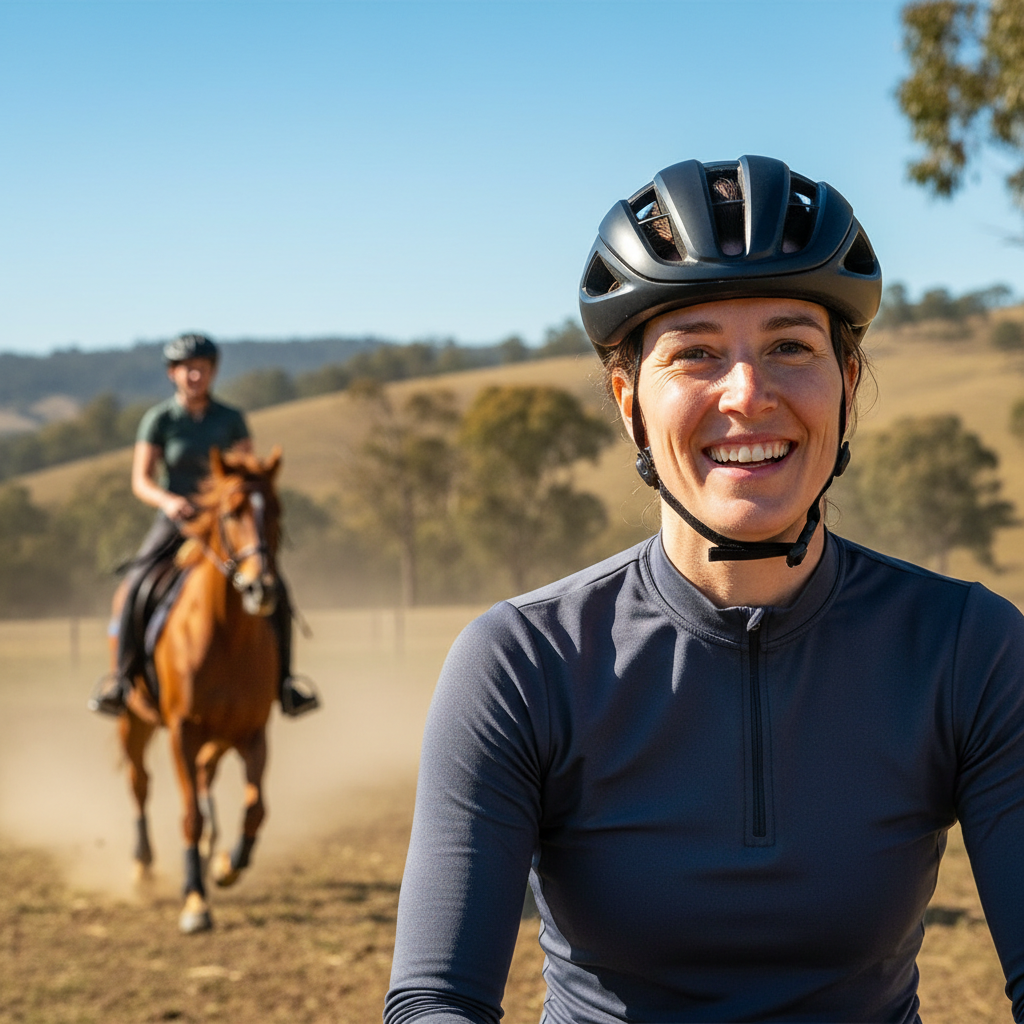
Let's be honest. We love being outdoors, especially on horseback. But here in Australia, that outdoor life comes with a serious caveat: the sun. It's not just a bit of warmth; it's a powerful UV radiation generator that can cause significant damage to your skin, and yes, even to your eyes. For riders and instructors, those long hours spent under the open sky significantly ramp up your exposure risks. This isn't about fear-mongering; it's about practicality.
The Harsh Reality: Australian UV Is No Joke
Australia consistently ranks among the countries with the highest UV radiation levels globally. Even on cloudy days, up to 80% of UV rays can penetrate the atmosphere. We have long daylight hours, particularly during summer, and our latitude means the sun’s rays hit us more directly. This creates a perfect storm for sun damage if you're not prepared.
The risks are cumulative. Every bit of unprotected exposure adds up, increasing your chances of developing premature aging (think wrinkles and sunspots) and, more critically, skin cancers, including melanoma, basal cell carcinoma, and squamous cell carcinoma. These aren't just cosmetic issues; they can be life-threatening.
Who's Most at Risk in the Equestrian World?
As a rider or instructor, you're often exposed for extended periods, frequently with minimal shade. Think about:
- Lessons: Especially if you teach multiple clients a day, you're spending hours outdoors.
- Training: Extended riding sessions, whether for yourself or for a client's horse.
- Competitions: Long days, often waiting around between events, under direct sun.
- Trail Riding: Often in open country with little natural cover.
- Horse Care: Yes, even grooming and stable duties can contribute to daily UV load.
Your helmet, while essential for safety, only protects the top of your head. The rest of your exposed skin – face, neck, ears, arms, and hands – is vulnerable. And let's not forget your eyes, which can suffer UV damage leading to cataracts and other eye conditions.
Objection Handling: Why I Can't Just Slap on Sunscreen
We hear it all the time: "I wear sunscreen." Great, that's a vital part of the puzzle. But let's break down why it's often not enough, especially for dedicated equestrians:
- Application Issues: Are you reapplying every two hours, especially after sweating? Most people aren't. Sunscreen washes off and degrades.
- Inadequate Coverage: Did you miss a spot? Ears, back of the neck, tops of feet (if wearing boots)? It's easy to miss areas.
- Sweat & Rubbing: Horsehair, reins, and sweat can rub sunscreen off your face and hands.
- Heat & Discomfort: Layering sunscreen, long sleeves, and hats can feel unbearable in the Australian heat, leading to people cutting corners.
- Limited Protection: Sunscreen blocks UV rays, but it's not a foolproof shield. Physical barriers offer more reliable protection.
The goal isn't to replace sunscreen entirely, but to build a comprehensive sun protection strategy that accounts for our unique needs as riders.
Building Your Ultimate Sun Protection Arsenal
A multi-layered approach is key. Think of it like your riding gear – you wouldn't just wear one piece; you have layers for warmth, protection, and comfort. Sun protection should be no different.
1. The Unbeatable Defence: Physical Barriers
This is your first and most important line of defence. Clothing that covers your skin is the most effective way to block UV rays. Look for:
- Long Sleeves: Lightweight, breathable, and preferably UPF (Ultraviolet Protection Factor) rated.
- Long Trousers/Jodhpurs: Again, UPF rating is ideal.
- Wide-Brimmed Hats: While you're wearing a helmet, what about before and after? Or for instructors during breaks? A hat with a brim that shades your face, neck, and ears is crucial.
- Sunglasses: Look for ones that block 99-100% of UVA and UVB rays. Wrap-around styles offer better protection.
2. The Helmet Factor: Protection Beyond the Crown
Your helmet is your lifesaver. But as mentioned, it only covers the top. What about the parts it doesn't? This is where innovation comes in. Products designed to extend the protection of your helmet can be a game-changer. A brim that attaches to your existing helmet can provide much-needed shade for your face, ears, and neck without compromising the helmet's safety rating. It's about enhancing, not hindering, your existing safety gear. You can find options for adding this extra layer of defence on our Products page.
3. Sunscreen: The Essential Reinforcement
When you absolutely must have exposed skin, use it. Ensure it's broad-spectrum with an SPF of 30 or higher. Remember to:
- Apply generously at least 20 minutes before sun exposure.
- Reapply every two hours, and more often if swimming or sweating heavily.
- Don't forget often-missed spots: ears, back of the neck, lips (use a lip balm with SPF), tops of feet.
4. Hydration and Timing
Dehydration exacerbates the effects of heat and sun. Drink plenty of water throughout the day. Also, be mindful of UV radiation intensity. The UV index is typically highest between 10 am and 3 pm. If possible, schedule strenuous riding or teaching during cooler parts of the day. Check the Bureau of Meteorology's UV alert for your area.
A Checklist for Sun-Safe Riding
Keep this handy to ensure you're always prepared:
- Helmet check: Is it in good condition? Does it fit properly? (Essential for safety).
- Headwear: Wide-brimmed hat for before/after riding.
- Clothing: Long-sleeved, lightweight, UPF-rated if possible.
- Sunscreen: Broad-spectrum SPF 30+ for all exposed skin.
- Sunglasses: 100% UVA/UVB protection.
- Lip protection: SPF lip balm.
- Water bottle: Stay hydrated.
- Helmet Brim (Optional, but recommended): Extends UV protection for face/neck. See Products.
Step-by-Step: Integrating Sun Protection into Your Routine
Making sun safety a habit is easier than you think.
- Morning Prep: Before you even head to the stables, apply sunscreen to all exposed areas. Top up if you know you'll be out for the full day.
- Gear Up: Put on your sun-protective clothing. If you use an attachable helmet brim, ensure it's securely fitted. Learn more about fitting on our How to Install page.
- During Riding: Be aware of where the sun is. If you're in direct sun for extended periods, consider taking short breaks in shaded areas if possible.
- Reapplication Breaks: If teaching or on a long ride, schedule brief breaks to reapply sunscreen, especially on your face and hands.
- Post-Ride Care: Continue to protect yourself. Pack away your gear, reapply sunscreen if you're staying outside, and rehydrate.
Common Questions Answered
You've got questions; we've got practical answers. For more in-depth information, visit our FAQ page.
| Common Objection | Practical Solution |
|---|---|
| "It’s too hot to wear long sleeves." | Choose lightweight, breathable fabrics, including UPF-rated options designed for hot weather. Focus on covering up first. |
| "Sunscreen is too greasy/makes me break out." | Look for oil-free, non-comedogenic formulas. Mineral sunscreens (zinc oxide, titanium dioxide) are often gentler. Physical barriers (clothing, helmet brims) reduce the amount of sunscreen needed. |
| "I only ride for short periods." | Cumulative exposure matters. Even short, frequent exposures add up over time, especially in Australia. |
| "I don't want to fuss with extra gear like a helmet brim." | Consider the long-term health benefits versus the minimal extra faff. A well-designed helmet brim is lightweight and can significantly increase your coverage. Browse options on our Products page. It's a small step for big protection. |
Don't Let the Sun Win
Riding and instructing in Australia is a privilege, but it demands respect for our powerful sun. Don't let unprotected UV exposure undermine your health and enjoyment. By implementing practical, layered sun protection strategies, you can continue to enjoy your time in the saddle, knowing you're safeguarding your skin for the long haul. Remember, consistency is key. Make sun safety as much a part of your riding routine as checking your girth.
For more tips and product information, explore our Products and Blog sections.