
Riding Under the Aussie Sun: Protecting Your Skin and Your Ride
Don't let the Australian sun sideline your equestrian passion. Understand the UV risks for riders and instructors, and learn practical, no-nonsense ways to stay safe and comfortable.
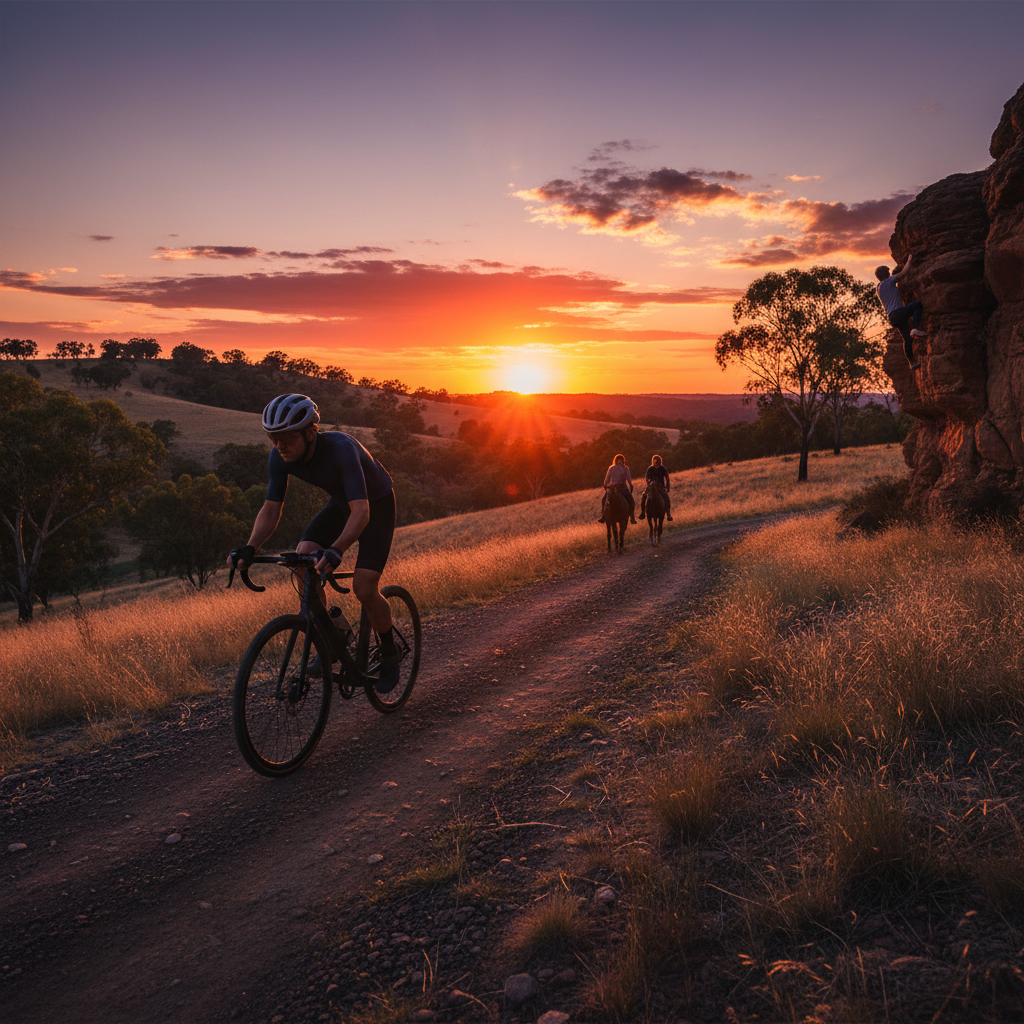
Riding Under the Aussie Sun: Protecting Your Skin and Your Ride
Australia. It's a rider's paradise. Long days, fantastic weather, and endless trails. But let's get real: that beautiful sunshine brings serious UV radiation. For riders and instructors spending hours in the saddle, whether training, competing, or just enjoying a leisurely hack, neglecting sun protection isn't just uncomfortable – it's dangerous.
This isn't about fear-mongering. It's about practical, no-fluff advice for anyone who loves horses and spends significant time outdoors in Australian conditions. We're talking about a country where the UV index regularly hits extreme levels, where the heat can be relentless, and where sunburn can turn a great day into a painful one, impacting your focus, your performance, and your long-term health.
The Unseen Enemy: UV Radiation and the Rider
Your helmet is essential for impact protection. It's your first line of defence against injury. But ask yourself: is it doing anything to protect your face and neck from the sun's relentless assault? For most helmets, the answer is a resounding no. The skin on your face, ears, and neck is constantly exposed. This cumulative UV exposure year after year is the primary cause of premature aging (think wrinkles and sunspots) and, more critically, skin cancer, including potentially deadly melanoma.
Why Australian Conditions Make it Worse
We know the Australian sun is harsh. It’s not just a cliché; it’s science. The proximity to the equator, our clear skies, and the ozone layer's particular characteristics mean our UV levels are among the highest in the world. We're talking about UV index readings of 11 and above being common – classified as ‘Extreme’ – and these can occur even on cloudy days.
Long riding days, common practice for instructors and serious enthusiasts, compound the problem. Even if you start early, the sun's intensity climbs. Early morning training sessions for events, afternoon trail rides, and full-day clinics all add up. Plus, water and sand can reflect UV rays, increasing your overall exposure if you're riding near beaches or in sandy arenas.
Objections Handled: Why Sun Safety Isn't a Hassle
Let's tackle some common excuses we hear:
“I just get used to it.” Your skin might develop a tan, but that tan is actual skin damage. It doesn't mean you're immune to UV radiation. Long-term damage, like DNA mutations leading to cancer, is invisible until it's too late.
“My hat (helmet) shade is enough.” For most riding helmets, the brim is minimal. It offers little to no protection for your ears, the back of your neck, or the sides of your face. It's designed for impact, not sun shade.
“Sunscreen is greasy and gets in my eyes.” Traditional sunscreens can be annoying, especially when you're sweating. They can sting, feel heavy, and need constant reapplication. There are better, more convenient solutions.
“It’s too hot to wear extra layers or hats.” This is a common concern, especially when riding in the peak heat of an Australian summer. However, being protected from the sun also helps you stay cooler by preventing sunburn and reducing direct heat absorption onto your skin. Proper sun protection can actually make you feel more comfortable.
“I’m only out for an hour.” Even an hour in direct Australian sun, especially between 10 am and 3 pm when UV is strongest, can cause significant damage. For instructors overseeing multiple lessons or riders training for extended periods, the cumulative exposure is substantial.
The Risks: Beyond a Red Nose
Beyond the obvious discomfort of sunburn, there are more serious risks:
Skin Cancer: This is the big one. Australia has one of the highest rates of skin cancer in the world. Cumulative UV exposure from years of riding significantly increases your risk of developing basal cell carcinoma, squamous cell carcinoma, and melanoma.
Heatstroke and Heat Exhaustion: Prolonged exposure to the sun, especially when combined with physical exertion, can lead to dangerous heat-related illnesses. Dehydration and overheating can impair judgement and slow your reaction times – critical issues when handling horses.
Eye Damage: UV radiation can damage your eyes, contributing to cataracts and other vision problems over time. Standard riding glasses or visors might not offer sufficient UV protection.
Premature Skin Aging: Let's face it, no one wants to look older than they are. Sun damage breaks down collagen and elastin, leading to wrinkles, sagging skin, and sunspots.
Practical Sun Protection Strategies for Riders and Instructors
This is where we get down to business. Sun protection for equestrians needs to be effective, comfortable, and practical. It’s about integrating smart habits and smart gear into your riding routine.
Your Helmet: The Foundation, Not the Finish Line
Your helmet is your primary safety gear. But it can be made better. Standard helmets often leave huge areas of your face and neck exposed. Consider accessories that enhance your helmet's protective capabilities.
Introducing: The Da Brim Helmet Brim
This is a game-changer for riders. Designed specifically to attach to most equestrian helmets, the Da Brim provides significant shade for your face, ears, and the back of your neck. It's lightweight, stays put even in windy conditions, and dramatically increases your sun defence without compromising your helmet's safety rating. It’s a straightforward way to upgrade your existing helmet for UV protection. Check out our Products page to see the range.
Beyond the Helmet: A Multi-Layered Approach
Sun protection is never just one thing. It’s a combination of strategies. Remember, you're in direct sunlight, often for extended periods, with reflections from the ground and the horse.
1. Sunscreen - The Right Way:
SPF 50+: Always choose broad-spectrum sunscreen with SPF 50 or higher. For our conditions, nothing less will do.
Water-Resistant: If you sweat a lot (and who doesn't, riding in Australia?), make sure it’s water-resistant.
Application: Apply 20 minutes before you go outside, and reapply every two hours, or more frequently if sweating heavily.
Don't Forget: Face, ears, neck, the backs of your hands, and tops of your feet (if your riding boots expose them).
Objection Handling: If you find traditional sunscreen greasy, look for mineral-based, non-comedogenic formulas that are lighter. For eyes, wear sunglasses with UV protection. Proper application is key to avoiding eye sting.
2. Protective Clothing:
UPF Fabric: Look for long-sleeved shirts and pants made from lightweight, breathable fabrics with a Ultraviolet Protection Factor (UPF) rating of 50+.
Collars: High collars on shirts offer extra neck protection. Tuck them into your helmet lining if they’re annoying against your skin.
Gloves: Sun gloves protect the backs of your hands, which are perpetually exposed when holding reins.
3. Eyewear:
UV Protection is Non-Negotiable: Regular sunglasses might look cool, but they aren’t always enough. Ensure your sunglasses block 99-100% of UVA and UVB rays. Wraparound styles offer better protection from peripheral light.
4. Hydration:
Crucial for Heat: Staying hydrated is vital for preventing heat exhaustion and heatstroke. Drink water consistently throughout the day, before you feel thirsty. Electrolyte drinks can be beneficial on very hot, long rides.
5. Timing:
Avoid Peak Hours: If possible, schedule your most strenuous riding for early morning or late afternoon when the UV index is lower. This is often easier said than done for instructors or event riders, but even shifting a lesson by an hour can make a difference.
Bullet Checklist: Your Quick Sun Safety Guide
Print this out. Stick it on your tack box. Make it a habit.
[ ] Helmet Upgrade: Attach a Da Brim Helmet Brim for superior face, ear, and neck shade.
[ ] Sunscreen Ready: SPF 50+ Broad Spectrum, water-resistant, applied 20 mins prior, reapplied every 2 hours.
[ ] Target Areas: Don’t miss face, ears, neck, hands, or any exposed skin.
[ ] Sun-Protective Clothing: Lightweight, breathable, UPF 50+ rated long sleeves and pants.
[ ] Eye Protection: Sunglasses with 100% UVA/UVB protection.
[ ] Hydrate: Drink water constantly throughout the day.
[ ] Strategic Timing: Ride during lower UV index periods when feasible.
Making it Happen: Step-by-Step Integration
How do you actually do this without it feeling like a chore? It’s about building it into your routine.
Step 1: Gear Up (Before You Ride)
1. Apply Sunscreen: As soon as you arrive at the stables, before you start tacking up, apply your SPF 50+ sunscreen liberally. This gives it time to absorb.
2. Don Your Protective Clothing: Put on your UPF long-sleeved shirt and pants. Ensure your collar is up.
3. Wear Your Sun-Safe Helmet: If you have a Da Brim attached, ensure it’s securely on your helmet. Put your helmet on.
4. Grab Your Sunglasses: Put on your UV-blocking sunglasses. If they tend to fog, consider an anti-fog spray.
Step 2: During the Ride
1. Maintain Hydration: Keep a water bottle within easy reach (in the yard, or strapped to your saddle if appropriate) and take sips regularly.
2. Be Mindful of Reapplication: If you’re on a long hack or teaching multiple lessons, set a timer on your watch for a sunscreen reapplication break (e.g., every 2 hours). This might mean dismounting for a couple of minutes.
Step 3: Post-Ride Routine
1. Check for Exposed Areas: After you unsaddle and have a drink, quickly check any areas you might have missed. It’s easier to apply a bit more sunscreen now than deal with a burn later.
2. Clean Up: Wash off sweat and sunscreen. This also helps you assess your skin for any redness that might be developing.
For Instructors: Leading by Example
As an instructor, you are a role model. Your commitment to sun safety not only protects you but also influences your students. Make it a standard part of your instruction: talk about sun protection, demonstrate good habits, and ensure your students are also taking precautions. Encourage riders to wear appropriate gear. Your proactive approach can have a ripple effect, fostering a culture of safety within your riding school. We have more insights on safety on our FAQ page.
Long-Term Investment in Your Riding Life
Australia’s brilliant sunshine is a gift, but it requires respect. Protecting yourself from UV radiation isn't just about avoiding a sunburn today; it's about safeguarding your health and ensuring you can continue enjoying your passion for horses for many years to come. Invest in quality sun protection solutions like the Da Brim Helmet Brim, adopt smart habits, and make sun safety a non-negotiable part of your equestrian lifestyle. Don't let skin cancer or heatstroke force you out of the saddle. For more general equestrian tips, explore our Blog.
Ride safe, ride smart, and ride protected.
---This content provides general advice and is not a substitute for professional medical advice. Always consult with a healthcare professional for personalized guidance.*---