
Riding Protected: Your Helmet is Half the Story for Sun Safety
Don't let the Australian sun sideline you. Learn the real UV risks for riders and instructors, and how to keep your skin and eyes protected even under your helmet.
Riding Protected: Your Helmet is Half the Story for Sun Safety
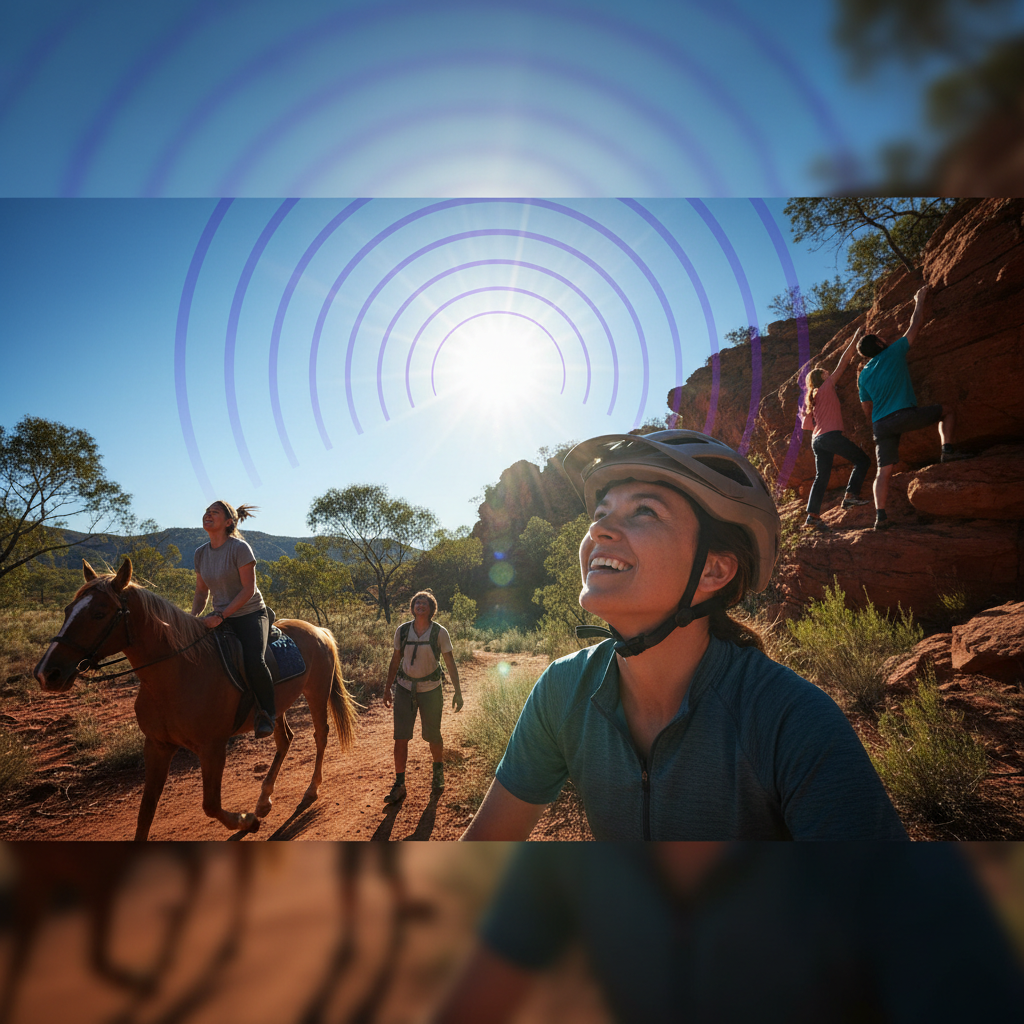
Australia. Beautiful country, incredible riding conditions. And a relentless sun that demands respect. We all know helmets are non-negotiable for safety on horseback. But what about protection from the sun, especially for those who spend hours in the saddle or instructing others?
This isn't about fear-mongering; it's about practical, no-nonsense advice. We're talking about the real risks of UV exposure for Australian riders and instructors, and how to mitigate them – because your helmet alone isn't the complete answer.
The Unseen Threat: UV Exposure in the Saddle
Even under your helmet, UV radiation is a serious concern. Australia consistently has some of the highest UV levels in the world. Think about it: you're often outdoors during peak UV hours, your face is angled upwards towards the sun, and the reflective surfaces around you – arenas, water, even light-coloured sand – can amplify the exposure.
The Risks for Riders:
Skin Cancer: This is the big one. Australia has one of the highest rates of skin cancer globally. Prolonged, cumulative UV exposure, even in short bursts, significantly increases your risk of melanoma and other skin cancers, particularly on your face, ears, and neck – areas often exposed despite a helmet.
Premature Ageing: Sun damage isn't just about health; it's about appearance. UV rays break down collagen and elastin in your skin, leading to wrinkles, sunspots, and leathery texture long before your time.
Eye Damage: Your eyes are vulnerable too. UV radiation can cause photokeratitis (sunburn of the eye) which is intensely painful in the short term, and contribute to long-term issues like cataracts and macular degeneration.
Heatstroke and Dehydration: While not directly UV, the intense Australian heat often accompanies high UV days. Riding in direct sun for extended periods can quickly lead to overheating and dehydration, impacting your performance and safety.
The Elevated Risks for Instructors:
Instructors are often out in the elements even longer than a regular rider. Think multiple lessons a day, often back-to-back, with minimal breaks in shade. This amplifies all the risks faced by riders.
Cumulative Exposure: Consecutive lessons mean consistent, prolonged UV bombardment. A few hours here and there adds up dramatically over a career.
Face and Neck Burn: Instructors are often facing their students, which can mean direct sun exposure to the face and neck for extended periods. Helmets offer some shade, but it's rarely full coverage.
Eye Strain and Fatigue: Constant squinting against the glare, even with sunglasses, can lead to eye strain and fatigue, impacting your ability to clearly observe your students.
Why Your Helmet Isn't Enough (and What Its Limitations Are)
Let’s be honest. Most equestrian helmets are designed primarily for impact protection, not comprehensive sun shielding. While they shade your scalp and offer some relief to your forehead, they leave significant areas exposed:
Nose and Cheeks: The brim of most helmets is relatively short and provides minimal coverage for the sides and bridge of your nose, and your cheekbones.
Ears: Your ears are prime real estate for skin cancers and sun damage, and a helmet offers very little protection here.
Neck: The back of your neck is often exposed, especially when leaning forward or looking up.
Eyes: While a helmet might cast a shadow, it doesn't block direct UV rays that can penetrate from the sides or reflect off surfaces.
Common Objections and How to Handle Them:
*"I only ride for an hour, that’s not long enough to burn."
Reality Check: In Australia, especially during summer with high UV indices, even 15-20 minutes of unprotected sun exposure can cause damage. Cumulative exposure over months and years is the real danger for skin cancer. The UV Index in Australia frequently reaches 10+, which is extreme and damaging.
"I wear sunscreen."
Reality Check: Sunscreen is vital, but it’s not infallible. It can sweat off, it needs reapplication (which is hard to do mid-ride), and it’s easy to miss spots like ears and the back of the neck. It’s a layer of protection, not a complete solution.
"I wear a cap under my helmet."
Reality Check: A cap offers some shade but often compromises helmet fit and safety. Furthermore, many caps have limited brim length, and the material itself may not offer sufficient UV protection. They also don’t protect your ears.
"My helmet has a good brim."
Reality Check: As discussed, most helmet brims are designed for style and limited protection. They don’t cover the crucial side areas of the face or ears.
Practical Sun Safety Strategies for Riders and Instructors
Forget complicated routines. We're talking simple, effective steps to maximise your protection without compromising your riding experience or safety. This is about making smart choices for long-term health.
Level of Protection Table:
Here's a quick look at common protective measures and their effectiveness for Australian conditions:
| Protection Method | Effectiveness (Rider/Instructor) | Notes |
|---|---|---|
| Equestrian Helmet | Partial. Protects scalp and forehead, offers some face shade. | Limited coverage for nose, cheeks, ears, and neck. Primary function is impact protection. |
| Sunscreen (SPF 30+) | Good, but needs management. |
|
| Wide-Brimmed Hat | Excellent for non-helmet activities. Not suitable for riding. | Offers full face, ear, and neck protection. Use for grooming, stable work, or in the car. |
| UV-Protective Clothing | Good for neck/arms. | Long sleeves with UPF rating are best. Can help with neck and arm exposure. Doesn’t help face directly. |
| Sunglasses (UV Rated) | Essential for eye protection. |
|
| Helmet Brim Extender | Excellent for extending helmet shade. | Designed to attach to existing helmets, significantly increasing face, nose, and cheek coverage. Offers crucial extra protection for vulnerable areas.
|
Your Sun Safety Checklist:
Before you even tack up, run through this quick checklist.
[ ] Assess the UV Index: Know your local forecast. If it’s 8+, take extra precautions.
[ ] Apply Sunscreen: Generously apply broad-spectrum SPF 30+ sunscreen to all exposed skin: face, ears, neck (front and back), hands. Allow it to dry before putting on your helmet.
[ ] Wear UV-Rated Sunglasses: Crucial for reducing eye strain and preventing long-term UV damage.
[ ] Consider UV-Protective Clothing: Long-sleeved riding shirts with a UPF rating offer good arm and upper back protection.
[ ] Utilise a Helmet Brim Extender: This is a game-changer for adding crucial coverage to your face and nose – areas most impacted by direct sun under a helmet. Check out the options in our Products section.
[ ] Stay Hydrated: Drink water before, during, and after your ride.
- [ ] Seek Shade: Whenever possible, take breaks in shaded areas.
Step-by-Step: Enhancing Your Helmet's Sun Protection
This requires minimal effort but offers maximum benefit. It's about maximizing the coverage of what you already have.
1. Choose the Right Extender: Not all helmet brim extenders are created equal. You want one that is lightweight, durable, and fits securely to your helmet. Look for designs that cover more of your face, particularly the sides of your nose and cheeks.
2. Easy Installation: Our extenders were designed for simplicity. Refer to our How to Install guide for a quick, foolproof process. It takes minutes.
3. Secure Fit Check: Once attached, give it a gentle tug to ensure it's secure and won't shift while riding. A wobbly brim is distracting and less effective.
4. Combine with Other Measures: Remember, the extender is a significant enhancement, but it works best alongside sunscreen, sunglasses, and UV-protective clothing.
Long-Term Benefits: Investing in Your Health
Thinking about sun safety isn't just about avoiding a sunburn today. It’s about reducing your lifetime risk of skin cancer, maintaining healthier skin, and protecting your vision for years to come.
As an instructor, you're a role model. Demonstrating good sun safety practices sets a positive example for your students, especially young riders who are highly susceptible to sun damage.
Don't let the Australian sun be a barrier to your passion. With the right approach, you can enjoy your riding and instructing to the fullest, knowing you're protected.
We understand the unique challenges riders face in our harsh climate. That's why we developed solutions like helmet brim extenders to provide that critical extra layer of protection. Explore our Products to find the best fit for your helmet and riding needs.
Got questions about sun safety, helmet compatibility, or our products? Our FAQ page has answers. You can also find more tips and stories in our Blog.
Ride smart, ride safe, and ride protected.