
Riding in the Sun: Protect Your Skin Under That Helmet
Don't let the Australian sun damage your skin while you're in the saddle. Learn the real UV risks for riders and instructors, and how to easily protect yourself, even with a helmet on.
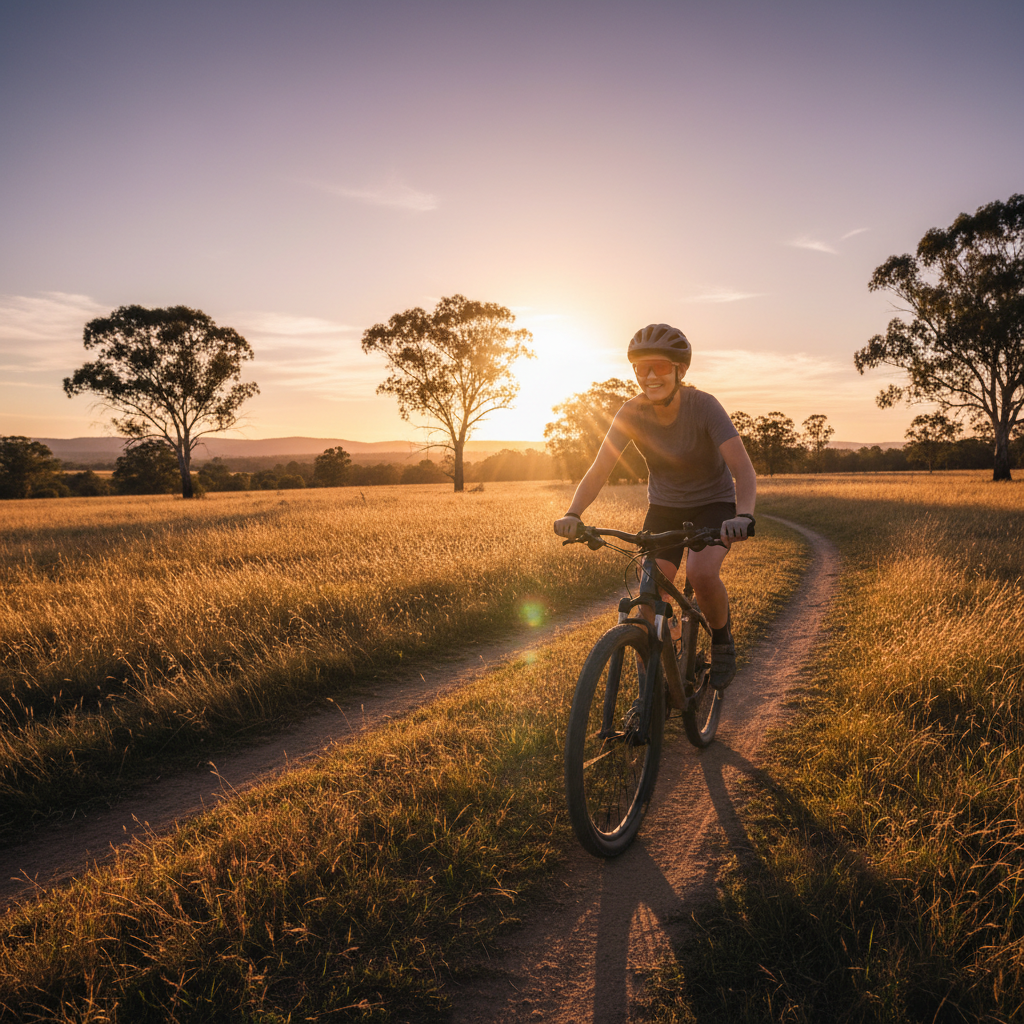
Riding in the Sun: Protect Your Skin Under That Helmet
Australia. We love our wide-open spaces, our horses, and our outdoor lifestyle. For many of us, that means spending significant time in the saddle. But here's the brutal truth: that time outdoors, especially under the relentless Australian sun, comes with serious risks for your skin. And even with a helmet on, you're not as protected as you might think.
This isn't about fear-mongering; it's about facts and practical solutions. As riders and instructors, you're exposed to UV radiation constantly. The UV Index here regularly hits high levels, even on cloudy days. Prolonged exposure without adequate protection dramatically increases your risk of sunburn, premature ageing, and, most critically, skin cancer, including melanoma.
Many riders assume their helmet is enough. It's not. While it shades your scalp and the top of your head, UV rays can still penetrate and reflect around the edges, especially when you're looking down at your horse or upwards at jumps. Instructors, often spending even longer periods outdoors supervising lessons, face cumulative exposure that can be significant.
The Hidden Dangers: Why Your Helmet Isn't Enough
Think about it. Your helmet covers your head, but what about your face? Your ears? The back of your neck? These are all prime targets for UV damage.
Face: The bridge of your nose, your cheeks, your forehead. These areas are constantly exposed. Even a brief period in the sun can lead to redness and discomfort. Over time, this translates to wrinkles, sunspots, and an increased risk of basal cell carcinomas and squamous cell carcinomas.
Ears: Often forgotten, your ears are particularly vulnerable, especially the tops and back. These are common spots for non-melanoma skin cancers.
Neck: Whether it's the back of your neck exposed above your collar or the front you might be tempted to bare, this delicate skin is highly susceptible to damage.
Reflection and Penetration: UV rays don't just come from directly above. They bounce off surfaces like sand, water, and even the arena footing. Furthermore, certain helmet designs might allow UV rays to sneak in, especially when the sun is low in the sky or you're in different riding positions.
The Australian Context: It's Serious Here
We all know Australia has some of the highest UV levels in the world. The sun's rays are stronger, and the ozone layer offers less protection than in many other countries. This means:
Higher UV Index: It's common to see UV Index readings of 7 or above during peak sun hours, which is considered high. Even a UV Index of 3 or 4 requires protection.
Long Daylight Hours: Summer days are long, meaning more potential exposure time. Even in winter, the sun can be surprisingly strong.
Heat and Discomfort: High temperatures can make riders reluctant to apply extra layers of sunscreen or wear protective clothing. This often leads to 'sun-smart' practices being neglected.
Common Objections and How to Beat Them
We hear them all the time. Let's address them head-on:
Objection 1: "I'm only out for an hour or two."
Reality: Cumulative exposure is the enemy. Even short bursts of unprotected sun exposure add up over your riding career. A few hours here and there, day after day, year after year, is more than enough to cause significant skin damage and increase your cancer risk.
Objection 2: "Sunscreen is greasy and annoying under my helmet."
Reality: Modern sunscreens are far better than they used to be. Look for lightweight, non-greasy, or matte-finish formulas. Consider mineral-based sunscreens if you have sensitive skin. Applying it before you put on your helmet is key. And don't forget to reapply!
Objection 3: "I have darker skin, so I don't burn."
Reality: While darker skin has more melanin and is less prone to burning, it is not immune to UV damage or skin cancer. Melanin offers some protection, but it's not a shield against all damage. Melanoma can be harder to detect in darker skin and is often diagnosed at later, more dangerous stages. Everyone needs sun protection.
Objection 4: "I just don't have time to think about it."
Reality: Making sun protection a habit takes a bit of effort initially, but it quickly becomes second nature. Integrating it into your pre-ride routine is the most effective approach. The time it takes is minimal compared to the potential long-term health consequences and the discomfort of sunburn.
Objection 5: "My helmet is light-coloured, it reflects the sun."
Reality: While lighter colours might absorb less heat, they offer no significant UV protection. The primary concern is UV radiation, not just heat.
Essential Sun Safety Gear for Riders
Sun protection isn't just about sunscreen. A multi-pronged approach is best.
| Item | Purpose | Australian Considerations |
|---|---|---|
| Performance Sunscreen | Broad-spectrum UV protection for exposed skin. | Look for SPF 50+, water-resistant, sweat-resistant formulas. Reapply every 2 hours, or more often if sweating heavily. |
| Wide-Brimmed Helmet Attachment | Extends shade coverage to face, ears, and neck. | Crucial for riders and instructors. Prevents sun hitting areas typically missed by standard helmets. |
| UV-Protective Clothing | Long-sleeved tops, riding tights. | Opt for lightweight, breathable fabrics with a UPF rating of 50+. Crucial for extended periods in the saddle. |
| Sunglasses | Protects eyes from UV damage and glare. | Choose wrap-around styles for maximum coverage. Look for UV 400 protection. |
| Wide-Brimmed Hat (Off-Riding) | Extra protection when not in the saddle. | Essential for yard work, grooming, or spectating. |
Your Rider's Sun Safety Checklist
Make this part of your routine. Tick these boxes before every ride:
[ ] SPF 50+ Sunscreen Applied: To all exposed skin – face, ears, neck, hands. Allow it to dry for a few minutes before helmet on.
[ ] Helmet Brim Attached: Ensure your brim is securely fastened for maximum shade.
[ ] UV Protective Clothing: Long sleeves and legs, or at least a long-sleeved shirt suitable for riding.
[ ] Sunglasses On: If the UV radiation warrants it.
[ ] Water Bottle: Staying hydrated is key, but also remember to reapply sunscreen after vigorous activity.
Integrating Sun Protection into Your Riding Routine
Here’s a simple step-by-step guide to making sun safety a non-negotiable part of your equestrian life:
Step 1: Pre-Ride Prep (Home or Tack Room)
Apply broad-spectrum SPF 50+ sunscreen to all exposed areas.
Don't forget your ears (tops and backs!), the back of your neck, and your hands.
Ensure your helmet's brim attachment is securely in place. This is a simple, effective way to extend your helmet's protection significantly. Check out our Products page for options.
Put on your UV-protective long-sleeved riding shirt and riding tights.
Grab your sunglasses and water bottle.
Step 2: During Your Ride
Be mindful of the sun's position. If you're looking upwards for extended periods, be aware of potential exposure around the helmet edges.
Stay hydrated.
Step 3: Post-Ride and Continued Exposure
Remove your helmet and reapply sunscreen if you'll be spending further time outdoors (e.g., grooming, yard work).
Clean your helmet brim attachment and helmet if needed. Regular maintenance ensures everything is in good working order. For installation tips, visit our How to Install guide.
If you’ve been out in the sun, check your skin regularly for any new moles or changes. This is crucial, especially for instructors who have high cumulative exposure.
The Importance of Ongoing Protection
This isn't a one-off; it's a lifestyle change. The sooner you adopt these habits, the better. Think of your sun safety gear like your riding boots or your helmet – essential safety equipment for the job.
For riders and instructors, consistent protection is paramount. You're not just protecting yourself from a painful sunburn; you're investing in your long-term health and reducing your risk of developing skin cancer. The Australian sun is beautiful, but it demands respect. By incorporating these simple, practical steps into your routine, you can continue to enjoy your passion for horses safely.
Have more questions about sun safety for riders? Check out our FAQ or browse our range of sun protection solutions for riders on our Products page. Remember, a healthy rider is a safe rider. Don't let the sun sideline you. For more tips and insights, explore our other articles on the Blog.