
Rider & Instructor Sun Safety: Don't Let the Australian Sun Deraill Your Ride
The Australian sun is unforgiving. For riders and instructors, consistent UV exposure puts you at serious risk. Learn how to protect yourself and stay in the saddle, safely.
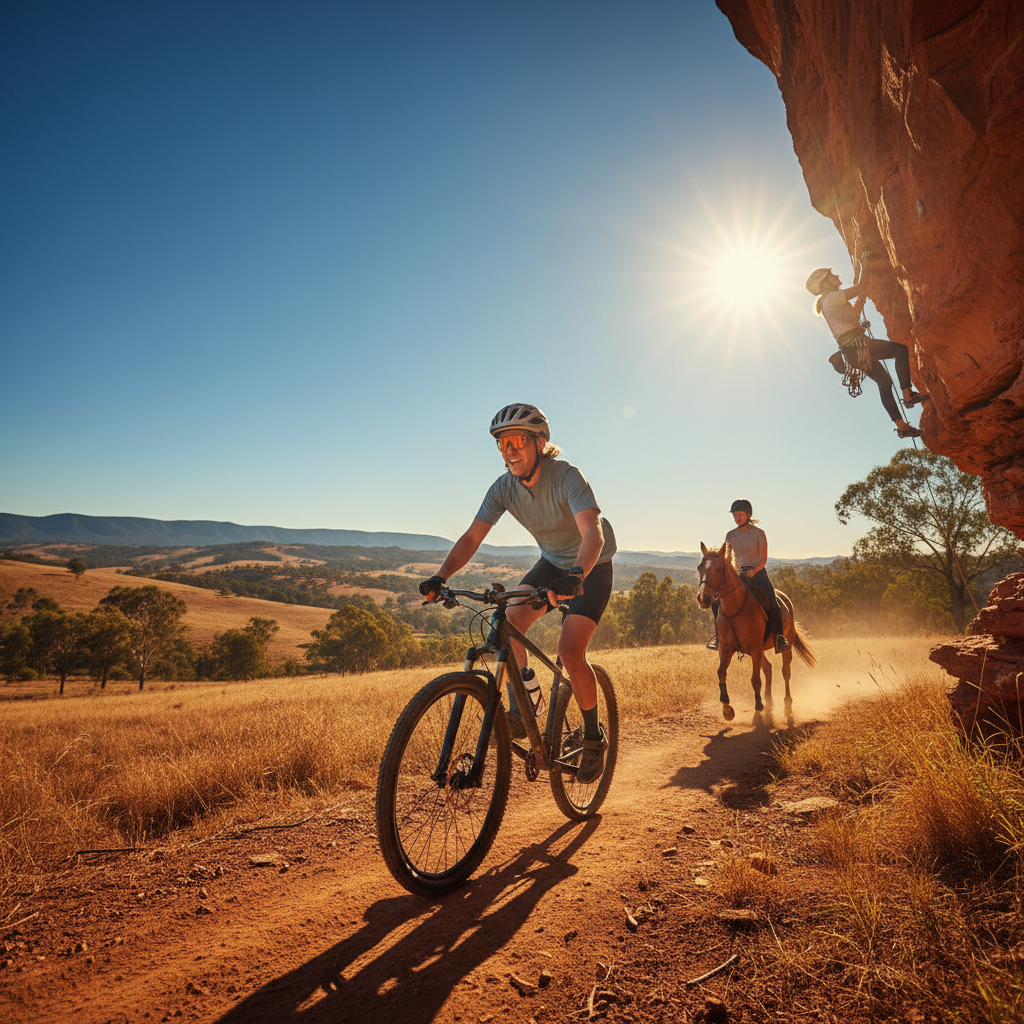
Rider & Instructor Sun Safety: Don't Let the Australian Sun Deraill Your Ride
The Australian sun. It’s why we love living here, and it’s why we spend so much time outdoors. But for equestrian riders and instructors, that same sun can be a silent, insidious danger. You're exposed for long hours, often with limited shade, and frequently focused on your horse, not your own well-being. This isn't about a quick trot around the arena; this is about sustained UV exposure that can lead to serious health issues, impacting both your enjoyment and your ability to teach or compete.
Let’s be blunt: ignoring sun safety in Australia is irresponsible. As a rider or instructor, you are at a heightened risk due to the unique demands of your sport. We're talking about cumulative UV damage, not just a single sunburn. This can manifest as premature aging of the skin, but more critically, an increased risk of skin cancers, including melanoma.
The Unseen Threat: UV Exposure in Equestrian Life
Australia has some of the highest UV radiation levels in the world. Even on cooler days, a high UV index can mean significant skin and eye damage if you're not protected. For riders, this exposure is amplified. You're often on horseback for extended periods, whether training, competing, or teaching lessons. The sun beats down, reflecting off the arena surface, your horse’s coat, and even the ground.
Instructors face an even greater challenge. You’re often stationary or moving minimally around the perimeter of the arena for hours at a time, directly facing the sun while explaining techniques. This prolonged, concentrated exposure is a recipe for trouble.
Key Risks for Riders and Instructors:
Melanoma and Skin Cancers: Australia has the highest rate of skin cancer in the world. Consistent, unprotected UV exposure is the primary cause. Areas typically exposed during riding – face, neck, ears, arms, and scalp (even under a helmet) – are particularly vulnerable.
Sunburn: Obvious, but damaging. Repeated sunburns significantly increase your risk of skin cancer.
Heat Exhaustion and Heat Stroke: Riding in the heat, combined with the physical exertion, can quickly lead to dehydration and dangerous overheating. This is more than just feeling uncomfortable; it’s a medical emergency.
Eye Damage: Prolonged UV exposure can lead to cataracts and other eye conditions. Sunglasses are crucial, but often overlooked when riding.
Premature Skin Aging: Wrinkles, sunspots, and leathery skin are not just cosmetic issues; they are signs of significant skin damage.
Overcoming the Objections: 'I Don't Have Time,' 'It's Too Hot,' 'My Helmet Protects Me'
Let’s tackle some common excuses head-on because these points of hesitation are costing you your skin health.
Objection 1: "I don't have time to worry about sun safety."
Reality: You don't have time for skin cancer treatment, prolonged recovery from heatstroke, or the pain of severe sunburn. A few minutes spent on sun protection now saves hours, days, and potentially your life later. Think of it as part of your essential riding gear, like your helmet. Consistent application of sunscreen, wearing protective clothing, and choosing the right sun protection for your helmet are non-negotiable.
Objection 2: "It's too hot to wear extra protection."
Reality: This is a dangerous myth. Dehydration and heatstroke are exacerbated by lack of protection. Lightweight, breathable, UPF-rated clothing is designed to wick moisture and keep you relatively cool while providing essential UV protection. Overheating is a direct result of your body struggling to regulate temperature, not necessarily the clothing itself. Staying hydrated is paramount.
Objection 3: "My helmet protects me."
Reality: Your helmet protects your head, not your face, neck, or ears. The brim on a standard riding helmet is often too small to provide adequate shade for your face and neck. Moreover, UV rays can still reach your skin through ventilation holes, or around the sides and back of the helmet. This is where supplementary protection becomes vital.
Practical Sun Safety Strategies for Riders and Instructors
Effective sun safety isn't a single action; it’s a layered approach. Adapting these strategies to your riding routine is key. Remember, Australian conditions mean the UV index is often high for long periods, especially during daylight saving months.
1. Sunscreen is Your First Line of Defence
Choose Wisely: Opt for a broad-spectrum sunscreen with an SPF of 30 or higher. Water-resistant formulas are essential, especially if you sweat a lot.
Apply Generously: Don’t skimp. Most people don’t apply enough. Cover all exposed skin, including your ears, neck, backs of hands, and the often-forgotten tops of your feet.
Reapply Regularly: Sunscreen wears off, especially with sweat. Aim to reapply every two hours, or more frequently if you’re sweating heavily or have been in water (though unlikely while riding).
2. Protective Clothing: Beyond Your Riding Gear
UPF Rated Fabrics: Look for clothing with a UPF (Ultraviolet Protection Factor) rating. This indicates how much UV radiation the fabric blocks. A UPF of 50+ is excellent.
Long Sleeves & Pants: Lightweight, breathable long-sleeved shirts and riding pants offer significant protection. Think about moisture-wicking materials that keep you cool.
Hats: While your riding helmet is mandatory, consider a wide-brimmed hat for before and after riding, or for stable work when not mounted. Ensure it covers your face, neck, and ears.
3. Eye Protection is Non-Negotiable
UV-Blocking Sunglasses: Wear sunglasses that block 100% of UVA and UVB rays whenever you're outdoors, not just when riding. They should have wraparound frames to prevent rays from sneaking in from the sides.
Visors: Some horses can be sensitive to glasses. A wide-brimmed helmet or a cap can also offer some ocular protection, but dedicated sunglasses are best for direct UV blocking.
4. Hydration, Hydration, Hydration!
Drink Water Consistently: Don't wait until you're thirsty. Carry a water bottle and sip frequently throughout the day. Electrolyte drinks can be beneficial for longer periods in extreme heat.
Recognise Dehydration Symptoms: Dizziness, headaches, dry mouth, and reduced urination are signs you need to rehydrate immediately and potentially seek shade.
5. Helmet Modification: Enhance Your Coverage
As mentioned, standard helmet brims offer limited protection. This is where smart accessories come into play.
The Da Brim Advantage: A dedicated helmet brim, like the Da Brim, is specifically designed to extend the shade provided by your existing helmet. They are engineered to fit securely over most standard equestrian helmets, offering substantial Areal coverage for your face, ears, and neck. This is not about aesthetics; it’s about significantly increasing your sun protection factor without compromising helmet safety.
Table: Sun Protection Essentials for Riders & Instructors
| Item | Importance | Australian Context |
|---|---|---|
| Broad-Spectrum SPF 30+ Sunscreen | Protects skin from UV damage, reduces cancer risk. | Essential daily, reapply every 2 hours, especially on warmer, brighter days. |
| UPF-Rated Clothing | Shields skin from direct UV rays, prevents sunburn. | Lightweight, breathable fabrics are key for comfort in heat. |
| UV-Blocking Sunglasses | Protects eyes from cataracts, UV keratitis. | Crucial for all times outdoors, especially during long lesson days. |
| Helmet Brim Extender | Provides extended shade for face, neck, and ears. | Dramatically increases protection from reflected and direct UV. |
| Water Bottle | Prevents dehydration, heat exhaustion, heat stroke. | Constant access is vital, especially during peak UV hours (10 am - 4 pm). |
Implementing Sun Safety: A Step-by-Step Guide
Integrating these practices into your daily routine will become second nature with practice.
Morning Prep (Before Heading to the Stables):
1. Apply Sunscreen: Apply a generous layer of broad-spectrum SPF 30+ sunscreen to all exposed skin. This includes your face, neck, ears, hands, and arms. Allow it to dry for a few minutes before putting on riding clothes.
2. Dress Appropriately: Don your UPF-rated long-sleeved shirt and riding pants.
3. Put on Sunglasses: Ensure your UV-blocking sunglasses are on.
4. Consider Your Helmet Setup: If you’re using a helmet brim, ensure it’s securely attached. (How to Install).
During Your Ride/Lesson:
1. Wear Your Helmet: Always wear your certified riding helmet. If using a helmet brim, ensure it’s correctly positioned for maximum coverage.
2. Stay Hydrated: Sip from your water bottle regularly.
3. Be Mindful of Reapplication: Schedule reapplication of sunscreen for breaks between rides or lessons. A quick cleanse of the face and reapplication is better than no protection.
Post-Ride/Lesson:
1. Cleanse and Reapply: Wash off sweat and reapply sunscreen to any areas that might have been missed or where sunscreen has worn off.
2. Seek Shade: Take advantage of any available shade for breaks.
3. Continue Hydrating: Keep drinking water.
Ongoing Vigilance:
Check the UV Index: Make it a habit to check the daily UV index, especially during summer months and in brightly lit conditions.
Regular Skin Checks: Get to know your skin and perform regular self-examinations for any new moles, changes in existing ones, or unusual skin spots. See a dermatologist annually for a professional check-up.
Common Questions Answered (from our FAQ)
Q: Will a helmet brim interfere with my helmet's safety certification?
A: Legitimate helmet brim extenders like the Da Brim are designed to attach securely and do not compromise the structural integrity or safety certification of your helmet when installed correctly. They are accessories, not replacements for the helmet itself. Always check manufacturer guidelines for both your helmet and the brim.
Q: How often do I really need to reapply sunscreen?
A: Every two hours is the standard recommendation. However, if you’re sweating heavily or have sensitive skin, reapplying every hour is wise. For instructors standing in the sun, this should be a non-negotiable break between students.
Q: I have dark skin. Do I still need sun protection?
* A: Yes, absolutely. While darker skin has more melanin and offers some natural protection, it is not immune to UV damage. Skin cancers, including melanoma, can and do occur in individuals with darker skin tones, often in less sun-exposed areas, making them harder to detect early. All skin types benefit from rigorous sun protection.
Further Reading and Resources
For more in-depth information on skin cancer prevention and treatment in Australia, consult reliable sources. For practical advice on gear and your riding practice, explore our Products page for solutions and read more tips on our Blog.
Sun safety in equestrian pursuits is not a luxury; it's a necessity. The long hours spent in the saddle under the Australian sun demand a proactive and consistent approach to protect your health. By adopting these practical strategies and understanding the risks, you can continue to enjoy your passion for horses safely and effectively, for years to come.