
Ride Smarter, Not Harder: Beating the UV Trap on Australian Roads
Cyclists in Australia face intense UV. Learn how to protect your skin and eyes from sun damage, even on your longest rides. Practical tips for staying safe.
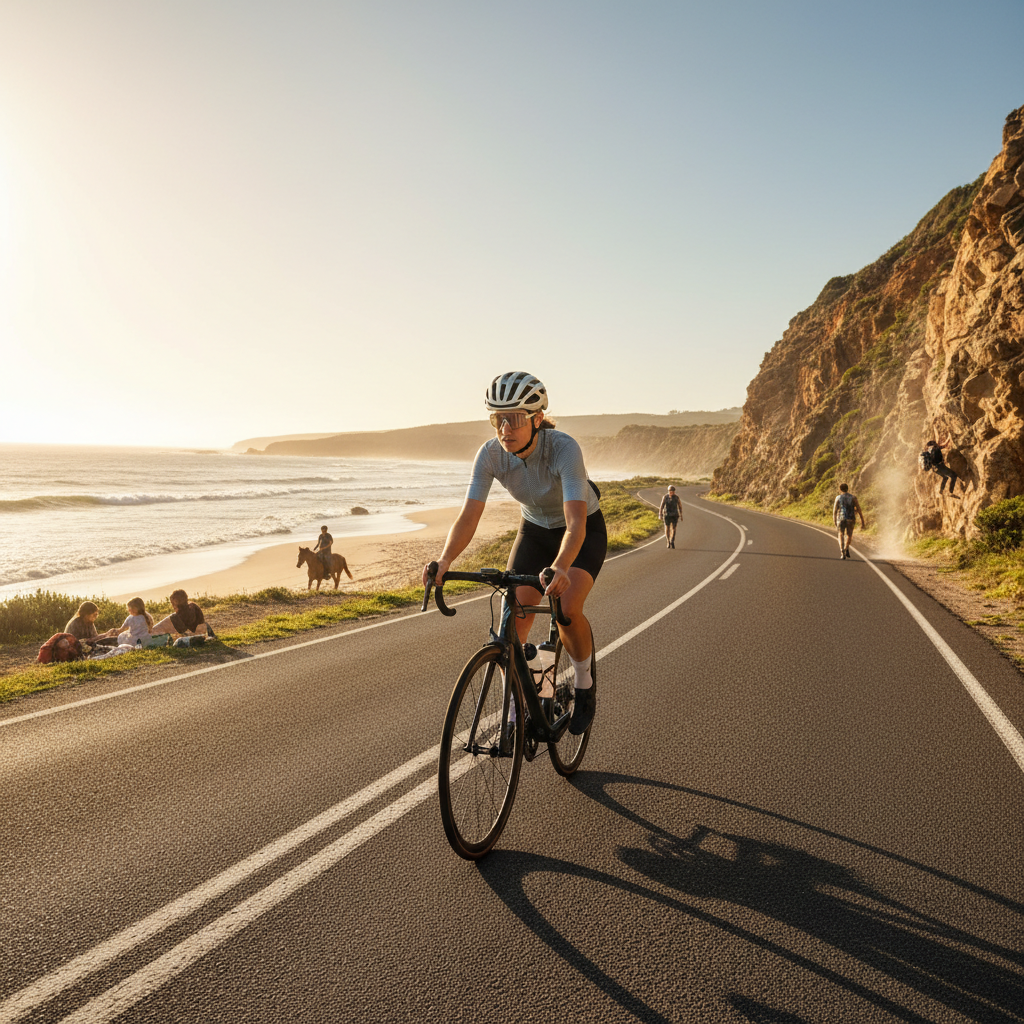
Ride Smarter, Not Harder: Beating the UV Trap on Australian Roads
Australia. We love our sunshine. And we love getting out there on our bikes. But for cyclists, this potent combination can be a real health hazard.
The sun here isn't your friendly, neighbourhood lightbulb. It's a powerful force, and the UV radiation it beams down is no joke. If you're spending hours in the saddle, especially during the peak daylight hours, you're constantly exposed. And that constant exposure racks up a significant risk of sun damage, from premature ageing to more serious issues like skin cancer.
Let's cut to the chase: Are you doing enough to protect yourself? This isn't about scaring you off your bike; it's about empowering you to ride smarter and healthier.
The Silent Threat: UV Exposure on Your Bike
Think about where the sun hits you on a typical ride. Your face, neck, ears, and the backs of your hands are prime targets. Even with sunscreen, reapplication can be tricky, and sweat can wash it away. Helmets, while essential for safety, often leave significant portions of your face and head exposed to direct sunlight. And let's not forget your eyes – crucial for safe cycling, but highly vulnerable to UV damage.
The Australian UV Index: It's Serious Business
We’re not exaggerating when we say Australian conditions are tough on the skin. Our UV levels are among the highest in the world. The Bureau of Meteorology’s UV Index tells the story: from spring to autumn, the UV Index is often 6 or higher during the middle of the day. A reading of 3 or above means sun protection is needed. Anything above 6 is considered 'very high' and requires extra caution.
| UV Index Level | Protection Needed |
|---|---|
| 1-2 (Low) | Use sun protection if reflective surfaces like water, sand or snow are present. |
| 3-5 (Moderate) | Seek shade and wear sun protective clothing, hat and sunglasses. |
| 6-7 (High) | Seek shade and wear sun protective clothing, hat and sunglasses. Try to reduce sun exposure on the middle of the day. |
| 8-10 (Very High) | Seek shade and wear sun protective clothing, hat and sunglasses. Avoid sun exposure on the middle of the day. |
| 11+ (Extreme) | Avoid sun exposure on the middle of the day. |
Knowing this, it’s clear that a quick smear of sunscreen before a short ride isn't going to cut it for longer cycling sessions or rides during peak UV times. The Australian sun doesn't discriminate; it's strong throughout the year, but particularly potent during the summer months and the shoulder seasons.
Beyond Red Skin: The Real Risks for Cyclists
Skin Cancer: This is the big one. Australia has one of the highest rates of skin cancer in the world. Cyclists, especially those who ride frequently and for extended periods, significantly increase their cumulative UV exposure. It's not just about getting sunburned; it's about the silent damage that can lead to melanoma and other skin cancers over time. Early detection is key, but prevention is far better.
Premature Ageing: Sun exposure breaks down collagen and elastin in your skin, leading to wrinkles, leathery skin, and age spots. You might be a fit cyclist, but your skin doesn't need to look the part.
Eye Damage: Prolonged UV exposure can contribute to cataracts and macular degeneration. Plus, squinting in bright sunlight can cause headaches and eye strain, which is a significant safety concern when you need clear vision on the road.
Heatstroke and Sunburn: Beyond UV damage, the Australian heat amplified by exertion can lead to heat exhaustion and heatstroke. While not strictly UV-related, the conditions that accompany strong UV radiation (hot, sunny days) are the same ones that increase these risks.
The Common Objections and How to Smash Them
We hear it all the time. "Sunscreen is enough." "It’s too hot to wear extra gear." "My helmet shades me." Let's address these head-on.
Objection 1: "I wear sunscreen, so I'm covered."
Reality Check: Sunscreen is a vital part of your sun protection strategy, but it's not a foolproof shield, especially for cyclists.
Application: It's easy to miss spots – ears, nape of the neck, even the scalp if your hair is thin.
Reapplication: How often do you realistically stop to reapply during a long ride, especially when you're focused on your pace and hydration? Most people don't reapply nearly enough.
Sweat: All that hard work under the sun means sweat. Sweat degrades sunscreen's effectiveness and can drip into your eyes, causing irritation and blurry vision.
Limited Coverage: Sunscreen typically protects your skin, but what about your eyes and the sides of your face not covered by glasses?
Objection 2: "It's too hot and uncomfortable to wear more sun protection."
Reality Check: Staying cool is crucial for performance and safety, but 'cool' doesn't have to mean 'unprotected'. Modern cycling gear is designed for ventilation and moisture-wicking. And sometimes, a little extra protection provides more comfort by preventing painful sunburn.
Strategic Protection: You don't need to cover yourself head-to-toe in thick layers. Targeted protection is key.
Breathable Fabrics: Look for lightweight, breathable materials for any additional clothing.
The Burn is Worse: A painful sunburn will make you far more uncomfortable than a well-designed piece of extra gear.
Objection 3: "My helmet provides enough shade."
Reality Check: A standard cycling helmet leaves a significant portion of your face exposed, particularly your eyes, nose, and upper cheeks. These are areas that get direct sun for prolonged periods. While some helmets have brims, they are usually small and offer minimal protection.
Limited Sightline: The brim of a helmet can sometimes obstruct your vision, especially when looking up at junctions.
Uncovered Areas: Think about just how much of your face is actually shaded. You'll find it's surprisingly little.
Your Practical Sun-Smart Cycling Checklist
Ready to take your sun safety seriously? Here’s what you need to implement:
Know Your UV: Check the daily UV forecast and plan your rides accordingly. Avoid riding between 10 am and 4 pm when UV levels are at their peak. If you must ride, be extra vigilant.
Wear the Right Gear:
High UV Protection Sunglasses: Choose wraparound styles that offer maximum coverage and block 99-100% of UV rays. Amber or brown tints are good for general use, while grey is neutral.
Sunscreen: Use a broad-spectrum, water-resistant SPF 30 or higher. Apply it generously 20 minutes before you go out and reapply every two hours, or more often if sweating heavily.
Sun-Protective Clothing: Consider lightweight, long-sleeved jerseys made from UPF (Ultraviolet Protection Factor) rated fabric. These are designed to be breathable and keep you cool.
Tightly Woven Hats: A brimmed hat that fits under your helmet (or is integrated) can provide crucial shade for your face and neck.
Consider a Helmet Brim: This is where innovation can make a real difference. A helmet brim designed specifically for cycling can dramatically increase the shade over your face without compromising ventilation or visibility.
Hydrate: While not directly UV protection, staying hydrated is crucial for managing body temperature on hot, sunny days, which often coincide with high UV.
Seek Shade Whenever Possible: Use any opportunity to rest in the shade, even brief moments, to let your skin and eyes recover.
Integrating Advanced Protection: The Helmets Brim Solution
This is where a simple, yet effective, addition can take your sun protection to the next level. We're talking about a helmet brim designed specifically for cyclists. Unlike standard helmet designs that offer minimal facial shade, a purpose-built brim extends protection significantly.
How a Helmet Brim Works for You:
Maximized Shade: It casts a shadow over your entire face – eyes, nose, cheeks, chin. This drastically reduces direct UV exposure.
Eye Protection Enhancement: When worn with sunglasses, it creates a double shield, reducing glare and preventing UV rays from entering from above or the sides.
Cooler Comfort: By blocking direct sun from hitting your face, it can actually make you feel cooler and more comfortable.
Reduces Sunscreen Reliance: While sunscreen is still recommended for exposed areas like ears and neck, a good brim means your face is largely taken care of, reducing the need for constant reapplication.
Step-by-Step: Adding a Helmet Brim to Your Ride
It doesn't need to be complicated. If you're looking for a practical, easy-to-implement solution, a clip-on or attachable helmet brim is a game-changer. For example, our Products page showcases options designed to integrate seamlessly with most helmets.
1. Choose Your Brim: Browse our selection of Products to find a brim that suits your helmet type and personal preference. Consider whether you need maximum coverage or a more minimalist design.
2. Installation: Most of our brims are designed for a tool-free, quick attachment. Follow the simple instructions provided with your chosen product – it usually involves clipping or securing the brim to the front vents or edge of your helmet. For detailed guidance, you can check our How to Install page.
3. Test Fit and Comfort: Once attached, try on your helmet. Ensure the brim doesn't obstruct your vision in any riding position (look up, down, side to side). Make sure it feels secure and doesn't add uncomfortable pressure.
4. Hit the Road: Experience the difference! Notice how much more shaded your face feels. Pay attention to reduced glare and a generally more comfortable ride on sunny days.
Your Health, Your Choice
As Australians, we understand the allure of the outdoors, and cycling is a fantastic way to enjoy it. But we also understand the realities of our environment. Ignoring the risks of UV exposure is a gamble you don't want to take.
Equipping yourself with the right knowledge and tools is paramount. From choosing the appropriate gear to understanding how to protect yourself most effectively, every step counts.
Don't let the Australian sun dictate your health outcomes. Take proactive measures. Explore our range of Products and make sun-smart cycling a core part of your routine. For more in-depth information and answers to your questions, visit our FAQ or check out our other Blog posts. Ride safe, ride smart, and most importantly, ride healthy.