
Reflected Sun Damage: Why Rock Climbers Need More Than Just a Helmet
Think your helmet is enough for sun protection while climbing in Australia? Think again. UV reflection from rock surfaces bakes you from multiple angles, increasing your risk of sun damage. Learn how to defend yourself.
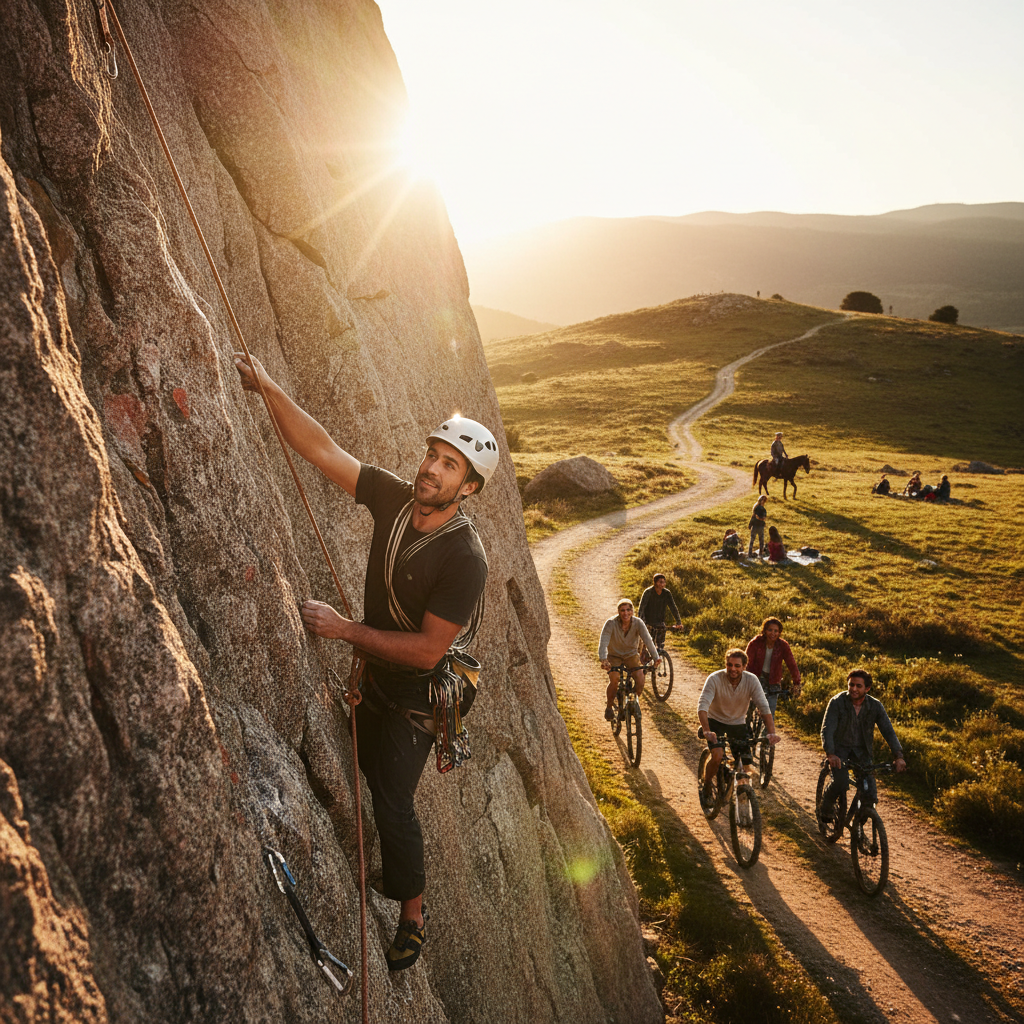
The Double Whammy: UV Reflection and Your Skin
Australian sun. You know it. You love it (mostly). And you probably respect it. But if you're a rock climber, you might be getting a raw deal from it without even realising it. Your trusty helmet is great for impact protection, but when it comes to UV rays, it's only half the story. We're talking about UV reflection – the silent assassin of your skin.
It's Not Just the Sun Above
We all know the sun beams down from above. That's the direct UV radiation. Your helmet, and ideally some sunscreen, will help with that. But on a rock face, the game changes. Rock, especially lighter coloured granite, sandstone, and even some types of limestone, acts like a giant mirror for UV rays. It bounces those rays right back up at you.
This means you’re not just getting sun from overhead; you're getting a significant dose from the surface you’re clinging to. For rock climbers, this is a critical blind spot in sun protection.
Australian UV: No Joke
Australia consistently ranks among the highest UV levels globally. Even on cloudy days, up to 80% of UV radiation can penetrate the clouds. When the sun is out, particularly during peak hours (10 am to 3 pm), the UV Index can soar. We’re talking levels that can cause severe sunburn in less than 15 minutes if you're not protected.
Now, combine that intense direct UV with the reflected UV from the rock. Suddenly, your exposure is doubled, sometimes even more. This prolonged and amplified exposure increases your risk of:
Sunburn: Obvious, but often underestimated. Sunburns are your skin’s immediate protest against UV damage.
Premature Aging: Wrinkles, leathery skin, sunspots. UV radiation breaks down collagen and elastin, making your skin look older faster.
Skin Cancer: This is the big one. Repeated UV exposure, especially intense bursts from direct and reflected sources, is the primary cause of melanoma and non-melanoma skin cancers. Climbers, spending hours exposed outdoors, are particularly at risk.
The Helmet Conundrum
Your helmet is designed for physical impacts. It covers your head, but it leaves large areas of your face, neck, and ears exposed not just to direct sun, but crucially, to that reflected UV bombarding you from below and the sides. The brim of your helmet offers some shade, but it's a limited area and often not enough to combat reflected rays.
Think about it. You’re looking up, down, and sideways. Your helmet moves with you, but the angle of reflected UV changes constantly. Your face, ears, and the back of your neck are prime targets.
Handling the Objections: Why You Need More
We get it. You’re thinking:
“I wear sunscreen.” Great start, but how often are you reapplying? Once a day before you head out? That’s not enough for a full day on the rock, especially when you're sweating and the sunscreen might rub off. And are you getting those hard-to-reach spots your helmet doesn’t cover, like the back of your neck and ears?
“I only climb in the shade.” Even shaded rock faces can still reflect UV. Plus, shade moves, and you can't always control your climbing location. When the sun hits those large rock expanses, the reflection is significant.
“It’s not that hot.” UV radiation is invisible. You can feel hot or not, but the UV rays are still there, doing their damage. Australian conditions mean high UV, regardless of pleasant temperatures.
“My helmet brim protects me.” It offers some protection for your face, but the sides of your face, your ears, and your entire neck are still vulnerable to those reflected rays. The effect is cumulative.
“I don't want extra gear.” We understand wanting to keep it light. But when it comes to preventing skin cancer, a small amount of extra, practical gear is a no-brainer. This isn't about adding bulk; it's about smart protection.
The Real Deal: What You Need to Do
Sun protection for climbers isn't just about applying sunscreen once and donning a helmet. It's a multi-layered approach.
1. Sunscreen: The Non-Negotiable Foundation
High SPF: Use a broad-spectrum sunscreen with SPF 50+.
Water-Resistant: Essential if you're sweating heavily.
Apply Liberally: Don't skimp. Cover all exposed skin.
Reapply Ruthlessly: Every two hours, and after sweating or swimming. Keep a travel-sized tube handy. Reapplying is much more effective than relying on a single application.
Don't Forget the Ears and Neck: These are prime spots for reflected UV and often missed.
2. Protective Clothing: More Than Just a Shirt
Long Sleeves: Lightweight, breathable, UPF-rated long-sleeved shirts are your best friend. They offer a barrier against both direct and reflected UV.
Pants or Tights: Similarly, long pants or climbing tights protect your legs, which are often exposed and can receive reflected UV from below.
Wide-Brimmed Hat (sometimes): While not ideal for under a helmet, for approaches or belay stations, a wide-brimmed hat is excellent. Just remember to remove it before putting your climbing helmet on.
3. The Critical Addition: Advanced Helmet Sun Protection
This is where we go beyond the standard helmet and sunscreen approach. The issue is reflected UV hitting areas the helmet doesn't cover effectively. We need to extend that protective bubble.
Think about the gaps: your face, ears, and neck are constantly being bombarded by rays bouncing off the rock.
Here's where a product designed specifically for this problem comes in. Something that adds coverage to your helmet, specifically targeting those vulnerable areas.
Chin and Neck Guards: This is a game-changer. A dedicated guard that attaches to your helmet, extending down to cover your chin, jawline, and the sensitive skin on the back of your neck. These are often made of lightweight, breathable UPF-rated fabric.
Wraparound Face Shields (for specific situations): For very exposed routes or long days with intense reflection, consider a flexible shield that attaches to your helmet and wraps around the sides of your face for maximum coverage. This is about practicality, not looking like a beekeeper.
These aren't meant to replace your helmet's impact protection; they are designed to enhance its sun protection capabilities in the unique environment of rock climbing.
Practical Sun Protection Checklist for Climbers
Before you head to the crag, run through this:
[ ] Helmet: Ensure it’s properly fitted and in good condition.
[ ] Sunscreen (SPF 50+): Apply before leaving, and pack for reapplication.
[ ] Long-Sleeved UPF Clothing: Breathable is key.
[ ] Long Pants/Tights: Protect your legs.
[ ] Dedicated Helmet Sun Protection: This could be:
A neck/chin guard compatible with your helmet.
(Optional, for extreme conditions) A wraparound face shield.
[ ] Sunglasses: For approaches and descents, protect your eyes.
[ ] Hydration: While not direct sun protection, staying hydrated helps your body cope with heat stress.
Integrating Sun Protection: A Step-by-Step Approach
Let's make this practical for your next climb.
Step 1: Pre-Climb Prep (At Home)
Apply a generous amount of broad-spectrum SPF 50+ sunscreen to all exposed skin, including your face, ears, neck, and any other areas not covered by clothing.
Put on your UPF long-sleeved shirt and long pants/tights.
If using a permanent helmet sun shield or guard, ensure it's attached securely.
Step 2: At the Crag - Before Gearing Up
Reapply sunscreen to your face, neck, and ears. This is crucial as you may have sweated a bit on the walk-in.
If you use a separate attachable helmet sun guard (like a neck gaiter or brim extension), put that on now so it’s ready to go.
Step 3: Gearing Up for the Climb
Put on your helmet. If you have an attachable neck/chin guard, ensure it's positioned correctly and provides coverage.
Now, adjust any parts of your clothing – sleeves, neck gaiters – to ensure no skin is peeking out where it shouldn’t be.
Step 4: During the Climb
Reapply Sunscreen: Schedule this. Every two hours is a good benchmark. Have a climbing partner remind you. If you’re belaying, take the opportunity.
Check Coverage: Periodically, glance at your exposed skin. Are your ears still covered? Is the back of your neck exposed from your shirt riding up?
Adjust as Needed: If your sun protection shifts, readjust it. Don't let it flop around uselessly.
Step 5: Post-Climb (and Breaks)
When you take breaks or finish climbing, reapply sunscreen again.
- Consider rinsing off sweat if possible, as salt can be irritating.
The Right Gear for Australian Climbers
Don't let the Australian sun win. You're out there to push your limits, not to push your skin to its breaking point. Your helmet is a vital piece of safety equipment. Enhancing its sun protection is a smart, practical, and necessary step for any climber spending time on rock faces under our intense sun.
We offer practical solutions that integrate with your existing helmet setup, providing that crucial extra layer of defence against reflected UV. Explore our range of Products designed for climbers who demand more from their gear. Installation is straightforward; check out our How to Install guide. Got questions? Our FAQ has answers. For more practical climbing advice, head over to our Blog.
This isn't about reinventing the wheel; it's about adapting your safety strategy to the specific, often underestimated, challenges of climbing under the Australian sun. Protect yourself from every angle. Your future self will thank you.