
Pro Cyclists vs. The Sun: How They Beat The Heat and UV
You see them on TV, battling scorching sun and brutal UV. Pro cyclists have it tough, but they've perfected strategies to stay cool and protected. Here's how you can adapt their tactics for your rides in Australia.
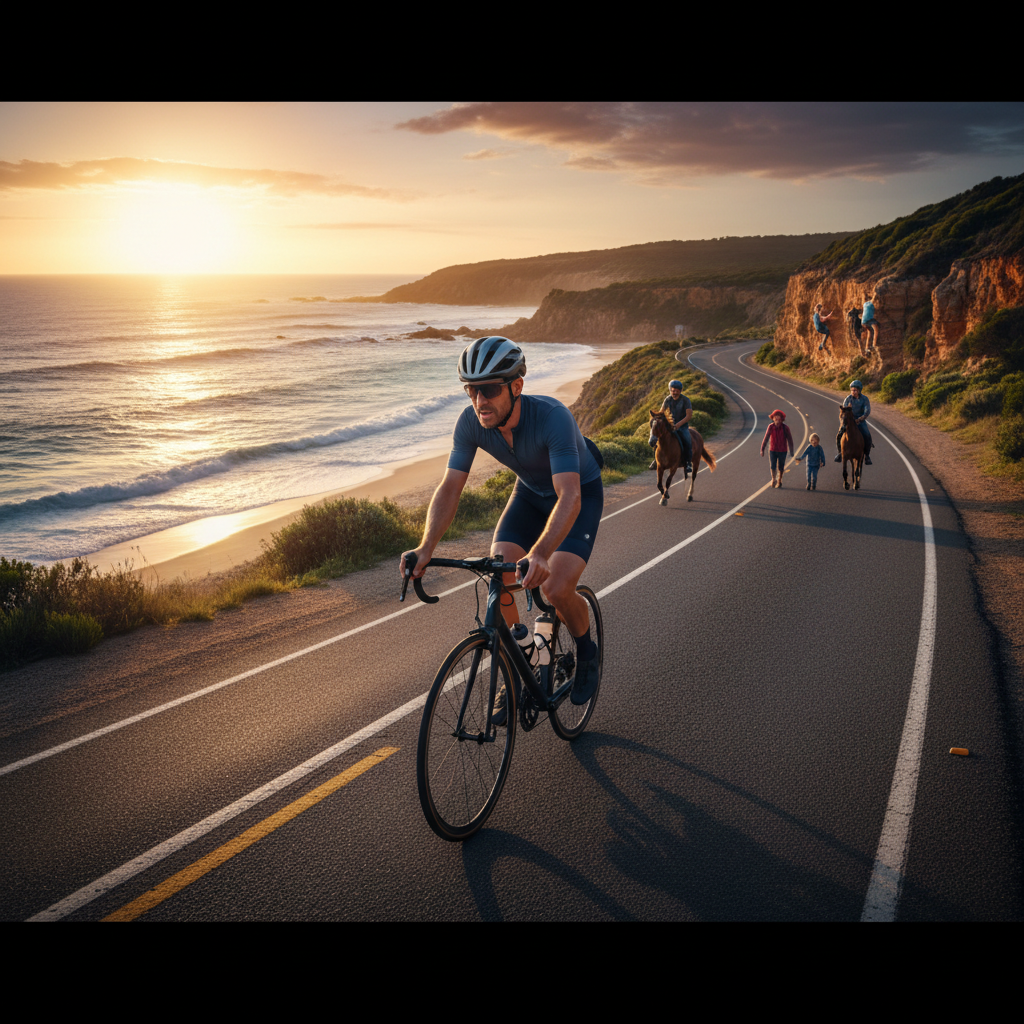
Pro Cyclists vs. The Sun: How They Beat The Heat and UV
Training and racing in Australia means facing some serious sun. We're talking intense UV index days, long summer afternoons that feel like an oven, and the constant threat of sunburn and heatstroke. You see the pros on TV, seemingly unfazed, but trust us, they're working hard to manage the elements. Their strategies aren't secret, and with a few smart adjustments, you can adopt them to make your rides safer and more comfortable.
This isn't about being a pro. It's about being a smart cyclist who respects Australian conditions. Whether you're commuting, hitting the trails, or going for a weekend warrior epic, sun and heat management is crucial for performance, enjoyment, and crucially, your health.
The Core Problem: Sun Exposure and Heat Build-Up
When you're out on the bike, especially when the UV index is high (which is often in Australia), you're exposed. Your head, neck, and face are prime targets. This leads to:
Sunburn: Painful, increases your long-term skin cancer risk, and can make future rides miserable.
Heatstroke/Heat Exhaustion: Your body struggles to regulate its temperature, leading to dizziness, nausea, and a dangerous drop in performance. On the bike, this can be life-threatening.
Eye Strain and Glare: The intense sun makes it hard to see, increasing your risk of accidents.
Long-Term Damage: Cumulative UV exposure contributes to premature aging and skin cancer.
Why Helmets Alone Aren't Enough
Modern cycling helmets are designed for safety and ventilation. Ventilation is key for cooling, but it also means direct pathways for sun to hit your scalp and face. Standard helmets offer little to no shade, leaving your face, neck, and ears exposed to harsh Australian rays. This is where professional cyclists' strategies come into play – they amplify their protection.
Pro-Level Tactics for the Everyday Aussie Cyclist
Pros have teams, nutritionists, and support staff. You likely don't. But the principles they follow are adaptable. Let's break down what they do and how you can implement it.
1. Strategic Sunscreen Application
Pros: They apply a high SPF, broad-spectrum sunscreen hours before a race, and reapply frequently. They’re meticulous about often-missed spots.
You: Don't just slap it on as you head out the door. Apply sunscreen to all exposed skin (face, neck, ears, back of hands) at least 15-20 minutes before you ride. Reapply every couple of hours, especially on longer rides or if you're sweating heavily. Choose a sweat-resistant formula. Look for SPF 30 or higher, and ‘broad-spectrum’ protection against UVA and UVB rays.
2. Hydration, Hydration, Hydration
Pros: They drink constantly, sipping electrolyte-rich fluids from bottles throughout the race. They're trained to drink even when they don't feel thirsty.
You: Carry more water than you think you'll need. For rides over an hour, especially in heat, consider an electrolyte drink to replace salts lost through sweat. Drink small amounts frequently. Don't wait until you're thirsty; by then, you're already dehydrated.
3. Timing is Everything
Pros: They often train in the early morning or late afternoon to avoid the peak sun hours (typically 10 am to 3 pm). This is non-negotiable for prolonged efforts.
You: If possible, plan your rides to avoid the harshest midday sun. Early morning rides are fantastic in Australia. If you must ride during peak hours, shorten your ride or take extended breaks in the shade.
4. Cooling Strategies
Pros: They use ice vests, ice towels, and pour water over themselves during breaks. They aim to lower core body temperature.
You: Soak a bandana or cap in cold water and wear it under your helmet in the initial stages of your ride (be mindful of ventilation). Pouring water over your head and neck during a break can provide significant relief. Look for opportunities to ride through cool patches of air near water or in shaded areas.
5. Eye Protection
Pros: They wear high-quality sunglasses with UV protection that wrap around to shield their eyes from direct sun and wind.
You: Invest in cycling-specific sunglasses. They should block UV rays, reduce glare, and fit snugly to prevent slipping. Clear or lightly tinted lenses are often best for low-light or variable conditions.
The Helmet Challenge: Direct Sun vs. Ventilation
This is where standard helmets fall short. While they ventilate, they offer zero shade. You're essentially creating a greenhouse effect for your head while exposing your scalp, forehead, and the back of your neck to direct UV radiation. This is the biggest gap in protection for most casual and even many serious cyclists.
How Professionals Mitigate This (Without Directly Copying)
While pros might have specialised team issues, their core need is to block sun without sacrificing airflow. They rely on.
Visors (limited): Some helmets have small, often fiddly visors that offer minimal forehead shade.
Team-issued caps: A traditional cycling cap under the helmet provides a small brim, but it's often insufficient on its own and can impede airflow.
Focus on skin protection: They heavily rely on sunscreen and strategic clothing.
However, for us regular riders, there’s a more practical, integrated solution.
The Game Changer: Integrated Helmet Shade
This is where technology meets practicality for the everyday rider. Instead of relying on multiple small, often insufficient measures, consider a solution that directly addresses the helmet's sun-blocking deficit. This is precisely why products like DA BRIM were developed. A DA BRIM attaches directly to your existing helmet, providing shade precisely where you need it – your face, forehead, and neck – without compromising the helmet's primary safety functions or its ventilation system.
Why a DA BRIM is a Smart Move for Australian Conditions
Superior Shade: It casts a significant shadow over your face and forehead, reducing direct UV exposure and glare. This is crucial for prolonged rides on clear Australian days.
Neck Protection: The larger brims also offer coverage for the back of your neck, a common and painful sunburn spot.
Reduced Glare: By shielding your eyes from direct sunlight, it improves visibility and reduces eye strain, making your ride safer and more comfortable.
No Compromise: Unlike adding a bulky cap or trying to tape something on, DA BRIM is designed for quick and secure attachment, leveraging your helmet's existing structure. It's engineered to stay put. You can learn more about How to Install it easily.
Cost-Effective: It’s a significantly cheaper way to add substantial sun protection compared to buying a whole new, purpose-built sun-shading helmet (which isn't a widely available category for cycling).
Sun and Heat Management Checklist for Cyclists
Use this as your pre-ride and during-ride guide.
Before You Ride:
[ ] Check the UV index for your riding area.
[ ] Apply high SPF, broad-spectrum sunscreen to all exposed skin.
[ ] Apply sunscreen at least 15-20 minutes before heading out.
[ ] Ensure you have adequate water and/or electrolyte drinks.
[ ] Wear UV-protective cycling sunglasses.
[ ] Crucially: Attach a DA BRIM or ensure your helmet offers adequate shade. (See Products for options).
[ ] Plan your route to incorporate shaded sections if possible.
During Your Ride:
[ ] Sip water/electrolytes frequently.
[ ] Reapply sunscreen every 2 hours or more if sweating heavily.
[ ] Take breaks in shady spots.
[ ] Pour water over your head/neck during breaks for cooling.
[ ] If feeling overheated or dizzy, stop riding. Seek shade and hydrate.
[ ] Monitor the sun's position and adjust your pace or breaks accordingly.
Adapting Pro Tactics: A Comparison
| Pro Tactic | Adaptation for Everyday Cyclist | Key Benefit |
|---|---|---|
| Extreme Hydration | Carry more water, use electrolyte drinks for longer rides. | Prevents dehydration and heat exhaustion. |
| Sunscreen Application |
| Prevents sunburn and long-term skin damage. |
| Strategic Ride Timing | Ride early morning/late afternoon to avoid peak sun (10 am-3 pm). | Minimises direct UV exposure. |
| Cooling Measures | Soak bandana, pour water on head/neck during breaks. | Lowers body temperature, improves comfort. |
| Eye Protection | Wear proper UV-blocking cycling sunglasses. | Reduces glare, improves visibility, protects eyes. |
| Integrated Shade (Implied) | Attach a DA BRIM to your helmet for direct facial and neck shade. | Significantly increases sun protection without airflow compromise. |
When Heat Strikes:
Australian conditions can be extreme. Don't be a hero. If you experience:
Headache
Dizziness or lightheadedness
Nausea
Excessive sweating or clammy skin
Muscle cramps
...it’s time to stop. Find shade immediately. Drink cool water. If symptoms are severe or don't improve quickly, seek medical attention. Heatstroke is a medical emergency.
Your Safety is Non-Negotiable
Pros have the luxury of dedicated support. You have your brain and your gear. Thinking about sun and heat management isn't an optional extra; it's part of responsible cycling, especially here in Australia. Integrating a robust shade solution like DA BRIM into your kit is one of the most effective ways to elevate your protection without altering your fundamental cycling setup. It’s a practical, no-nonsense solution for anyone who spends time in the saddle under the Australian sun.
Don't let the sun beat you. Be prepared, ride smart, and enjoy your rides knowing you're better protected. For more on safety and product choices, check out our FAQ or explore our range of Products. You can also find more tips on our Blog.