
Pro Cyclist Heat & Sun Strategies: Your Australian Guide
How do pro cyclists beat the Australian sun and heat? It's more than just hydration. Learn their strategies and adapt them for your rides. Sun protection shouldn't be an afterthought.
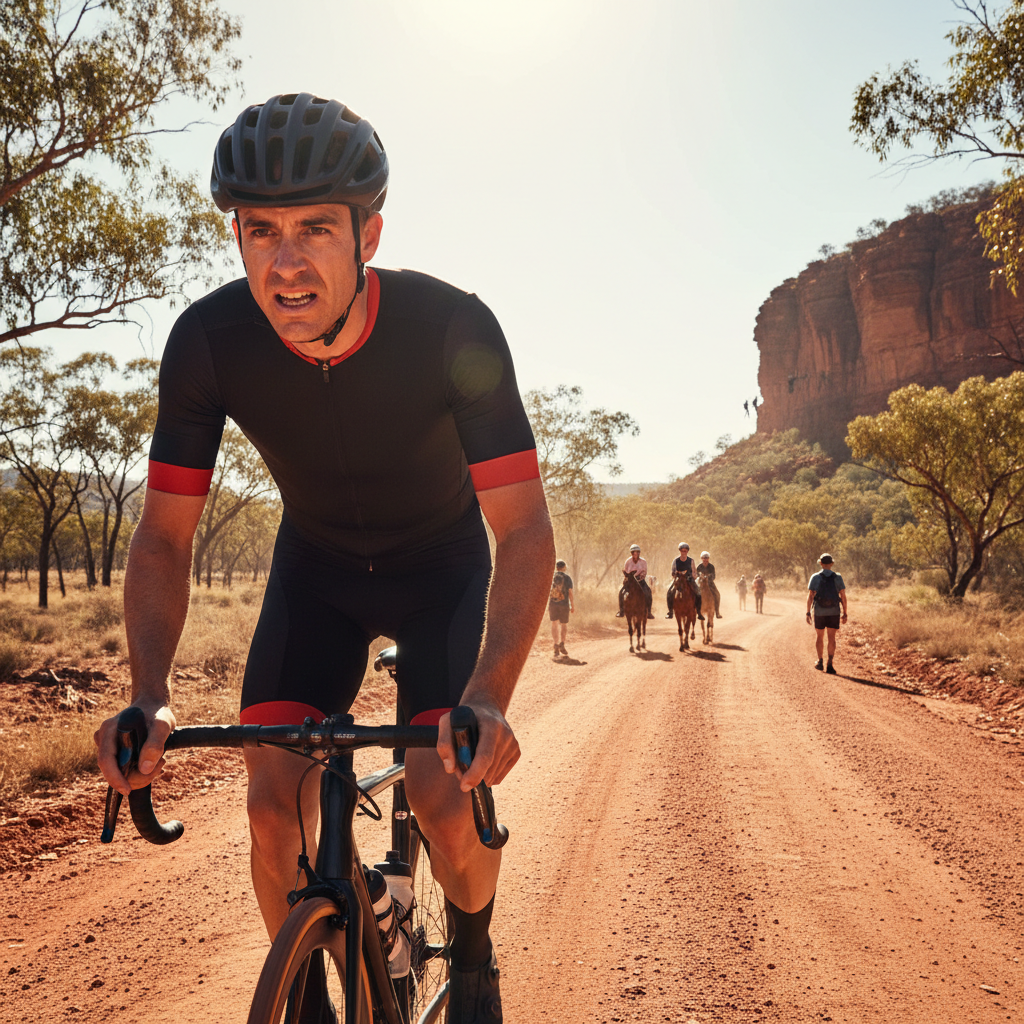
Pro Cyclist Heat & Sun Strategies: Your Australian Guide
Summer in Australia means long days, scorching heat, and a UV index that demands respect. For professional cyclists, managing these conditions isn't just about comfort; it's crucial for performance and health. While you might not be racing the Tour Down Under, you can adopt many of their strategies to make your rides safer and more enjoyable. This isn't about fancy gels and unproven gadgets; it's about practical, no-nonsense steps to combat the sun and heat.
The Harsh Reality of Australian Cycling Conditions
Let's be blunt. Australian conditions are tough. We're talking about a UV index that frequently hits 'very high' or 'extreme', temperatures that can soar well over 30°C, and sunshine that can feel relentless, especially on open roads. Long daylight hours mean more exposure. Ignoring this is a mistake that can lead to sunburn, heat stroke, dehydration, and long-term skin damage. Pro cyclists know this. They train hard, and they need to mitigate the risks associated with extreme exposure.
Why Bother with Pro Strategies?
You might think, "I'm just going for a weekend ride, not the Olympics." Fair enough. But the principles are the same. Sunburn can ruin your next ride, and heat exhaustion can be dangerous. Pro cyclists have teams, nutritionists, and doctors. You have yourself and practical gear. Learning from them means you can make smarter choices to protect yourself.
Core Strategies: What Pros Do (And You Can Too)
Pros focus on a few key areas:
1. Gear Selection: The right equipment makes a huge difference.
2. Hydration & Nutrition: Keeping the body cool and fuelled.
3. Timing & Pacing: Riding smarter, not just harder.
4. Skin & Body Protection: Direct defence against the elements.
1. Gear Selection: Your First Line of Defence
This is where you have the most immediate control. Pros use lightweight, breathable kit, but for sun and heat, specific gear is paramount.
Helmets: This is your non-negotiable safety item. But it needs to work with you against the sun. Standard vented road helmets offer some shade, but often not enough. That's where dedicated solutions come in. Many pros now opt for helmets with integrated brims or add-ons that significantly reduce direct sun hitting their face and neck. This isn't just about comfort; it's about preventing glare that can impair vision and reducing the burn on your scalp and forehead. If your helmet doesn't offer broad shade, consider adding a solution. We've developed our Products specifically for this purpose, designed to attach securely to most cycling helmets without compromising safety or airflow.
Clothing: Pro kit is often aerodynamic and fast-drying. For you, think about light colours and UPF-rated fabrics. Long sleeves might seem counterintuitive in the heat, but a well-ventilated, light-coloured long-sleeve jersey can actually keep you cooler by reflecting sunlight and protecting your skin from UV. While pros have dedicated team kit, you can find great performance wear with UPF protection. Always put your helmet on first, and then consider the rest.
2. Hydration & Nutrition: Fueling the Inner Cooler
This is a constant focus for pros, and it should be for you too.
Fluid Intake: Hydration starts long before the ride. Ditch sugary drinks pre-ride; water is your best friend for general hydration. During the ride, you need more than just water. Electrolyte drinks are crucial. Pros use carefully formulated mixes to replace salts lost through sweat. You don't need a complex formula; a good electrolyte tab or powder added to your water bottles will make a significant difference. Aim to sip regularly, not just when you're thirsty. Thirst is a sign you're already behind.
Cooling Strategies:
Water Bottles: Keep them filled with cold water or an electrolyte mix. If possible, freeze one bottle partially the night before so it melts slowly during your ride.
Dousing: Pouring cold water over your head, neck, and wrists during stops can rapidly cool your core. Pros do this constantly during hot races.
Ice Vests/Neck Buffs: While less common for recreational riders, pros sometimes use these. For you, a damp bandana or a lightweight, quick-drying buff around your neck can provide a surprising amount of cooling.
Nutrition: Heat saps energy. While professionals meticulously manage their carb intake, your focus should be on readily available energy. Small, frequent snacks like energy bars, gels (if you use them), or even fruit can keep your energy levels up. Dehydrated and energy-depleted riders are prone to heat stress.
3. Timing & Pacing: Riding Smarter
Pros don't just grit their teeth and power through the midday sun. They strategise.
Start Early, Finish Early: This is the golden rule for hot Australian days. Get out on the road as the sun is rising. You'll be miles from home by the time the heat really kicks in. Plan your routes to finish before the midday or early afternoon peak temperatures and UV levels.
Seek Shade: When you can't avoid the sun, find it. Pros use natural shade during feed zones or brief stops. On your rides, look for opportunities to rest in the shade. This might mean a short break under a large tree or a cafe stop in a shaded courtyard. Even a few minutes can help.
Pace Yourself: Don't try to maintain your usual pace when it's sweltering. Reduce your intensity. Listen to your body. Pushing too hard in the heat is a fast track to heat exhaustion. If you feel dizzy, nauseous, or have a headache, stop, seek shade, and rehydrate.
4. Skin & Body Protection: Direct Defence
This is critical. Sun damage is cumulative and irreversible.
Sunscreen: This is a must. Use a broad-spectrum SPF 50+ sunscreen. Apply it generously to all exposed skin at least 20 minutes before your ride. Don't forget your neck, ears, and the back of your hands. Reapply if you're out for a very long ride or sweating heavily. Many sports sunscreens are designed to be sweat-resistant.
Eye Protection: Sunglasses are essential. They protect your eyes from UV radiation and glare, which can reduce visibility and lead to headaches. Choose sports sunglasses that offer good coverage and a secure fit, especially with helmets.
Balm for Lips: Your lips burn too. Use a lip balm with SPF.
Consider a Helmet Brim: As mentioned, this is a game-changer. A brim casts shade over your face, eyes, and the top of your head, reducing glare and sunburn on your scalp. It also helps prevent sweat from dripping directly into your eyes, stinging them. Our Products are designed to be functional and unobtrusive. They are easy to install, as detailed in our How to Install guide, and integrate seamlessly with your existing helmet.
Practical Checklist for Your Next Ride
Before you head out on a hot, sunny Australian day, run through this:
[ ] Sunscreen Applied: Generously, 20 minutes before departure.
[ ] SPF Lip Balm: Packed or applied.
[ ] Helmet: Securely fitted, with sufficient shading (consider an add-on brim).
[ ] Sunglasses: Clean and ready.
[ ] Water Bottles: Filled with cold water/electrolytes.
[ ] Extra Fluid: Small bottle or electrolyte tablets for refills.
[ ] Snacks: Easy-to-eat energy boosts.
[ ] Light-Coloured, Breathable Kit: Consider long sleeves if UV is high.
[ ] Plan Your Route: Account for shade and potential stops.
[ ] Check UV Index & Temp: Adjust ride time and intensity accordingly.
Step-by-Step: Mitigating Heat During a Ride
Let's say you're caught out in unexpected heat. What do you do?
1. Acknowledge the Heat: Don't try to maintain your usual pace. Accept that it's going to be slower and tougher.
2. Increase Sips: Take frequent, small sips of your electrolyte drink.
3. Seek Found Shade: If you need to stop, find shade immediately. A few minutes resting out of direct sun can make a big difference.
4. Cool Down: Pour water over your head, neck, and wrists. If you have a damp buff, use it.
5. Eat a Snack: Replenish energy reserves.
6. Adjust Intensity: Ride at a lower gear and moderate effort. Focus on smooth pedaling.
7. Listen to Your Body: If you feel dizzy, nauseous, or unwell, stop riding. Call for a pickup or find a safe place to rest and seek medical attention if necessary. Headaches are a warning sign.
Common Objections & How to Handle Them
"A helmet brim looks silly."
Reality: Safety and health trump aesthetics. A sunburned scalp or a heatstroke incident is far less appealing. Modern helmet brims can look quite integrated and functional. Our Products are designed for form and function.
"I'll overheat with more sun protection."
Reality: This is a myth. Unprotected skin burns, which is a physiological stress. Shade from a brim, light-coloured clothing, and proper hydration help regulate your body temperature by reducing the external heat load your body has to deal with.
"I only ride for an hour; it's not that bad."
Reality: Even an hour in the peak Australian sun can be enough to cause significant UV damage, especially on exposed areas like the scalp, ears, and nose. Sunburn can occur surprisingly quickly. Proactive protection is always better.
"I just drink more water."
* Reality: Water is essential but insufficient on its own. You lose electrolytes (salts) through sweat, which are crucial for nerve and muscle function. Without them, you can experience cramping and fatigue even if you're hydrated. Electrolyte drinks are key.
Conclusion: Ride Smart, Ride Safe
Pro cyclists aren't superhuman. They use science, strategy, and the right gear to manage the heat and sun. You can do the same. Prioritise sun protection, stay hydrated, pace yourself, and choose your gear wisely. Don't let the Australian sun dictate your cycling experience negatively. Invest in your comfort and long-term health. Explore our range of helmet brims and other Products designed to help you ride safer and cooler. For more tips and FAQs, check out our FAQ section and other articles on our Blog.
Ride safe, and enjoy the ride – no matter the temperature.