
Pro Cyclist Heat & Sun Secrets: Beat the Burn on Australian Roads
Learn how professional cyclists conquer scorching Australian heat and high UV. This guide reveals practical strategies for helmet wearers to stay cool, protected, and performing at their best.
Pro Cyclist Heat & Sun Secrets: Beat the Burn on Australian Roads
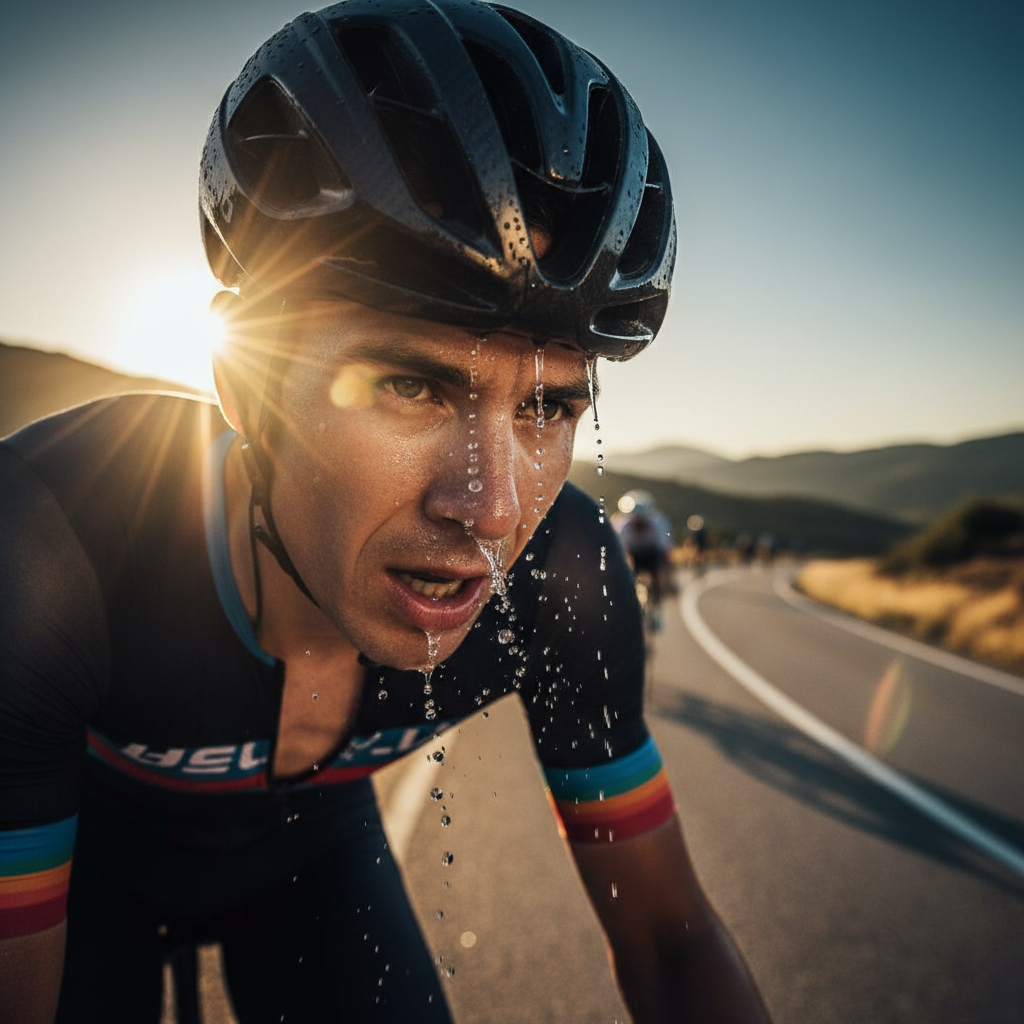
Australia. Beautiful, vast, and let's be honest, often ridiculously hot and sunburnt. For cyclists, this presents a unique challenge. We love the open road, the freedom, the challenge. But the relentless Australian sun and punishing heat can turn a dream ride into a brutal ordeal, even with a helmet. So, what do the pros do to manage it? They don't just wing it. They have a strategy, and it’s one you can adapt. This isn't about fancy gear you can't afford; it's about practical, no-nonsense tactics to keep you cool, protected, and performing when the mercury soars.
The Challenge: More Than Just Sweat
We all sweat. But when you're putting in serious miles under an Australian sun with a UV index that can reach extreme levels, it’s more than just discomfort. Dehydration is a serious risk, leading to fatigue, cramping, and heatstroke. Sunburn, even on your scalp and neck if your helmet coverage is lacking, can be painful and increase long-term skin cancer risk. Pro cyclists have a lot to lose – performance, health, career. They treat heat and sun management as crucial performance factors, not afterthoughts.
Objections Handled: "I wear a helmet, so I'm covered."
This is a common misconception. While a helmet protects your head from impacts, it offers limited protection from direct solar radiation on your scalp and neck, especially during long rides. The vents, crucial for cooling, also let in sunlight. Furthermore, your helmet doesn't stop your core body temperature from rising. Heat management is a multi-faceted issue.
Objections Handled: "I just drink more water."
Water is essential, but it's only one piece of the puzzle. Electrolytes are lost through sweat, and rehydrating with just water can lead to hyponatremia (low sodium levels). You need a balanced approach.
The Pro Playbook: Key Strategies
Pros live and breathe these strategies. They're ingrained habits that make a tangible difference.
1. Strategic Hydration: Beyond the Bottle
Pros don't just chug water. They 'pre-load' and maintain a balanced fluid intake.
Pre-load: Start hydrating hours before a ride, not just minutes before. Sip on electrolyte drinks to ensure your body is well-hydrated from the outset.
Consistent Intake: Sip regularly on the bike. Don’t wait until you’re thirsty. Thirst is a sign you're already behind.
Electrolytes are Non-Negotiable: Especially on hot days and long rides, plain water isn't enough. Sports drinks, electrolyte tablets, or powders added to your bottles replace crucial salts and minerals lost through sweat. This helps prevent cramping and maintain fluid balance.
Know Your Needs: Individual sweat rates vary. Pros often weigh themselves before and after rides to gauge fluid loss and adjust intake accordingly. While you might not do this, be aware of how much you typically drink on a ride and try to match or exceed it in hot conditions.
2. Targeted Sun Protection: More Than Sunscreen
While sunscreen is vital, it's not the only defence.
Lid Up! Sun Under the Helmet: This is where the right accessories come into play. Many pros wear a thin cycling cap or skull cap under their helmet. These offer several benefits:
Sun Shading: The brim of the cap shades your face from direct sun, reducing glare and protecting your forehead.
Sweat Management: They absorb sweat from your scalp, preventing it from dripping into your eyes and causing stinging.
Added Insulation (in cooler conditions): While not the primary use here, it can offer a minor buffer in fluctuating temperatures.
Consider adding a brim to your helmet. Devices like the
attach securely to most helmets, providing significant shade for your face and neck, drastically reducing sun exposure and glare. This is a game-changer for long, hot rides.
Sunscreen, Applied Properly: Use a broad-spectrum SPF 30+ sunscreen on all exposed skin – face, neck, ears, arms, legs. Apply 15-20 minutes before going outside. Reapply if you're on a very long ride, though this can be tricky with sweat. Consider waterproof formulas.
UVA/UVB Protective Clothing: While not always feasible for skin, wear long-sleeved jerseys made of lightweight, moisture-wicking, UPF-rated fabric. These can surprisingly help you stay cooler by wicking sweat away and protecting your skin.
3. Core Temperature Management: Staying Cool from the Inside
This is a critical, yet often overlooked, aspect.
Pre-Cooling: Before a particularly brutal ride, some athletes will sit in a cool environment or even use a cool towel on their neck and wrists for 10-15 minutes. Small things add up.
Use Your Vents: Modern helmets have excellent ventilation. Learn how they work and how to maximise airflow. Don't block them with excessive hair or ill-fitting caps if you can avoid it (though a thin cap is usually fine).
Soak and Ride: On scorching days, douse your helmet, cap, and yourself with water before you set off. As the water evaporates, it cools you down. Some pros even soak their jerseys.
Ride Smart: If possible, plan your rides for the coolest parts of the day – early morning or late afternoon. This is a luxury many can’t always afford, but even shifting your start time by an hour can make a difference.
4. Nutrition & Fueling for Heat
Your body burns more energy when it's working hard to cool itself. Proper fueling is paramount.
Easily Digestible Foods: Stick to carbohydrates that are easy to digest. Sugary energy gels and chews, fruit purees, or simple energy bars are often preferred over heavy, fatty, or protein-rich foods that can be harder to process in the heat.
Salt Tablets: For extreme conditions and very long rides, some pros use salt tablets to supplement electrolyte intake beyond drinks. Consult an expert before using these.
Practical Application for the Everyday Cyclist
You don't need a support crew to implement these strategies. Here's how to adapt the pro approach:
Your Heat & Sun Checklist:
[ ] Hydration Plan: Pre-hydrate, plan bottle refills, and carry electrolyte supplements (tablets, powder) or sports drinks.
[ ] Sun Protection Gear: Sunscreen (SPF 30+), sun-safe cycling cap or skull cap, and consider a helmet brim attachment like Da Brim.
[ ] Clothing: Lightweight, breathable, UPF-rated jersey and bibs. Consider gloves and sunglasses.
[ ] Ride Timing: Adjust start times if possible to avoid the hottest part of the day.
[ ] Nutrition: Pack easily digestible energy foods.
[ ] Listen to Your Body: Recognize signs of overheating or dehydration and take breaks.
Step-by-Step: Preparing for a Hot Australian Ride
This is a simplified process you can follow for any ride, especially when the UV index is high and temperatures are climbing:
1. Night Before/Morning Of: Hydrate consistently. Drink a good amount of water and an electrolyte drink. Apply sunscreen to all exposed areas.
2. Pre-Ride (1-2 Hours Before): Have a light, carb-rich meal. Drink another large glass of water or electrolyte drink.
3. Gear Up: Wear your cycling cap/skull cap under your helmet. Fit your Da Brim helmet brim if you have one. Ensure your bottles are full, with electrolytes added if needed.
4. Just Before Setting Off: Soak your cap, jersey, and helmet (carefully, not the electronics) in cool water. Apply a final layer of sunscreen to your face and neck.
5. During the Ride: Sip fluids every 10-15 minutes. Eat your energy food at regular intervals. Use your vents. If you feel yourself overheating, find shade, drink, and try to cool down with water.
6. Post-Ride: Rehydrate immediately with water and electrolytes. Have a balanced meal. Check for sunburn.
The 'Da Brim' Advantage: A Game Changer
Let's be direct. The Australian sun is unforgiving. UV indexes regularly hit 'very high' and 'extreme'. Even with careful sunscreen application, glare and direct sun on your face can be blinding and draining. Trying to constantly shield your eyes in the Australian heat can compromise your focus and reaction times. This is where a helmet brim like the Da Brim becomes invaluable. It essentially extends the shade of your helmet, creating a significant barrier against direct sunlight for your face, eyes, nose, and ears. It's a simple addition that makes a profound difference by reducing glare, minimising UV exposure, and contributing to a cooler, more comfortable ride. For long days in the saddle under the harsh Aussie sun, it's not a luxury; it’s smart protection.
Beyond the Ride: Recovery is Key
Recovery is as important as preparation. Proper hydration and nutrition post-ride will help your body recover faster and prepare you for your next outing. Don't underestimate the impact of a tough ride in the heat on your system.
Frequently Asked Questions
For more detailed answers on specific concerns, check out our FAQ section. Topics include helmet compatibility, washing instructions for brims, and more.
Conclusion: Ride Smarter, Not Harder
Chasing your cycling goals under the Australian sun doesn't have to be a brutal battle against the elements. By adopting the practical strategies employed by professional cyclists – strategic hydration, targeted sun protection (including accessories like helmet brims), core temperature management, and smart nutrition – you can significantly improve your comfort, safety, and performance. Remember, it’s about consistent effort and smart choices. Invest in a quality helmet brim, take your hydration seriously, and always respect the sun. For more tips and products to enhance your ride, explore our products and blog.
Happy, sun-safe riding!