
Nail Your Helmet's Sun Protection: Choosing the Right Brim for Australian Conditions
Don't let the Aussie sun beat you. Learn how to select the perfect helmet brim for your activity, ensuring maximum sun protection and comfort. Practical advice for riders, tradies, and more.
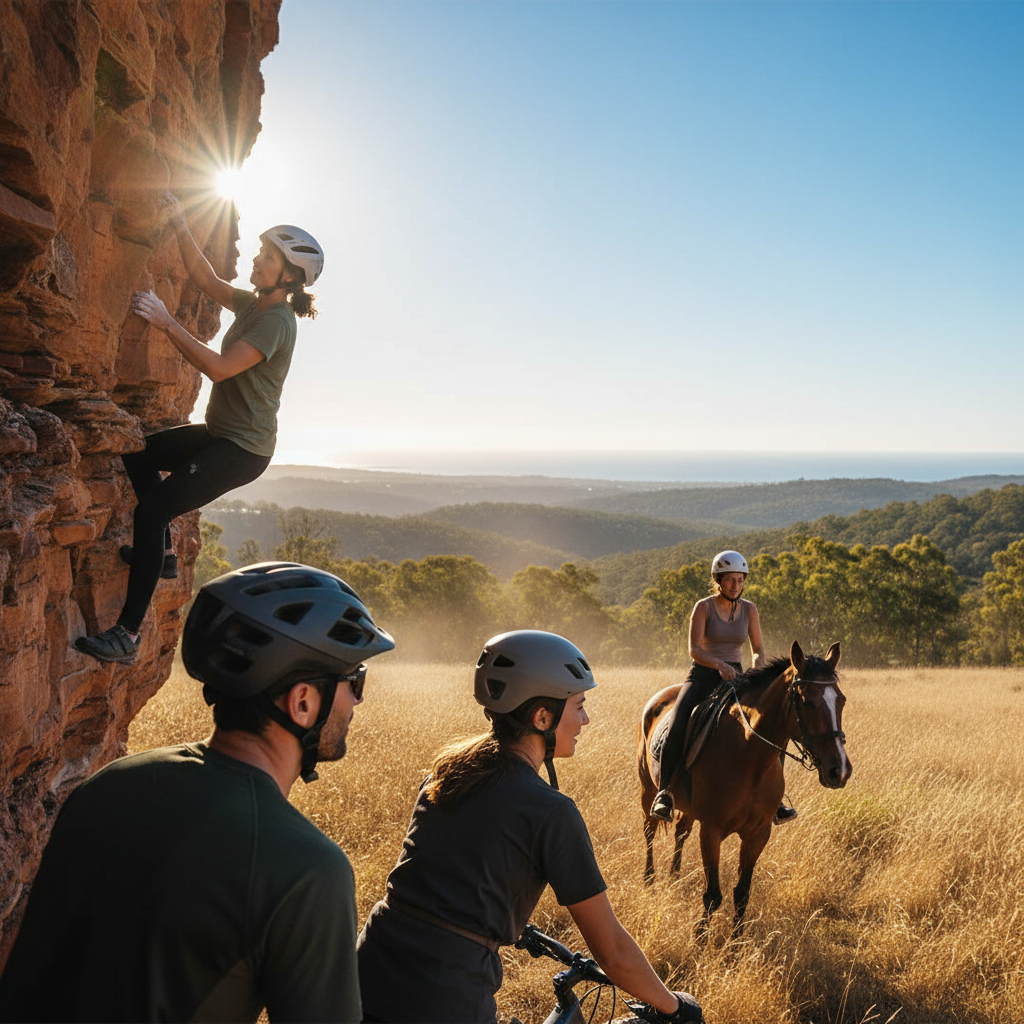
Nail Your Helmet's Sun Protection: Choosing the Right Brim for Australian Conditions
Australia. We love it. The sun, the outdoors, the lifestyle. But let's be honest, that beautiful sunshine comes with a serious punch. High UV levels, scorching heat, and long daylight hours mean sun protection isn't optional; it's essential. Especially when you're out there, actively engaged in your work or passion, wearing a helmet.
Your helmet is your primary safety gear. But is it providing complete sun protection? Most standard helmets offer some shade for the top of your head, but your face, neck, and ears are often left exposed and vulnerable. This is where a helmet brim, or a visor, comes into play. It's the unsung hero of comfortable, safe outdoor activity under the relentless Aussie sun.
But not all brims are created equal. And choosing the wrong one can be ineffective, annoying, or even a safety hazard. This guide cuts through the confusion. We'll tell you exactly how to pick the right helmet brim for your activity, considering the harsh realities of Australian conditions.
Why You Need a Brim (and Why Standard Helmets Aren't Enough)
We’re talking about serious sun damage here. Prolonged exposure to UV radiation can lead to:
Sunburn: Painful, damaging, and increases your risk of skin cancer.
Heatstroke and Heat Exhaustion: Direct sun on your head and face can contribute significantly to overheating.
Eye Damage: Glare and UV can cause long-term vision problems.
Premature Aging: Wrinkles, sunspots… no one wants that.
Skin Cancer: The big one. Australia has some of the highest rates of skin cancer in the world.
Standard helmets offer great impact protection. But their design often prioritises ventilation or aerodynamics over comprehensive sun coverage. A good brim extends that protection, shielding your face, ears, and often the back of your neck from direct solar assault. Think of it as essential PPE for your head and face.
Understanding Your Activity: The Key to Brim Selection
The single most important factor in choosing a helmet brim is what you're doing. Your activity dictates the level of protection needed, the required field of vision, and how the brim will interact with your environment.
Let’s break it down:
1. Tradies and Construction Workers
The Scenario: Long hours on site, often stationary for periods, dusty environments, looking up at angles, heavy-duty helmets.
Needs: Maximum face and neck coverage. Protection from UV, but also from falling debris, dust, and glare that can affect vision and cause headaches. A brim needs to be robust and secure. Field of vision is generally less critical than broad protection.
The Objection: "I already wear a hard hat. Isn't that enough?" No. A standard hard hat offers zero face or neck protection from sun. "Will it get in the way?" A well-designed brim won't. It’s designed to integrate with your helmet.
Our Recommendation: Look for brims offering wide face and ear coverage. Materials that are durable and easy to clean are a plus. Some brims are specifically designed to fit standard hard hats. Consider a brim that extends further down the neck for extra protection.
2. Cyclists (Road, Mountain, Commuter)
The Scenario: Moving at various speeds, needing good peripheral vision, encountering wind, potential for falls.
Needs: Protection from sun glare that can impair vision, especially when looking ahead or down at a GPS. Coverage for the face and ears is important, but the brim shouldn't obstruct your view, particularly when looking up at intersections or downhills. Aerodynamics can be a factor for road cyclists.
The Objection: "My cycling helmet has a peak already." Most cycling helmet peaks are small and designed more for sun out of the eyes than broad facial protection. "Will it make me look silly?" Functionality first. Good design can look great. "Will it catch the wind?" This is where design matters. Look for brims engineered to minimise drag.
Our Recommendation: Prioritise brims that offer good eye and upper face shade without compromising forward and peripheral vision. For mountain biking, more coverage is often better to protect from sun and trail debris. For road cycling, a sleeker, more aerodynamic design might be preferred. Look for brims that attach securely and are relatively lightweight.
3. Motorcycle Riders
The Scenario: High speeds, significant wind, need for clear, unobstructed vision, extensive sun exposure on long rides.
Needs: Primarily to reduce glare and protect the rider's eyes and face from sun that can cause fatigue and impair vision. The brim needs to be robust enough not to lift or detach at speed and must not interfere with the helmet's aerodynamics or the rider's ability to check mirrors.
The Objection: "I have a tinted visor." Tinted visors only go so far. They don't block UV completely, and you often need a clear visor for low light conditions, leaving you exposed. "Will a brim make my helmet unstable?" Only if it's poorly designed or attached. A quality brim is engineered to integrate.
Our Recommendation: Focus on brims that are specifically designed for motorcycle helmets, often attaching under the helmet's edge or via a secure strap system. They should provide shade for the eyes and upper face without obstructing views, particularly upwards for traffic lights or downwards for instruments. Durability and wind resistance are paramount.
4. Other Outdoor Activities (Gardening, Hiking, Equestrian, etc.)
The Scenario: Can vary widely, but often involves prolonged outdoor exposure, sometimes with specific head movements (e.g., Equestrian).
Needs: Broad sun protection for face, ears, and potentially neck. Comfort and breathability are key for extended wear.
The Objection: "I usually just wear a hat." A hat is great, but it doesn't integrate with a helmet. If you're wearing a helmet for safety (e.g., equestrian, some adventure sports), you need sun protection that works with the helmet.
Our Recommendation: For gardening or less intense activities, a wider brim might be preferable for maximum shade. For equestrian, ensure the brim doesn't interfere with your riding posture or vision. Versatility is often a good trait here.
Key Features to Look For in a Helmet Brim
Beyond your specific activity, several general features contribute to a good helmet brim:
Material: Durable, UV-resistant, and ideally easy to clean. Some might offer a degree of water resistance.
Attachment System: How does it attach to your helmet? Is it secure? Easy to install and remove? Won't damage your helmet? Look for systems designed to be universally compatible or specific to popular helmet types. Check out our How to Install guide to see how easy it can be.
Coverage Area: Does it cover your face, ears, and neck adequately for your needs?
Field of Vision: Does it obstruct your forward, peripheral, or upward vision?
Ventilation: Will it impede airflow from your helmet, leading to overheating?
Weight: A heavy brim can be uncomfortable and affect helmet balance.
Durability: Can it withstand bumps and scrapes? Is it built to last in harsh Australian conditions?
Quick Selection Guide: Brim Type vs. Activity
Here’s a simplified look at common brim needs:
| Activity Type | Primary Need | Recommended Brim Style |
|---|---|---|
| Construction/Tradie | Maximum face/neck shade, durability | Wide brim, extended neck coverage |
| Road Cycling (Commuter/Sport) | Reduced glare, minimal wind resistance | Aerodynamic, moderate face coverage |
| Mountain Biking | Full face/ear shade, protection from debris | Wider face/ear coverage, robust |
| Motorcycle Riding | Glare reduction, no vision obstruction | Low-profile, secure attachment, streamlined |
| Gardening/Outdoor Work | Broad shade, comfort | Wide coverage, potentially adjustable |
| Equestrian | Sun protection without vision obstruction | Secure, designed not to interfere |
Common Objections and How to Handle Them
We know what you're thinking. Here's the no-nonsense truth:
"It will fall off." Not if you choose a quality brim with a proven attachment system. Our Products are designed for secure, reliable fit. This is why we stress matching the brim to your helmet type and activity.
"It will get in the way." Again, design is key. A well-engineered brim won't; it'll enhance your comfort and safety. Avoid overly large or poorly shaped brims that aren't suited to your needs.
"It's too expensive." What's the cost of a serious sunburn, a skin cancer removal, or a vision-impairing glare incident? A good brim is a small investment in your long-term health and comfort. Check out our range at Products – we believe in offering value.
"My helmet is already good enough." As we've discussed, standard helmets often fall short on comprehensive sun protection. A brim is an affordable upgrade that makes a massive difference.
- "I don't need it; I work in the shade." Shade is great, but UV rays can still reflect off surfaces. Plus, you're rarely in 100% shade for the entire workday. Sun exposure adds up.
Making the Right Choice: A Step-by-Step Approach
Ready to choose? Follow these steps:
1. Identify Your Primary Activity: Be honest about what you do most often while wearing your helmet.
2. Assess Your Sun Exposure: How long are you typically exposed? What time of day? Are you in direct sun or areas with significant reflection?
3. Consider Your Helmet Type: Is it a hard hat, cycling helmet, motorcycle helmet, etc.? This will dictate compatibility.
4. Prioritise Your Needs: Is maximum shade critical? Is maintaining a wide field of vision paramount? Is aerodynamics a concern?
5. Review Brim Features: Look at the material, attachment method, coverage, and weight. Do they meet your needs and address your concerns?
6. Read Reviews/Ask Questions: See what others have experienced. If you're unsure, our FAQ page is a great resource, and our team can help.
7. Choose Wisely: Select a brim designed for your activity and helmet type.
Don't Let the Sun Win
Australian life is lived outdoors. Don't let the harsh sun dictate your comfort or compromise your health. A properly chosen helmet brim is a simple, effective way to significantly boost your sun protection. It's about being smart, prepared, and enjoying our incredible environment safely.
Whether you're on the tools, on the bike, or on the road, there's a brim out there for you. Invest in the right one and feel the difference. Explore our range and find your perfect sun shield at Products.
For more tips and updates, check out our Blog and stay informed.