
Nail Your Helmet Brim Fit: A No-Nonsense Australian Guide
Stop squinting and overheating. Learn how to perfectly fit your helmet brim for maximum sun protection and comfort under the harsh Australian sun. This guide cuts through the fluff.
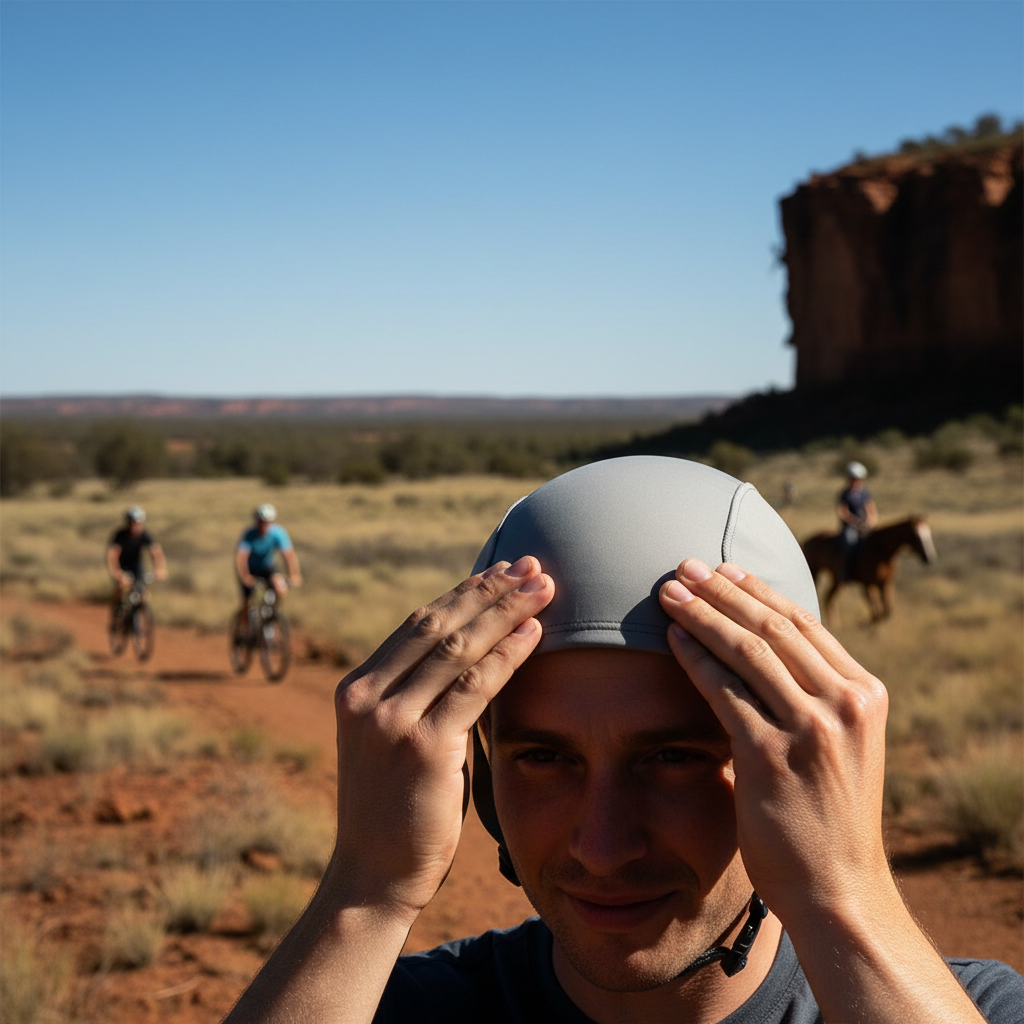
Nail Your Helmet Brim Fit: A No-Nonsense Australian Guide
Let's be honest. Australia's sun is no joke. We're talking about long, hot days where the UV index can climb to dangerous levels faster than you can say 'slip, slop, slap'. If you're wearing a helmet for work, sport, or any outdoor activity, the brim isn't just an accessory – it's your first line of defence against glare and harmful UV rays. But is yours fitted correctly? A poorly fitted brim can be more annoying than helpful, leaving you squinting into the sun or feeling like your head's in an oven.
This guide cuts straight to the chase. We're talking practical, actionable advice on how to achieve that perfect helmet brim fit, tailored for our unique Australian conditions. No fancy jargon, just the facts to keep you protected and comfortable.
Why a Properly Fitted Brim Matters Down Under
We live and play under some of the harshest UV radiation on the planet. This isn't just about avoiding a sunburned nose; it's about protecting your eyes, reducing heat stress, and maintaining clear vision so you can focus on what you're doing.
UV Protection: Direct, prolonged exposure to UV rays can damage your eyes and the delicate skin on your face and neck. A well-positioned brim acts as a physical barrier.
Glare Reduction: Squinting leads to fatigue, headaches, and impaired vision. A correctly fitted brim shades your eyes, allowing you to see clearly on bright days.
Heat Management: While it might seem counterintuitive, a brim can actually help dissipate heat by shielding your head from direct solar radiation. Less direct heat absorbed means a cooler you.
Comfort: An ill-fitting brim can chafe, shift, or simply be a constant distraction. The right fit ensures it stays put and feels like part of your helmet.
Performance & Safety: Whether you're on a worksite, a bike trail, or a kayak, clear vision and comfort are paramount for safety and optimal performance. A shifting or poorly placed brim compromises both.
The Common Pitfalls to Avoid
Before we get to fitting, let's address some common mistakes Australians make with their helmet brims:
Brice Too High: Tilted up too much, and it offers minimal shade. You'll still be squinting.
Brice Too Low: Pulled down too far, and it obstructs your upward vision. This is a major safety hazard.
Brice Too Far Forward/Backward: Not centred, and you lose symmetrical protection and can create an unbalanced feel.
Ignoring Helmet Fit: The brim is just one part. If your helmet isn't snug and secure, no brim adjustment will truly work. Read our guide on How to Install your Da Brim for overall helmet fit.
Over-reliance on Sunscreen: While essential, sunscreen alone isn't enough. Physical barriers like brims are crucial for effective, all-day protection.
Is Your Brim Doing Its Job? Quick Check
Here’s a simple checklist to see if your current setup is up to scratch. Grab your helmet and give it a look over before you start making adjustments.
| Feature | Yes | No |
|---|---|---|
| Eye Coverage | Brim shades the top of your vision | You can see the sky above the brim |
| Upward Vision | You can see upwards without obstruction | Brim blocks your peripheral upward view |
| Peripheral Shade | Brim offers decent side shading | Primarily shades only directly ahead |
| Comfortable Angle | Sits naturally, no strain on neck | Feels like it's pulling down or up |
| Secure Fit | Stays in place when you move your head | Shifts or wobbles easily |
If you answered 'No' to more than one of these, it's time for some adjustments. A properly fitted brim shouldn't be a compromise; it should feel like a natural extension of your helmet's protective capabilities.
Step-by-Step: Fitting Your Helmet Brim for Australian Conditions
This guide assumes you're using a Da Brim, designed to be an adaptable addition to most helmets. Our goal is to position it for optimal sun and glare reduction without compromising your vision or the helmet's integrity.
Step 1: The Foundation – Helmet Fit
This is non-negotiable. Before you even think about the brim, ensure your helmet is fitted correctly to your head. It should be snug, level, and not move excessively when you shake your head. If your helmet is loose, it’s unsafe, and no amount of brim adjustment will fix that fundamental issue. Check out our How to Install guide for the essential steps to ensure your Da Brim is attached securely to a well-fitting helmet.
Step 2: The Natural Gaze Test
Put your helmet on. Now, stand or sit and look straight ahead as you normally would for your primary activity. Don't tilt your head up or down significantly, just a relaxed, neutral gaze.
Observe: Where does the brim line sit in your field of vision? You want the brim to be just below your natural line of sight, effectively blocking the sun's direct rays when it's high in the sky, but not interfering with your ability to see where you're going.
Step 3: Adjusting the Angle – The Upward Vision Check
This is often where people go wrong, particularly in Australia where the sun can be low in the morning and afternoon.
Tilt Up (Slightly): Carefully try tilting the rear of the brim upwards slightly. The goal is to ensure you can still see forwards and upwards without the brim causing a visual obstruction. This is crucial for tasks that require looking up (e.g., construction, inspecting overheads on a farm, or simply looking at a distant landmark while cycling).
The Balance: You're looking for a sweet spot. Too far down, and you can't see up. Too far up, and you're squinting again. Imagine the sun's arc throughout the day – you want coverage from most angles without sacrificing your forward and upward vision.
Step 4: The Forward Horizon Check
Now, look directly ahead at a distant point. If you're on a bike, this might be the road in front of you. If you're working, it might be your task area.
Effectiveness: Does the brim effectively shade your eyes from the sun as it sits on the horizon? You shouldn't be seeing the direct glare of the sun peeking over the brim.
Consideration (Australian Sun): In Australia, the sun can be intense even when it's not directly overhead. Your brim needs to offer shade when the sun is at a 30-45 degree angle, which is common during morning and late afternoon activities.
Step 5: Test for Movement and Stability
Once you think you've got the angle right, test it.
Head Movement: Gently nod your head up and down. Shake your head from side to side. Does the brim shift significantly? If it moves too much, it's either not securely attached or the angle is too extreme for stability.
Activity Simulation: If possible, simulate the movements you'd make during your activity. Jog on the spot, lean forward, turn your head. The brim should remain in its optimal position.
Step 6: Fine-Tuning for Comfort and Heat
This is about the 'feel' and how it performs under our typical heat.
No Pressure Points: The brim, when attached correctly, shouldn't create uncomfortable pressure points on the helmet or your head. Any added discomfort usually means something is misaligned.
Airflow (Where Applicable): While brims create shade, they can also slightly impede airflow. The goal is to find an angle thatmaximises shade without creating a 'hot box' effect. Adjustments are usually minor here, focusing on achieving the shade angle as described in steps 2-4.
Advanced Tips for Long Days Under the Sun
Multiple Brims: Depending on your activity and the time of day, you might benefit from slightly different brim angles. For early morning rides where the sun is low in the east, you might angle it slightly differently than for midday activities. Consider having a spare Da Brim if you frequently change activity types or times. You can find our range of Products here.
Complementary Protection: The brim is crucial, but it's part of a system. Always wear UV-protective sunglasses, a wide-brimmed hat when not wearing a helmet, and wear sunscreen on any exposed skin. For more on overall sun protection, our Blog has regular updates and tips.
Listen to Your Body: If you’re feeling too hot or squinting despite your brim, it’s a sign that something needs adjusting, or you need to seek shade. Don't push it.
Common Questions (and Answers)
Q: My Da Brim seems too stiff to adjust. What am I doing wrong?
A: Ensure you've followed the installation instructions from How to Install correctly. The Da Brim is designed to hold its position once set. You might need to gently flex it into your desired position, but it shouldn't require excessive force. If you're struggling, check the FAQs or contact us.
Q: I still get sun on the sides of my face. Can a helmet brim fix this?
A: A helmet brim is primarily designed to protect from sun coming from above and the front. For side protection, consider helmets with deeper side coverage or supplementary wear like sunglasses with wider arms. Our Products page lists options that might offer better peripheral coverage.
Q: How often should I check my helmet brim fit?
A: We recommend a quick check before each use, especially if you've removed your helmet or it's been stored. A more thorough check of the fit and angle should be done weekly or after any significant impact.
Q: Is this the same for all helmets?
A: While the principles of fitting are universal (eye level, upward vision), the specific attachment mechanism and available adjustment range will vary depending on your helmet model and the Da Brim version. Always refer to your helmet manufacturer's guidelines and our installation guide. For general helmet fit advice, our FAQ page is a good resource.
The Bottom Line
Properly fitting your helmet brim under the Australian sun is not an optional extra; it's an essential part of staying safe and comfortable outdoors. By following these practical steps, you can ensure your brim is working overtime to protect you from glare and harmful UV rays, without hindering your vision or comfort. Take the time to get it right. Your eyes and your skin will thank you.
Don't let the Aussie sun win. Equip yourself with the right gear and know-how. For more information, check out our Products, How to Install, and FAQ pages, or browse our Blog for more insights.