
Multipitch Sun Protection: Your Helmet is Only Half the Battle
Don't let the Australian sun cut your multipitch climbs short. Learn how to maximise helmet sun protection for long days on the rock, beating fatigue and UV damage.
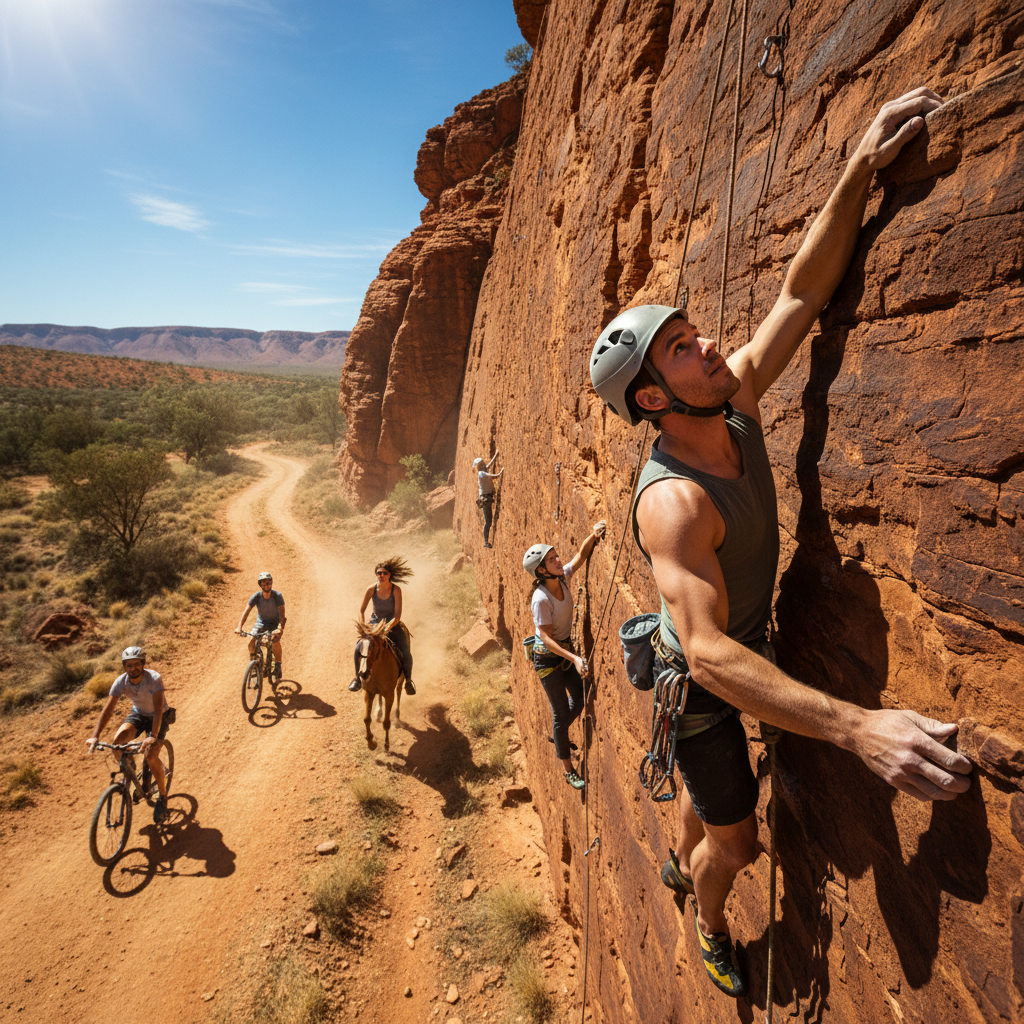
Multipitch Sun Protection: Your Helmet is Only Half the Battle
Multipitch climbing in Australia is an epic pursuit. Long days, incredible views, and the satisfaction of topping out – it’s what we live for. But let's be brutal: the Australian sun is no joke, especially when you're out on the rock for hours. We're talking about prolonged exposure to high UV levels, even on seemingly overcast days. Your standard climbing helmet, while crucial for impact protection, often falls short when it comes to shielding you from the relentless glare and heat.
This isn't about comfort; it’s about safety and performance. Sunburn, heat exhaustion, and sunstroke can sneak up on you, turning a dream climb into a miserable ordeal or worse, a dangerous situation. Fatigue exacerbates mistakes, and a serious sunburn can ruin your next few days of climbing. So, how do you ensure your helmet does more than just protect your skull?
Understanding the Sun's Impact on Multipitch Climbers
Think about a typical multipitch day in Australia. You're often starting early, but the sun's intensity ramps up quickly. You're looking up, often exposed, with little to no shade for hours. Your neck, ears, and face are directly in the firing line. Unlike a quick sport climb or bouldering session, a multipitch demands sustained effort over a long period. This prolonged exposure means cumulative UV damage – something you might not feel immediately but can have long-term consequences.
Australian UV levels are notorious. Even outside of summer, the UV Index can reach dangerous levels. When you're climbing, especially on lighter coloured rock, the reflected UV can be even more intense. Add to this the heat: the rock absorbs sunlight and radiates it back, creating a microclimate that can feel significantly hotter than the ambient temperature. This heat stress, combined with physical exertion and dehydration, significantly increases your risk of heat-related illnesses.
Your helmet, essential as it is, usually only covers your head. The brim is minimal, often designed more for aesthetics or minor debris. It does next to nothing to protect your neck, your ears, or the back of your head from direct sun. This is where we need to get practical and address the blind spots in our sun protection strategy.
The Limitations of Standard Helmets
Let's be blunt. Most climbing helmets are designed for impact protection, not comprehensive sun safety. The small, often forward-facing brim offers minimal shade. It might protect your eyes from direct overhead sun for a few minutes, but it leaves your face, ears, and neck vulnerable to the pervasive UV rays that bounce off rock and air.
Forehead Exposure: Even a slight angle upwards to look at your next move bypasses any minimal protection.
Ears: Often entirely exposed, leading to painful sunburn that can affect your hearing and comfort for days.
Neck: The back of your neck is a prime target, especially when you're leaning back or belaying. This area is particularly susceptible to burning and can lead to significant discomfort and overheating.
Face: While you might wear sunscreen, it wears off, sweats off, or gets wiped off. Consistent protection is vital.
This is where proactive solutions are needed. We're not talking about compromising safety; we're talking about enhancing it. The goal is to extend the protective coverage of your existing helmet without adding bulk or hindering your ability to climb.
Solutions: Extending Your Helmet's Sun Defence
Fortunately, you don't need to ditch your current helmet. There are practical ways to supercharge its sun-blocking capabilities. The key is adding a wider, more effective brim that extends further down, protecting those vulnerable areas.
The Da Brim Solution
This is where external brims designed for helmets come into their own. Specifically, solutions like Da Brim are engineered to provide significantly more shade than a helmet's built-in brim. They attach to your helmet, effectively extending its protective coverage.
Extended Coverage: The primary benefit is the significant increase in shade. A wider brim can cast shade over your face, ears, and even down your neck, drastically reducing UV exposure.
UV Protection: Many of these brims are made from UV-resistant materials, offering an additional layer of defence.
Reduced Glare: They minimise the amount of direct sunlight and glare that reaches your eyes and face, helping to reduce eye strain and fatigue.
Heat Reduction: By blocking direct sunlight, they can help keep your head and neck cooler, mitigating the effects of heat stress.
When to Deploy Extra Sun Protection
Not every climb needs this level of fortification. However, for multipitch routes, extended days in the sun, or when climbing in peak UV hours, it’s a game-changer. Consider these scenarios:
Long multipitch routes: Anything taking more than 3-4 hours.
Routes with minimal sun protection: Face climbs, slabs, or routes with less natural shade.
High UV Index days: Particularly during midday and early afternoon.
Hot weather conditions: When even short periods in the sun lead to overheating.
When belaying: You're static, looking at the sun, and vulnerable.
Implementing Extended Sun Protection
Getting the most out of your helmet's sun protection extension is straightforward. It’s about choosing the right attachment and ensuring it’s secure.
Choosing the Right Da Brim for Your Helmet
Da Brim offers different styles. For serious multipitch sun protection, you'll want to look at models with the widest coverage. The 'Ultra' or 'Helmet Brim' models are typically designed for this purpose, offering significant extension to the front, sides, and rear.
Check the compatibility with your specific helmet model. While many Da Brim products use a universal strap system, it's always best to confirm. You can find suitable options in our Products section.
Installation: It's Easier Than You Think
Attaching a Da Brim is usually a quick process. Most systems involve straps that secure around your helmet, often connecting to the ventilation holes or suspension system. Careful attachment ensures it stays put, even in windy conditions or during occasional contact.
Here's a general guide to installation:
1. Familiarise Yourself: Read the instructions that come with your Da Brim. While generally intuitive, specific models might have nuances.
2. Position the Brim: Place the Da Brim over your helmet, ensuring it's centred and the brim is extending appropriately for maximum shade.
3. Secure Straps: Thread the straps through or around your helmet's structure. This might involve clipping them to suspension bands or weaving them through vents. Refer to our How to Install guide for detailed steps.
4. Adjust for Fit: Tighten the straps so the brim is snug and secure. It shouldn't wobble when you move your head, but it also shouldn't be so tight it distorts the helmet's fit or comfort.
5. Test It: Gently tug on the brim and shake your head to confirm it's stable. Ensure it doesn't obstruct your vision when looking up or down.
Important Note: Always ensure that any attachment method does not compromise the structural integrity or the primary function of your climbing helmet. Do not drill holes or make permanent modifications to your helmet.
Beyond the Brim: Complementary Sun Protection
While a wide-brimmed helmet extension is your primary defence, don't forget the basics:
Sunscreen: Apply broad-spectrum, high SPF sunscreen to any exposed skin (face, hands) and reapply frequently.
Sunglasses: Crucial for reducing glare and protecting your eyes from UV.
Lightweight Clothing: Long-sleeved, UPF-rated clothing can significantly reduce skin exposure.
Hydration: Crucial for preventing heat exhaustion. Drink water and electrolytes regularly.
Common Objections and How to Handle Them
We get it. Adding something to your helmet might seem like a hassle, or you might worry about it snagging or looking a bit… different.
Objection 1: "It will snag on branches/racks."
Reality: While some snagging is possible with any added gear, the Da Brim designs are generally fairly streamlined. The key is proper installation and awareness. It’s a trade-off: a minor snag risk for significantly improved sun protection on long, exposed routes. For most multipitch climbing, the risk is minimal compared to the benefits. Think about how often you truly snag your helmet on something compared to how often you're exposed to harsh UV.
Objection 2: "It will be too hot / It will restrict airflow."
Reality: This is a valid concern. However, the shade provided by the extended brim often reduces overall heat gain by blocking direct sunlight. While some ventilation might be slightly impeded, the forehead and neck will likely feel cooler due to the shade. The reduction in direct solar radiation is often more significant than the minimal impact on airflow. Always choose a helmet with good ventilation to start with.
Objection 3: "It looks silly / It's not cool."
Reality: Are you aiming for a fashion shoot on the side of a cliff, or are you aiming to climb safely and comfortably for long hours in the Australian sun? Prioritising performance and health over aesthetics is crucial in the mountains. Practicality trumps style when it comes to avoiding sunburn, heatstroke, and potential long-term skin damage. Plus, anything that helps you stay out there longer and feel better is pretty cool in our book.
Objection 4: "It's too much effort to install/remove."
Reality: As detailed in our How to Install guide, installation is typically a 1-2 minute job. Once you've done it once, it's a quick flick of straps. For multipitch days, the minimal effort is overwhelmingly outweighed by the comfort and safety benefits. It’s a small investment of time for a significant return.
Case Study: Sunburn on a Long Day
Imagine this: You're halfway up a classic 10-pitch route in the Grampians. It’s 11 AM, the sun is beating down, and you've been climbing for hours. Your neck is screaming, your ears are hot and red, and the glare is making it hard to spot your next handholds. Even with sunscreen, the constant exposure takes its toll. This isn't just discomfort; it's physical stress that impacts your focus and energy.
Now, imagine that same scenario, but you're wearing a helmet with an extended brim. Your neck and ears are in consistent shade. The glare is significantly reduced. You feel cooler, more focused, and less depleted. That's the difference proactive sun protection makes on a long Australian multipitch climb. It means you can maintain performance, enjoy the climb, and arrive at the top feeling strong, not burnt out.
Gear Checklist for Sun Protection on Multipitch
Before your next big day out, tick these off:
[ ] Helmet with Extended Brim: (e.g., Da Brim) securely attached.
[ ] Broad-Spectrum Sunscreen: SPF 50+, water-resistant.
[ ] Lip Balm with SPF: Don't forget your lips.
[ ] High-Quality Sunglasses: With good UV protection and polarisation.
[ ] Wide-Brimmed Hat or Cap: For approaches/descents, or if you can layer effectively under your helmet (rarely practical).
[ ] UPF-Rated Clothing: Long sleeves and pants.
[ ] Plenty of Water and Electrolytes: Stay hydrated.
Frequently Asked Questions (and Answers)
Q: Will adding a brim affect my helmet's safety rating?
A: When attached correctly according to manufacturer instructions, and without modifying the helmet itself, a securely fitting extension like Da Brim should not compromise the helmet's primary impact protection. Always refer to FAQ and product documentation.
Q: Can I use a bandana under my helmet for sun protection?
A: A bandana offers minimal UV protection and can trap heat. It's not a substitute for direct shade or a wide brim. It can also become saturated with sweat, offering little benefit.
Q: What is the UV Index typically like in Australia?
A: The UV Index in Australia can reach high to extreme levels (6+) throughout much of the year, especially during summer, and can still be significant even in winter in many regions. Always check your local forecast.
Q: How do I clean my helmet brim?
A: Most brims can be wiped clean with a damp cloth and mild soap. Refer to specific product care instructions.
Conclusion: Don't Let the Sun Win
Multipitch climbing in Australia is an incredible adventure, but the sun is a constant factor. Your standard helmet is a life-saver for impacts, but for extended sun exposure, it’s only part of the solution. By outfitting your helmet with an extended brim, you significantly boost your defence against harmful UV rays, heat stress, and glare. It’s a practical, effective way to ensure you can stay focused, comfortable, and safe on those long, epic days on the rock. Don't let avoidable sunburn or heat exhaustion dictate your climbing experience. Invest in comprehensive sun protection – your future self will thank you.
Looking for the right gear? Check out our Products for helmet brim extensions and other essential climbing accessories. For more tips and tricks, visit our Blog and FAQ pages.