
Multipitch Climbing in Australia: Beat the Sun with Your Helmet
Long days on Australian multipitch climbs mean serious sun exposure. Learn how to keep cool and protected with your helmet.
Multipitch Climbing in Australia: Don't Let the Sun Ruin Your Ascent
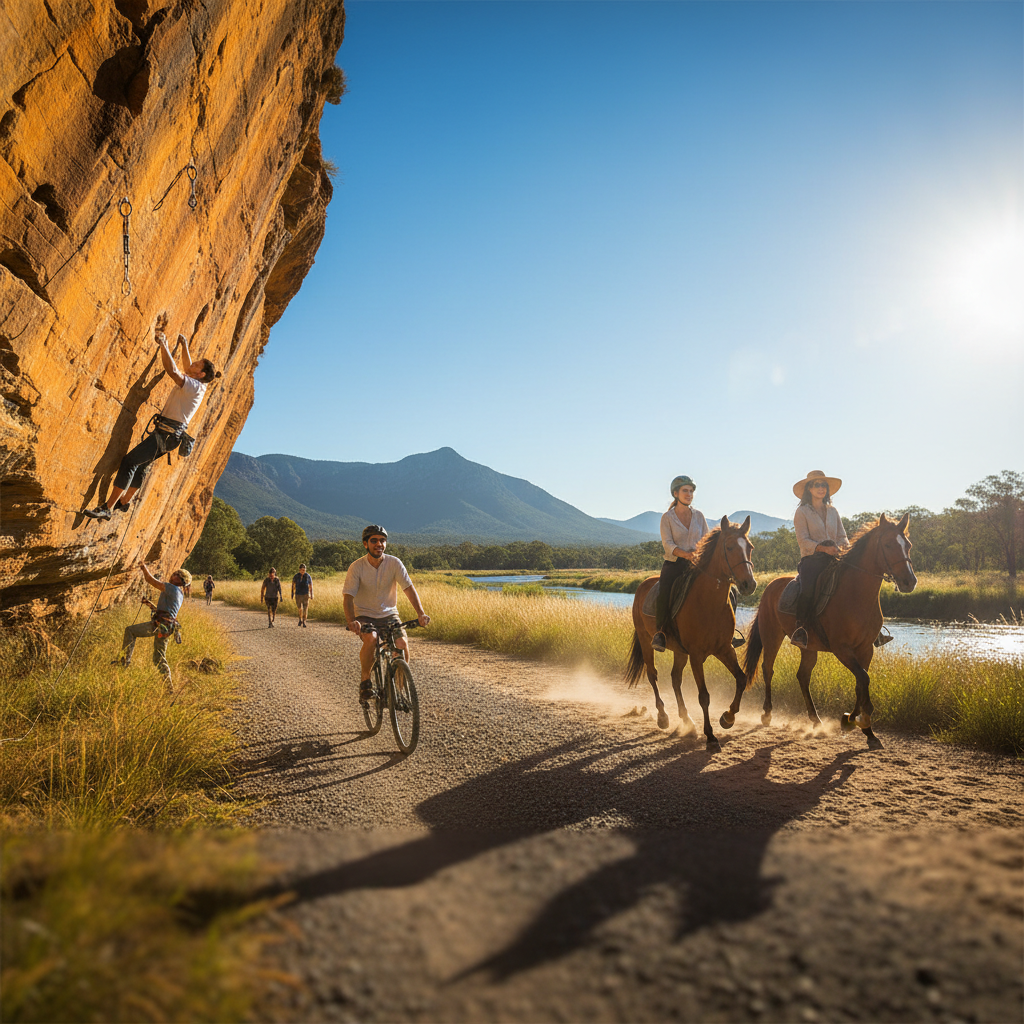
Australia. We love our country's rugged beauty, and that includes its incredible climbing. From the Grampians to the Blue Mountains, we're blessed with endless rock and jaw-dropping views. But let's be honest, we're also blessed with some seriously intense sunshine. For multipitch climbing, this isn't just an inconvenience; it's a genuine hazard. Long days, exposed routes, and the relentless UV index mean sunburn, heatstroke, and dehydration are constant threats.
As climbers, we're conditioned to think about gear – ropes, harnesses, cams. But what about protecting ourselves from the environment? Your helmet, designed for impact protection, can and should do more. It's your primary defense against falling rock and those tricky overhangs, but it's also your most important tool for managing sun exposure on those epic, full-day ascents.
Why Sun Protection Matters on Multipitch
Forget a quick hour at the local crag. Multipitch climbing often means spending 4, 6, 8, or even more hours on the rock. During this time, you're directly exposed to Australia's potent UV radiation, which can be extreme, especially during spring and summer. Even on a cloudy day, UV rays can penetrate and cause damage. Here's why you need to take helmet sun protection seriously:
Sunburn: It's not just about looking red. Severe sunburn impairs your body's ability to regulate temperature, drains your energy, and makes climbing uncomfortable, if not impossible. Sunburned skin is also more susceptible to long-term damage.
Heatstroke/Exhaustion: Australia's heat can be brutal. Prolonged exposure to high temperatures, especially when you're physically exerting yourself, can lead to heat exhaustion and, in severe cases, heatstroke – a life-threatening condition. Your head and neck are prime areas for heat absorption.
Eye Strain and Glare: Direct sunlight bouncing off rock surfaces can cause significant eye strain and glare, impacting your vision and concentration. This is crucial when you're looking for holds or planning the next move.
Dehydration: The combination of exertion and heat accelerates fluid loss. Sunburn and the body's struggle to cool itself exacerbate this dehydration.
Long-Term Skin Damage: Repeated sun exposure contributes to premature aging and significantly increases your risk of skin cancer. The scalp and face are particularly vulnerable.
Your Helmet: More Than Just Impact Protection
Most climbing helmets are designed with ventilation in mind, which is great for cooling. However, they often offer minimal direct sun protection. The top of your head, your neck, and your face are still exposed to the full force of the sun. This is where an add-on solution becomes a game-changer.
Objections & How to Handle Them
We get it. Adding anything to your helmet might seem like a hassle. Let's tackle some common objections:
"It'll snag on things." This is a valid concern on cluttered multipitch routes. However, a well-designed brim is shaped to deflect, not catch. Think of it like a baseball cap – it can snag, but a good one rarely does. Modern solutions are designed with climbing in mind, aiming for a low profile where possible.
"It'll add too much weight." While technically true, the weight difference is negligible compared to the benefits. You're carrying a pack, rack, water, and food – a few extra grams for significant sun protection is a worthwhile trade-off.
"I'll just wear a hat under my helmet." This is a common approach, but it has its limitations. A hat can bunch up, feel hot and sweaty, and still leave gaps for sun to get in, especially around your neck and ears. Ventilation can also be compromised. A dedicated brim solution is often more effective and integrated.
"It looks silly." Aesthetics are subjective. Prioritising safety and comfort over fashion on a demanding climb is simply smart. Plus, a well-implemented solution can look quite purposeful.
"It'll block my vision." A properly designed brim shouldn't obstruct your upward vision. It's angled to provide shade for your face and eyes without hindering your ability to look up for the next move or assess your surroundings.
Solutions for Helmet Sun Protection
When we talk about sun protection for your helmet, we're generally referring to a brim that attaches to the front. These act like a cap brim, shielding your face, neck, and eyes. Some helmets might have integrated brims, but for most existing helmets, an add-on is the way to go.
Da Brim – Designed for Climbers
Many climbers turn to solutions like Da Brim. These are designed to be lightweight, durable, and easy to attach to most standard climbing helmets. They come in various styles and sizes, catering to different needs and preferences. The key is to find one that securely attaches and provides adequate coverage without interfering with your climbing.
Key Features to Look For
When choosing a helmet sun brim, consider these points:
UV Protection: Ensure the material offers good UV blocking.
Secure Attachment: It must stay put, even in wind or when you're moving over rock.
Coverage: How much of your face, neck, and ears does it shade?
Durability: It needs to withstand the knocks and scrapes of climbing.
Ventilation Compatibility: Does it interfere with your helmet's existing ventilation?
Weight: While secondary, lighter is generally better.
Installation Guide
Attaching a brim like Da Brim is generally straightforward. You can find detailed instructions on how to install your Da Brim helmet brim on our How to Install page. It usually involves a secure strap system that loops around your helmet's adjustment system.
General Steps:
1. Clear Your Helmet: Remove any unused attachments from your helmet's adjustment cradle.
2. Position the Brim: Place the brim over your helmet, aligning it with the front.
3. Secure Straps: Thread the straps through or around your helmet's adjustment mechanism, as per the specific product's instructions.
4. Tighten: Ensure all straps are snug and the brim is firm, but not distorting the helmet's fit.
5. Test Fit: Wear your helmet and tilt your head to ensure the brim doesn't impede your vision and stays in place.
Australian Multipitch: A Checklist
Before you head out on your next multipitch expedition in Australia, make sure you've covered your sun protection bases. This goes beyond just the brim.
Helmet with Sun Brim: Yes, this is item one.
Sunscreen: High SPF, broad-spectrum, and reapply regularly (especially neck and ears).
Sunglasses: Crucial for rest stops and approaches/descents, and sometimes useful up high.
Sun-Protective Clothing: Long sleeves, light colours, UPF rated if possible.
Water: Plenty of it. Dehydration is a major risk factor.
Electrolytes: For long, hot days.
Hat/Buff: For the approach, descent, or to wear under your helmet if preferred (though a brim is often superior).
Table: Helmet Brim vs. Other Methods
| Method | Pros | Cons | Best For |
|---|---|---|---|
| Helmet Sun Brim | Direct facial/neck shade, integrated, effective | Can snag (depending on design), initial cost | All day sun exposure, long multipitches, high UV index areas |
| Hat Under Helmet | Simple, cheap, extra layer | Can be hot/sweaty, can bunch up, gaps in coverage, ventilation issues | Shorter climbs, lower UV, combined approach/climb |
| No Sun Protection | None (not recommended in Australia for multipitch) | High risk of sunburn, heatstroke, eye strain, long-term damage | Very short climbs in shaded conditions only |
Beyond the Brim: Other Sun-Smart Climbing Habits
Start Early: Beat the peak UV hours and the worst of the heat by starting your climb in the early morning.
Strategic Breaks: Take breaks in shaded spots whenever possible. Even a small overhang can make a difference.
Hydration is Key: Drink water consistently, don't wait until you're thirsty.
- Listen to Your Body: If you feel dizzy, nauseous, or overwhelmingly tired, it's a sign of heat stress. Descend if necessary.
Get the Right Gear
Don't let the Australian sun dictate your climbing limits. Investing in effective sun protection for your helmet is a no-brainer for any serious multipitch climber. Browse our range of Products to find the best solution for your helmet and your climbing style.
For more detailed information, check out our FAQ or head back to the Blog for more climbing tips.
Happy, safe, and sun-protected climbing!