
Long Routes in the Sun: Stay Cool, Stay Focused (Helmet Wearers Guide)
Conquer long climbing routes under the harsh Australian sun. This guide tackles heat, glare, and fatigue, so you can focus on your grip, not the sweat dripping into your eyes. Essential for helmet wearers.
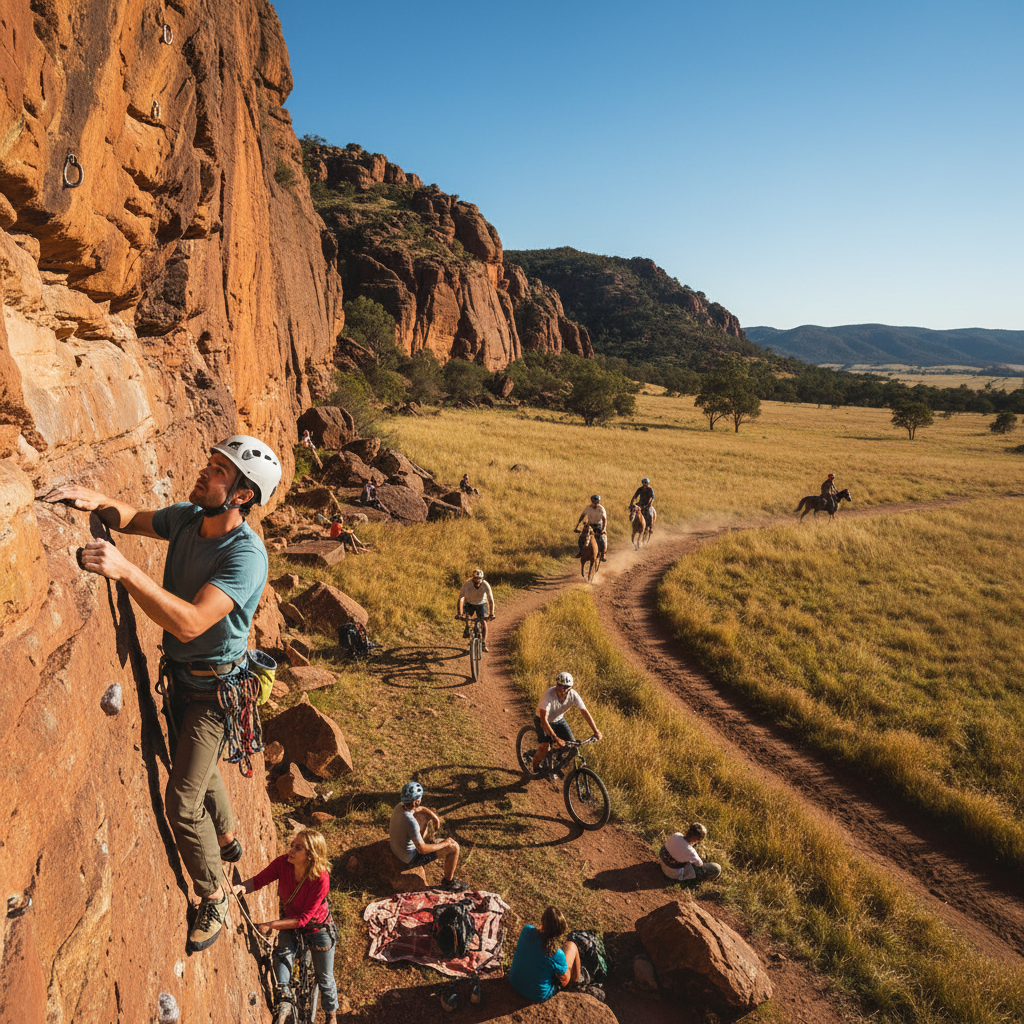
Long Routes in the Sun: Stay Cool, Stay Focused (Helmet Wearers Guide)
Australia. We love it. But let's be honest, the sun here isn't messing around. Long days out on the rock, whether you're tackling multiple pitches or a sprawling multi-sport adventure, mean extended exposure to some serious UV. Staying cool, hydrated, and focused is key to not just enjoying yourself, but staying safe and performing at your best. For helmet wearers, this presents a unique set of challenges.
The Problem: Sun, Heat, and Focus Drain
We've all been there. You're mid-route, the sun is beating down, and the glare is intense. Sweat is stinging your eyes, a dull headache is starting to bloom, and your concentration is shot. Those crucial moves suddenly feel ten times harder, not because of the physical difficulty, but because your body is struggling to cope with the heat and glare.
This isn't just about being uncomfortable. Prolonged heat exposure can lead to heat exhaustion and even heatstroke. Dehydration saps your strength and mental acuity. And relentless glare? It tires your eyes out, making you more prone to mistakes.
Common Objections and Reality Checks:
"I'll just wear a hat under my helmet." Great idea for initial sun protection, but once you start sweating, that hat becomes a soggy, uncomfortable mess that doesn't do much for glare once it's soaked. Plus, it can get bunched up and cause pressure points under your helmet.
"Sunscreen is enough." Essential, yes. Sufficient on its own for long days? No. You'll need to reapply, and doing so on a sweaty, chalked-up face mid-climb is almost impossible. And it does absolutely nothing for glare.
"I'll just tough it out." This is where things get dangerous. Pushing through severe heat exhaustion symptoms puts you at serious risk of heatstroke, a medical emergency. Your performance will plummet long before you feel truly ill, increasing the chance of an accident.
"My helmet is ventilated, I'm fine." Ventilation helps with airflow, but it doesn't block direct UV radiation or significantly reduce glare that bounces off rock and surroundings. You're still exposed.
The Solution: A Multi-pronged Approach for Helmet Wearers
Staying cool and focused on long routes isn't about one magic bullet. It's about a combination of smart preparation, the right gear, and constant awareness.
1. Hydration and Nutrition: Your Internal Cooling System
This is non-negotiable. Start hydrating before you even leave the trailhead. Continue drinking regularly throughout the day, even if you don't feel thirsty. Thirst is a sign you're already behind.
Water is key: Aim for at least a litre every 2-3 hours in hot conditions, more if you're sweating heavily.
Electrolytes matter: Especially on long, hot days, plain water might not be enough. Consider electrolyte tablets or drinks to replace lost salts. This helps prevent cramps and fatigue.
Snack smart: High-energy, easily digestible snacks are your friend. Think trail mix, energy bars, fruit (if it won't get crushed). Avoid heavy, fatty foods that are harder to digest and can make you feel sluggish.
2. Gear: Protecting Your Head and Eyes
This is where our focus on helmet wearers comes in. Your helmet is crucial for safety, but it's not complete protection against the sun's assault on your vision and comfort.
The Added Edge: Helmet Brims
While your helmet provides head protection, it often leaves your face exposed to direct sun and glare. This is where a Products like a dedicated helmet brim makes a significant difference. Designed to attach securely to your existing climbing helmet, these brims extend the shade over your face, significantly reducing glare and direct UV exposure.
Reduced Glare: The extended brim casts a shadow over your eyes, making it easier to see your holds and the route ahead, even in bright conditions. This directly combats eye strain and improves focus.
UV Protection: By blocking direct sunlight from reaching your face and neck, it reduces your cumulative UV exposure, even when wearing sunscreen.
Comfort: Less direct sun on your face means you feel cooler, and less sweat dripping into your eyes means fewer interruptions and less discomfort.
How to Install Your Helmet Brim:
If you're considering a Products, the installation is usually straightforward. We've made it simple so you can get back to climbing.
Step-by-Step Installation Guide:
1. Identify Attachment Points: Locate the designated attachment points on your helmet. These are usually robust slots or clips designed to integrate with accessories.
2. Align the Brim: Position the brim over the front of your helmet, ensuring it aligns correctly with the attachment points.
3. Secure Firmly: Depending on the design, you'll either snap the brim into place, use a locking mechanism, or secure it with fasteners. Ensure it’s snug and doesn't wobble.
4. Test Stability: Gently try to dislodge the brim by pulling or pushing it. It should feel secure and not compromise the helmet's fit or stability.
For specific instructions tailored to your helmet and brim model, always refer to the How to Install guide.
3. Route Planning and Timing
Smart planning can help you avoid the worst of the midday sun.
Check the Forecast: Obvious, but essential. Look beyond just the temperature – consider the UV index for the day and the prevailing wind.
Dawn Patrol/Late Finish: If possible, start early to get the best climbing in before the heat peaks. Alternatively, if the route is still climbable and safe, a later afternoon session might catch the cooling air.
Route Orientation: If you have a choice between routes, consider which faces will be in shadow during the hottest parts of the day. An east-facing route will be in full sun by late morning.
4. Pacing and Breaks
Don't try to maintain race pace on every single pitch, especially when it's hot.
Slow and Steady: Conserve energy. Work on efficient movement rather than brute force.
Strategic Breaks: Use rests at belays or intermediate ledges to rehydrate, refuel, and allow your body to cool down. Seek shade if available.
Staying Cool: A Quick Checklist
Here’s a handy checklist to run through before and during your long days out:
[ ] Hydration Pack/Bottles Filled: Plenty of water, plus an electrolyte option.
[ ] Sunscreen Applied & Packed: High SPF for any exposed skin, and remember to reapply.
[ ] Helmet Brim Attached: Ensure it's securely fitted for maximum shade and glare reduction.
[ ] Lightweight, Breathable Clothing: Choose fabrics that wick sweat and offer UPF protection.
[ ] Hat/Bandana (Optional Liner): For early morning or if you prefer an extra layer under the helmet (ensure it doesn't impede fit).
[ ] Snacks Packed: High-energy, easy-to-eat options.
[ ] Knowledge of Route Conditions: Any known shaded sections or water sources?
[ ] Pacing Plan: How will you manage energy over the long haul?
The Mental Game: Focus Under Pressure
Heat and fatigue are focus killers. By proactively managing your physical comfort, you're also supporting your mental game.
Reduced Distractions: Less sweat in your eyes, less glare, means fewer physical distractions pulling you away from the climb.
Clearer Thinking: When your body isn't overheating, your brain can function better. This means better problem-solving on the wall, better decision-making, and improved risk assessment.
Enjoyment: Let's face it, climbing when you're overheating and squinting is miserable. Staying cool allows you to actually enjoy the experience, which in turn boosts motivation and focus.
Your strategy for long, sunny routes should always prioritise safety. This includes proper hydration, smart gear choices like a helmet brim to manage glare and sun, and awareness of your body's limits.
Frequently Asked Questions:
For more detailed answers on helmet compatibility, brim types, and general sun safety for climbers, check out our FAQ.
Conclusion: Conquer the Sun, Conquer the Route
Long climbing routes in Australia demand respect for the conditions. By being prepared, you can mitigate the harsh effects of the sun and heat. Prioritise hydration, fuel your body, and equip yourself with the right gear, including a helmet brim to reduce glare and UV exposure. This proactive approach ensures you can stay cool, focused, and safe, allowing you to push your limits and truly enjoy the incredible outdoor adventures Australia offers. Don't let the sun dictate your performance or compromise your safety – be prepared, stay cool, and climb on. For more tips and product information, explore our Products and Blog sections.