
How Long Does Your Helmet Brim Actually Last in Australia?
Tired of sunburnt necks and faded visibility? Understand the lifespan of your helmet brim and get practical advice to make it last longer under harsh Australian sun. Includes a guide to essential checks.
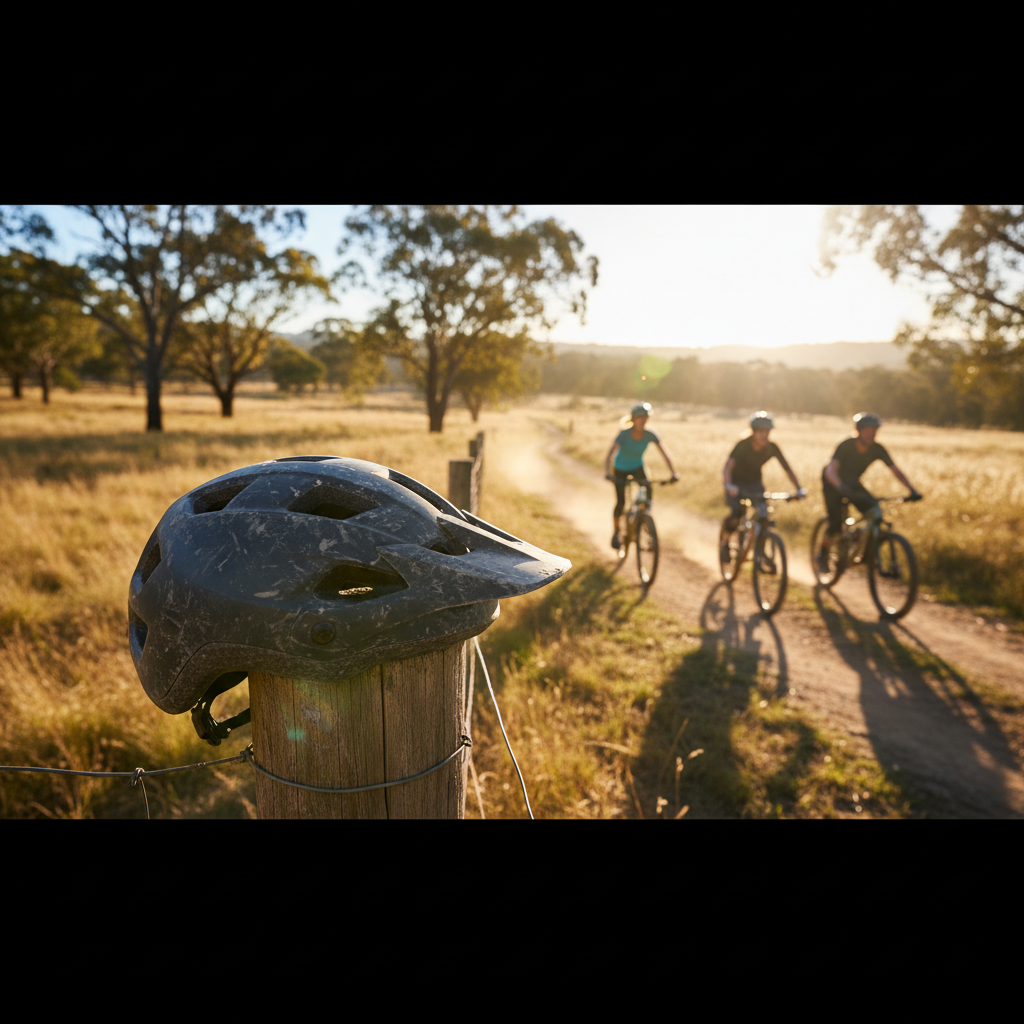
How Long Should Your Helmet Brim Last in the Australian Sun?
Let's cut to the chase. You've invested in a helmet brim – likely because the Australian sun is no joke. You want to know how long this bit of gear is going to serve you before it's time for a replacement. The honest answer? It depends, but we can break down what affects its lifespan and how to get the most out of it.
The Harsh Reality of Australian UV
Australia is famous for its stunning beaches and outdoor lifestyle. It's also notorious for its powerful UV radiation. Even on cloudy days, UV rays can penetrate, leading to premature degradation of materials. Your helmet brim is constantly exposed to this, along with:
Intense Heat: Long, hot days in the Aussie sun can bake plastics and fabrics, making them brittle.
Long Exposure Hours: Whether you're on a construction site, cycling, farming, or just out enjoying nature, your brim is likely exposed for extended periods.
Physical Stress: Bumps, scrapes, and even just the repeated action of attaching and detaching the brim can wear it down.
So, while a definitive 'X years' is impossible to give, we can talk about factors influencing its durability and signs that it's time for a change.
What is a Helmet Brim Made Of?
Most helmet brims, including the popular DA BRIM, are made from durable, UV-resistant plastics. These are designed to withstand the elements, but nothing is invincible, especially under the relentless Australian UV index. The fabric elements, if present, will also be subject to fading and weakening over time.
Factors Affecting Your Helmet Brim's Lifespan
Here’s what truly dictates how long your brim will last:
1. Frequency of Use: The more you use it, the more exposure it gets. A brim worn daily for outdoor work will degrade faster than one used for occasional weekend hikes.
2. Storage: Where do you chuck your helmet after use? If it's stuffed in the back of a dusty ute or left baking in direct sunlight, its lifespan will be significantly reduced. Proper storage out of direct UV is crucial.
3. Environmental Conditions: Living in a tropical north Queensland heatwave is different to the southern coast. Extreme heat and high humidity will accelerate material breakdown. Even abrasive dust and sand can act like fine sandpaper.
4. Maintenance: A little care goes a long way. Cleaning your brim and checking it for damage can prevent small issues from becoming major problems.
5. Quality of the Brim: Not all brims are created equal. Higher-quality materials and construction, like those found in our Products, are engineered for better durability against the elements.
So, How Long Should it Last?
As a rough guide in Australian conditions, you can expect a high-quality helmet brim to provide effective sun protection for 1-3 years of regular, daily use. For lighter or less frequent use, it could last much longer.
However, this is not a hard and fast rule. Some users might get more, and others might need a replacement sooner. The key is not to rely on an arbitrary date, but to monitor the condition of the brim itself.
Signs It's Time for a New Helmet Brim
This is the crucial part. Don't wait for your brim to fail completely. Keep an eye out for these indicators:
Visible Cracking or Brittleness: If the plastic feels stiff, brittle, or you start seeing small cracks, especially around attachment points, it's lost structural integrity.
Significant Fading: While some fading is normal due to UV exposure, extreme fading can indicate the protective coatings are gone and the material is weakening.
Deterioration of Attachment Points: If the clips, straps, or Velcro that attach the brim to your helmet are worn, frayed, or damaged, the brim won't stay put.
Loss of Shape: If the brim is bent, warped, or no longer sits correctly on your helmet, it might not be providing optimal shade. This can happen from improper storage or too much stress.
Compromised Shade: The whole point is shade. If you notice areas where the shade is no longer effectively covering you, or the brim has become too flexible and droops, it's not doing its job.
Your Essential Helmet Brim Health Checklist
Make this a part of your routine. Check your brim monthly:
[ ] Visual Inspection: Look for cracks, splitting, or significant discolouration.
[ ] Flex Test: Gently bend the brim to feel for brittleness. It should have some flexibility, not snap or feel like it will shatter.
[ ] Attachment Check: Ensure all clips, straps, or Velcro are securely fastened and undamaged.
[ ] Integrity of Shade: Does it still hold its shape and provide adequate coverage?
Extending the Life of Your Helmet Brim
Want to squeeze every last bit of life out of your current brim? Follow these tips:
1. Store it Properly: When not in use, store your helmet (with the brim attached or detached, depending on your preference and storage space) in a cool, dry place, away from direct sunlight. A helmet bag or a cupboard is ideal.
2. Clean Gently: A simple wipe-down with a damp cloth is usually sufficient. Avoid harsh chemicals or abrasive cleaners, as these can degrade the plastic.
3. Handle with Care: Don't toss your helmet around. Be mindful when attaching and detaching the brim. If it's a tight fit, don't force it.
4. Avoid Extreme Heat (When Stored): Don't leave your helmet and brim sitting on a dashboard or in a hot car for days on end. The heat will do a number on the materials.
Replacing Your DA BRIM: A Simple Process
Unfortunately, even with the best care, materials will eventually degrade. When you notice those signs of wear and tear, it's time for a replacement. Our DA BRIMs are designed for easy installation. If you need a reminder or are fitting one for the first time, check out our guide on How to Install.
Table: Quick Comparison of Brim Longevity Factors
| Factor | Impact on Lifespan | How to Mitigate | Recommendation |
|---|---|---|---|
| UV Exposure | High (accelerates breakdown) | Store out of sun, use quality UV-resistant | Replace when signs of degradation appear |
| Heat | High (makes brittle) | Store in cool place, avoid car dashboards | Regular inspection for cracking |
| Physical Stress | Moderate (cracks, warp) | Handle with care, avoid rough storage | Check attachment points regularly |
| Maintenance | Low-Moderate (prevents issues) | Gentle cleaning, avoid harsh chemicals | Keep clean, report any damage immediately |
| Storage | High (prevents degradation) | Cool, dry, out of direct sunlight | Invest in a helmet bag if needed |
Frequently Asked Questions
We get asked about brim lifespan often. For more detailed answers to common queries, visit our FAQ page.
Conclusion: Protection is an Ongoing Commitment
Your helmet brim is a vital piece of safety gear, especially under the intense Australian sun. While they are built tough, they aren't indestructible. By understanding the factors that affect their lifespan and performing regular checks, you'll know exactly when it's time to invest in a new one. Don't compromise on your sun protection. Browse our range of durable brims at Products and keep yourself protected, day after day.
For more tips and updates, follow our Blog and stay ahead of the curve on gear and safety.