
How Long Does a Helmet Brim Really Last? Your Australian UV Survival Guide
Tired of flimsy helmet brims? Learn how long a quality brim should last under harsh Australian sun, what to look for, and when it's time for a replacement. Protect your face and neck.
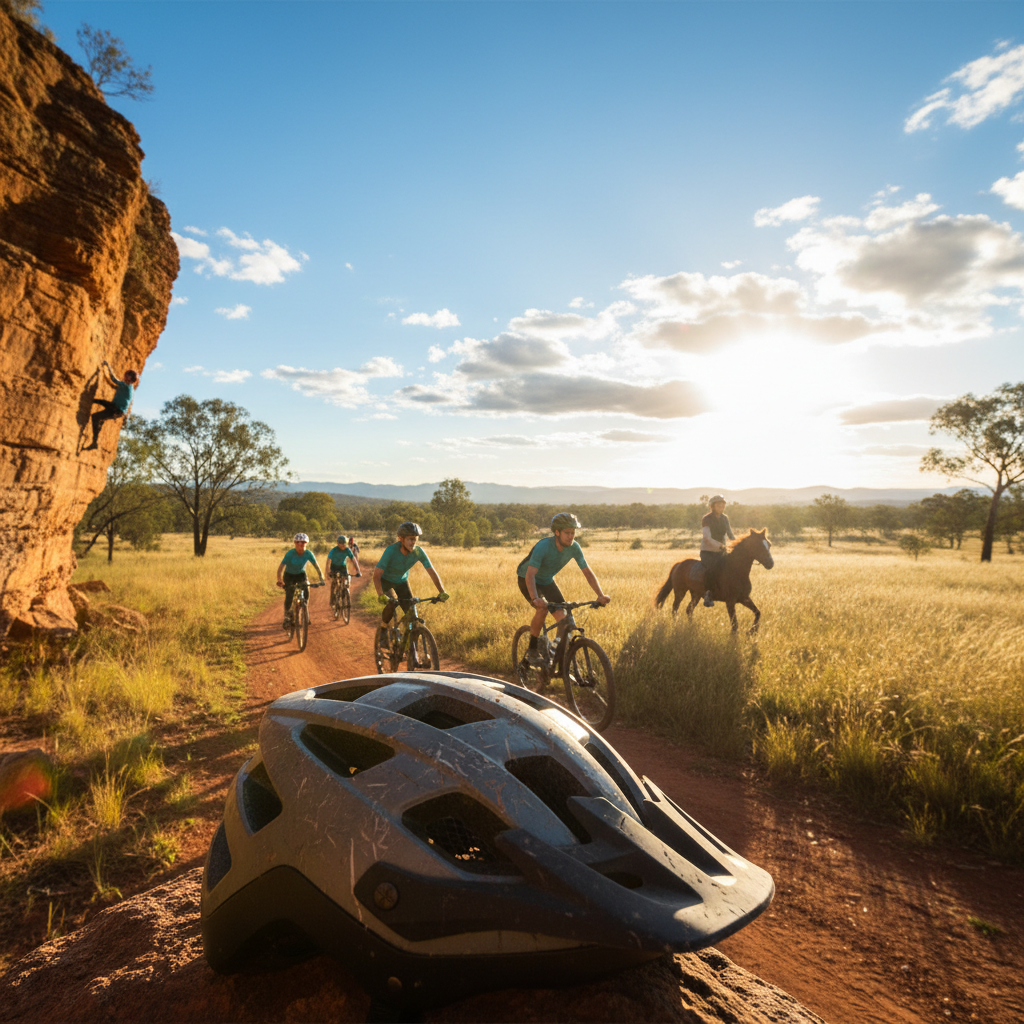
How Long Does a Helmet Brim Really Last? Your Australian UV Survival Guide
You’ve invested in a helmet for safety. But what about protecting your face and neck from the relentless Australian sun? That’s where a helmet brim comes in. It’s your personal, portable shade. But how long can you expect one to last, especially Down Under where the UV index can climb faster than a kangaroo out of a dusty paddock?
Let’s cut to the chase. There’s no single magic number for how long a helmet brim should last. It’s like asking how long a pair of sunglasses lasts – it depends on how you treat it and the conditions it faces. However, we can give you a realistic picture of what to expect and how to maximise its lifespan.
Why Bother With a Helmet Brim in Australia?
Australia. Beautiful country, brutal sun. Our UV levels are among the highest in the world. Long days spent outdoors, whether you're working, cycling, hiking, or on a farm, mean serious exposure. A standard helmet offers head protection, but often leaves your face, ears, and neck vulnerable to sunburn, premature ageing, and potentially skin cancer. A good helmet brim acts as an extended shield, blocking those damaging rays before they hit your skin.
Factors Affecting Helmet Brim Lifespan
Several key factors dictate how long your helmet brim will remain effective and intact:
Material Quality: Not all brims are created equal. High-density UV-resistant plastics will naturally outlast cheaper, more brittle alternatives. Look for materials designed to withstand UV degradation.
UV Exposure: This is the big one in Australia. Constant battering from intense UV rays will, over time, break down the polymer chains in plastics, making them brittle and faded. The higher the UV index, the faster this process occurs.
Physical Wear and Tear: Dropping your helmet, scraping it against surfaces, or even habitually storing it in a way that stresses the brim can shorten its life.
Environmental Conditions: Extreme heat, salt spray (if you're near the coast), and exposure to certain chemicals can also accelerate material breakdown.
Frequency of Use: A helmet brim used daily for 10 hours will naturally wear out faster than one used for an hour a week.
Realistic Lifespan Expectations
Considering the harsh Australian environment, a quality helmet brim, made from durable, UV-resistant materials and properly maintained, should reasonably last anywhere from 1 to 3 years of regular, demanding use.
Lower End (1-2 years): This is more likely if you’re constantly working outdoors in direct sunlight with limited shade, using your helmet daily for extended periods, and perhaps not storing it with the utmost care. The sun’s relentless assault in places like the Outback or during peak summer can really take its toll.
Higher End (2-3+ years): You can expect longer life if your usage is less intense, you take steps to protect it when not in use (like storing it out of direct sun), and you choose a brim specifically designed for rugged conditions. Even then, degradation is inevitable.
Important Note: This is for functional lifespan. While a brim might look okay, its UV-blocking capabilities can diminish significantly before it visibly cracks or breaks. If you notice it becoming faded, chalky, or simply less effective at providing shade, it's likely time for a replacement, even if it hasn't physically failed.
Signs Your Helmet Brim Needs Replacing
Don't wait for disaster. Keep an eye out for these tell-tale signs:
Visible Fading or Discolouration: Especially if it's uneven, indicating parts have been more exposed.
Chalky Appearance: UV radiation breaks down the plastic, leaving a powdery residue.
Brittleness: The brim might feel stiff and less flexible than it used to. Try a gentle flex; if it feels like it might snap, it’s on its way out.
Cracks or Splits: This is obvious damage. Even small cracks can compromise structural integrity and UV protection.
Warping: The brim might lose its shape, affecting how well it shades your face.
Reduced Shade Coverage: If you feel more sun on your face than you used to, the material might have degraded, or the brim’s design has subtly shifted.
How to Extend the Life of Your Helmet Brim
Want to get the most out of your investment? Follow these practical tips:
1. Choose Wisely: Opt for brims made from high-quality, UV-stabilised polymers. Brands that focus on outdoor durability often use better materials. Check out our range of Products designed for the Australian climate.
2. Store Smart: When not in use, store your helmet and brim out of direct sunlight. A shed, the inside of your vehicle (if not parked in direct sun), or a helmet bag works well. This is crucial for preventing constant UV bombardment.
3. Clean Gently: Use mild soap and water to clean. Avoid harsh chemicals, solvents, or abrasive scrubbers that can damage the plastic.
4. Inspect Regularly: Make it a habit to check your brim for any of the signs of wear mentioned above. Early detection means you can replace it before it fails completely.
5. Handle with Care: Avoid dropping your helmet unnecessarily. While helmets are designed to withstand impact, repeated rough handling of the brim can weaken it.
Table: Wear Indicators
| Indicator | Description | Action Required |
|---|---|---|
| Fading/Discolouration | Plastic loses original colour, becomes pale/chalky | Inspect, Consider Replacement |
| Brittleness | Material feels stiff, prone to snapping | Inspect, Replace Soon |
| Cracks/Splits | Visible fractures in the brim material | IMMEDIATE REPLACEMENT |
| Warping | Brim loses its intended shape | Inspect, Replace Soon |
| Reduced Shade | Noticeable increase in sun on face/neck | Inspect, Consider Replacement |
Installing Your New Brim: A Quick Guide
When it’s time for a replacement, fitting a new brim is usually straightforward. Our brims are designed for easy installation. For detailed instructions specific to your model, please refer to our How to Install guide. Generally, it involves simply clipping or screwing the new brim into place – no special tools needed for most.
Your Sun Safety Checklist
[ ] I know the approximate UV index for my area today.
[ ] My helmet brim is showing signs of wear (fading, brittleness, cracks).
[ ] I store my helmet out of direct sunlight when not in use.
[ ] I have a replacement brim ready or know where to get one.
[ ] I regularly check my brim for damage.
Common Questions About Helmet Brim Longevity
Q: My brim is only a year old but looks really faded. Is it still protecting me?
A: Fading is a strong indicator of UV degradation. While it might still offer some physical barrier, its UV-blocking efficiency is likely compromised. It’s wise to consider replacing it, especially given our high UV levels. Better safe than sorry. For more on this, visit our FAQ.
Q: Can I use any helmet brim with my helmet?
A: Not all helmets and brims are universally compatible. Our Products are designed to fit a range of popular helmet styles, but always check compatibility if you're using a non-standard helmet or brim. Our FAQ page has more details on fitment.
Q: Will extreme heat damage my brim faster than UV?
A: Extreme heat exacerbates UV damage. High temperatures can make plastics more susceptible to UV breakdown and can also cause them to soften and potentially warp if left in intense, direct sun for prolonged periods. The combination is tough on materials.
Q: What's the best way to clean my helmet brim?
A: A soft cloth with mild soap and cool or lukewarm water is best. Rinse thoroughly and let it air dry away from direct sun. Avoid abrasive cleaners or solvents.
Conclusion: Invest in Your Skin, Invest in Quality
Your helmet brim isn't just an accessory; it's a vital piece of sun protection gear in Australia. While a quality brim should offer reliable service for a decent period, understanding its limitations and the factors that affect its lifespan is key. By choosing durable materials, maintaining your brim, and knowing when it's time for a replacement, you're making a smart investment in your long-term health and comfort under our powerful sun. Don't let a worn-out brim leave you exposed. Keep an eye on it, and stay shaded.
For more tips and product information, explore our Blog or browse our selection of durable helmet brims at Products.