
Horse Riding Sun Protection: What Most Riders Forget
Australian sun is brutal. Horse riders, in particular, face unique sun exposure challenges. We cut through the common assumptions to give you practical, no-nonsense sun protection advice. You need more than just sunscreen.
Horse Riding Sun Protection: What Most Riders Forget
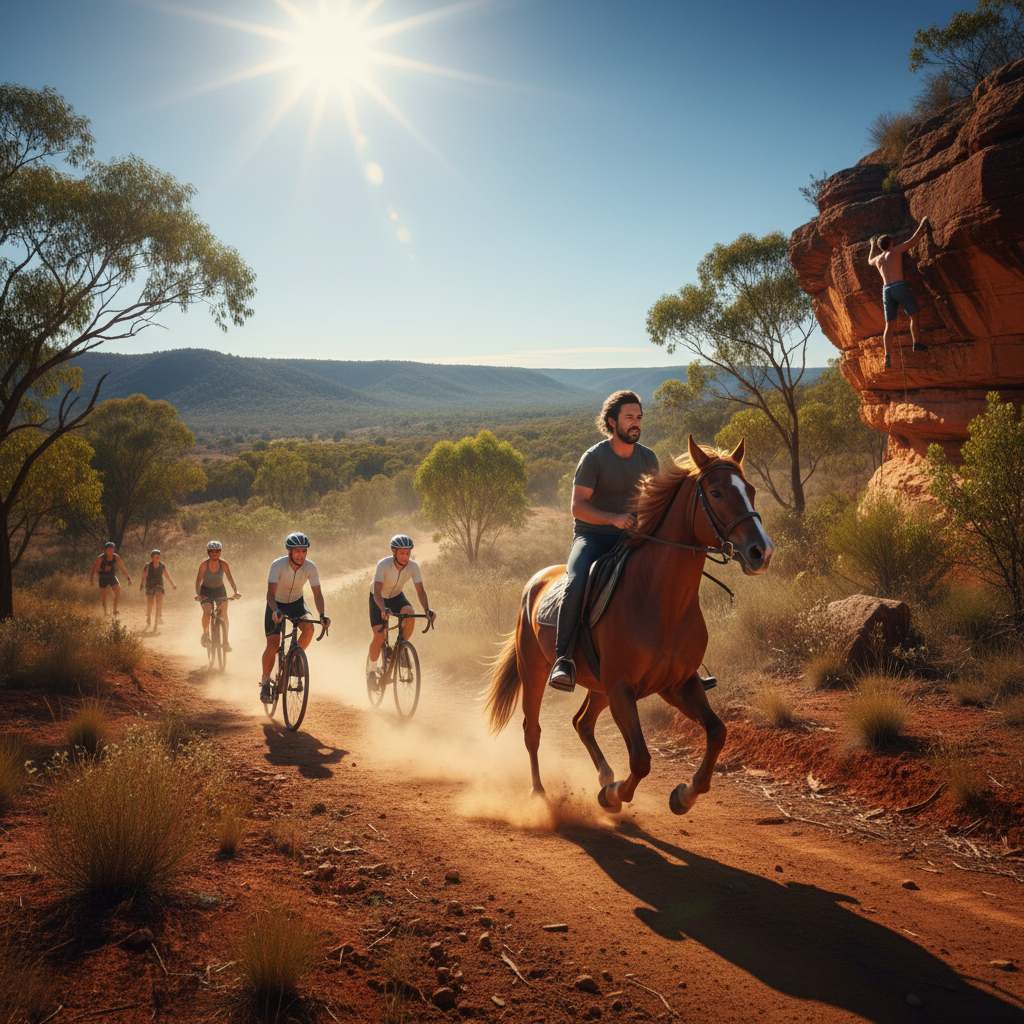
Let's be honest. Australia's sun is a beast. We all know it. We’ve all felt the burn. But as horse riders, we’re a bit different. We’re often out in the prime sun hours, sometimes for extended periods. And while many of us slap on sunscreen (good start!), we often miss crucial elements of sun protection. This isn't about being dramatic; it's about practical, no-fluff advice to keep you safe and comfortable, whether you’re in the arena, on a trail, or just mucking out stables.
The Real Risks for Riders
Most Australians understand the basics of sun safety. But horse riding adds layers of complexity:
Extended Exposure: A quick hack can turn into a longer ride. Lessons can go for an hour or more. Competitions can take all day. You're not just exposed for a few minutes at a time.
Reflection: Sun reflects off sand, water, and even the light-coloured coats of some horses. This doubles your exposure.
Head & Neck Vulnerability: Your head, face, and neck are prime targets. They’re exposed most directly to the sun’s rays, especially when you’re looking forward.
Heatstroke: It's not just about sunburn. Australia's heat can be intense. Prolonged exposure, especially with the physical exertion of riding, can lead to heatstroke. Dehydration is a major factor here, and it's exacerbated by sweating under gear.
UV Index: We often see the UV index warnings. Here in Australia, it frequently hits dangerous levels (6 and above) even on cooler days. This means skin damage and increased cancer risk are very real concerns.
What Most People Get Wrong (And What to Do About It)
This is where we get practical. If you think sunscreen is the only answer, you’re likely undershooting your protection.
1. The Helmet Problem: The Gap in Protection
Your helmet is essential for safety, and that’s non-negotiable. But most equestrian helmets offer zero sun protection for your face, ears, and neck. The peak on a standard riding helmet is usually tiny, offering only marginal shade. You’re still exposed.
Objection: “I wear a helmet, isn’t that enough?”
Reality: No. The helmet protects your head from impact. It does very little for your skin from UV radiation and glare. Think about it: the sun hits you from the sides and front, and that small peak barely covers your eyes.
The Solution: You need additional sun protection for your face, ears, and neck. We’ll get to that. For now, ensure your helmet fits correctly and is approved for equestrian use.
2. Sunscreen: Essential, But Not Enough
Sunscreen is a vital part of the puzzle. But here’s what riders often overlook:
Application Time: You need to apply it at least 20 minutes before sun exposure to let it soak in and be most effective.
Reapplication: Sweating, horseback riding, and even wind can rub sunscreen off. You need to reapply every two hours, and more frequently if you’re sweating heavily or swimming.
Coverage: Did you get your ears? The back of your neck? The tops of your feet if you’re in open shoes? Those little forgotten spots are where burns start.
SPF Level: Aim for SPF 30 or higher, broad-spectrum (protects against UVA and UVB rays).
Objection: “I put on sunscreen, I’m covered.”
Reality: Sunscreen is great, but it wears off, and it’s hard to get perfect coverage every single time, especially when you're busy getting ready for a ride.
The Solution: Use a high SPF, broad-spectrum sunscreen, but also employ other protective measures. Make it a habit to reapply at morning tea breaks or before an afternoon session. Keep a travel-sized tube in your gear bag.
3. Clothing: The Overlooked Armour
Clothing is one of the most effective forms of sun protection when chosen wisely.
Fabric Type: Tightly woven fabrics offer better protection than loosely woven ones. Lighter colours tend to reflect heat better, but darker or brighter colours can sometimes offer higher UPF (Ultraviolet Protection Factor) ratings. Look for clothing with a UPF rating.
Coverage: Long sleeves and long pants are your best bet. Many riders opt for short sleeves and shorts in the heat to stay cool, but this dramatically increases exposed skin. Think about lightweight, breathable fabrics.
Objection: “Long sleeves and pants are too hot to ride in Australia.”
Reality: You can find lightweight, breathable, moisture-wicking fabrics designed for hot weather. Think of athletic wear or specific riding apparel made from materials like bamboo or specific synthetics. They can be far cooler and offer much more protection than you might think.
The Solution: Invest in riding-appropriate long-sleeved shirts and long pants made from UPF-rated, breathable fabrics. Consider lightweight riding tights or breeches designed for summer. For your arms, consider loose-fitting shirts that allow airflow.
4. Eye Protection: Beyond Sunglasses
Standard sunglasses are good, but they don’t always protect your eyes and the delicate skin around them from the sun's angle when riding.
Glare: The constant glare off dust, sand, and light colours can cause eye strain and headaches.
UV Damage: Prolonged UV exposure to your eyes can increase the risk of cataracts.
Objection: “I wear sunglasses, it’s fine.”
Reality: Sunglasses can slip, get dusty, or leave gaps where the sun can still hit your eyes and the sides of your face.
The Solution: Consider riding-specific sunglasses or even a helmet with an integrated visor (though these can have their own limitations with helmet integrity). Ensure your sunglasses offer 100% UV protection and a good wrap-around fit.
5. Hydration: The Engine of Your Body
Dehydration is a serious risk, especially when combined with sun exposure and the physical demands of riding.
Sweat Loss: You sweat a lot when riding, and even more under the Australian sun. You need to replace fluids lost.
Heatstroke Symptoms: Dizziness, nausea, headache, and confusion are signs of heatstroke, which can be life-threatening. Dehydration is a major contributing factor.
Objection: “I drink water when I’m thirsty.”
Reality: By the time you feel thirsty, you’re already starting to dehydrate. This is especially true when you’re physically active and in hot conditions.
The Solution: Sip water consistently throughout the day, not just when you’re riding. Carry a water bottle with you (e.g., in a saddlebag or strapped to your person). Electrolyte drinks can also be beneficial for longer or more strenuous rides. Aim to drink water before, during, and after your ride.
Your Sun Protection Checklist for Riders
Here’s a practical breakdown to ensure you’re not missing anything. Print this out or save it on your phone.
[ ] Helmet: Always worn, correctly fitted and approved.
[ ] Face & Neck Sunscreen: High SPF (30+), broad-spectrum. Applied 20 mins before exposure.
[ ] Body Sunscreen: For any exposed skin (e.g., hands, lower legs if wearing shorts).
[ ] Protective Headwear (Under/Over Helmet): Consider caps or full-coverage hats that can be worn under or adapted for helmets for extra shade. Look into external shading solutions for helmets – there are products designed for this. (See Products page).
[ ] Protective Clothing: Lightweight, UPF-rated long-sleeved shirt and long pants/tights.
[ ] Sun-Safe Footwear: Close-toed shoes or boots.
[ ] Eye Protection: Sunglasses offering 100% UV protection, wide-brimmed hat for when helmet is off.
[ ] Hydration: Water bottle readily available; sip consistently.
[ ] Reapplication Schedule: Set reminders to reapply sunscreen.
Adding That Extra Layer of Protection: Helmet Brims
We've mentioned that standard helmet peaks are often inadequate. This is a common oversight. The solution many riders are turning to is an add-on helmet brim. These are designed to attach directly to your existing helmet, significantly increasing the shade for your face, ears, and neck.
They’re practical because:
Easy to Install: Most attach with simple clips or Velcro. Check out our guide on How to Install.
Customisable: You can choose the brim size and shape that best suits your needs.
Cost-Effective: Often cheaper than a whole new helmet.
Dedicated Protection: They are designed to block the sun, unlike the small peak of a regular helmet which is primarily for aesthetics or minor debris deflection.
Consider this: You spend a lot on your horse, your tack, and your riding gear. Don't let inadequate sun protection be the weak link.
How to Choose and Use an Add-on Brim
1. Check Compatibility: Ensure the brim is designed to fit your type of helmet. Some are universal, others are model-specific. Look at Products for options.
2. Consider Brim Size: Do you want maximum shade for your face, or something more minimalistic? Wider brims offer more protection but can sometimes catch the wind.
3. Secure Attachment: Make sure the brim attaches securely so it doesn't fly off during a ride.
4. Positioning: Adjust it for optimal forward vision while providing the most shade.
5. Maintenance: Keep it clean like any other piece of gear.
Beyond the Ride: Sun Protection Isn’t Just For Riding Time
Remember, the sun exposure doesn't stop when you dismount. Mucking out, grooming, and general stable chores are often done in strong sunlight too. Keep a broad-brimmed hat handy for these times when you’re not wearing your helmet.
Frequently Asked Questions
Some common concerns about sun protection for riders are addressed here:
Can I wear a hat under my helmet for sun protection?
Generally, no. Most riding helmets are designed to fit snugly and safely on their own. Adding a thick layer can compromise the helmet’s fit and its ability to protect you in a fall. Thin, form-fitting caps might be permissible but always check your helmet manufacturer's guidelines or ask your local saddlery. A better solution is an add-on brim that attaches to the helmet itself.
What about my horse's sun protection?
Horses need protection too! Fly masks with UV protection can shield their eyes and faces from sunburn and sun bleaching. If your horse has a light coat or pink skin, they may need sunscreen applied to sensitive areas like the muzzle and around the eyes.
- How do I know if my sunscreen is still effective?
For more detailed answers, visit our FAQ page.
Conclusion: Protect Yourself, Enjoy Your Ride
As Australian equestrians, we’re blessed with amazing riding opportunities year-round. But we need to be smart about the sun. Sun protection isn’t just about avoiding a painful sunburn; it’s about long-term skin health and preventing serious conditions like skin cancer. By combining sunscreen, protective clothing, appropriate eyewear, consistent hydration, and dedicated helmet sunshades, you can significantly reduce your risk and ride more comfortably.
Don't let the sun catch you unprepared. Explore our range of sun protection solutions on the Products page and equip yourself properly. For more tips and insights, check out our Blog.
Ride safe, ride sun-smart.