
Horse Riding Sun Protection: What Most Riders Forget
Don't let the sun sideline your riding. We break down the essential sun protection strategies for Australian horse riders, focusing on what's often overlooked – especially when wearing a helmet.
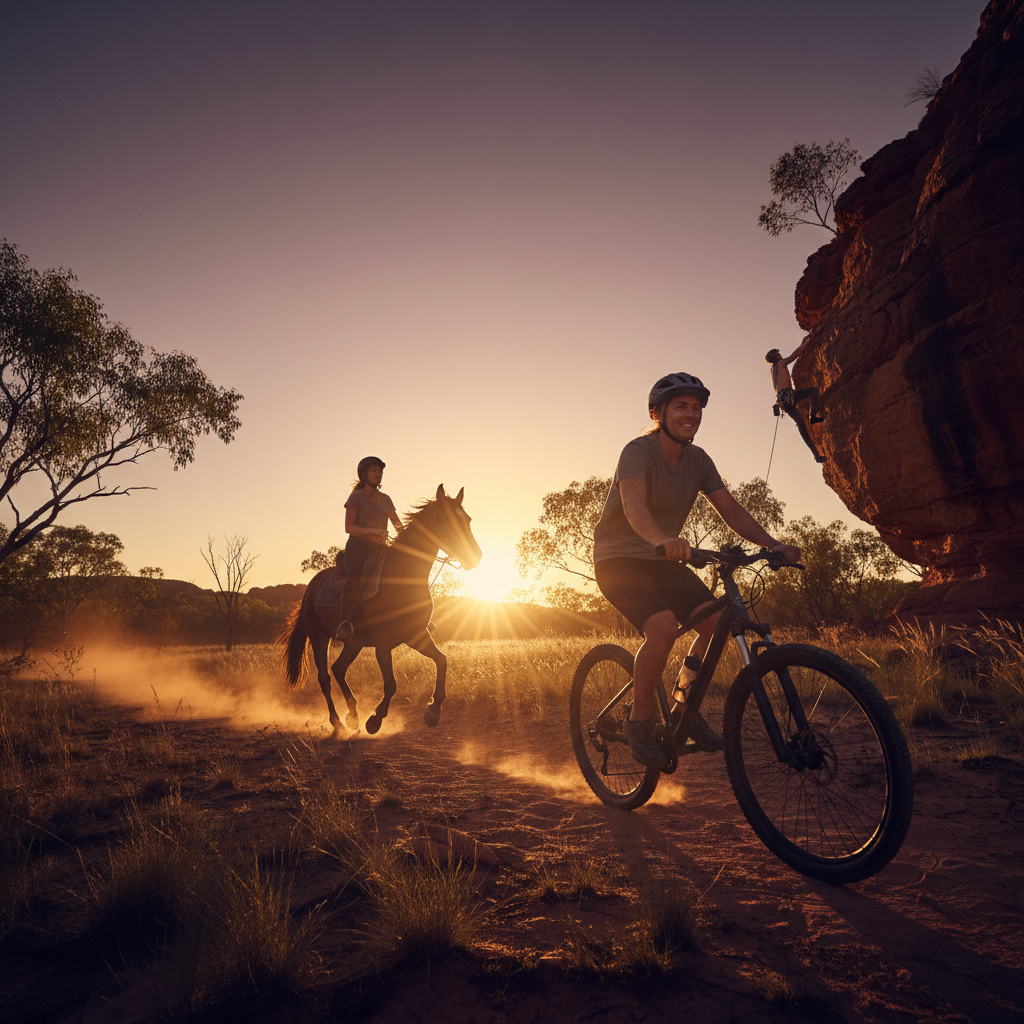
Horse Riding Sun Protection: What Most Riders Forget
Australia. We love it. The wide-open spaces, the incredible connection with our horses, and the thrill of a good ride. But let's be honest, we also live under a relentless sun. And when you're in the saddle, especially for extended periods, your sun protection strategy needs to be more than just an afterthought.
Most riders think about sunscreen and maybe a hat before they get on. But what happens once the helmet goes on? That's where things often fall apart, and where most of us miss critical steps in protecting ourselves from our harsh Australian conditions. Let's get practical. No fluff, just what you need to know.
The Helmet Conundrum: More Than Just Protection
Your riding helmet is a vital piece of safety gear. It protects your brain. But ironically, its very design can create blind spots for sun protection. Think about it:
Limited Coverage: Most helmets offer no brim, leaving your face, neck, and ears exposed to direct UV radiation.
Heat Trapping: Helmets can trap heat, making you feel hotter and potentially leading to dehydration, which is exacerbated by sun exposure.
The 'Gap' Problem: Even with sunscreen, sweat can run into your eyes, and reapplication becomes a hassle, often forgotten mid-ride.
Australian Sun: It's No Joke
Here in Australia, we're not messing around with UV. Our UV index can rocket into the 'extreme' category daily, especially during warmer months and in regional areas. Long riding days, often starting early and finishing late, mean hours spent under this direct, harmful radiation. Even on cloudy days, UV rays can penetrate, so you’re not safe just because the sun isn’t blazing.
Cumulative sun exposure leads to premature aging, sunspots, and, most critically, an increased risk of skin cancer. For horse riders, this is a significant occupational hazard, whether you ride for pleasure or professionally.
What Most Riders Miss: The Everyday Oversights
Beyond the obvious need for sunscreen, here's where common sense often takes a backseat for riders:
1. The Ears and Neck: These areas are incredibly vulnerable. Sunscreen can be washed off by sweat, and hats worn under helmets often don't provide adequate coverage or are impractical.
2. The Marginalised Zones: The area just below your helmet line, your hairline, and the back of your neck are prime targets. These need deliberate protection.
3. Reapplication Strategy: Sunscreen needs to be reapplied every two hours, or more often if sweating heavily. How many of us actually stop mid-ride, take off our helmet, and reapply properly? Rarely.
4. Eye Protection: While not direct skin protection, prolonged UV exposure to the eyes can cause cataracts. Sunglasses are essential, but what about when you're focused on your horse?
5. Hydration (Sun-Induced): Riding in the heat, compounded by sun exposure, rapidly dehydrates you. This makes your skin more susceptible and can lead to heatstroke. Often, people underestimate how much fluid they lose specifically because of the sun's intensity combined with physical exertion.
Practical Sun Protection Strategies for Horse Riders
Let's talk solutions that actually work in the real world of horse riding.
1. The Underrated Essential: A Wide-Brimmed Helmet Attachment
This is the game-changer most riders haven't adopted. Think of it as extending your helmet's protective capabilities. A good quality brim attachment, designed to fit securely onto your existing helmet, offers:
Superior Facial Coverage: Blocks sun from your face, nose, and cheeks.
Neck Protection: Many are designed to extend down to cover the back of your neck.
Ear Coverage: Significantly reduces exposure to your ears.
Reduced Glare: Helps you see better, improving your focus and safety.
These attachments are lightweight and designed not to compromise your helmet's safety standards. They’re an investment in your long-term health and riding comfort. You can explore options on our Products page.
2. Strategic Sunscreen Application
It's not just about slapping it on. Do it diligently before you even tack up. Don't forget:
Ears: Every single time.
Neck: The entire nape.
Hairline: Even if you think your helmet covers it.
Lips: Use a lip balm with SPF.
Since reapplication mid-ride is unlikely for most, focus on a high SPF (50+) and a broad-spectrum formula that lasts. Look for sweat-resistant options. We have some recommended products on our Products page.
3. Protective Clothing
Long sleeves and trousers aren't just for show or insect protection. They're your first line of defence.
Fabric Matters: Opt for lightweight, breathable, UPF (Ultraviolet Protection Factor) rated fabric. This is far more effective than standard cotton.
Coverage is Key: Ensure your sleeves go past your wrists and your trousers cover your ankles. Many riders wear long socks, which is excellent for their lower legs.
4. Eye Protection
| Item | Why it's Important |
|---|---|
| Sunglasses | Blocks UV rays from reaching your eyes. |
| Wide Brim | Reduces glare, preventing squinting and eye strain. |
Consider sunglasses that wrap around and fit snugly. This prevents UV ingress from the sides.
5. Hydration and Cooling
This is non-negotiable in Australia.
Constant Sipping: Carry water with you and drink regularly, even if you don't feel thirsty. Electrolyte drinks can be beneficial on very hot or long rides.
Cooling Bandanas/Towels: Wearing a damp, cooling bandana around your neck (under your helmet if possible, or tucked into your shirt collar) can significantly help regulate body temperature.
When is the Sun Most Dangerous?
In Australia, the peak UV hours are generally between 10 am and 3 pm. While you might ride outside these hours, the sun's intensity is still high enough to cause damage. Always check your local UV forecast – it's a crucial part of planning your ride.
How to Maximize Your Sun Protection While Riding
Let’s break down the practical steps.
Step-by-Step Sun Protection Routine:
1. Pre-Ride Application: At least 20 minutes before going outside, apply a generous amount of broad-spectrum, high SPF (50+) sunscreen to all exposed skin. Do not forget ears, neck, hairline, and lips.
2. Don Your Protective Gear:
Wear UPF-rated long-sleeved shirts and trousers.
Put on your UV-protective sunglasses.
If using a helmet brim, attach it securely now. Check our How to Install guide for simple instructions.
3. Helmet On: Ensure your helmet fits correctly and is comfortable.
4. Hydration Check: Make sure your water bottle is full and accessible.
5. During the Ride:
Sip water frequently.
If riding for over two hours, consider taking a short break in the shade to reapply sunscreen if your protection is wearing off (this is where a helmet brim makes life easier).
Be mindful of glare and adjust your riding position or use your brim for better visibility.
6. Post-Ride Care: While not direct sun protection while riding, rinsing off sweat and applying a moisturiser can help skin recovery.
Common Rider Objections and How to Handle Them
"It's too hot to wear more layers."
Reality: Modern UPF fabrics are lightweight and breathable. The discomfort of heat is temporary; the damage from sun exposure is cumulative and permanent. Heatstroke is a real risk – protecting your skin helps regulate body temperature.
"A brim will get caught on things."
Reality: Our helmet brims are designed to be flexible and secure. They're engineered to mitigate snagging risks and won't compromise your helmet's primary safety function. They are made to withstand typical equestrian environments. Check our FAQ for details on design and safety.
"I just don't have time for all that."
Reality: Sun damage doesn't take a break. The few extra minutes you spend on sun protection now can save you significant health problems and expensive medical treatment down the track. Think of it as essential maintenance for your most important riding partner – yourself.
"My helmet already has vents."
Reality: Vents are for cooling, not UV protection. They do nothing to block the sun's harmful rays that hit your face, ears, and neck. A brim is an addition, not a replacement for helmet ventilation.
The Checklist: Your Sun Safety Defence
Before every ride, run through this quick mental checklist:
[ ] Sunscreen applied liberally (face, ears, neck, lips, hairline)?
[ ] UPF rated long sleeves and trousers worn?
[ ] Sunglasses with UV protection on?
[ ] Helmet brim attached securely (if applicable)?
[ ] Water bottle is full and accessible?
- [ ] UV index checked for the day?
It's About More Than Just a Tan
Protecting yourself from the sun isn't about avoiding a tan; it's about preserving your health and your ability to enjoy riding for years to come. Australian conditions demand a proactive approach. Don't let overlooked details leave you vulnerable. Investing in proper sun protection, especially solutions that work with your helmet, is a practical and essential step for every rider.
Explore our range of Products designed specifically for equestrian sun safety, and make sure your next ride is as safe as it is enjoyable. For more tips and common questions, visit our Blog and FAQ pages.