
Helmet vs Sunburn: Staying Safe and Protected in the Australian Saddle
Riding in Australia means battling the sun. This guide cuts through the confusion to help you protect your skin while keeping your head safe under your helmet.
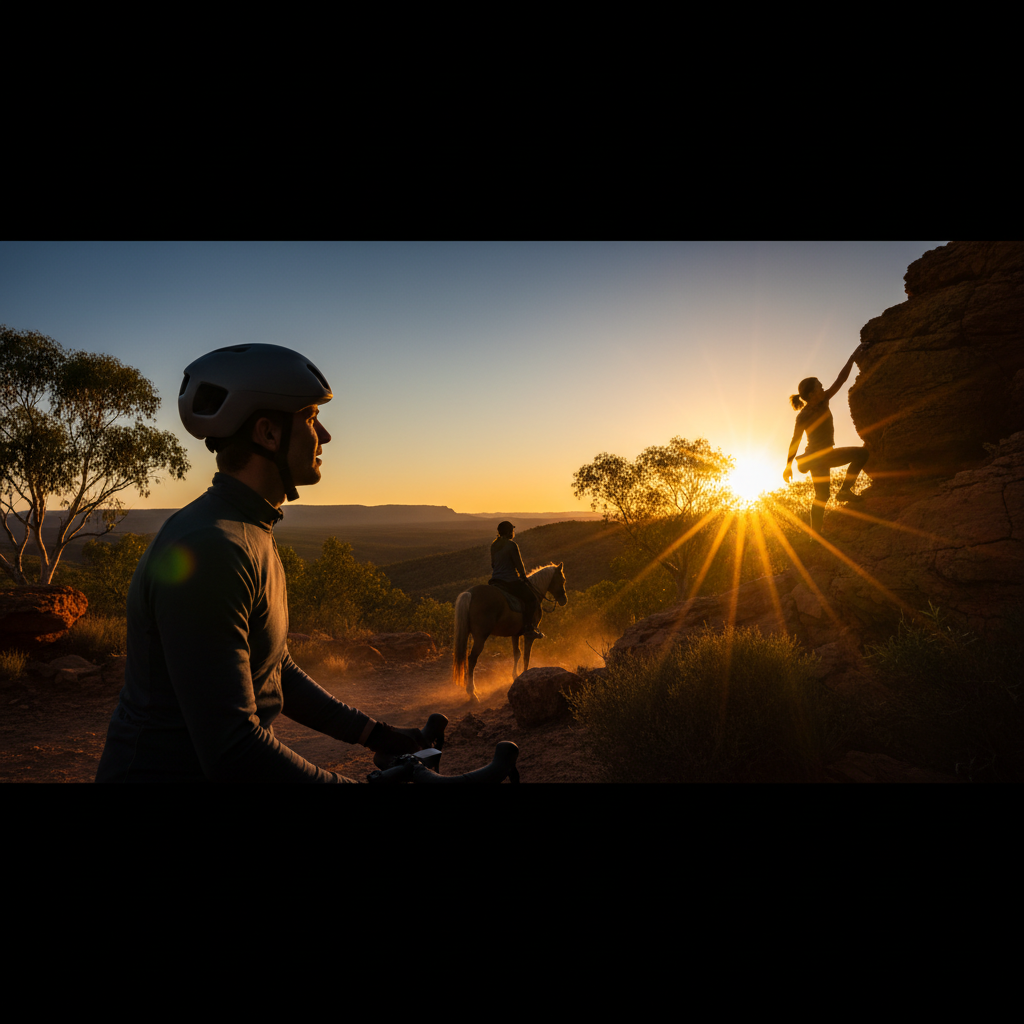
Helmet vs Sunburn: Staying Safe and Protected in the Australian Saddle
Australia – we love our great outdoors, and for many of us, that includes horses. But let's be blunt: our sunshine is no joke, especially when you're spending hours in the saddle. We're constantly reminded about helmet safety for riding – and rightly so. But what about protecting your skin from the relentless Australian sun while you're wearing one?
This isn't about choosing between a safe head and a burnt face. It's about integrating smart sun protection with your essential riding safety gear. We're talking about practical, no-nonsense advice for Australian conditions, from scorching summer days to long treks in winter sun.
The Undeniable Truths of Australian Sunlight
We live down under. That means our UV levels can be dangerously high, even on cloudy days, and for most of the year. 'The Burn' is a real threat, and it’s not just about discomfort. Chronic sun exposure is the leading cause of skin cancer, and Australia has one of the highest rates in the world. When you’re riding, you’re often exposed for extended periods, with limited shade. Think about your longer trail rides, training sessions, or even just mucking out stables.
Your helmet, while crucial for preventing head injuries, can actually create blind spots for sun protection. The rim might offer a little shade, but it's rarely enough, particularly on your neck, ears, and the sensitive skin on your face. Sweat running down your face can also wash away sunscreen, making reapplication critical.
Common Objections and How to Overcome Them
Let’s tackle the usual roadblocks people hit when trying to combine helmet use with sun safety:
"Sunscreen makes my helmet sweaty and itchy."
The Reality: It can. But the right sunscreen, applied correctly, minimises this. Look for lightweight, non-greasy, broad-spectrum sunscreens. Applying sunscreen before you put your helmet on is key. Let it dry for a few minutes.
"I just don't have time for all that extra fuss."
The Reality: What’s a few extra minutes compared to a painful sunburn, premature aging, or a skin cancer diagnosis? Integrating sun protection into your routine is like checking your girth – it’s a non-negotiable part of horse sports.
"My helmet brim gives me enough shade."
The Reality: Rarely. A standard riding helmet brim is usually too small to effectively shield your ears, neck, and vast areas of your face, especially when the sun is high or low in the sky. It’s a myth that it’s sufficient.
"I'm only riding for a short while; it won't make a difference."
The Reality: UV rays are present and damaging even for short exposures. Cumulative damage is where the real danger lies. Even a 30-minute ride on a sunny day contributes to your skin's exposure.
"I’ll just wear a big hat underneath."
The Reality: A traditional wide-brimmed hat is a safety hazard under a riding helmet. It can compromise the helmet’s fit and its ability to protect you in a fall. Never wear anything that interferes with your helmet's snugness and security. This is non-negotiable for your safety.
Smart Sun Protection Strategies for Riders
It’s about a layered approach. Here’s what works in practice:
1. Sunscreen: Your First Line of Defence
Choose Wisely: Opt for a broad-spectrum SPF 30 or higher. Water-resistant sunscreens are good for sweaty conditions, but remember they still need reapplication.
Apply Generously: Don't skimp. Cover all exposed skin – face, neck, ears, and backs of hands. Remember the tops of your feet if they’re exposed.
Timing is Key: Apply at least 15-20 minutes before you head out into the sun. Allow it to absorb.
Reapply: This is crucial. Sweat, friction from the helmet, and time all reduce effectiveness. Reapply every two hours, or more frequently if you're sweating heavily.
2. Protective Clothing
UPF Clothing: Look for UPF (Ultraviolet Protection Factor) rated clothing. This includes long-sleeved shirts, leggings, and even gloves. Many brands offer lightweight, breathable options designed for equestrian use.
Neck Protection: A simple neck gaiter or a high collar on your shirt can make a big difference. These can often be pulled up over your lower face when needed.
Gloves: Besides grip, riding gloves protect the backs of your hands, a common spot for sun damage.
3. Beyond the Basics: Innovative Solutions
There are now accessories designed specifically to enhance helmet sun protection. Things like clip-on brims that extend the shade of your existing helmet can offer significantly more coverage for your face and neck without compromising safety. These are often lightweight and easily transportable. Consider integrating these into your gear. You can explore options on our Products page.
4. Timing and Behaviour
Avoid Peak UV: If possible, schedule your rides for early morning or late afternoon, especially during the summer months when the UV index is highest between 10 am and 3 pm.
Seek Shade: When you're not riding, take advantage of any available shade. If you have a float or a horse trailer, use its awning.
Integrating Protection: A Practical Checklist
Before you even pull on your helmet, run through this quick checklist:
[ ] Sunscreen Applied? Broad-spectrum SPF 30+ on all exposed skin, including ears and neck.
[ ] Sunscreen Absorbed? Give it a few minutes to dry.
[ ] Protective Clothing On? UPF rated shirt, leggings, gloves?
[ ] Neck Gaiter/Collar in Place? Ready to be pulled up if needed.
[ ] Helmet Fit Checked? Is your helmet correctly fastened and snug, not hindered by anything underneath?
- [ ] Extra Protection Added? (e.g., clip-on brim secured)
This might seem like a lot, but it quickly becomes second nature. It’s about building good habits for long-term health.
Step-by-Step: Applying Sun Protection Pre-Ride
Let’s break down the routine. This isn’t a complex science; it’s just about being thorough.
1. Undress (if needed): If you're not already in your riding gear, put on your UPF clothing first.
2. Lather Up: Apply your chosen sunscreen to your face, neck, ears, and any other exposed skin like hands and lower legs. Don't forget those often-missed spots like behind the knees and the nape of your neck.
3. Wait and Dry: Let the sunscreen dry for a few minutes. This prevents it from feeling greasy against your skin or smudging.
4. Accessorise (Optional but Recommended): If you're using a neck gaiter, pull it up and into place. If you have an additional clip-on brim, ensure it's attached securely to your helmet according to its instructions.
5. Helmet On: Put your helmet on last, ensuring it’s snug and correctly adjusted. Nothing should be between your head and the helmet straps or padding that could affect its safety performance.
6. Final Check: Take a moment to check your coverage. Are your ears tucked away? Is the nape of your neck protected? Can you see clearly?
Advanced Protection: Understanding Different Helmet Brim Designs
Not all helmets are created equal when it comes to inherent sun protection. Traditional helmets often have minimal brims. However, some modern equestrian helmets incorporate more extensive brims. Furthermore, add-on brims offer a flexible solution. These are designed to attach to existing helmets, significantly increasing the shade provided to your face, neck, and ears without compromising the helmet's structural integrity or safety certification. Proper installation is key to ensuring they remain secure during riding. For guidance on how to enhance your helmet's coverage, check out our How to Install guide.
Summary Table: Sun Protection vs. Helmet Safety
Here’s a quick comparison to highlight the distinct, yet equally important, roles of each:
| Feature | Helmet Safety | Sun Protection |
|---|---|---|
| Primary Goal | Prevent head and brain injuries. | Prevent sunburn, premature aging, and skin cancer. |
| Risk | Falls, impacts. | UV radiation exposure. |
| Mitigation | Certified protective headwear. | Sunscreen, UPF clothing, shade, accessories. |
| Interaction with Helmet | Integral to helmet function; must fit correctly. | Can be compromised if not chosen or applied carefully. |
| Australian Context | Always mandatory for safety. | Essential due to high UV index and long daylight hours. |
Frequently Asked Questions
Do you have more questions? We've covered a range of common queries from riders like you on our FAQ page.
The Bottom Line: No Compromises
Your safety in the saddle is paramount. That includes protecting your head from impact and your skin from the sun. These two goals are not mutually exclusive. By adopting a proactive and consistent approach to sun protection, you can enjoy your time with your horse without the lasting damage from our relentless Australian sun. Think of it as an essential part of your riding kit, just like your helmet and boots.
Don't wait until you're dealing with a painful sunburn or the consequences of long-term sun damage. Start integrating these protective measures into your routine today. Explore our range of practical solutions designed for riders on our Products page. For more tips and insights on equestrian safety and care, visit our Blog.
Stay safe, stay protected, and enjoy every sunny ride!