
Helmet UV Protection: Essential for Riders and Instructors in Australia
Australia's sun is brutal. For horse riders and instructors, consistent UV exposure from your helmet's brim is a serious risk. Learn how to protect yourself.
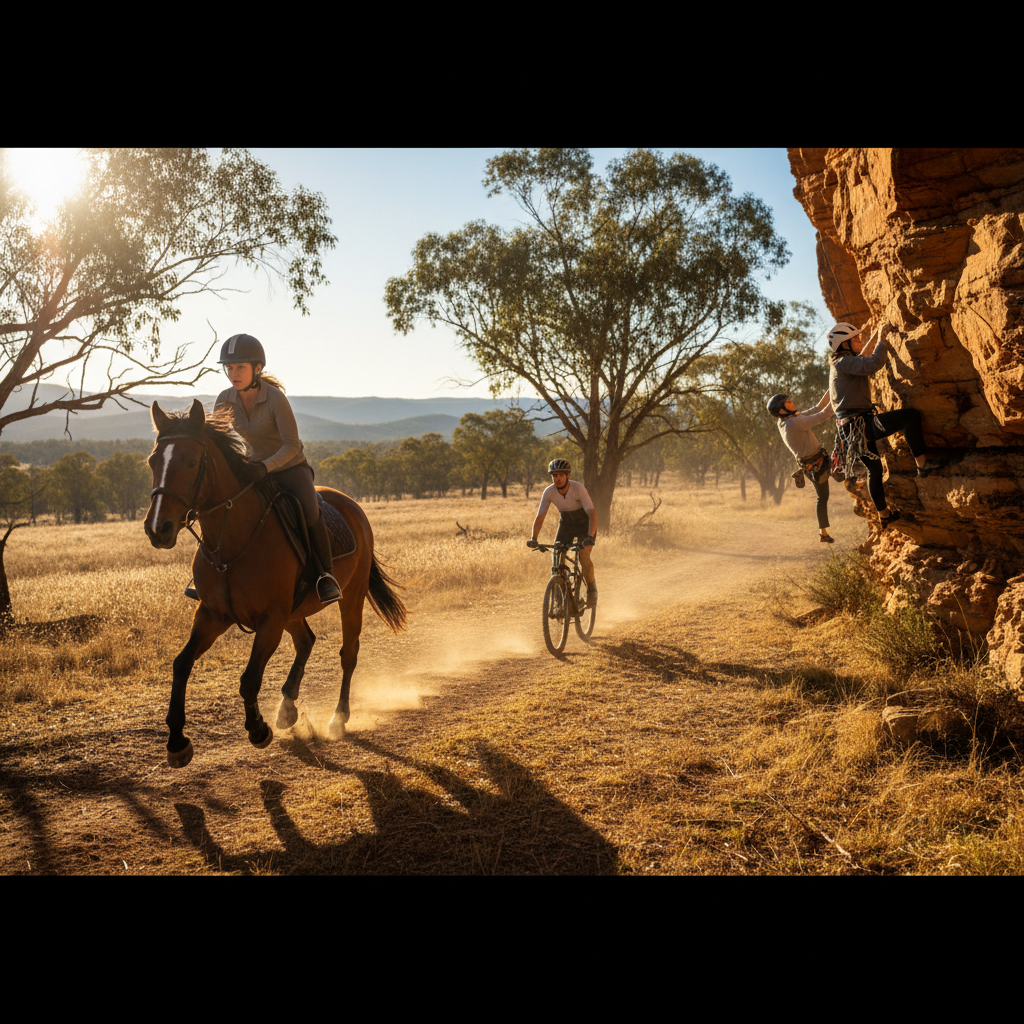
Helmet UV Protection: Essential for Riders and Instructors in Australia
The Australian sun is no joke. Even on cloudy days, UV radiation can cause significant damage to unprotected skin. For anyone who spends hours in the saddle or around the horses, particularly riders and instructors, consistent UV exposure presents a unique set of risks. Your helmet is crucial for safety, but is it offering enough sun protection?
We're talking about prolonged, direct exposure. Think of those long summer days at the riding school, training sessions that stretch into the afternoon, or even just your regular hacks through the paddocks under that relentless Aussie sky. The UV Index in Australia can reach extreme levels, and even with sunscreen, repeated exposure can lead to premature ageing, sunburn, and increase your risk of skin cancer.
The Silent Threat: UV Exposure for Equestrians
Many riders simply don't think about sun exposure as a primary risk when they're focused on their riding. However, the reality is stark:
Extended Exposure: Unlike a quick stroll to the shops, a riding session or instructing can last for one, two, or even more hours. This means your face and neck are directly exposed for a significant duration.
Reflection: Sunlight reflects off the arena surface, dusty ground, and even the horse's coat, increasing your overall UV dose. Your helmet provides a physical barrier, but its effectiveness against indirect rays is limited.
Blind Spots: The typical helmet brim offers a limited field of protection. While it shades your eyes, the sides of your face, ears, and neck can still be heavily exposed.
Heat and Discomfort: Sunburn and heat stress can impair concentration, leading to riding errors or reduced awareness of your surroundings, impacting safety for both rider and horse.
The Horse and Rider Connection
Consider instructors. You’re not just riding; you’re often demonstrating, correcting posture, and explaining techniques. This means being in the saddle for extended periods, often during the hottest parts of the day. Your students are looking to you for an example, including how to prepare for riding safely, and that includes sun protection.
And what about the horses? While they have their own natural protection, prolonged sun exposure can still affect them. Are you and your students shielded enough to comfortably teach and learn, even on the brightest days?
Common Objections and How to Handle Them
We hear it all the time – the excuses people make for not prioritising sun protection.
"I wear sunscreen, so I'm fine."
Sunscreen is essential, but it's not foolproof. It needs to be applied liberally, re-applied every two hours (more often if sweating or swimming), and it can wear off. Imagine the sweat dripping down your face during a lesson or a long ride – that sunscreen is going with it. Plus, you might miss spots, or the application might be inconsistent. Your helmet brim can amplify sun exposure on the unprotected areas, creating a harsh tan line and potentially missing patches.
"My helmet has a brim."
Yes, it does. But as mentioned, it's often not enough. The brim might be too short, or you might tilt your head in a way that leaves your cheeks or ears exposed. Think about the UV Index. When it's 10+, that limited brim isn't cutting it. We need to augment that basic protection.
"It’s too hot and bulky to add anything else."
This is a valid concern, especially in Australia. We understand the need for ventilation and comfort. That's why solutions need to be lightweight, breathable, and unobtrusive. We're not talking about strapping on a massive hat.
"I don't ride for that long."
Are you sure? Count your hours. A typical lesson is an hour. A training session can be longer. Even a short hack can be 45 minutes. Over a week, or a month, and especially over a riding career, that cumulative exposure adds up significantly.
"It's too expensive to worry about."
Consider the cost of treating sunburn, premature ageing (cosmetic treatments), or more importantly, skin cancer. A small investment in effective sun protection now can save you a lot of pain, suffering, and expense down the line.
Maximising Your Helmet’s Sun Protection
Your helmet is your primary safety gear. Let’s make sure it works harder for your sun safety too.
The Importance of Added Brim Protection
For riders and instructors, extending the protective shade from your helmet is key. This is where a dedicated helmet brim extension comes into play.
Extended Shade: A larger brim casts a wider shadow, covering more of your face, including your cheeks, nose, and ears, areas often missed by standard helmet brims.
Reduced Glare: A wider brim can also help reduce glare, improving your vision and making you more comfortable, which is crucial for concentration.
Integrated Solution: Attachable brims are designed to work with your existing helmet, providing an easy and effective upgrade.
Key Features to Look For:
UV Fabric: Ensure the material itself offers UPF (Ultraviolet Protection Factor) protection. Look for UPF 50+ for maximum safety.
Lightweight & Breathable: You don't want anything that adds excessive heat or feels restrictive.
Secure Attachment: It needs to stay put, even if you’re jumping or galloping. Ease of installation is also a bonus.
Australian Conditions: Designed with our intense sun in mind.
Your Sun Safety Checklist for Riders and Instructors
Before you swing your leg over your horse, run through this quick checklist:
[ ] Helmet Check: Is your helmet fitting correctly and in good condition? (Always the first priority).
[ ] Sunscreen Application: Applied generously to all exposed areas (face, neck, ears, hands) at least 20 minutes before going outside.
[ ] Protective Clothing: Long sleeves and pants made from UPF-rated fabric where possible.
[ ] Headwear Upgrade: Is your helmet equipped with an extended brim for maximum facial shade?
[ ] Hydration: Drinking plenty of water to prevent heat stress.
[ ] Eye Protection: Sunglasses that offer UV protection.
[ ] Reapplication Strategy: Know when and how you’ll reapply sunscreen if your session is long.
Installing Your Helmets Sun Brim: A Step-by-Step Guide
Adding extra sun protection to your helmet shouldn't be complicated. Our How to Install guide makes it simple. Here’s the general idea:
1. Clean Your Helmet: Ensure the area where the brim will attach is clean and dry. This ensures optimal adhesion.
2. Identify Attachment Points: Your helmet will have specific areas designed for accessories, or a secure lip for the brim to hook onto.
3. Align the Brim: Carefully position the extended brim over the front of your helmet.
4. Secure Firmly: Depending on the design, you'll either clip, strap, or adhere the brim into place. Ensure it feels secure and doesn't wobble or move easily.
5. Test Stability: Gently tug on the brim to confirm it's firmly attached. You don't want it coming loose while riding.
It's a quick process that dramatically increases your protection. You can find our range of enhanced helmet brims in our Products section.
Protecting Yourself and Setting an Example
As a rider or instructor in Australia, you are exposed to some of the harshest UV radiation on the planet. Don't underestimate the cumulative damage. Your helmet is a critical piece of safety equipment, and upgrading its sun protection capabilities is a smart, practical step.
Investing in a superior helmet brim means:
Reduced Burn Risk: Less pain, less peeling, less long-term damage.
Slower Ageing: Protect your skin from premature wrinkles and sunspots.
Improved Comfort: Less squinting, especially on bright days.
Setting a Standard: For instructors, demonstrating good sun safety practices is part of responsible teaching.
Don't wait for a sunburn to remind you. Take proactive steps to safeguard your skin. Explore our range of Products designed specifically for equestrian helmet sun protection. For more information, check out our FAQ or dive into more articles on our Blog about equestrian safety and gear.
Your skin will thank you for it, ride after ride.