
Helmet Up, Sun Down: Your No-Nonsense Guide to UV Risks for Australian Cyclists
Don't let the Australian sun catch you out. This practical guide for helmet-wearing cyclists covers real UV risks and how to beat them. No fluff, just facts.
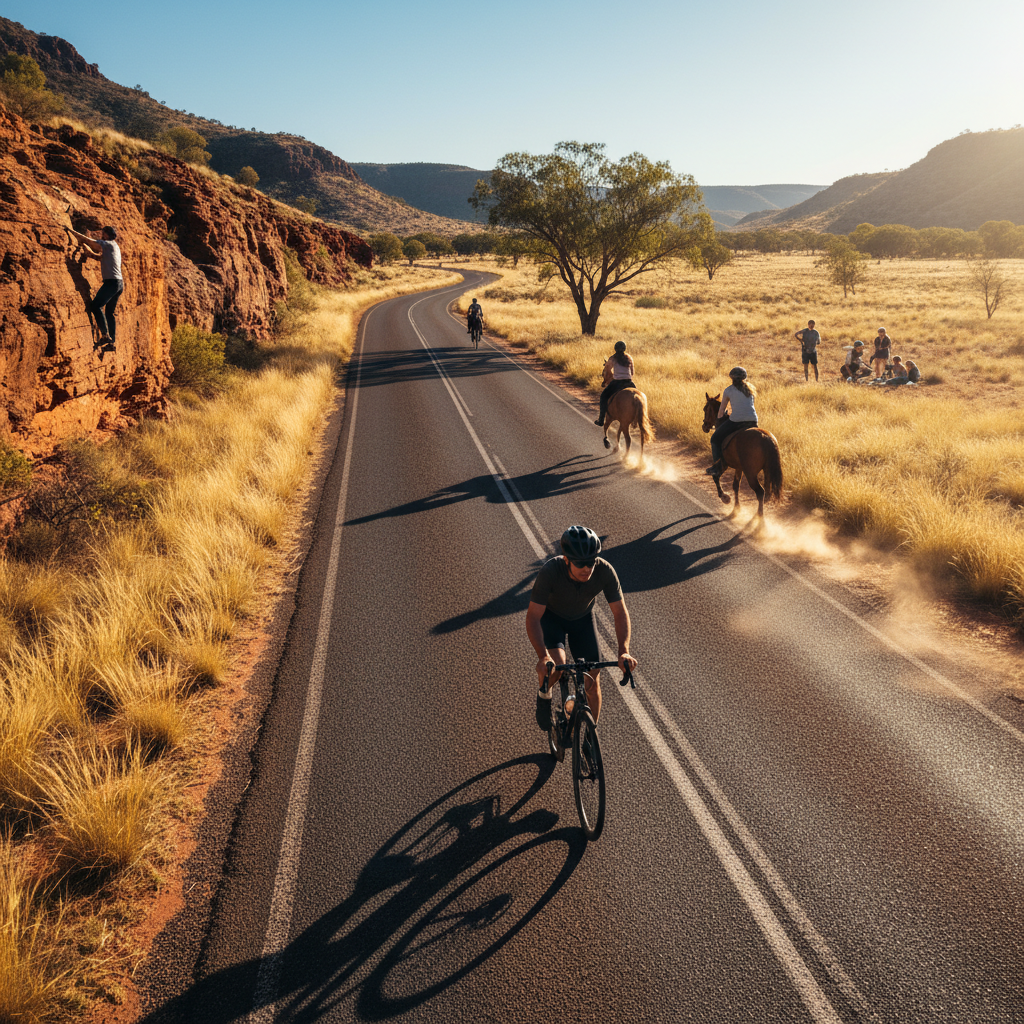
Helmet Up, Sun Down: Your No-Nonsense Guide to UV Risks for Australian Cyclists
Australia. Beautiful country, brutal sun. If you're a cyclist, you know this. You're out there, breathing in the air, enjoying the ride, but while you're focused on the road, that unrelenting UV radiation is doing its damage. Especially when you're wearing a helmet.
Think your helmet protects you from the sun? Think again. Helmets are for impact. They do next to nothing for your skin. And in Australia, with a UV Index that often hits 'Extreme', that’s a problem.
This isn't about fear-mongering. It's about practical, no-bullshit advice to keep you riding safely. Let's get straight to it.
The Real UV Risks for Cyclists in Oz
When you're cycling, you're exposed. You’re not just out for a quick stroll. You're often out for extended periods, clocking up kilometres. This means prolonged UV exposure.
1. Sunburn – The Obvious But Still Dangerous One
We all know sunburn is bad. Red, painful skin. Peeling. It's uncomfortable and increases your risk of skin cancer. On your face, neck, and ears, cyclists are particularly vulnerable.
2. Premature Skin Ageing
Want to look like a leather handbag before your time? UV radiation breaks down collagen and elastin in your skin. Sunspots, wrinkles, sagging skin – it’s the slow burn of ageing accelerated by the sun. Cycling is a fantastic way to stay young, but not if the sun is making you look older.
3. Skin Cancer – The Big One
This is the serious consequence. Melanoma and other skin cancers are directly linked to UV exposure. Australia sadly has some of the highest rates of skin cancer in the world. Cyclists, with their regular, extended sun exposure, are at a significantly higher risk if they don't protect themselves.
4. Eye Damage
Your eyes aren't immune. UV rays can contribute to cataracts, macular degeneration, and pterygium (a growth on the eye). While sunglasses help, they don’t always cover everything, especially as the sun moves.
5. Heat Stress and Dehydration (Indirect but Related)
While not direct UV damage, being exposed to the intense Australian sun for long periods increases your risk of heat stress, dehydration, and heatstroke. This is compounded by the effort of cycling. Proper sun protection helps you stay cooler longer, as your body isn't working overtime to repair sun damage. Staying comfortable means you can focus on riding and hydration.
Why Your Helmet Isn't Enough
This is where many cyclists get it wrong. They've ticked the 'helmet' box for safety, but they assume that's the end of it. That's a critical oversight. Your helmet covers your head. That's it.
Face: Your cheeks, nose, forehead (where it's not covered by the helmet band), and chin are wide open.
Neck: The back of your neck is a prime spot for sunburn and skin cancer. Most helmets offer zero protection here.
Ears: Another common victim of painful sunburn.
Think about the profile of a cyclist. You're often looking slightly upwards or straight ahead. This exposes the underside of your jaw, your ears, and your neck more than you might realise when you’re just standing still.
The Australian Sun Factor: Why We Need to Be Extra Vigilant
We live in one of the sunniest countries on earth. Don't take this lightly.
High UV Index: Often hitting 6-7+ for much of the year, and peaking at 10-11 (Extreme) in summer. It's not just about feeling hot; it's about the invisible radiation.
Long Daylight Hours: Especially in summer, you can be out riding for longer periods when the UV is at its peak (10 am to 3 pm).
Reflective Surfaces: Water, sand, even roads can reflect UV rays, increasing your overall exposure.
Practical Protection: What You Actually Need to Do
Forget wishful thinking. Here’s what works. It’s a multi-pronged approach.
Sunscreen: Your Essential First Line of Defence
Application:
Apply at least 15-20 minutes before you head out.
Use an SPF 50+ broad-spectrum sunscreen.
Don't be stingy. A visible layer is a good starting point.
Cover every exposed inch: Face, ears, neck (front and back), any bald spots or thinning hair on your head, arms, and legs if they're exposed.
Reapplication:
This is key for longer rides. Sweat washes it off.
Carry a small tube or spray in your jersey pocket.
Reapply every two hours, or more often if you're sweating heavily or swimming.
Choosing the Right Sunscreen:
Broad Spectrum: Protects against both UVA (ageing) and UVB (burning) rays.
Water Resistant: Important for sweaty rides.
Non-Comedogenic: For face use, to avoid clogged pores.
Protective Clothing: More Than Just Lycra
Long Sleeves: When riding in strong sun, consider lightweight, breathable long-sleeve cycling jerseys. They offer UPF (Ultraviolet Protection Factor) ratings.
Leggings/Tights: Similar to jerseys, long cycling tights can protect your legs.
Hats/Caps Under Helmets: A thin cycling cap worn under your helmet can provide a bit more shade for your face and ears, and soak up some sweat. Many people use these to help with helmet fit too.
Neck Gaiters/Buffs: A thin, breathable neck gaiter or buff is invaluable for protecting your neck and lower face. You can pull it up over your nose on particularly sunny days. Worn correctly, they stay put.
Eye Protection: More Than Just Looking Cool
UV-Blocking Sunglasses: Essential. Look for ones that wrap around to block light from the sides and top.
Photochromic Lenses: These lenses darken automatically in bright light and become clear in low light, so you don't need to swap glasses if conditions change or you ride into shade.
Timing Your Rides: Working With the Sun, Not Against It
Avoid Peak UV Hours: The sun is strongest between 10 am and 3 pm. Try to schedule your longer or more exposed rides for early morning or late afternoon. This is often cooler too.
Plan Your Route: If you can, incorporate shaded sections into your rides.
The Helmet Brimmer Solution: A Game Changer
We’ve talked about the gaps your helmet leaves. What if you could fill those gaps without compromising your helmet's effectiveness?
That’s where a helmet brim comes in. Specifically, a good helmet brim designed for cycling.
What is a Helmet Brimmer?
It's an accessory that attaches to the front of your cycling helmet. Its primary purpose is to extend the shade provided by your helmet, effectively creating a visor.
Benefits of a Cycling Helmet Brimmer:
Extended Face Shade: Significantly reduces the amount of UV light hitting your face, nose, and cheeks.
Reduced Glare: Helps to cut down on sun glare, making it easier to see the road.
Neck Protection: Some brimmers offer a slight extension that can help shield the top of your neck.
Easy to Use: Designed for quick attachment and removal.
No Modification Needed: They generally attach to existing helmet vents without needing to drill or alter your helmet.
When considering a brimmer, look for one that is lightweight, durable, and fits securely to your helmet. You want something that won't bounce around or obstruct your vision.
We looked at how cyclists were getting sunburnt and developed a solution. Check out our Products page for a brimmer that's built tough for Australian conditions.
Your Quick-Check Sun Safety Checklist
Before you hit the road, run through this:
[ ] SPF 50+ sunscreen applied everywhere exposed (face, ears, neck).
[ ] Sun hat or cycling cap under helmet (optional but recommended).
[ ] UV-blocking sunglasses on.
[ ] Neck gaiter/buff ready if needed.
[ ] Suitable clothing (long sleeves/legs for intense sun).
[ ] Helmet brimmer attached (if using).
[ ] Water bottle filled and accessible.
[ ] Check the UV index – adjust ride time if necessary.
How to Install and Use a Helmet Brimmer (Step-by-Step)
Most brimmers are designed for simplicity. If you're looking at a dedicated cycling brimmer, the process is usually straightforward. For example, our How to Install guide covers our specific product, but the principles are similar for many.
1. Identify Attachment Points: Most brimmers clip into the front vents of your helmet. Look for the strongest, most stable vents.
2. Position Correctly: Place the brimmer against the front of your helmet, ensuring it sits flush and extends forward sufficiently to cast a shadow.
3. Secure Firmly: Gently but firmly push the clips or tabs into the helmet vents. You should feel them engage. Ensure it's not loose and doesn't wobble.
4. Test Fit: Try on your helmet with the brimmer attached. Check for any vision obstruction or discomfort. Adjust the position slightly if needed. The idea is to create shade without impeding your view of the road or traffic.
5. Remove When Not Needed: When you're done riding, or if you're going indoors for a long period, you can easily detach the brimmer. Store it with your helmet.
This simple addition can make a massive difference to your comfort and long-term skin health. It's a small step with big impact.
Common Objections & How to Handle Them
"It looks silly."
Reality: What looks sillier? A tan that's uneven and peeling, or the early signs of skin ageing, or worse, skin cancer? Functionality trumps questionable fashion choices when it comes to your health. Plus, with modern designs, many brimmers are barely noticeable and blend in.
"It will fall off."
Reality: A well-designed brimmer, properly installed, will stay put. We've engineered ours for a secure fit. If you're having issues, check the installation guide or contact us. This is why choosing a quality product is key. Don't go for flimsy, cheap options.
"It's too hot."
Reality: While it adds a layer, a well-ventilated brimmer designed for cycling won't significantly increase your heat load. In fact, by reducing direct sun on your face, it can actually help you feel cooler and more comfortable, reducing the need for your body to work overtime to cool scorched skin.
"I don't ride long enough to worry about it."
- Reality: Even short, frequent rides add up. UV exposure is cumulative. And on a high UV day in Australia, a 30-minute ride can still cause significant damage if you're unprotected. It’s about building good habits for ALL your rides.
Frequently Asked Questions
Got more questions? We’ve covered a lot, but you might be wondering about specifics. We have a dedicated FAQ page that dives deeper into common queries about sun safety and our products.
Conclusion: Ride Smart, Ride Protected
Australia’s sun is a part of our lifestyle, but it doesn't have to dictate our health. For cyclists, being proactive about sun protection, especially when wearing a helmet, is non-negotiable.
Don't let UV radiation be the unwelcome companion on your rides. Arm yourself with knowledge, sunscreen, and the right gear. Consider how a Products brimmer can complement your existing helmet and provide that crucial extra layer of defence.
Your future self, and your skin, will thank you.
For more tips and updates, check out our Blog.